A, B, C игра: как перестать отдавать блайнды собственной обезьянке
Психолог FunFarm Татьяна Барчукова впервые связала покерные A, B и C-игру с наукой и объяснила, как дольше удерживать концентрацию за столом.
How to beat tilt, avoid burnout and stay mentally steady at the table. Articles on poker psychology from FunFarm psychologists and coaches.

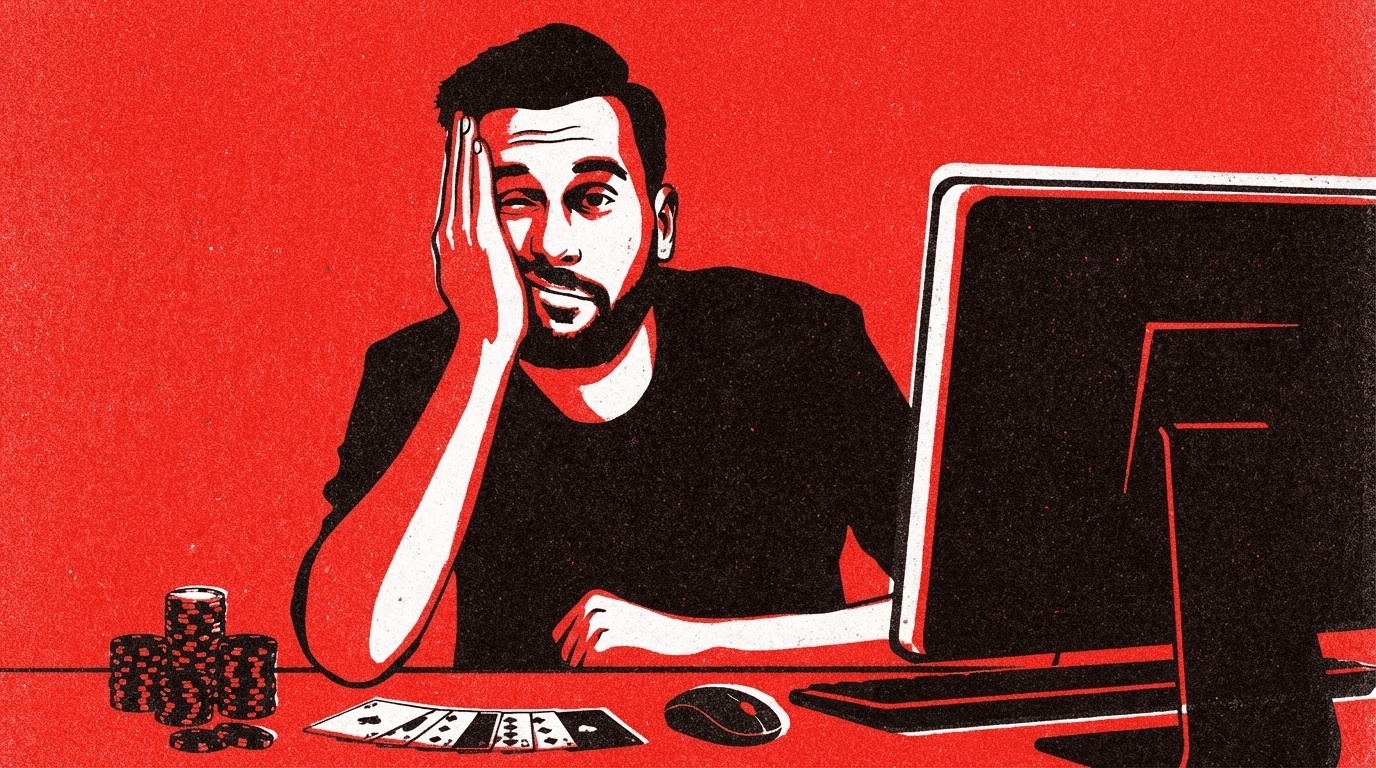
Boredom in poker rarely shows up with a direct message: "I'm not interested." More often it disguises itself as outwardly harmless things — autopilot, mechanical clicks, the urge to open YouTube "in the background," check your phone, or just keep playing "out of habit." It's at this very moment that a player starts losing money — not directly, but because of the quality of the decisions being made.

In poker, there's a lot of talk about how to start a session — warming up, getting in the right mindset, concentration, your A-game. But there's one stage that players systematically underestimate — ending the session.

Progress in poker is impossible without constant work. Most often it looks different: you study concepts, review mistakes, agree with the conclusions, do this regularly — and that's how you become a professional at your craft.

Professional poker isn't just about strategy, mathematical calculations, and analyzing hands. It's also the ability to manage your mental state.

Poker gives you freedom. The best players travel the world, play in the biggest tournaments, and earn millions of dollars. But on their way to the top, they regularly hit rough patches. Ordinary poker players suffer from downswings too. Let's discuss what a downswing is and how to overcome it.

How a poker professional thinks and why this changes results over the long run

Why beginner poker players are afraid of making mistakes and how to fix it, how professionals deal with the fear of mistakes: a practical guide

Poker is a game where mathematical strategy and chance go hand in hand. Even a perfectly played hand sometimes ends in defeat, while a win can come at a moment when the odds were minimal. This is exactly how variance manifests — the deviation of your actual result from what you expect over the long run. Understanding variance helps you avoid tilt, stay motivated, and make decisions with a clear head. In this article, we'll break down in simple terms what variance and a downswing are, why they happen even to professional players, and what to do so that a losing streak doesn't throw you off balance.

What are the signs of burnout? How can you protect yourself from burnout? We explain in the article.

Tired of losing to tilt and mistakes? Poker discipline is your key to success. Discover how routine, bankroll management, and psychology will help you play a steady winning game.