Poker Without Burnout: How to Balance Playing with Work, Study and Family
Time management, personal boundaries and burnout protection over the long run.

Tatiana develops mental support courses and leads a team of psychologists and mental coaches. Thanks to her attentiveness and professional approach, the school and fund have a mental care department that helps players maintain balance and stay resilient and motivated.
In the book "Outliers: The Story of Success" Malcolm Gladwell put forward the concept of 10,000 hours. The author's main idea: "to become a master of any craft, you need to practise purposefully for 10,000 hours". The first wins in poker will come sooner, but without systematic work you can't achieve stable success. Studying and multi-hour sessions are hard to combine with the rest of life. Let's discuss how to combine poker with work, study and family.

New breakdowns in your inbox
Subscribe to the FunFarm newsletter: fresh Poker ABC articles and material that helps you grow as a player.
Key facts about combining poker with other activities
To combine poker with work, study or family, you need to draw up a schedule.
Techniques like the Pomodoro technique, time-boxing and the Eisenhower matrix can help you manage your time.
Part-time work, a two-shift schedule or freelancing are easier to combine with poker.
So that the game doesn't damage relationships with family, set aside time blocks for spending time with loved ones and for poker.
Chasing the number of tournaments, hands or hours leads to burnout. Plan not only work, but also rest.
Why poker easily crowds out everything else
If you devote 5 hours a day to poker, you could reach the 10,000-hour mark in 2,000 days, or 5.5 years. Add the time needed for sleep, food and rest on top of daily play, and you get a brutal schedule. With work or study, the journey to poker's heights takes a decade. And let's not forget about family — loved ones also need attention. To move forward on every front, you need to find compromises and allocate your time rationally.
Success in several directions is ensured by flexible thinking and strong discipline
The specifics of poker don't make life any easier either. While in cash games you can end your day at any moment, in tournament poker a player is forced to sit through multi-hour sessions. The journey from the start to the final table of a large MTT takes 10-12 hours. For example, the anniversary Sunday Millions on PokerStars in 2016 lasted 14 hours. Sometimes the battle at the final table alone lasts 4-5 hours. The duration of a tournament can't be predicted, which hits a player's schedule hard.
If a poker player combines work or study with playing, another problem arises: night sessions. Take a standard schedule from 9:00 to 18:00. At 19:00 the person comes home, spends a couple of hours on dinner and talking with family. They sit down to play at 21:00. In the most optimistic scenario, they finish the session at 02:00-03:00 and go to sleep. After 3-4 hours they wake up and go to work. The player can't get quality rest, and the next day will be spent tired. That's why it's hard to combine poker with family, work or study.
Poker as work, not as entertainment
Beginner players come to poker chasing easy money. They deposit funds, register for the most expensive tournament, and dream of winning. In most cases, reality shatters their dreams: newcomers quickly bust out, get disappointed and forget about poker. Some newcomers draw different conclusions and reconsider their approach to the game. They study the experience of professionals and draw up a schedule. It includes time for practice, study and rest.
A determined player doesn't wait for inspiration but follows a schedule. Their daily routine might look like this:
Time | Activity |
7:00 — 9:00 | Waking up, shower, breakfast, exercise |
9:00 — 11:00 | Theory: hand review, watching videos, discussing strategy with colleagues |
11:00 — 18:00 | Poker session |
18:00 — 22:30 | Dinner, gym, rest |
22:30 — 7:00 | Sleep |
Most people show peak mental performance in the morning, which is why study is placed before play. It also makes sense to draw up an alternative version of the schedule in case a tournament session takes longer than expected.
Many professional players use the concepts of time-boxing and the Eisenhower matrix. Let's discuss them in more detail.
Time-boxing. The concept suggests allocating a time interval to each block. For example: 45 minutes to review hands from the previous session, 45 minutes to watch training videos, 30 minutes to discuss strategy with other players. When the time for a block is up, the poker player moves on to the next task. If there are hands or part of a video left over, they carry them over to the next day.
Eisenhower matrix. Introduces several levels of tasks. They are divided into important and urgent. Urgent and important tasks are done right away. For example, depositing funds to get an expensive tournament ticket as part of a promotion. Important but not urgent tasks are added to the calendar for the coming days. Urgent but not important tasks are optimised. Tasks that are neither important nor urgent are eliminated. The Eisenhower matrix allows you to analyse your schedule and set priorities.
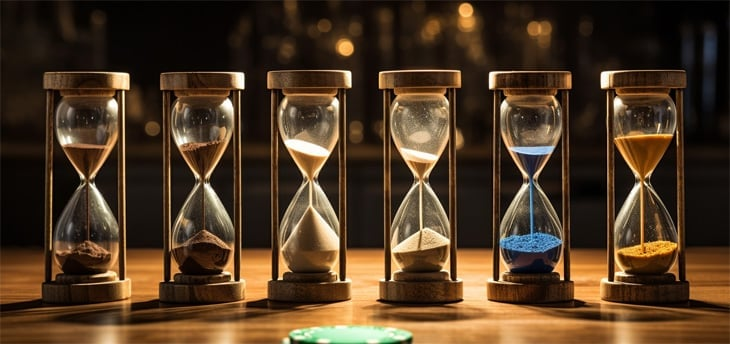
Separate time blocks help you deal with complex tasks and keep you from getting stuck on any one thing
Sometimes sticking to a rigid schedule is disrupted by variance. That's why players set a safety mechanism in advance in the form of a stop-loss. For example, a poker player knows that after losing 10 buy-ins the quality of his decisions drops. So he stops opening new tournaments and focuses on the remaining MTTs. Many poker players play at several stakes at once, so they measure their stop-loss not in buy-ins, but in a total "exposure" amount. Example: you've spent $200 on tournament entries — you don't register anywhere else.
Professional poker requires strict discipline, persistence and the skill of enduring routine. Systematic work contradicts the romantic image of a player, but there's no other way to achieve success at the tables.
Read also:
Poker discipline: how to play for profit
Learning at FunFarm, from any level
How to combine poker with work
Combining an eight-hour workday with a full-fledged poker career is difficult. If you spend 2-3 hours a day playing, the path to mid-stakes will take several years. However, you shouldn't sacrifice sleep for poker either. Giving up proper rest reduces performance. A person with a sleep deficit loses up to 20% of short-term memory, and the speed of information processing drops by 15%. Cutting down on nighttime rest hits mental state especially hard — the ability to control emotions decreases by 91%. A tired poker player: remembers opponents' hands worse, makes decisions more slowly and tilts faster.
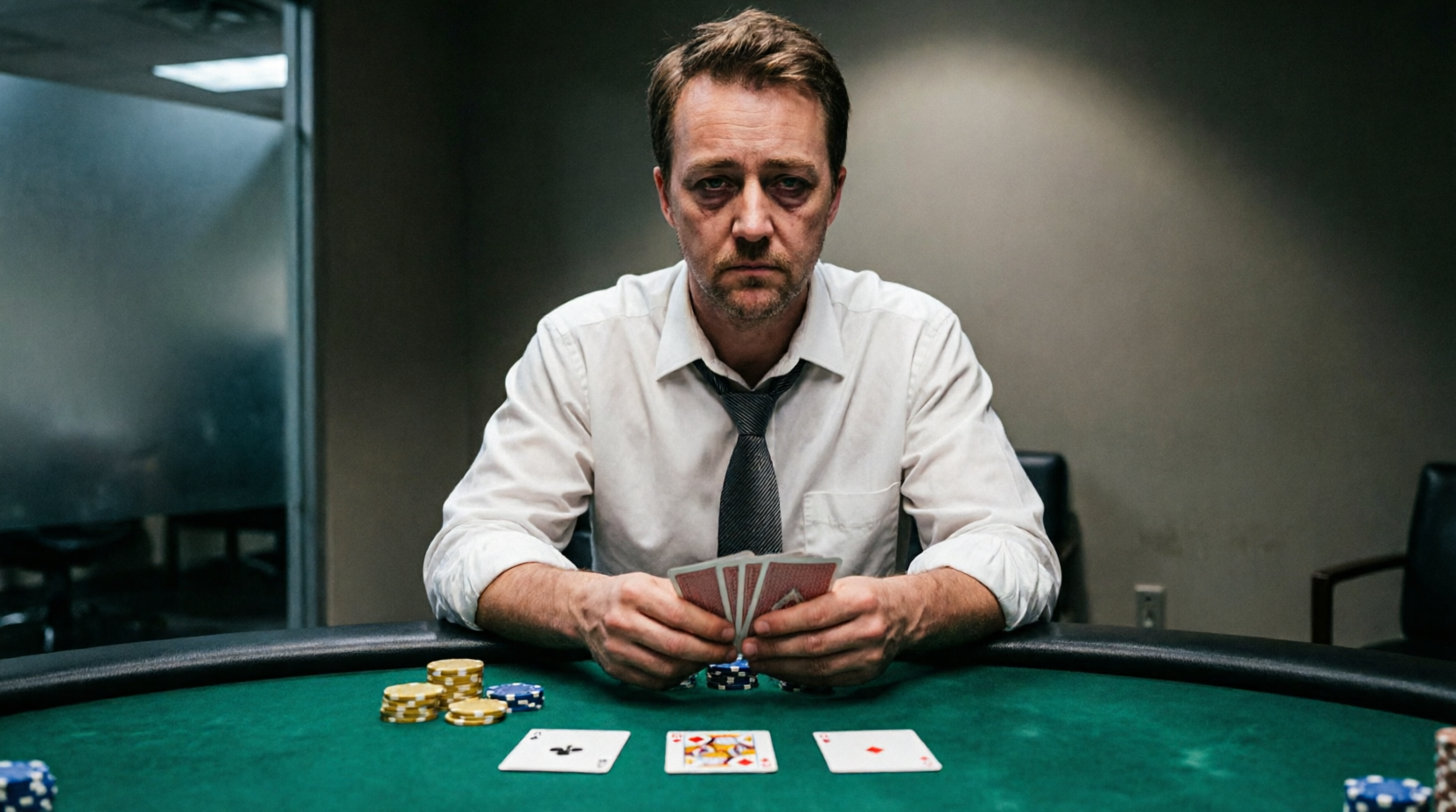
It's hard to combine poker with full-time work. It's important to find a compromise rather than squeeze out your last bit of energy
Not every job implies a 9:00 to 18:00 schedule. The modern labour market offers alternatives:
Part-time employment. Working 3-4 hours a day. Leaves enough time for poker. Sometimes alternating between playing and other work increases effectiveness in both areas.
Two-shift schedule. Two days we work, two days we play poker. The 2/2 schedule implies an extended workday of 11-12 hours. That's why we recommend increasing rest time before the first playing session.
Freelancing. A project-based approach allows you to distribute the workload yourself. A poker player can work 3-4 hours a day and devote the rest of the time to playing. There's also an option of alternating freelancing and poker by days: first day — work, second — play, third — work. A freelancer's schedule often depends on the client. That's why it's important to stay flexible.
Rotational and seasonal work. Implies relocating for several weeks or months to another city or country. An intensive schedule and living away from home leave no time for poker. However, higher pay gives you the opportunity to concentrate on the game after returning home. Rotational work and poker can be alternated on the same principle as the 2/2 schedule, adjusted for longer periods.
Sound time management helps distribute time between work and poker. However, work efficiency is measured by results, not by the number of hours spent. That's why it's important to separate work and poker. Difficulties on the professional front affect the quality of your game. If a poker player comes home disappointed or angry, the chance of tilting increases significantly. There's no point following a plan just to lose money for 5 hours. An unsuccessful session pushes the player further away from their goal.
Sometimes you need to honestly admit that combining both areas hasn't worked out and revise the plan. For example, from Monday to Thursday study theory and spend 40-45 minutes in cash games, and on Friday and Saturday play full tournament sessions. The new schedule will slow down progress but preserve the bankroll. Remember: poker is not a sprint, but a marathon.
How to combine poker with studying
Combining poker with studying is easier than with work. The busiest schedule at university includes 3-4 classes. If classes start at 8:00, the student leaves the building by 14:30. Adding a couple of hours for homework, we get an option somewhere between part-time and full-time employment. Another advantage for students is higher endurance. At 20 years old the body recovers faster than at 35.
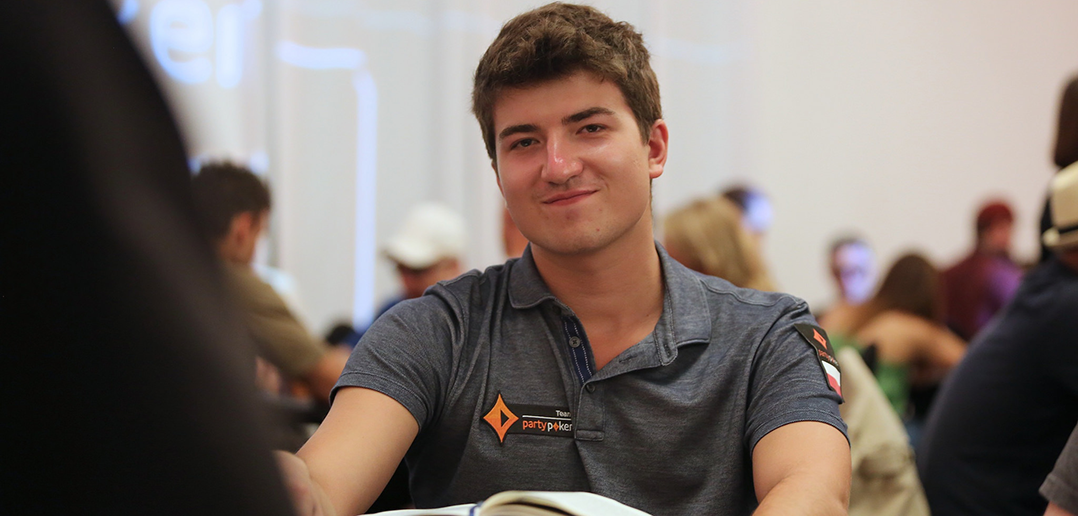
Dmitry Urbanovich and Annette Obrestad broke the system: they combined playing and studying at school. We don't recommend following their example: playing poker for money is not allowed before the age of 18
A young player finds it easier to run a night session, sleep a few hours and go to class. We don't recommend systematically "skimping" on sleep — the decrease in thinking speed and increased likelihood of tilt haven't gone away.
Poker and studying combine well outside exam sessions. During exam periods, it's hard to set aside a few hours for play. Focus your attention on studying. A 2-3 week break won't reset your playing skills. If you can't do without poker, switch to cash games and run short 30-40 minute sessions. After exams, return to your usual schedule.
Sometimes poker allows you to take a break from studying. For example, a player is studying law at university. Reading textbooks, studying case law, analysing legal acts, and preparing procedural documents is tiring. Poker helps avoid burnout from studying because it engages a different type of thinking.
How to combine poker with family
It's hardest to divide time between poker and family. The card game's reputation doesn't help matters. Outsiders don't see a difference between poker, roulette, and slot machines. That's why attempts to build a professional career often draw disapproval from loved ones. To change how family members perceive poker, show them you're serious. Draw up a training plan, form useful habits, play with maximum discipline and concentration. Over time, your family will stop seeing poker as gambling.
The following will help balance family and poker:
Protected family slots. Set aside specific hours for spending time with your partner and children. For example, from 18:00 to 21:00, devote your attention exclusively to family. Turn off notifications on your smartphone and put thoughts of poker aside. Agree in advance on time slots for playing. Ask loved ones not to distract you during a session. Boundaries will help avoid conflicts over poker.
A separate bankroll. Set aside money for poker. Don't take it from the family budget. Losing money meant for a holiday or a tutor for your child is the best way to turn your family against poker. Deposit $100-$150, start with minimal buy-ins, build up your bankroll, and move up in stakes.
Discussing the specifics of poker with loved ones will also help. Show them the essence of variance with examples. Then your family will support you during a losing streak. Gifts from a big win can help strengthen poker's standing. Players are usually advised not to spend money after their first successes, but over the long run, the desire to please loved ones will pay off.
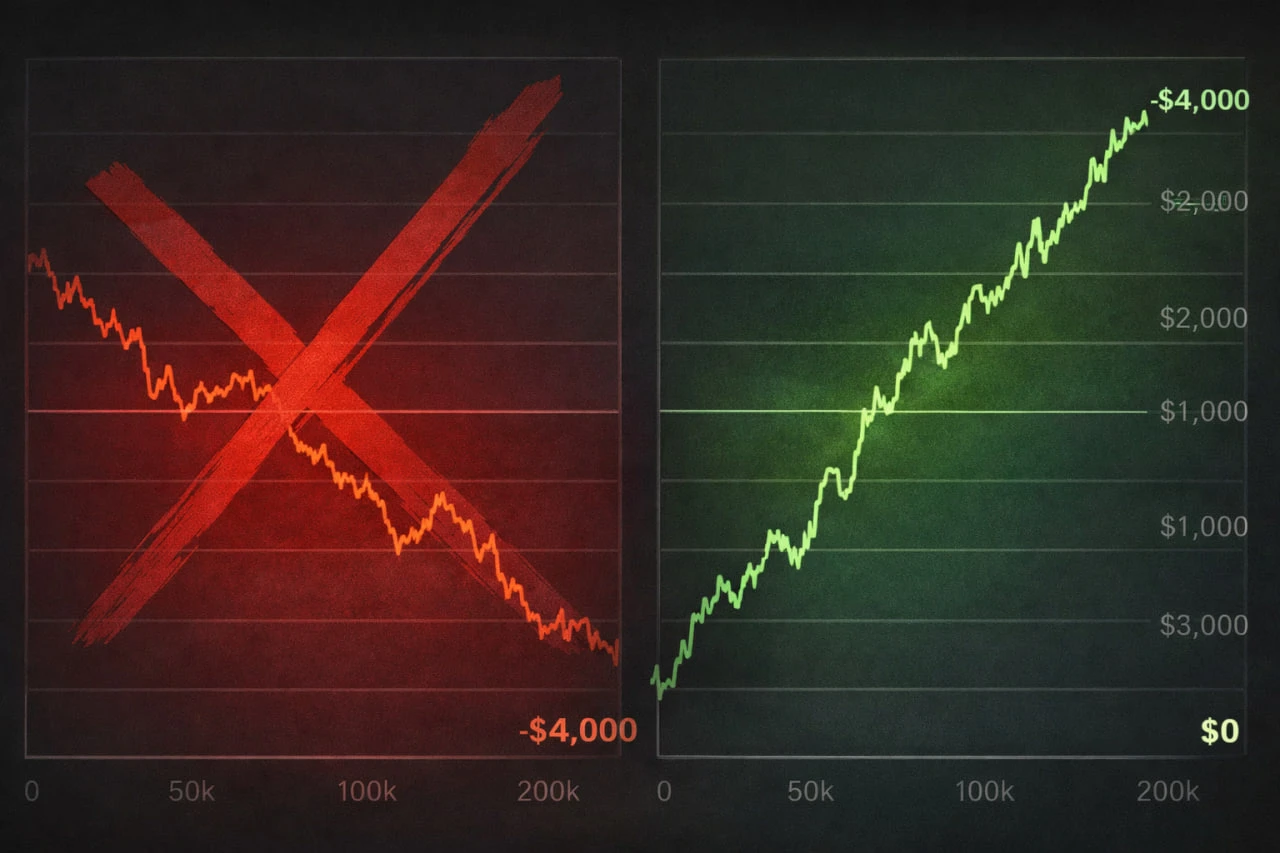
Many find it hard to accept the cyclical nature of poker. With family support, getting through a losing streak is easier
To combine poker and family, study the experience of Mary Somerville. An ordinary 18th-century Scottish housewife balanced children and self-education so successfully that she became the first female member of the Royal Astronomical Society. Mary independently studied Latin, Greek, and mathematics between raising 6 children, keeping house, and cooking. Somerville achieved success through skillful planning, determination, and the ability to switch quickly. She wasn't held back by 18th-century prejudices, modest starting conditions, or a lack of time.

Signs of burnout in poker and how to avoid the grind pit
To play successfully, set aside time to rest. Otherwise, poker burnout will set in. Emotional exhaustion and insomnia can break even the most motivated player in the world. Accumulated fatigue reduces productivity and triggers procrastination.
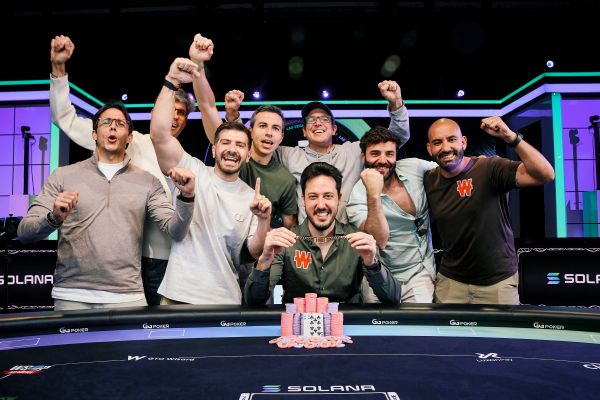
Behind victories and record-breaking prize money lie years of work on yourself
Recognising the danger will be helped by the symptoms of burnout:
Difficult start to the day. The player can't sit down at the computer and start a session. He sabotages his own plan, gets frustrated and loses motivation. Following the schedule requires the poker player to exert willpower. Burnout is often mistaken for laziness. The player can't handle the packed schedule and starts avoiding commitments.
Constant fatigue. About 40 minutes after starting the session, the poker player dreams of closing the tables and going to rest. He keeps playing, but shows mediocre form. Fatigue grows with every day, and the quality of decisions drops.
Autopilot. The player spends minimal effort thinking and performs template actions. He clicks quickly and barely thinks. Abandoning creative lines makes the poker player predictable.
Procrastination. The player puts off hand analysis or watching videos for later. His mind is dominated by the thought: “I'll sit longer tomorrow and make up for it.” Every day the burden of obligations for the future productive version of the poker player grows. Yet neither tomorrow nor next week does the player stop procrastinating.
Loss of motivation. After several months of intensive work, the poker player loses interest in the game. He fails to hit his tournament count target and feels relief. Dreams of winning the MILLION$ and a WSOP gold bracelet are forgotten. If a person worked selflessly and then abruptly stopped — it's often burnout.
Irritation. A sharp reaction to the very first lost pot points to emotional exhaustion. The player has accumulated too much anger and hasn't managed to reset his brain. Irritation often escalates into severe tilt and buries weeks of work.
If you've caught burnout from poker, take a break. Go on a mini-vacation, pay attention to family and friends, read a book. The main thing is to get poker out of your head. On the last day of your break, draw up a plan to fight burnout.

Sport, proper nutrition and other healthy habits increase psychological resilience
To solve the problem, you need to:
Fix your sleep. Give up gadgets before bed, don't drink coffee in the afternoon and keep the room cool.
Add sport. A change of activity will “clear” your mind and improve endurance.
Remove alcohol and fatty food. Over the long run, bad habits increase stress.
Work on your psychology. Read the works of Jared Tendler, study the principles of stoicism, try meditation and affirmations.
If self-directed efforts didn't yield results, consult a psychologist.
How to reach a professional level
The 10,000-hour figure is a nice benchmark. However, many players achieved success much sooner. For example, Shiina Okamoto took up poker in 2023 and immediately won one of the WSOP tournaments. By 2026, she has 2 bracelets and career winnings of $1,298,171 to her name. The Japanese poker player reached a high level of mastery thanks to a systematic approach. A few hours of quality study are more useful than weeks of chaotic self-education. Want to speed up the learning process — join FunFarm.

Many students of the school reach a professional level and leave their conventional jobs
We recommend beginners take the FF Start course. The programme introduces players to the fundamentals of poker: mathematics, opponent types, push/fold strategy. An exam will help confirm knowledge and skills. We accept graduates of the course into the advanced tier in the FF Player Path. Over 8 months of training, players break through the microstakes and reach a decent income level.
Free course · FF Start
Learn faster, play more deliberately
Get a clear workflow: theory, practice, hand reviews and fixing mistakes.