Professional VS amateur: key differences in poker thinking
How a poker professional thinks and why this changes results over the long run

Lera conducts interviews with players and coaches, provides commentary on events, hosts news broadcasts, and helps build dialogue between the players and the team. Lera's arsenal includes dozens of reviews, practical sessions, and training videos. More than 50 training sessions have been released on the fund's channels — from final-table reviews to advanced decision-making concepts.
At the same table, a professional and an amateur can look identical, but once you evaluate each one's results over the long run, you immediately see substantial differences.
The reason is simple: the professional acts systematically, while the amateur acts situationally. The difference shows up not in flashy victories, but in the details: how a player reacts to a mistake, how they structure their day, how they manage emotions, and how they study the craft of poker.
In this article, we'll break down which four fundamental mindsets set a professional player apart from an amateur, and why precisely these determine results over the long run.
The material will be useful for beginning players who want to build a sustainable development strategy, and for those considering a move up to a higher level of play.
In this article you'll learn:
How a professional treats mistakes and why this strengthens self-esteem
How a pro's discipline differs from rigid self-control
How emotions drive decisions and what changes when you work with your state
Why systematic learning works while chaotic learning doesn't
Which playing habits you can adopt right now to get closer to a professional level.

New breakdowns in your inbox
Subscribe to the FunFarm newsletter: fresh Poker ABC articles and material that helps you grow as a player.
Difference #1: Attitude toward mistakes

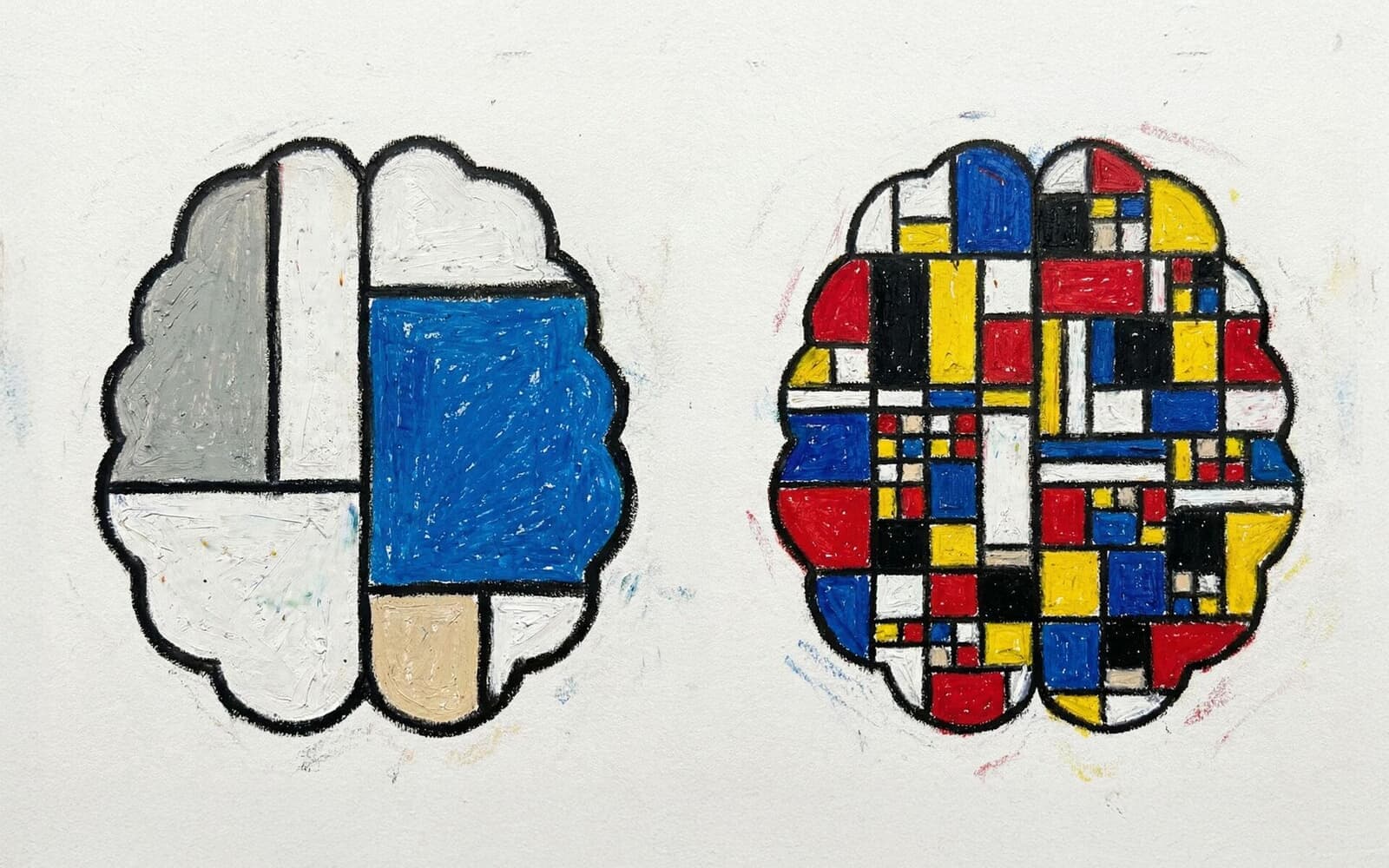
A mistake is a characteristic of an action, not of a personality. For success in poker, stable self-esteem is important. An amateur perceives a mistake as a threat to their self-image: "I played badly — so I'm a bad player."
This is classic fragile self-esteem — any deviation triggers tension, shame, and a desire to avoid analysis.
A professional has a different attitude. They view a mistake as working material: "I made an inaccuracy — so there's room for growth."
In this case, self-esteem rests not on a one-time result, but on the learning process. It doesn't collapse with every bad hand and doesn't soar with a lucky one.
This approach gives two mindsets — emotional resilience and the ability to adapt to the situation faster and improve playing skills.
Takeaway: a professional separates the action from their identity, which makes their game more stable over the long run.
Difference #2. Discipline as a system, not willpower
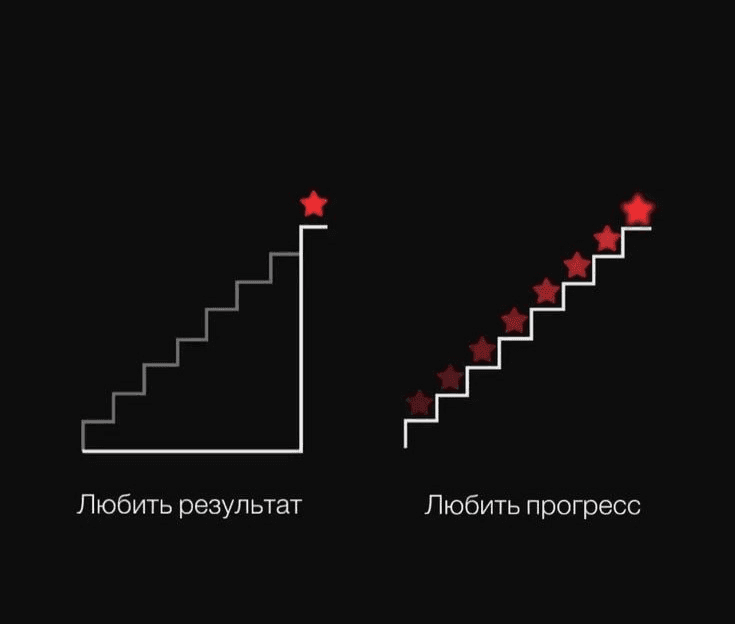
An amateur acts "by mood": today they're inspired — they sit down to play; tomorrow they're tired — they skip the session. Mood becomes the main factor in the result. The game becomes unpredictable, and progress unstable.
A professional builds a system in which the right actions happen automatically. This is influenced by a fixed start and finish time for the session, predetermined playing limits, a stable sleep schedule, and an alert, steady mental state and good health before the session.
An important point: discipline is not rigid willpower. If a system holds together only on "I have to," it breaks at the first overload.
Real discipline is an environment in which the right action is easier than the wrong one. Like brushing your teeth in the morning: you don't force yourself, you just do it.
Takeaway: a professional creates conditions that support stable play, rather than demanding perfection from themselves every day.
Learning at FunFarm, from any level
Difference #3. Working with emotions
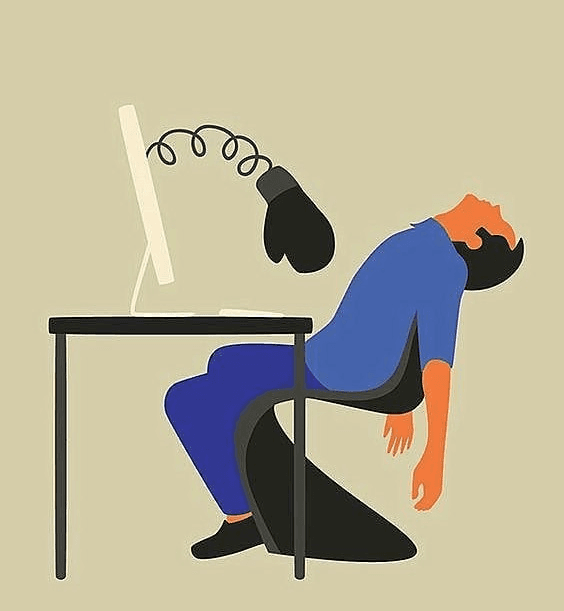
An amateur often doesn't notice the state they're in when they sit down to play. Fatigue, irritation, tension — all of this affects decisions more strongly than strategy. In that case, it's not reason but emotions playing at the table.
A professional understands that mental state is part of poker. They use simple but effective tools — breathing practices, short pauses to restore attention, a state checklist before entering the game, and the ability to track tension and reduce the load in time.
Working with emotions doesn't mean a player is always "calm and indifferent." It's about skills — noticing what's happening and regaining control over the decision.
Takeaway: everyone has emotions, but a professional knows how to work with them consciously.
Difference #4. Learning: chaos versus system
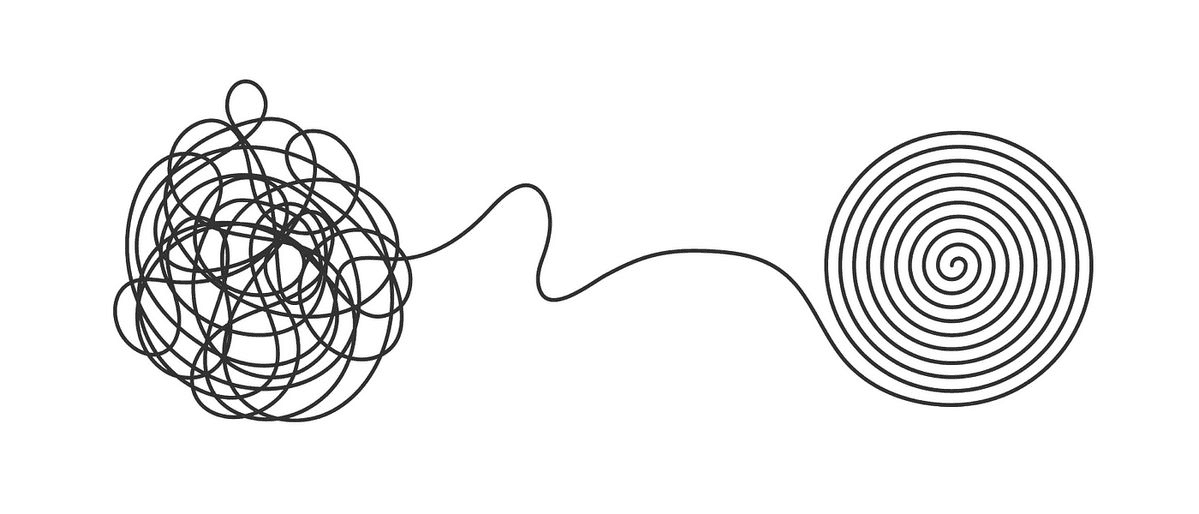
An amateur learns piecemeal — one YouTube video, a couple of articles on poker strategies, advice from other players, "I'll do at least something today, even without knowing what for," and so on.
It seems like they're moving forward, but the knowledge stays scattered. This creates the illusion of development but produces no tangible effect.
A professional builds a learning plan — which skills are a priority, which hands to analyze, which concept to reinforce, which courses or programs to complete.
In psychology this is called deliberate practice: not just playing more, but purposefully training weaknesses. After a session, a pro always knows what to improve and what's working well.
On our team, every player develops in a strictly professional way. You can learn how the learning system is built in FunFarm's Liga 2 and why it's effective in our Telegram channel. Follow the link to the post and keep up with the fund's news.
Takeaway: progress appears when learning is built into a system, rather than happening by chance.

Typical mistakes of beginning players
Let's pin down which stereotypes the wrong mindset is built on and what a beginning player should pay attention to in order to achieve high results in poker.
Expecting results without a system. They play a lot but don't analyze. The outcome — minimal progress.
Wrong assessment of mistakes. They turn a hand into a personal tragedy — motivation and confidence drop.
Ignoring their state. They sit down at the tables tired or irritated, thereby lowering the quality of their decisions.
Chaotic learning. They gather information piecemeal but don't study the specifics of their own game and don't build the necessary skills and habits.
Conclusion
A professional differs from an amateur not in talent or in the number of lucky hands. The main factor is the system: attitude toward mistakes, discipline, working with emotions, and the structure of learning. These four elements form the foundation on which confident and profitable play over the long run is built.
If you want to develop faster, it's important not only to learn new things but also to implement a structured approach — step by step, without pressure, but with an understanding of the goal.
If you want to build a systematic approach to the game, develop discipline, strengthen mental resilience, and learn from professional players — submit an application to FunFarm and start the path of development together with the team.
Free course · FF Start
Progress starts with a system
Learn how to practise, analyse your mistakes and stay focused at the table.
Frequently asked questions
Read next

A, B, C game: how to stop giving away blinds to your own inner monkey

Poker Without Burnout: How to Balance Playing with Work, Study and Family

A cooler in poker