Burnout in Poker: 7 Signs It's Time to Take a Break
What are the signs of burnout? How can you protect yourself from burnout? We explain in the article.

Tatiana develops mental support courses and leads a team of psychologists and mental coaches. Thanks to her attentiveness and professional approach, the school and fund have a mental care department that helps players maintain balance and stay resilient and motivated.
In 2019, the World Health Organization added burnout to its international classification of diseases. The problem is inextricably linked to work. Professional players face it too. Let's discuss the signs of burnout in poker, ways to fight it, and prevention.
Burnout: what it is and what the signs are
Burnout is a state of physical and mental exhaustion caused by stress. In most cases, the problem is caused by work.

Accumulated negative emotions and fatigue often develop into burnout
Early morning wake-ups, commuting on public transport, dealing with unpleasant people, routine professional duties — a perfect breeding ground for the disease. As a result, a person switches to "autopilot" mode: we put in our 8–9 hours a day, return home, and tomorrow — we repeat. In the background, an aversion to work and an eternal feeling of fatigue set in.
Many newcomers see poker as a chance to break out of the routine and start a new life. They're drawn by: a flexible schedule, high income, and the ability to play from anywhere in the world. At first, poker's contrast with an ordinary job is inspiring. Over time, players run into the same problem in a different wrapper. A multi-hour tournament session is hardly better than a classic workday. And a frustrating tournament exit due to a cooler hits even harder than a conversation with a dissatisfied client or boss.
Let's break down the signs of burnout in poker in more detail.
Trouble starting the day
Many professional players often can't get up on time. Instead of an energetic wake-up, breakfast, and analyzing yesterday's play, they lie in bed for hours "glued" to their phone. Mentally, poker players understand that there's no point in wasting time on TikTok or YouTube, but they don't move on to useful activities right away. Sometimes laziness is to blame, but far more often it points to burnout. The player is tired of grinding, so they avoid daily commitments. To start the day, they engage willpower and force themselves through. You can't show results on sheer moral and willpower for long.
Constant fatigue
Quick exhaustion is one of the main signs of burnout. A classic example: a poker player started a session, and 30 minutes later they already barely understand what to do and want to close the tables as soon as possible. While a cash player can take a break at any moment and rest, tournaments don't offer that option. Fatigue also doesn't disappear when reviewing hands in software or studying with a coach. As a result, the player doesn't show their maximum either at the tables or in training. Giving up poker for a few days doesn't always work either.
Playing on autopilot
Autopilot simplifies a person's life. It frees you from routine actions. If a person had to recall every time how to tie their shoelaces or brush their teeth, there would be no energy left for more complex actions. Poker is an intellectual game with a huge number of unique situations. Template thinking gets in the way of making the best decisions and makes a player predictable to opponents. Deviating from standards is useful, but burnout deprives a player of this option.
Procrastination
Most poker players know about the long run and understand the importance of systematic work. Professionals draw up sensible plans with a reasonable proportion of theory and practice. At the start of the week or month, a player sets a target for the number of tournaments. However, when it comes time to act, the poker player reads news on Telegram, watches movies, sits at a bar. Sometimes they push today's commitments off until tomorrow.
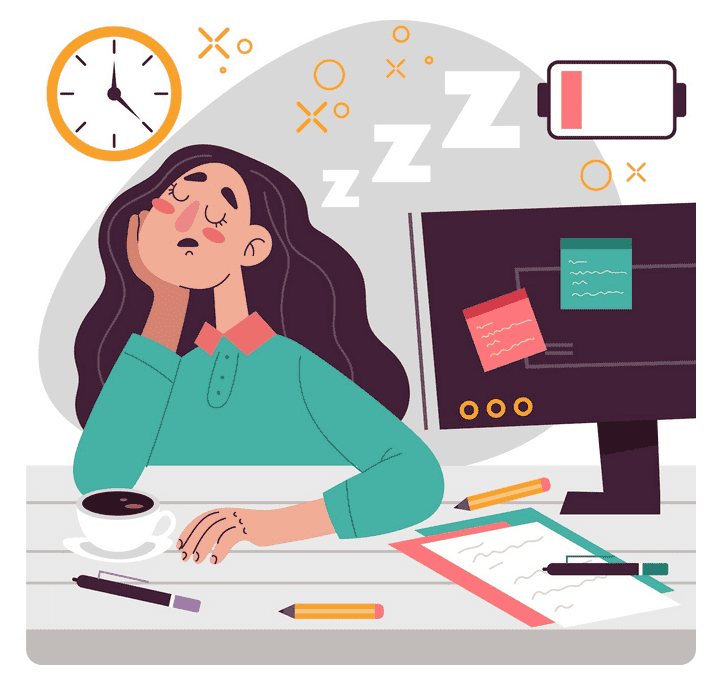
Procrastination often points to burnout, not laziness
Over time, the decision to put things off until later becomes a habit.
Loss of motivation
Poker and losses go hand in hand. Even the best masters lose most of their hands. It's hard to stay calm when you make the right decision but exit a tournament because of an unlucky river. A few unlucky rivers in a row throw you off balance. A few unlucky weeks kill your self-confidence and destroy your motivation. Why start a session if defeat looms ahead? Gradually the player loses faith and stops moving forward. The emotional pit from losses leads to burnout in poker.
Irritation
Burnout is also indicated by increased irritability. If a player flies into a rage after the first lost "coinflip," the situation can't be called good. Anger blocks the ability to think clearly. As a result, the poker player makes bad decisions and loses money. Accumulated negative emotions become the player's constant companion during a session. If in a normal state a person went on tilt after 5–6 coolers, then the weight of negativity will lead them into an emotional abyss after a single loss.
Distraction
To win tournaments, you need to maintain concentration for hours. Not every player in optimal form is capable of staying focused for so long. Let alone a person with burnout. Constant fatigue, playing on autopilot, accumulated anger — leave no chance to track all the details of a hand and make thoughtful decisions.
Attention also drops away from the tables. Distraction is visible when analyzing hands and communicating with a coach. Recall the situation when you reread a paragraph of a book several times, but because of stray thoughts its meaning keeps slipping away. Burnout complicates the perception of all aspects of life.
Prevention
The best way to solve the problem is prevention. Any disease is easier to cure at an early stage, and burnout is no exception. We recommend: establishing a sleep routine, adding sports to your schedule, removing bad habits, and systematically building psychological resilience. Let's discuss each option in more detail.
Sleep routine
Burnout often causes insomnia. Sometimes the sleep problem takes a different form: a person sleeps a normal 8–9 hours but goes to bed much later than planned.

Shawn Stevenson's book "Sleep Smarter" offers more practical advice
If your schedule has already suffered, try to correct it. There's a good chance a stable sleep routine will relieve background fatigue, make it easier to get up in the morning, and reduce irritability. The following may help:
Giving up electronic devices a couple of hours before sleep. It's hard to fight the habit of watching series or YouTube before bed, but the blue screen stimulates the nervous system and reduces the production of the sleep hormone. Read a paper book, tidy up the house, or talk with your partner.
Giving up coffee. Caffeine energizes and lets you play longer, but the effect of one cup of coffee lasts up to 8–10 hours. We get caught in a vicious circle: we didn't get enough sleep — we stimulate ourselves with coffee — we can't fall asleep because of the caffeine. If you can't do without coffee, drink it a few hours before the start of a session.
Eliminating light sources in the bedroom. Scientific studies have proven that even minimal lighting reduces sleep quality. An electronic clock, a light switch, a voltage stabilizer — the tiniest detail can ruin the situation.
Coolness in the room. Air out the bedroom before sleep. It's harder to fall asleep in a hot and stuffy room than in coolness.
Sports
A tough poker session drains the mind. The body, however, poker players barely use during play. Sports will help balance things out. Physical activity will cause a pleasant tiredness and help you fall asleep faster. Recall a day from vacation when you walked a lot. After 20,000–30,000 steps, sleep came on its own. If you don't like working with weights — sign up for stretching, swimming, or yoga. Group classes will give an additional effect through interaction with other people. Conversations will tire an introvert no less than an intense workout.
Sports will also bring benefits at the tables. Physical exercise increases endurance. During a grueling session, a player maintains concentration longer. A hidden effect of going to the gym: it provides a respite from poker and thoughts about it. When you lift weights, dance bachata, or do the splits — memories of a bad session fade into the background.
Giving up bad habits
A bottle of beer after a hard day is a popular way to relieve tension. However, regular alcohol consumption won't benefit either the player's body or their career. Giving up alcohol improves sleep quality and increases concentration. The ability to memorize information also grows.
To set out on the path of sobriety, get rid of the alcohol in your home. Discuss the decision with friends and ask for help. In a difficult moment, they'll keep you from resetting your progress. Replace trips to bars with sober alternatives, like the gym. Ordinary walks will also work. Saving money is an additional plus of giving up alcohol.
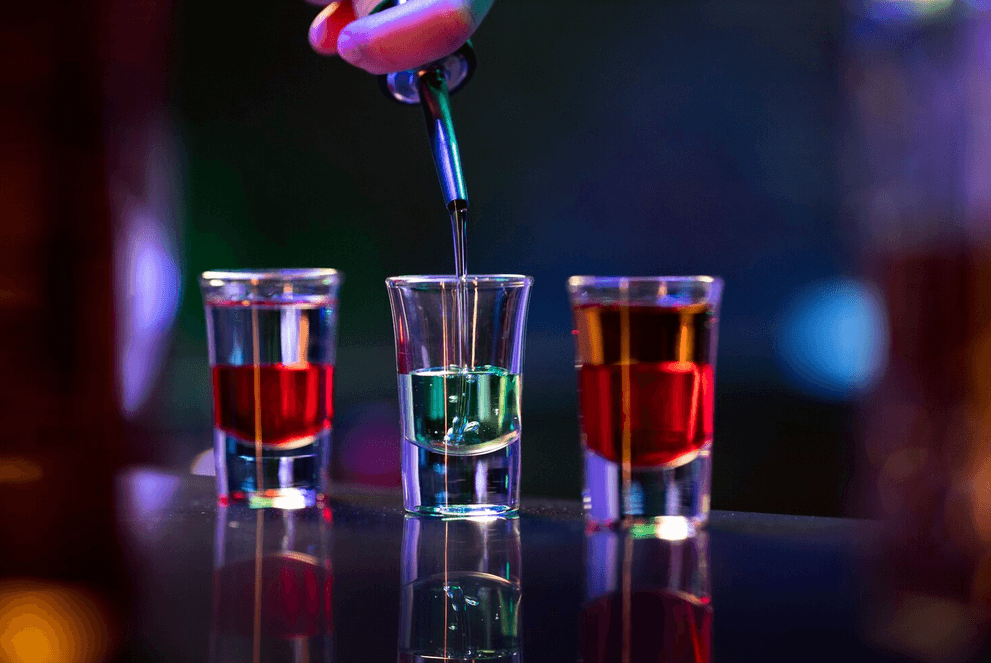
Over the long run, alcohol does more harm than good
Fatty food is another method of fighting burnout. Eating a burger or pizza after a lousy session is a popular solution. But there's a big danger that a player will start "eating away" stress regularly. Junk food disrupts metabolism, leads to obesity, and the development of many diseases. Diabetes is not the best ally in the battle against burnout. To preserve physical and mental health, eat more vegetables and fruits. Don't go to extremes with exotic diets — minimal dietary discipline is enough. A good way to keep the situation under control is to cook for yourself.
Working on psychology
Overcoming burnout will be helped by systematic work on your psychological state and finding balance. Among poker players, Jared Tendler's books "The Mental Game of Poker" and "The Mental Game of Poker 2" have proven themselves better than others. The first volume offers step-by-step instructions for solving problems with tilt, motivation, concentration, and autopilot. In the second book, Jared teaches you to achieve maximum effectiveness and maintain that state. If you keep a journal and follow the author's other advice, burnout will gradually capitulate.
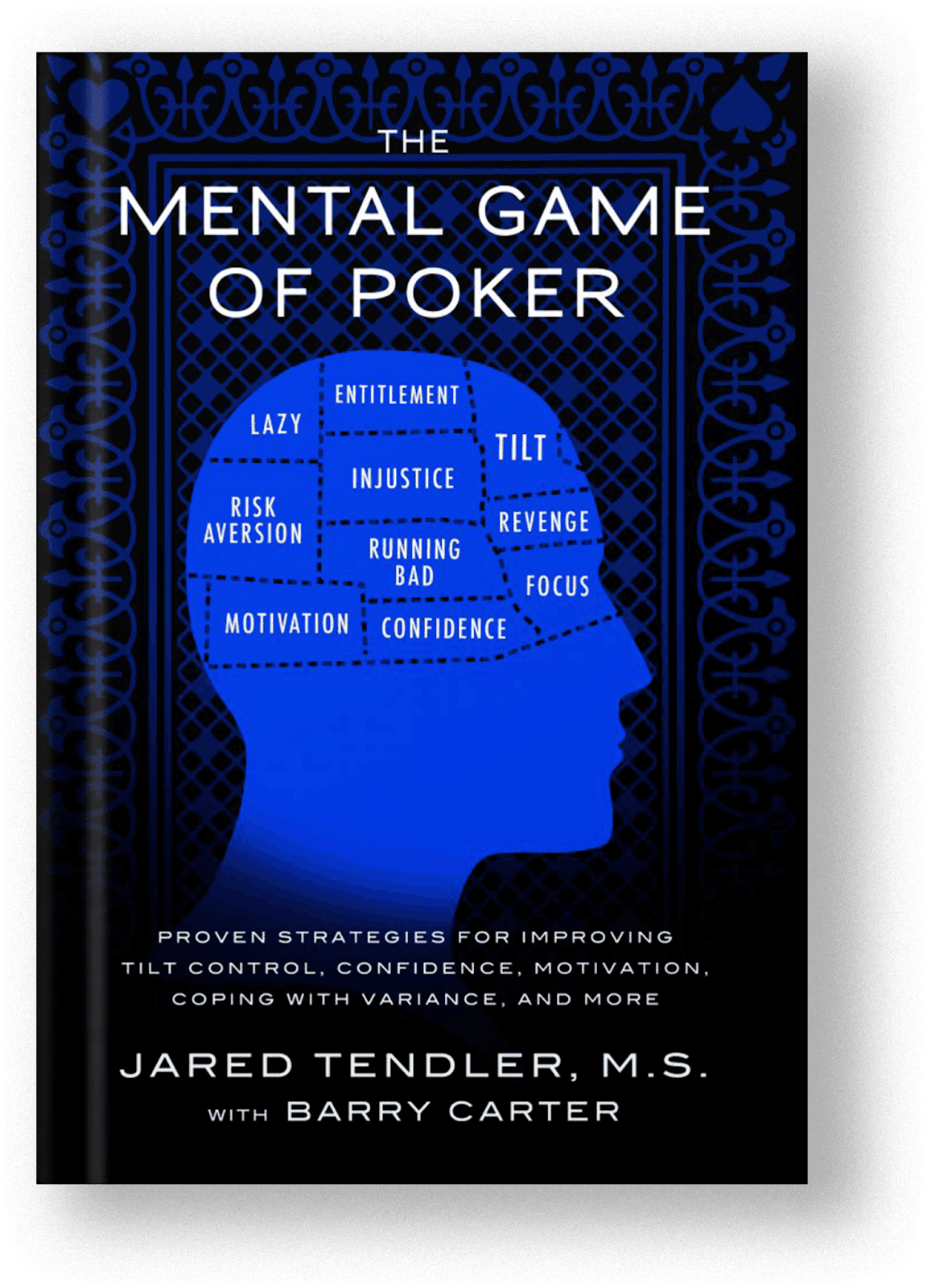
Tendler's works have helped thousands of players around the world
The classic works of philosophers will also be useful. After the ideas of Seneca and Marcus Aurelius, losses at the tables will become not a tragedy but a stepping stone to future triumphs. In a more modern form, the ideas of stoicism are revealed by William Irvine in "A Guide to the Good Life."
Try other techniques too. Many poker players recommend meditation and positive affirmation. Breathing exercises won't give an instant effect, but they will reduce the intensity of negative emotions. Meditation will restore the ability to "awaken" the mind and protect against decisions made on "autopilot." Players often avoid poker out of fear of defeat. Meaningful affirmations reduce tension and teach you to perceive losses less painfully.
If you couldn't get rid of burnout on your own, see a psychologist. A qualified specialist will analyze the roots of the problem and give applied recommendations for solving it. FunFarm also has a team of psychologists. The mental care department offers a wide range of tools: group sessions, ready-made psychology courses, regular check-ups for players, individual sessions with a mental coach. A big advantage of the school's psychologists — they play poker and understand it.
Free course · FF Start
Don't let emotions decide your results
Deal with tilt and the habits that hold back your progress in poker.
Frequently asked questions
Read next

A, B, C game: how to stop giving away blinds to your own inner monkey
Poker Without Burnout: How to Balance Playing with Work, Study and Family

A cooler in poker