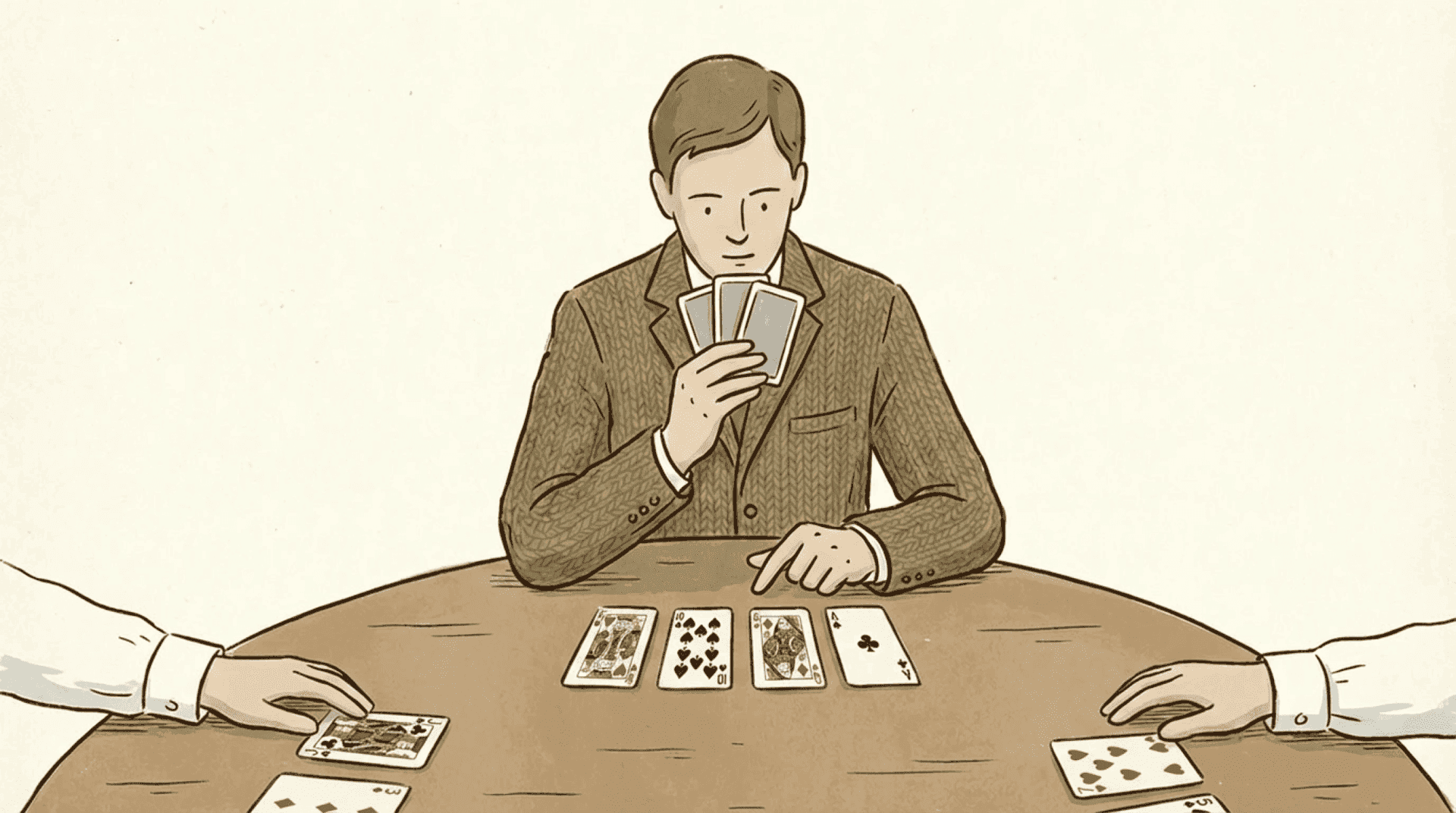
Poker types
Seven Card Stud (7 Card Stud): Poker Without Community Cards
What is Seven Card Stud? How does a hand play out in Seven Card Stud? We explain in this article.
Ilya Melnikov ·

To turn theory into the skill of winning — come learn at FunFarm.
What is Seven Card Stud? How does a hand play out in Seven Card Stud? We explain in this article.
A 4-bet is the action that brings players in poker to the most expensive hands. The pot suddenly becomes large, ranges become narrow, and the cost of a mistake is noticeably higher.

Progress in poker is impossible without constant work. Most often it looks different: you study concepts, review mistakes, agree with the conclusions, do this regularly — and that's how you become a professional at your craft.
Poker is often romanticized: the main thing is supposedly to know how to bluff, make slick moves, and take down pots on sheer guts. But if you look at the graphs of poker professionals, it becomes clear — money in poker is earned not through expensive, complicated bluffs, but through methodical, mathematically justified decisions.
The donk bet has a bad reputation. In the poker community, this play was for a long time considered a sign of weak play — a bet without initiative, against the aggressor, looked impulsive and devoid of logic.

Check-raise is one of the most controversial plays in poker. To some, it looks like a sign of strength and confidence; to others, it's a dangerous trap that you can easily set for yourself. And the truth is, a check-raise can be both.
The 3-bet is one of the most important elements of modern poker strategy. A player who understands how and why to use it gains an edge in hands — taking down pots before the flop, controlling the structure of the game, and increasing their expected value.
Modern online poker offers a wide choice of games, disciplines, and formats. Players have access to Hold'em, Omaha, Chinese poker, and Short Deck. Some platforms offer the chance to play Badugi and Stud. Among the disciplines there's less variety: most of the audience prefers cash and tournaments. The latter also include Spin&Go. Let's discuss them in more detail.
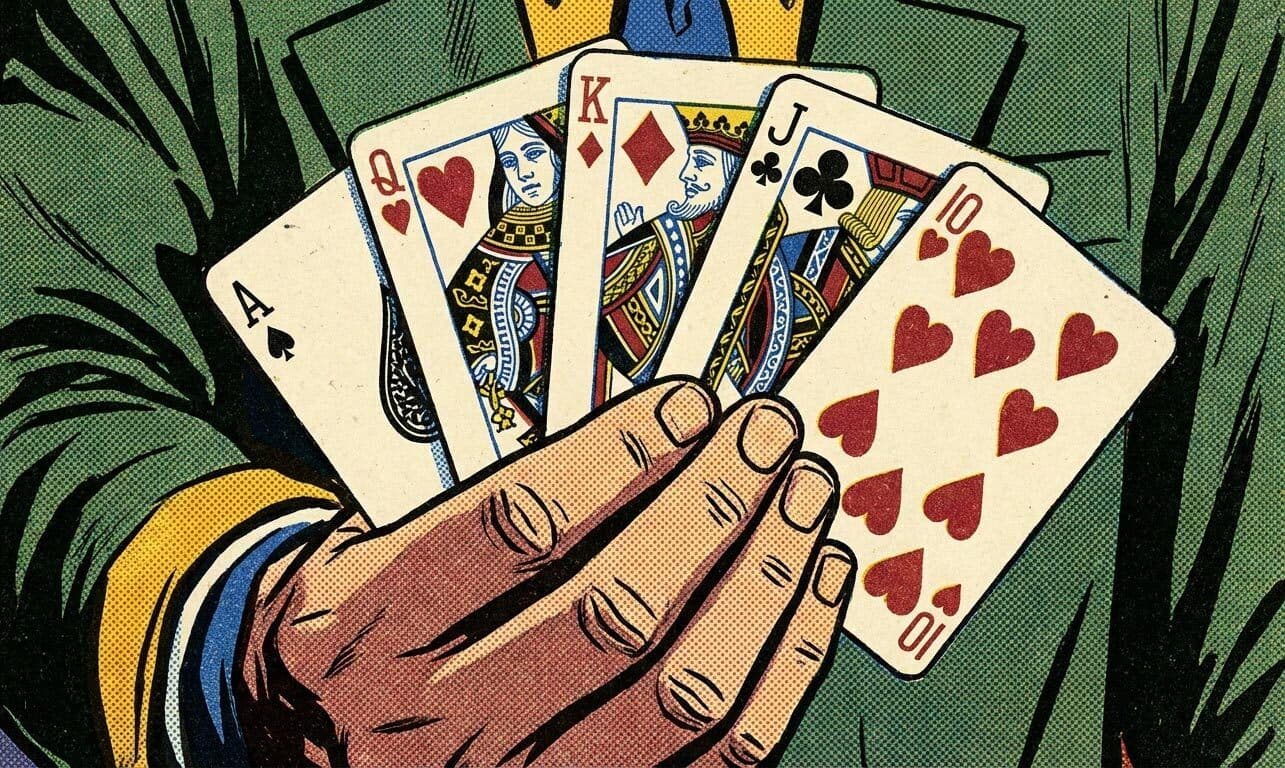
Poker is an umbrella term for various card games. It brings together Hold'em, Omaha, Stud, Razz, Badugi, Short Deck, and other game variations. Each of them has spawned its own offshoots. The brightest example is Omaha, with its Pot-Limit, five-card, six-card, and Hi-Lo versions. Draw poker is also included among them. Let's discuss the rules of the game from the Westerns.

Professional poker isn't just about strategy, mathematical calculations, and analyzing hands. It's also the ability to manage your mental state.
In No-Limit Texas Hold'em, there are situations where two or more players make equally strong combinations. In such cases, no one wins the entire pot — it's split between the participants. This is called a split pot.
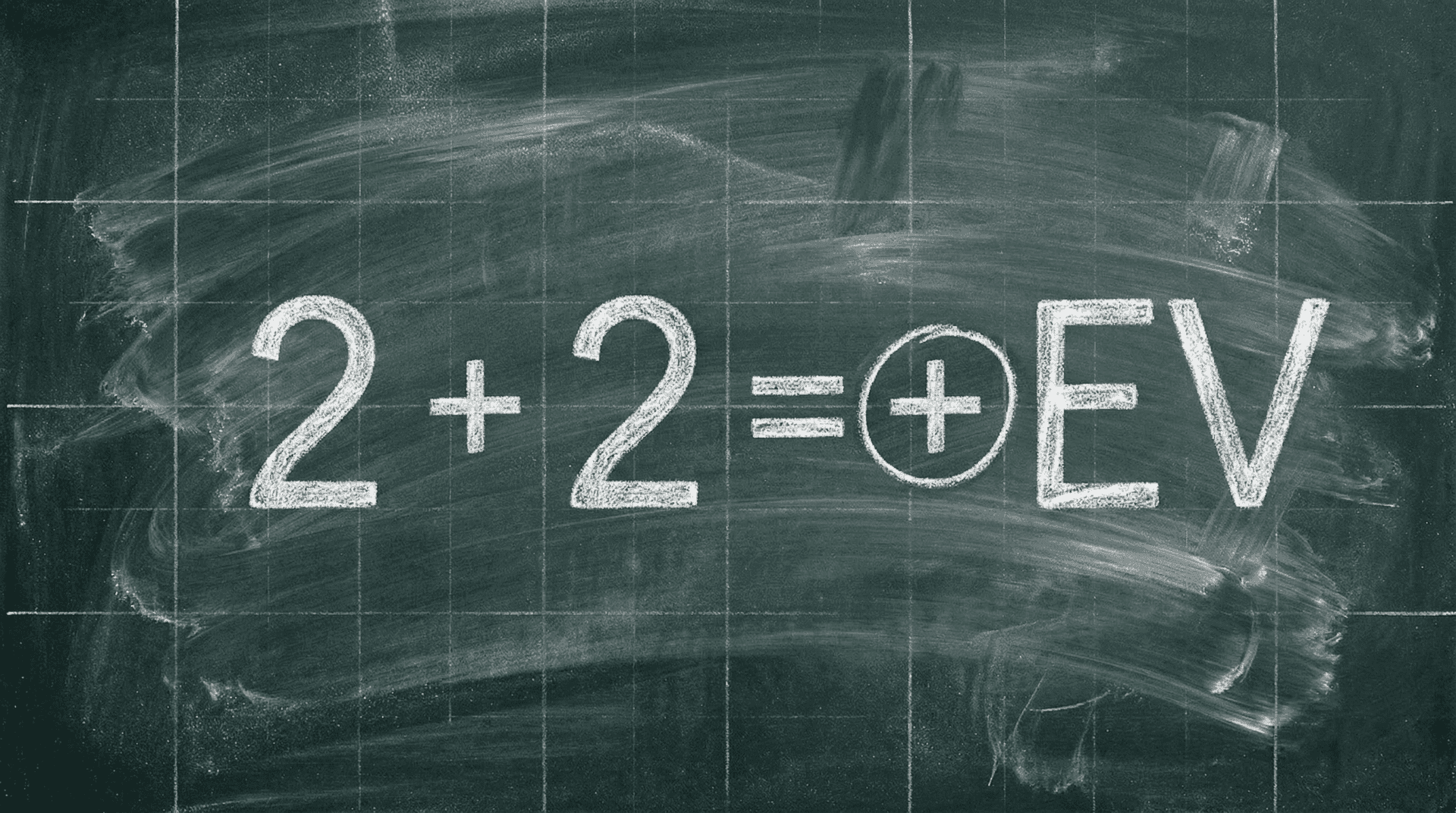
Every successful poker player knows what outs and pot odds are. It's an important tool in their arsenal: professionals' decisions are always based on mathematical calculation, which allows them to win consistently over the long run. To those who haven't dealt with poker math before, it may seem complicated, but in reality it's simpler than it looks. In this article, we'll show you how to calculate pot odds in a few seconds and introduce you to the basic principles of poker math.
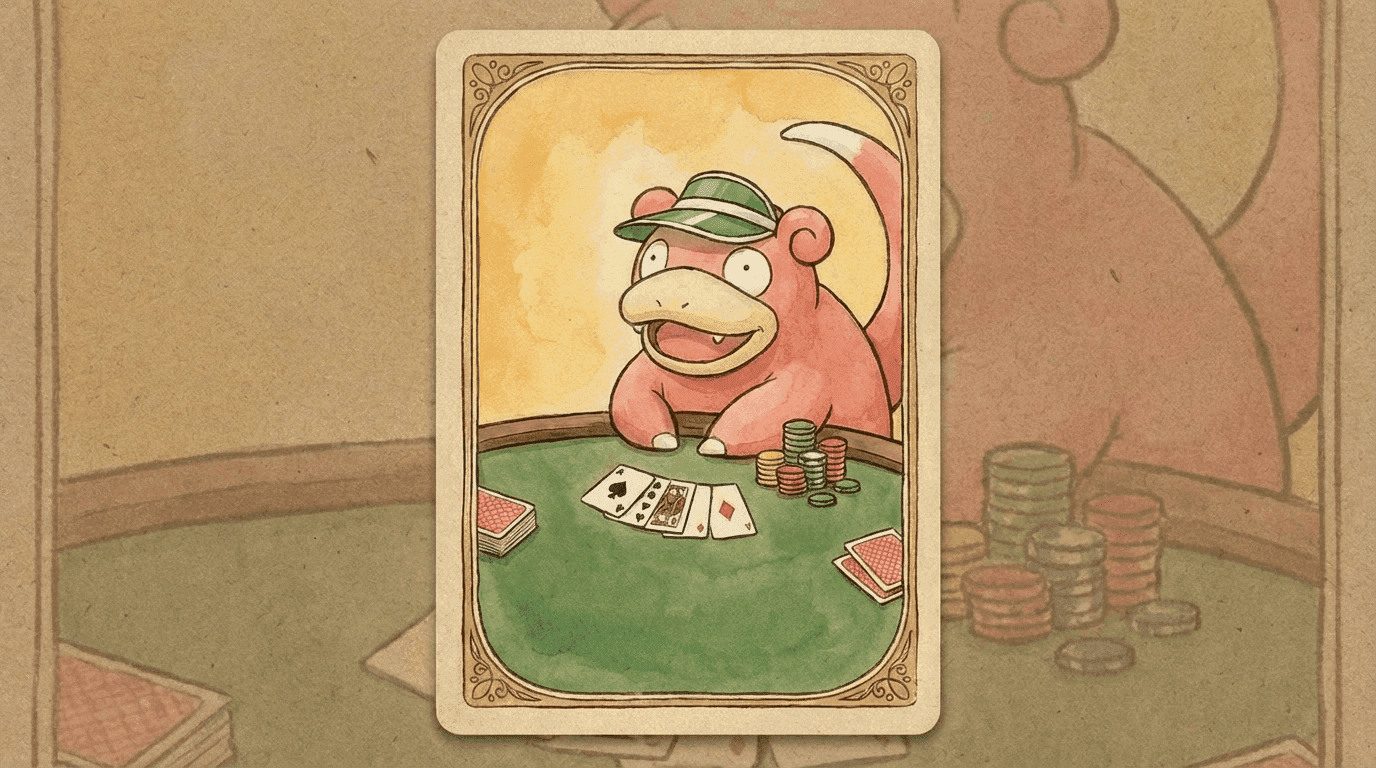
A strong hand in poker is no guarantee of victory. What matters isn't just the cards you're holding, but exactly how you play them. One technique that can help you win is the slowplay: deliberately passive play with a very strong hand.
If you remove antes and blinds from poker, the game quickly turns into an endless exchange of checks — everyone would just wait for perfect cards and never put chips in voluntarily.
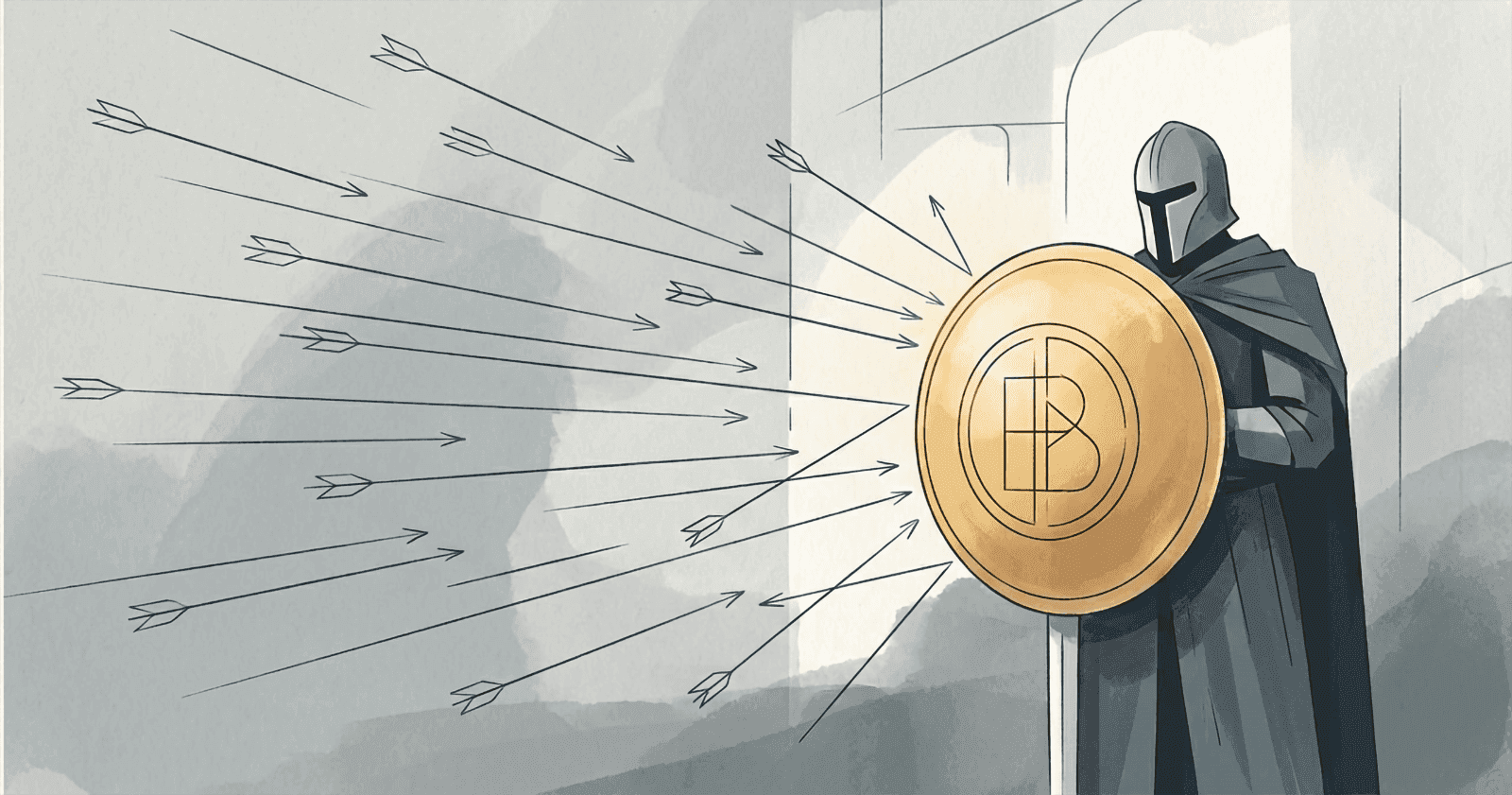
In poker tournaments, the size of the forced bets — that is, the blinds — keeps increasing. Meanwhile, opponents regularly try to steal them with a raise from late position. If you don't defend your blinds, your stack will start shrinking even without being involved in any big hands.
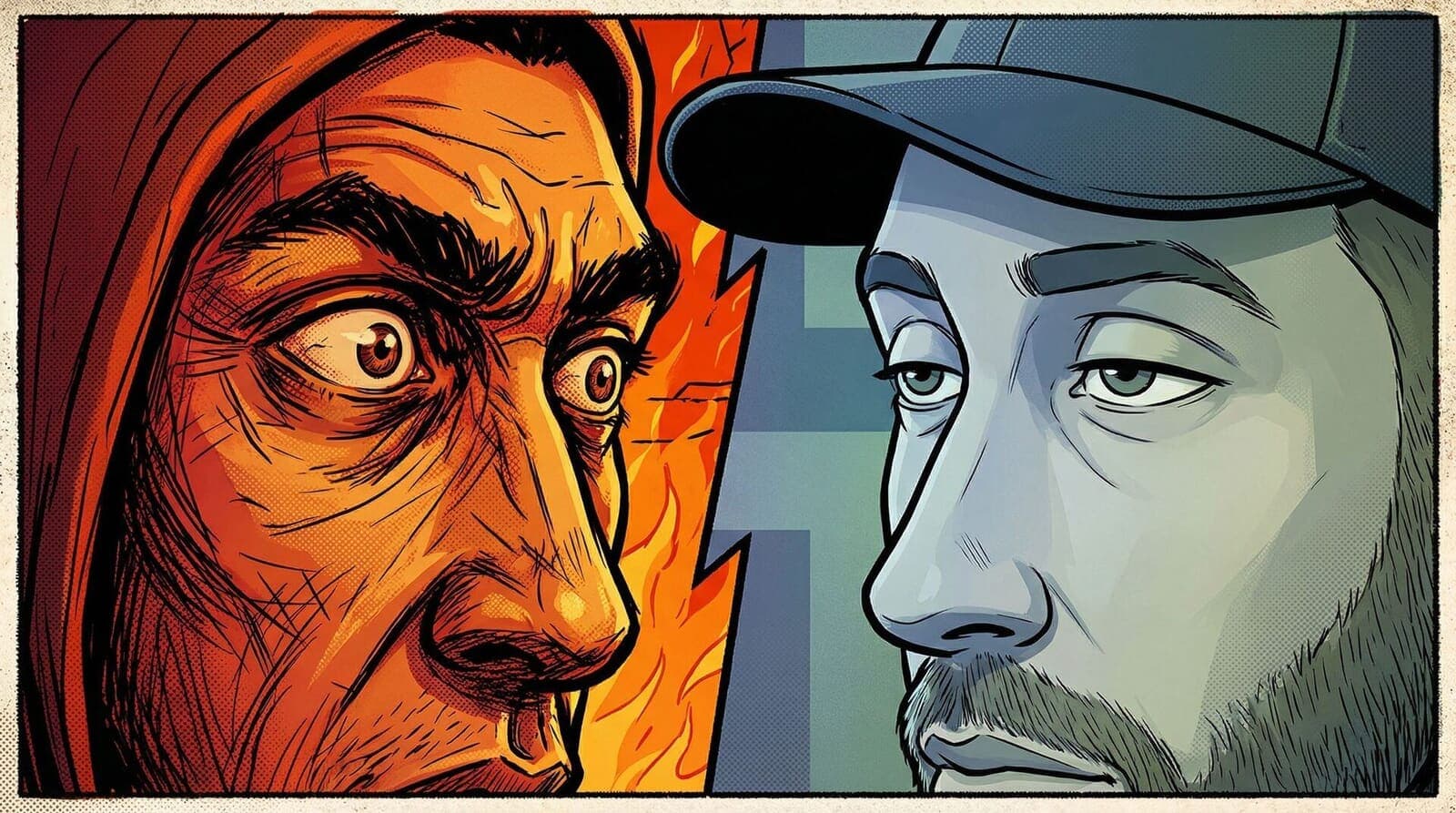
Why Playing Without Bluffing Is a Bad Strategy