Blackjack Rules: Basic Strategy and How to Count Cards
The first games of chance were invented in Ancient Egypt 5,500 years ago. Millennia of gambling evolution shaped the modern casino. Gambling venues offer dozens of games of chance: roulette, slots, baccarat, craps, keno, poker. Blackjack holds a special place among them. Let's discuss basic blackjack strategy.
Ilya is a Liga 2 player with six years of experience in online MTTs. He graduated from the Faculty of Journalism at RSUH and writes about poker for beginners, explaining complex things in simple, clear language. In his texts, Ilya combines his personal playing experience with his professional journalism skills to help newcomers confidently get into the game.
How to play blackjack
Blackjack owes its great popularity to its simple rules. To play it, you just need to memorize the value of the cards and watch a couple of hands.
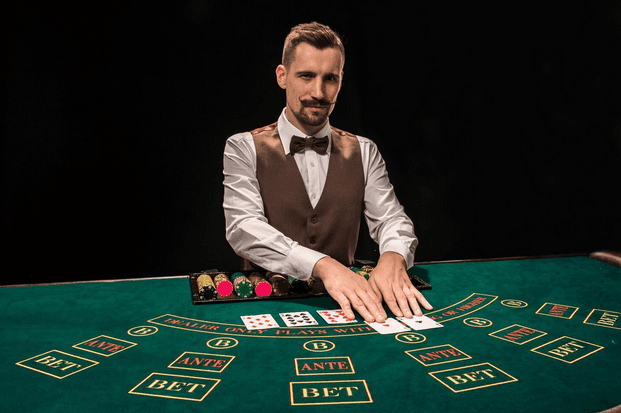
The casino's representative in blackjack is called the “dealer” or “croupier,” the player is called the “guest,” and the positions at the table are called “boxes.”
Here's how a hand in blackjack plays out:
Before receiving cards, the player makes a bet. In a casino, the minimum and maximum amounts are set by the placard at a specific table. Online, the limits are shown in the lobby.
The dealer deals 2 cards each: to the player and to themselves. The guest's card values are no secret — everyone can see them. One of the dealer's cards is face down, the other face up.
If the player believes they've collected enough points, they don't take additional cards. Then the dealer turns over the face-down card and either stops or draws a new card. If the player isn't satisfied with the number of points, they ask for an additional card.
The dealer compares the number of points and pays out the money.
The main goal of the game is to beat the casino's representative. You can win at blackjack in two ways:
Beat the croupier on points. For example, we collected 20 points, the dealer — 19. The win went to us.
Catch the opponent busting. If a participant in the hand collects more than 21 points, they automatically lose. This is one of the key rules of blackjack.
To play successfully, let's break down the key aspects of the card game. First, let's look at blackjack combinations and the points system.
Combinations. The number of points is determined by the card's value. The rules of blackjack equalize the “face cards” from jack to king. Each one is worth 10 points. Number cards aren't difficult either. Their point value matches their face value. Draw a two — the player gets 2 points, a five — 5 points, a seven — 7 points. A special role is assigned to the ace. It's worth 1 point or 11 points. The exact number is determined by the player themselves. During the hand, the croupier announces two point totals. For example, a participant in the hand was dealt A4. As a result, they have either 11+4 = 15 points, or 1+4 = 5 points.
Card value | Number of points |
2 | 2 |
3 | 3 |
4 | 4 |
5 | 5 |
6 | 6 |
7 | 7 |
8 | 8 |
9 | 9 |
T | 10 |
J, Q, K | 10 |
A | 1 or 11 |
Calculating winnings. If the player collects 21 points with their two starting cards, they have a “blackjack.” This combination pays an increased reward. A 3:2 ratio is used. For example, a guest bet $100 and caught AJ. The casino will return their $100 and add $150 on top. A win without blackjack doubles the bet: you risked $50, got it back, and the dealer paid out another $50. If the guest loses, the casino takes the money. The way of winning doesn't matter: the guest doesn't have to pay the increased amount if the dealer makes a blackjack. In the event of a tie on points, the player's bet is returned.
Additional actions. During a hand, the player can:
Make a split. If the guest is dealt a pocket pair, they can play two hands in parallel. To buy this right, they need to put down another starting bet. A pair of AA creates a special situation. When splitting aces, the player can only draw one more card each.
Double the bet. When the guest has received their starting cards, they can increase the amount at stake. The bet is doubled in a situation where the starting hand gives 10 or 11 points. If the player uses this option, they'll only be able to receive one additional card.
Exit the hand. For half the starting bet, you can leave the hand. Usually players leave a hand when catching the needed card is difficult and the croupier has good chances of winning. For example, the player got 15 or 16 points, while the dealer already has 9 or 10 points.
Take insurance. If the croupier shows an ace face up, the guest is given the chance to insure. The action costs half the starting bet. If the second card gives the dealer a blackjack, the insurance amount is doubled. As a result, it compensates for the loss of the first bet. There's also the case where the player took insurance but the dealer didn't make a blackjack. Then the opponents continue the hand, but the insurance money isn't returned.
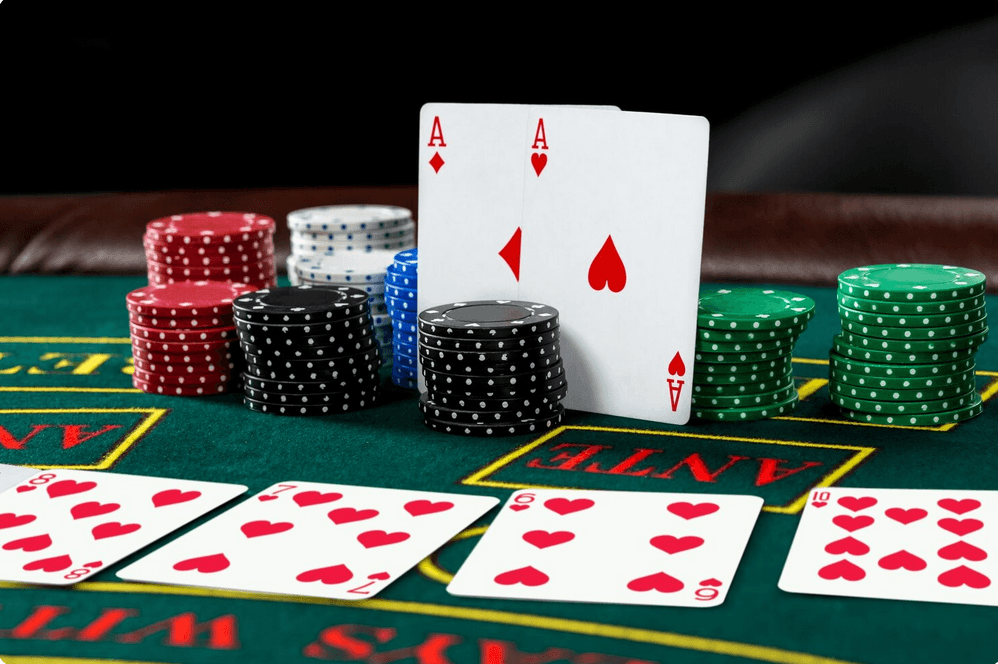
Suits don't affect the number of points
Investing money in insurance is not recommended. Over the long run, the action leads to losses.
Let's list the rest of the blackjack rules:
The game is played on a table with special markings.
Up to 6 people play simultaneously at one table.
Guests are forbidden to touch their cards.
There are different variations of blackjack. That's why the rules of the game can differ.
How to win at blackjack
To win at blackjack, several conditions must coincide:
the player knows the strategy perfectly and is able to count cards;
the dealer uses the minimum number of decks.
Basic blackjack strategy means following a table of outcomes. In simplified form, it can be reduced to the rule: “If the player has X points and the dealer has Y, then they should take action Z.” For example, when the guest has 8 points and the croupier has 10, they take an additional card. The optimal decisions for blackjack were calculated long ago and compiled into a table.
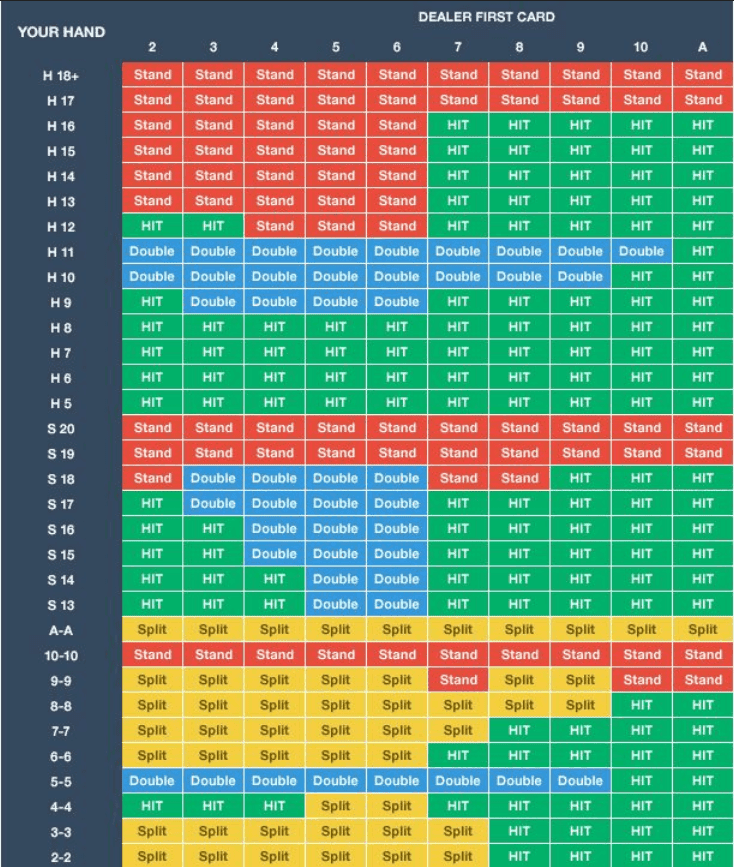
Hit — take an additional card. Stand — stop. Double — double the bet. Split — split the hand and play two hands in parallel.
Top players know the blackjack table by heart. You can also easily find an online calculator for blackjack. The user enters their hand and the dealer's cards, and the program suggests the best action. Advanced calculators also take into account the number of other guests at the table.
The ability to count cards also affects results. Knowledge of the basic principles and practice allow you to master the skill. Cosmic IQ or telepathy — not needed. The essence of the method is as follows:
The player participates in hands and memorizes the cards that have been used.
Gradually, the proportion of cards in the deck changes. As a result, the chances of winning rise or fall. For example, in previous hands small cards were dealt regularly, so more high cards are left in the deck. The more of them there are, the higher the probability of success in the next hands.
The guest continues to play with increased chances of winning, or leaves the table.
There are different ways to count cards. They all work on the same principle. More complex systems offer increased accuracy. Let's break down 2 methods:
Plus-minus. We divide the cards into 3 groups. The first includes cards from twos to fives. They give +1 point. The second includes cards from sixes to nines. They're assigned 0 points. For cards from T to A we subtract 1 point each. Before the start of the game, the sum of points equals zero. The higher the number of points, the more advantageous it is to play.
Halves. The logic is the same, but the counts are more accurate thanks to fractional numbers. A two gives 0 points, a three and a four — 1, a five — 1.5, a six — 1, a seven — 0.5, an eight — 0. When a nine comes out we subtract 0.5 points. For cards from T to A we subtract 1 point each from the deck total.
Casinos don't welcome capable players. If the establishment realizes that a guest is counting cards, they'll be banned from playing and put on a blacklist. Most companies in the gambling industry cooperate with each other, so the client won't be let near blackjack tables at other casinos either. The blacklist isn't the only problem for players. Many casinos load up to 6 decks into shuffle machines. The counting skill works with a small number of cards. An increase in the number of decks reduces the usefulness of the method.
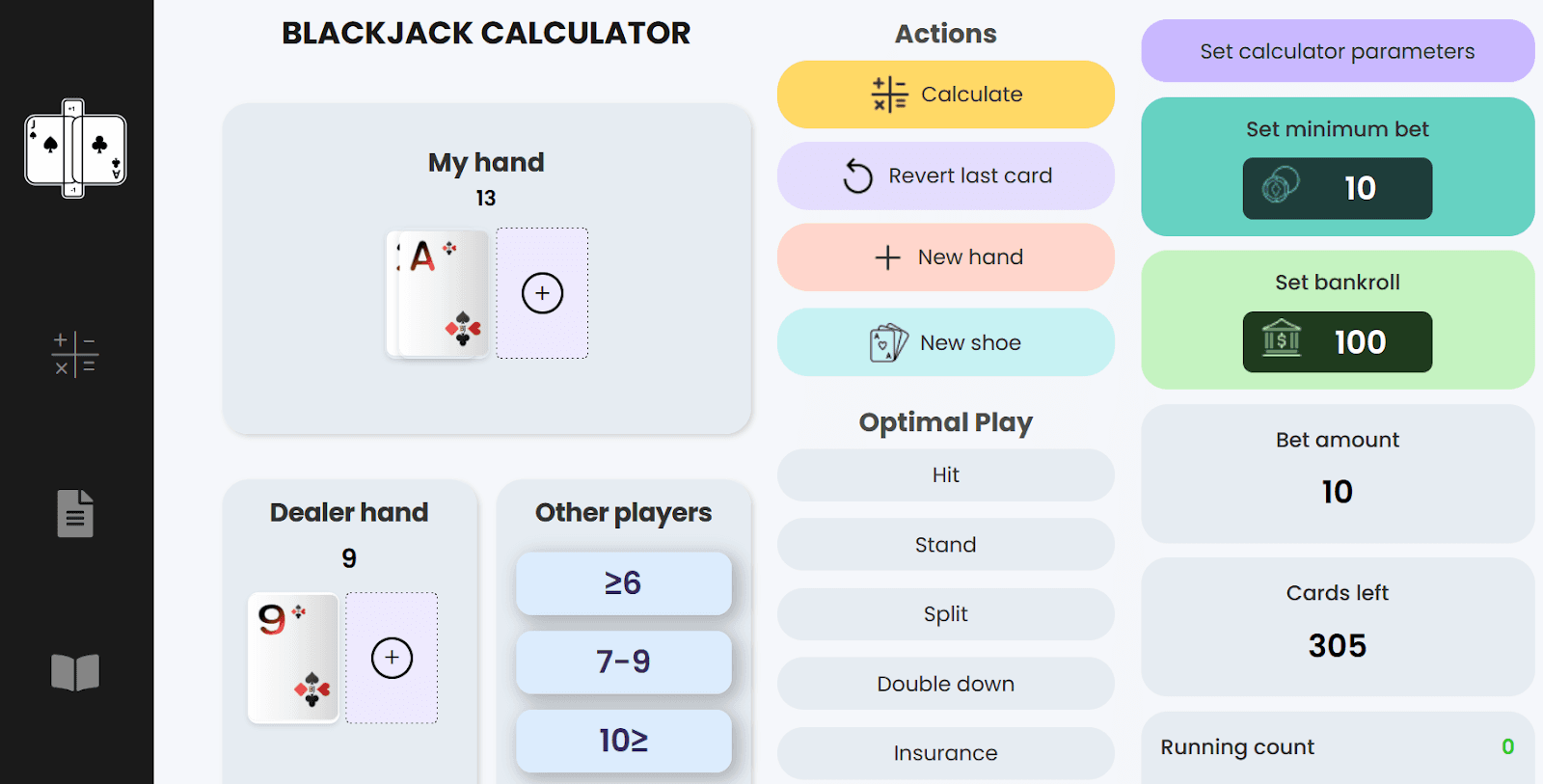
An online calculator will let you hone your decisions by the Blackjack table
Knowledge of the key mistakes will also improve your chances in the confrontation with the casino. At the blackjack table you shouldn't:
Bet on intuition. Instead of well-founded decisions, many players listen to their “gut feeling.” Abandoning the math increases losses. Some guests take additional cards too boldly, others are overly cautious and stop too early. The blackjack table, not intuition, helps you make profitable decisions.
Copy the dealer. Croupiers are recommended to aim for 17 points. Many guests imitate them and “hit the brakes” at 17 points. When making a plan, it's useful to look at card combinations. For example, when there's an ace in the hand, you can take an additional card. The dual nature of the A will protect against an automatic loss.
Use insurance. Many guests take insurance when they see an ace or a ten with the dealer. Fear of a possible blackjack leads to negative decisions. Insurance doesn't cover the blackjack payout: over the long run it only increases losses.
It's also useful to remember the rules of bankroll management. Don't take part in a game you can't afford.
Learning at FunFarm, from any level
Where to play blackjack online
To try blackjack, you don't need to go to a casino. You can get acquainted with the card game on social media. There are also blackjack apps for smartphones. Let's discuss both options.
Social media. You can play blackjack on VKontakte or Telegram. To find it on a social network, you need to:
Go to the “Games” tab.
Type “Blackjack” in the search bar. The queries “Ochko” or “21” also work.
Choose one of the apps.
As of November 2025, the leader is “Ochko / Twenty-One.” It has 133,000 users. Among the app's advantages are its simple design and high game speed. Second place is held by “Blackjack 21: Blackjackist.” It's played by 51,000 people. The less popular app offers full-fledged blackjack. During a hand the player can: take insurance, double the bet, or exit the hand for a buyout.
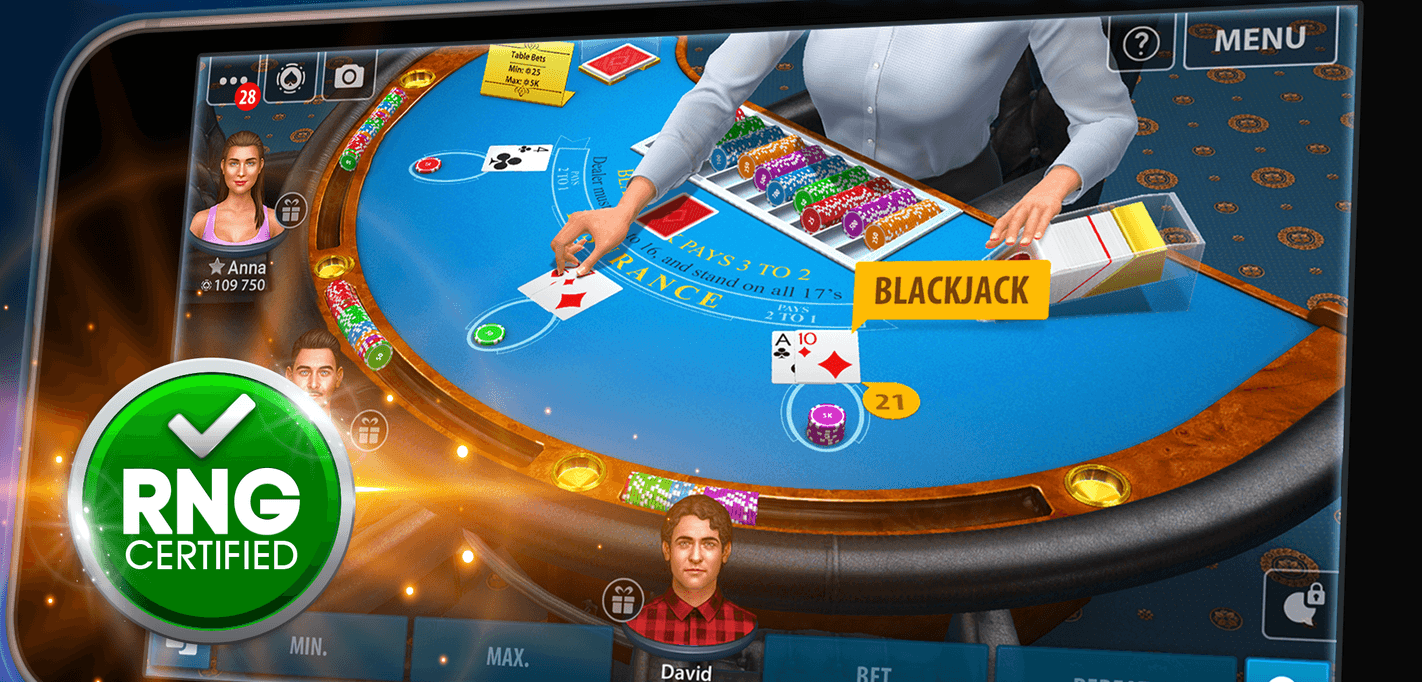
In the app you can't exchange virtual chips for real money. So don't buy virtual currency
On Telegram you can play blackjack with a bot in a mini-app. To find it, type “Blackjack bot” in the Telegram search bar.
Mobile apps. On Google Play and the App Store there are dozens of standalone clients for playing blackjack. If you also include universal apps where blackjack sits alongside other gambling entertainment, then the count runs into the hundreds. On Android smartphones, the mobile version of “Blackjack 21: Blackjackist” leads. It's been downloaded more than 10 million times. On iPhones, the “Blackjack” app dominates.
You can't win money in mobile apps or on social media. In both cases, users play for virtual chips. But the in-game currency is sold for real money. You won't be allowed to pull off the reverse trick either. Most modern poker rooms offer the chance to play for money. Alongside poker, they have: slots, online casino, and blackjack. However, we don't recommend playing blackjack for money. There are more interesting and profitable card games.
Why poker is better than blackjack
Blackjack is a card game with negative expected value. Over the long run, it brings income only to the casino. In poker, the organizer takes rake from each pot, so the identity of the winner doesn't matter. The outcome of the confrontation with other people depends on the player's skill level.
Poker's superiority is easy to see when comparing the prize money of the biggest competitions. The winner of the 2025 World Series of Poker Main Event — Michael Mizrachi — received $10,000,000. Tournaments of a similar level for blackjack haven't been organized since 2007. Back then, the champion — Alice Walker — took home $500,000.

The winner of the WSOP-2025 Main Event received $10,000,000. In blackjack there's no such prize money
Playing poker is more interesting than blackjack. The rules of the game and the participation of other people create thousands of unique situations. With the very same hand, a poker player can go all-in preflop or go through all the streets of betting to showdown. In no-limit hold'em, players aren't constrained by fixed bet sizes. Into a pot of 7 BB a poker player can invest 1 BB, or even 35 BB. In blackjack the guest can double the size of the pot, but no more. In poker the player earns from the opponent's mistakes. In blackjack you can't bluff the croupier — they always act according to instructions.
The learning process also distinguishes the games. To study poker, it will take more than a thousand hours of training and practice. Playing in 3-bet pots, defending blinds, postflop bluffs — each topic requires time and attention. In poker there's always somewhere for the player to grow. Basic blackjack strategy takes up a few A4 pages. Memorize the blackjack table — and you're ready for the confrontation with the dealer. But beyond the basics, there's nothing to learn in blackjack.
In blackjack the player occupies the position of an underdog. The rules of the game leave no possibility of coming out ahead over the long run. Only the speed of losing the bankroll depends on the guest's skill. In poker the player is limited only by their skills.
How to learn to play poker
A huge amount of materials and ways of learning is another advantage of poker over blackjack. You can reach a new level through: reading books, watching videos, working in software, observing streamers, lessons with a coach. Let's discuss each option in more detail.
Reading books. Hundreds of books have been devoted to poker strategy. Many of them can't be called useful. However, there are also genuinely worthy works. For example, “Easy Poker Math” by Roy Rounder. The author explained excellently how to quickly count outs and pot odds. We told you more about books in a separate article.
Watching videos. On YouTube there are tens of thousands of videos about poker. In a few minutes you can find material on any topic. In recent years the language barrier has also disappeared — some browsers offer decent real-time translation. Strategy is also taught on the FunFarm channel. Subscribe so you don't miss themed videos and tournament reviews.
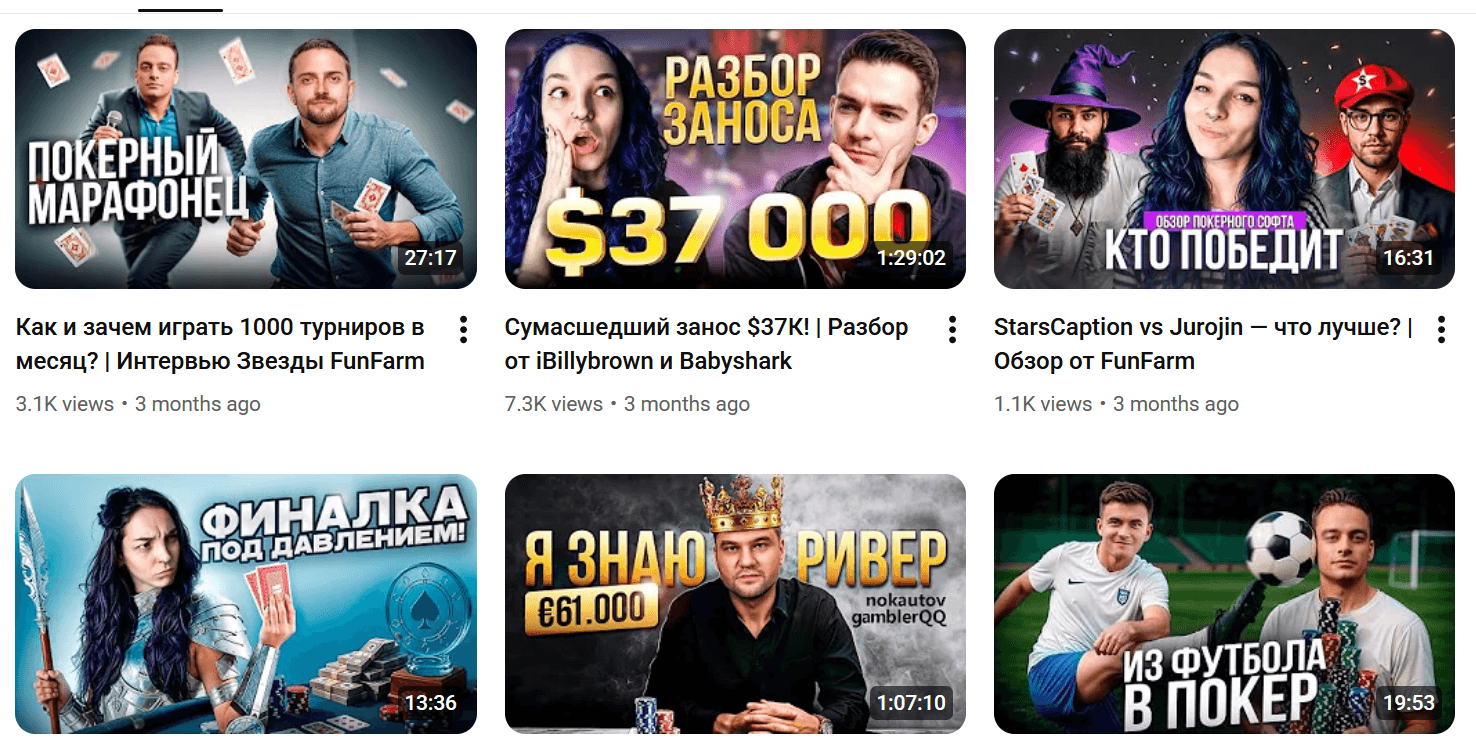
The channel releases interviews with the fund's coaches and students. They share experience and give advice to beginning poker players
Working in software. Analyzing your own mistakes is an effective way to learn. Reviews in solvers, calculators, and push/fold trainers allow you to eliminate most of the gaps in your strategy. Read more about useful poker software in the FunFarm article.
Observing streamers. Many professionals broadcast sessions on Twitch, Kick, and other platforms. Some regularly explain their decisions and answer viewers' questions. Free advice from strong players in exchange for attention or a subscription is a good deal. Sessions on Twitch are also run by FunFarm coaches. Subscribe so you don't miss interesting and useful streams.
Lessons with a coach. The fastest way to get better is to hire a mentor. An experienced coach will break down the student's strategy, find errors in their thinking, and suggest solutions. Problems arise when looking for a mentor. How do you check their level? Isn't the coach teaching outdated techniques? Will their methodology suit a particular student? Many are put off by the high price tag for lessons: a good mentor charges a fair amount of money.
Want to set off on a professional track but don't know where to start? We recommend taking training in the FF Start program. In the free course we teach the basics of poker. If you master the theory and pass the exam, we'll gift you $50 of starting capital. Newcomers to the school aren't just offered basic information about poker — their knowledge is also reinforced with practical assignments.
Free course · FF Start
Build a clear path in poker
The course ties rules, practice, hand analysis and further growth into one system.
Frequently asked questions
Read next

Healthy sleep for poker players: how to fix your routine
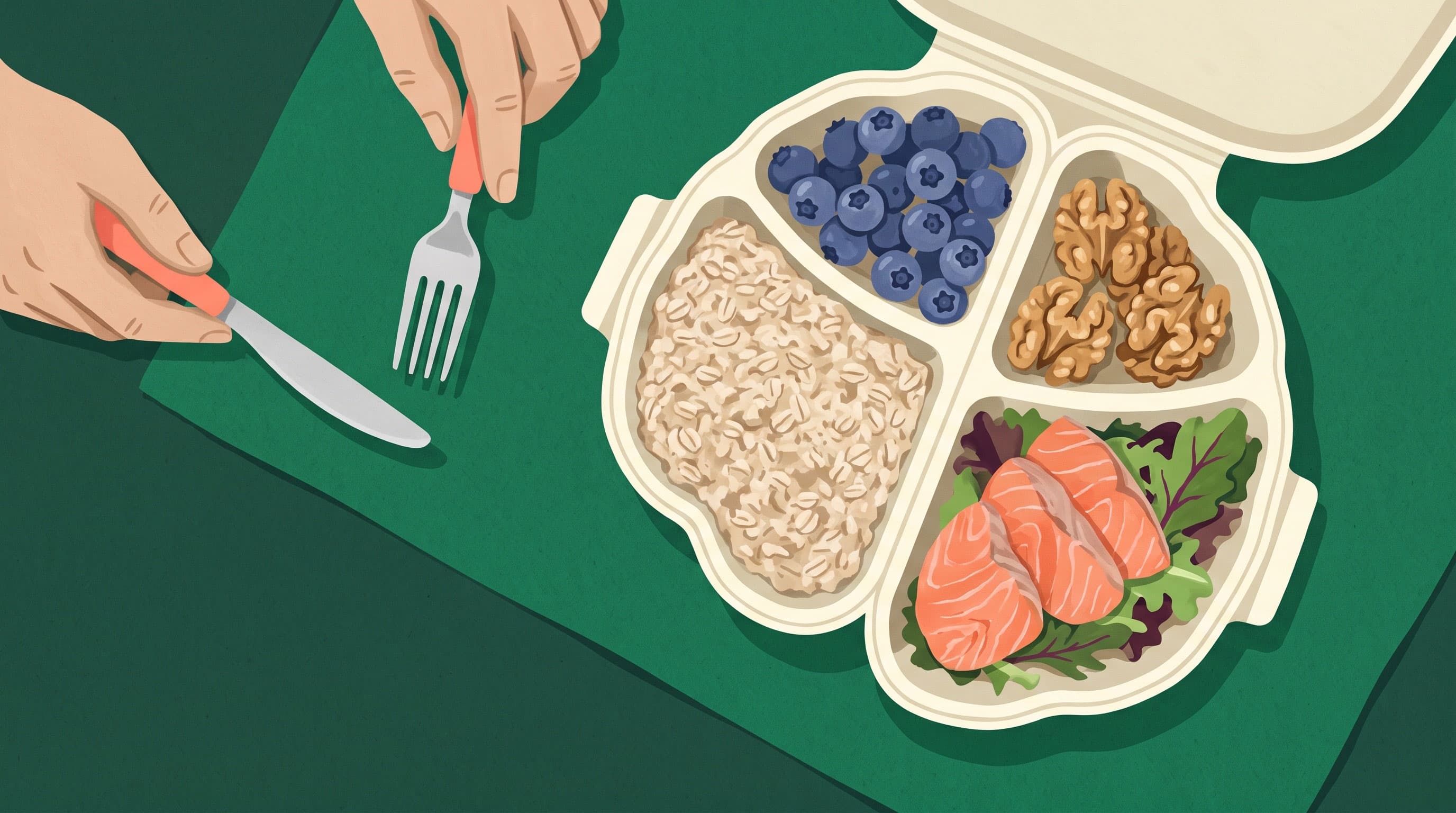
Brain Food for Poker Players: The Top Foods to Sharpen Focus and Cognitive Performance

Sports for Poker Players: Best Picks for Focus