All poker news
The essentials from the poker world — short and to the point. From the @pokerflow_news Telegram channel.

Meanwhile, in the world of chess...
1 0
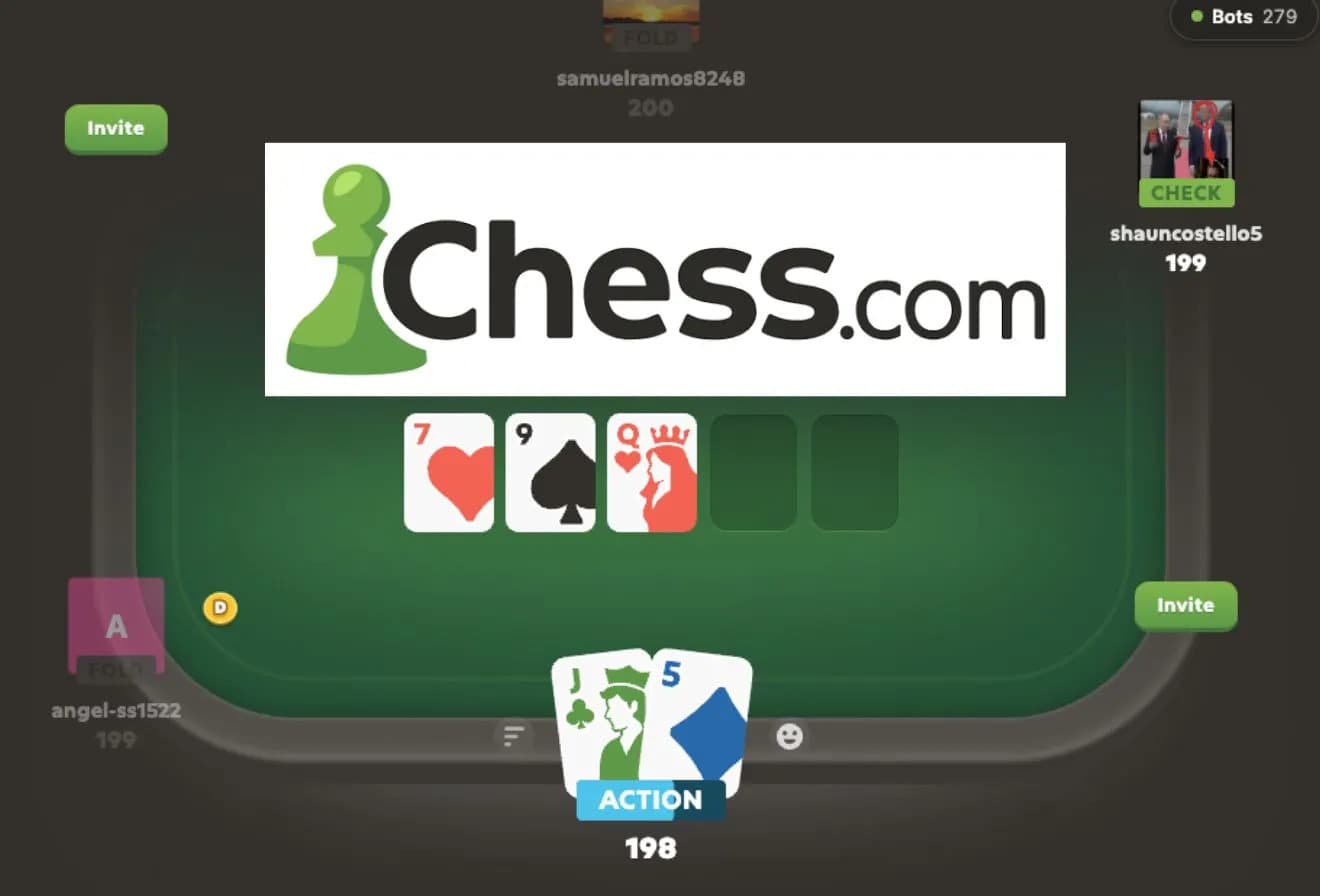
Chess.com's poker app reaches 125,000 users
1 0

The WSOP Online Effect — A Boost for the Series or a Blow to Its Prestige?
1 0
GGPoker Ignored an Early Report About Paul Gregge
2 0
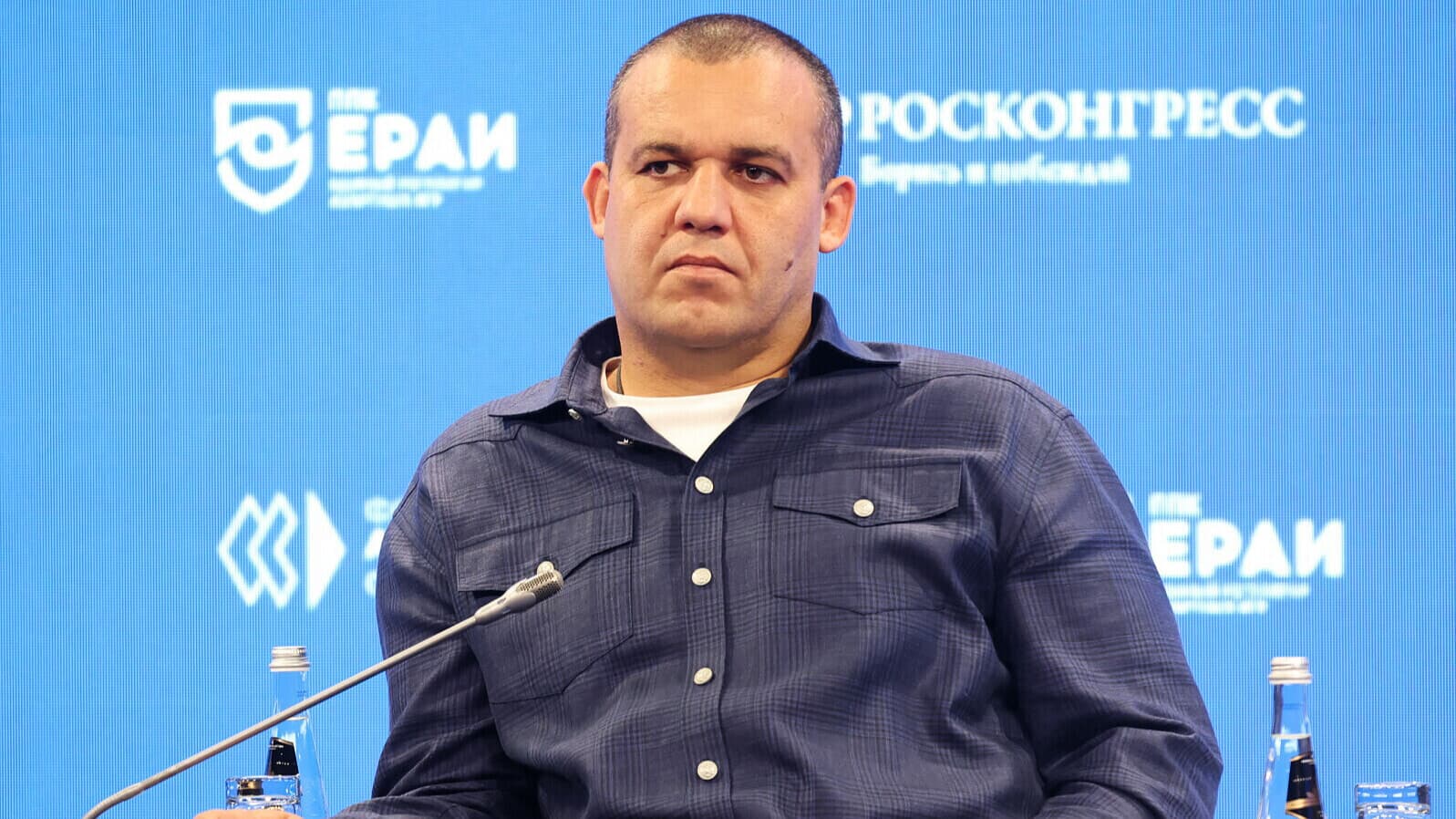
Umar Kremlev supported the legalization of online casinos
5 0
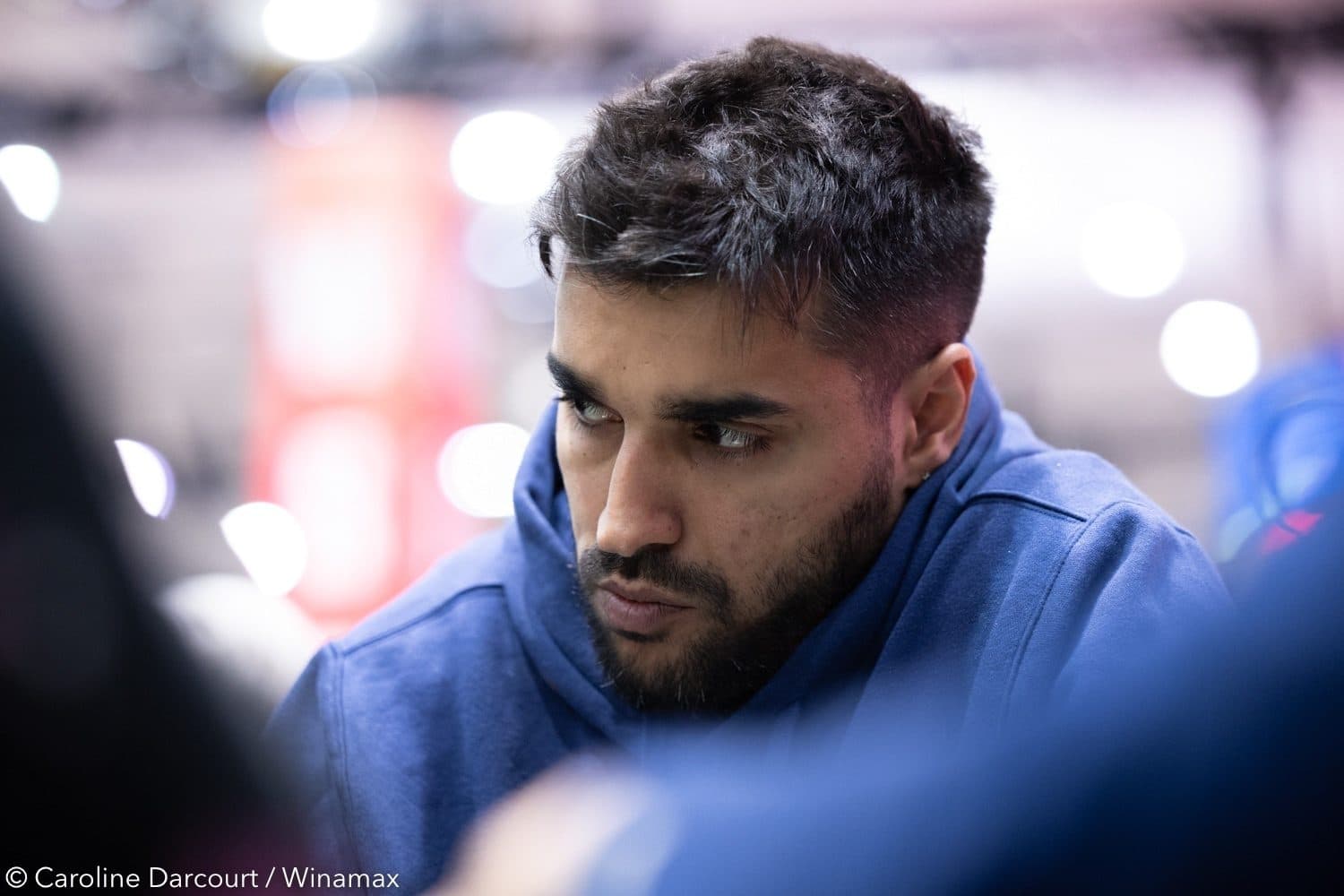
Spanish high roller Saavedra lost over $100,000 due to the Mesh Agent virus
1 0
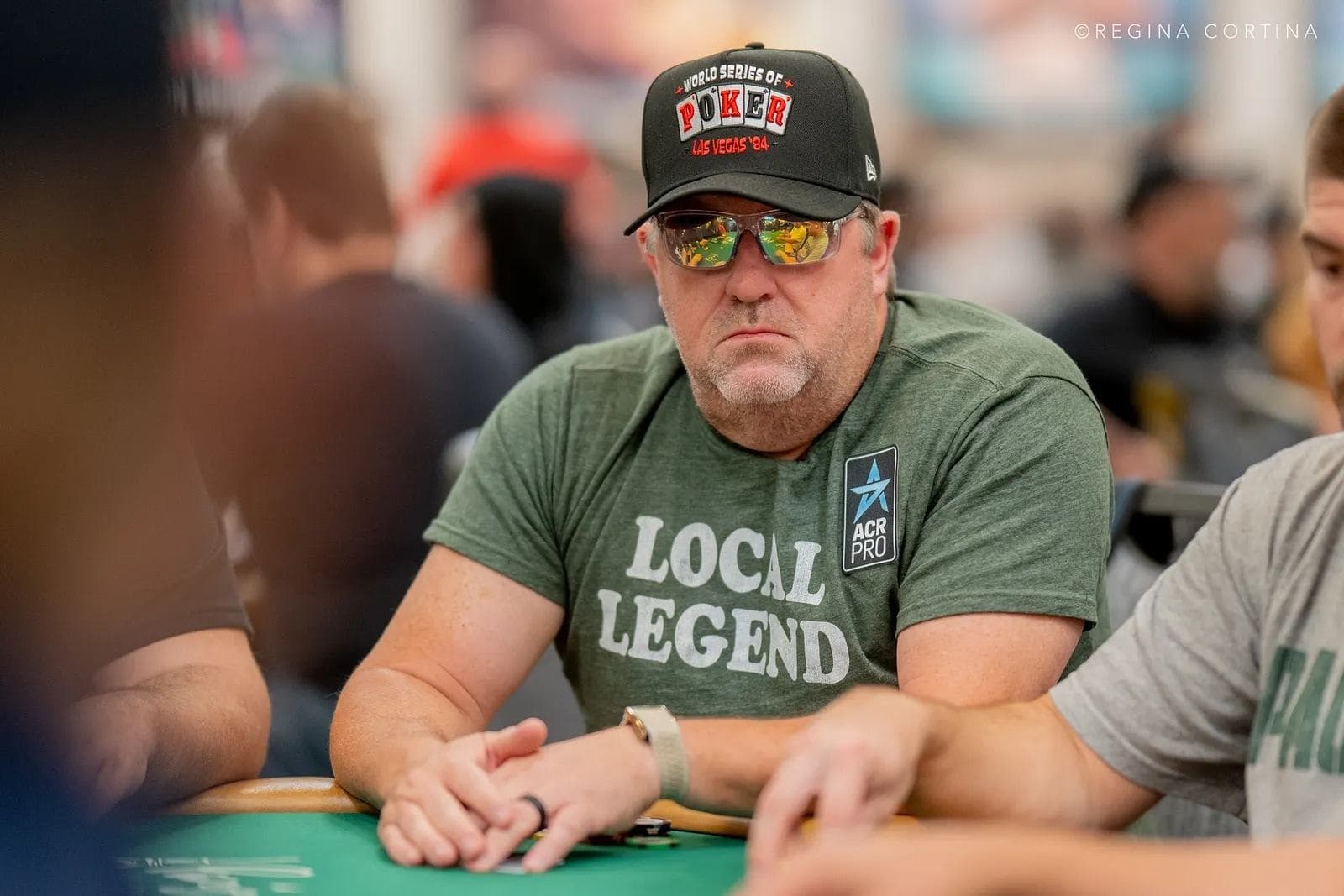
Moneymaker beat Foxen heads-up in a $15,000 tournament
0 0

A poker player built a house in the Moscow region off the profit from Mystery Battle Royales
0 0
Ilya Gorodetsky and Ivan Safarov, author of the Telegram channel "What's on the River," discussed in the new podcast:
0 0
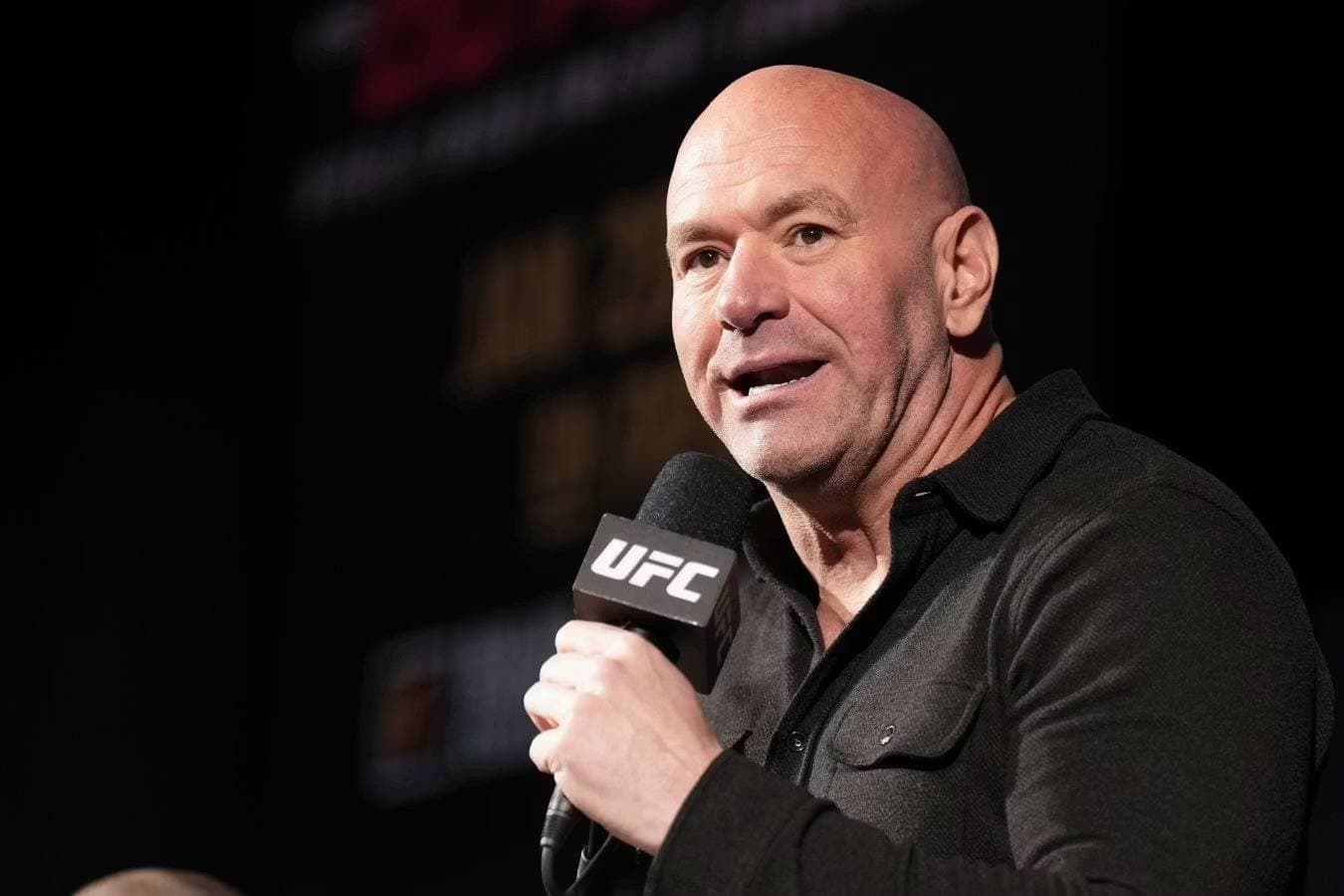
# Dana White and SteveWillDoIt each won $1,000,000 in a single night in Las Vegas
3 0
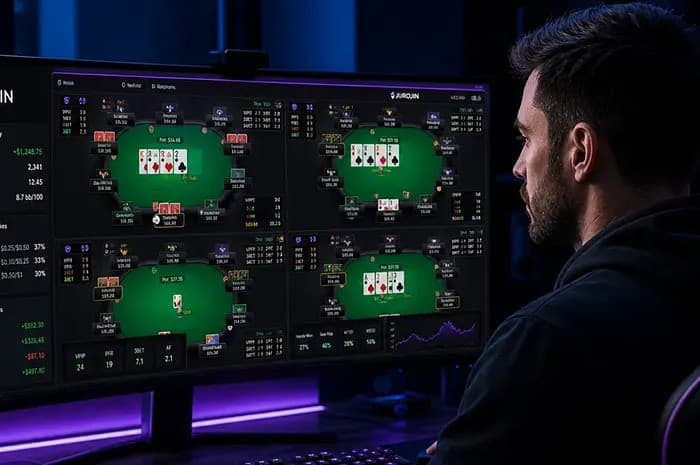
Jurojin Poker Developers Release Official Statement Following Cyberattack
3 0

Brazil Fully Bans Online Gambling
7 0
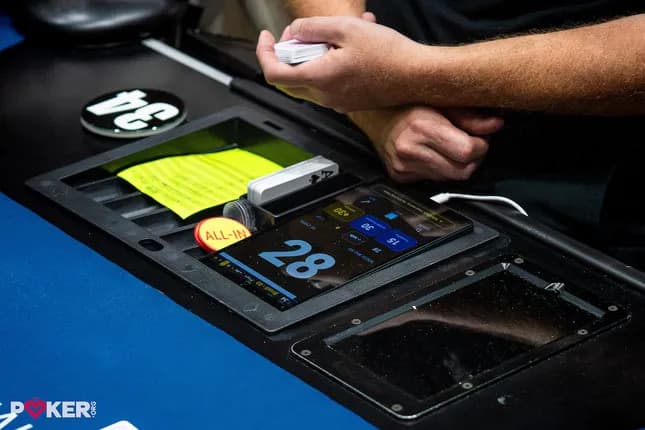
Shot clocks officially debut at the WSOP Circuit
0 0
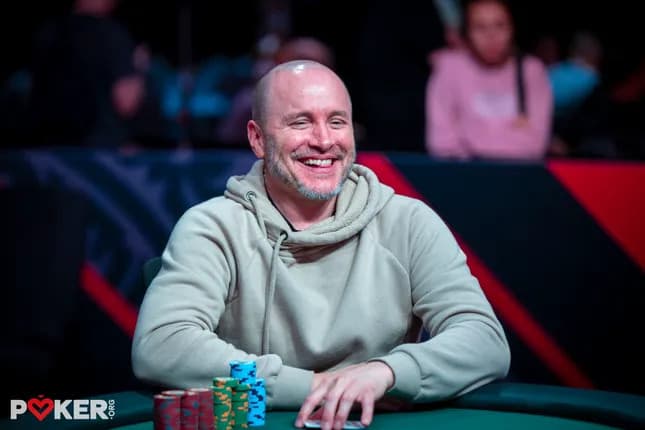
Mike Lee Came Within a Whisker of Winning Two WSOP Gold Bracelets in a Single Evening
0 0
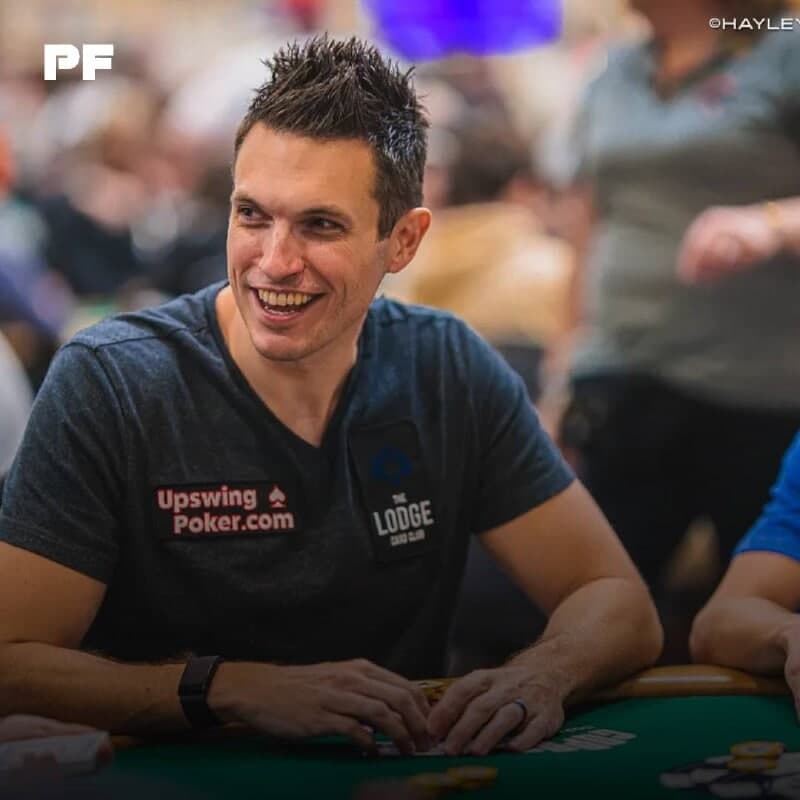
While the poker community is embroiled in a scandal over hackers who stole around $2,000,000 using a virus, Doug Polk is dropping facts on X:
4 0
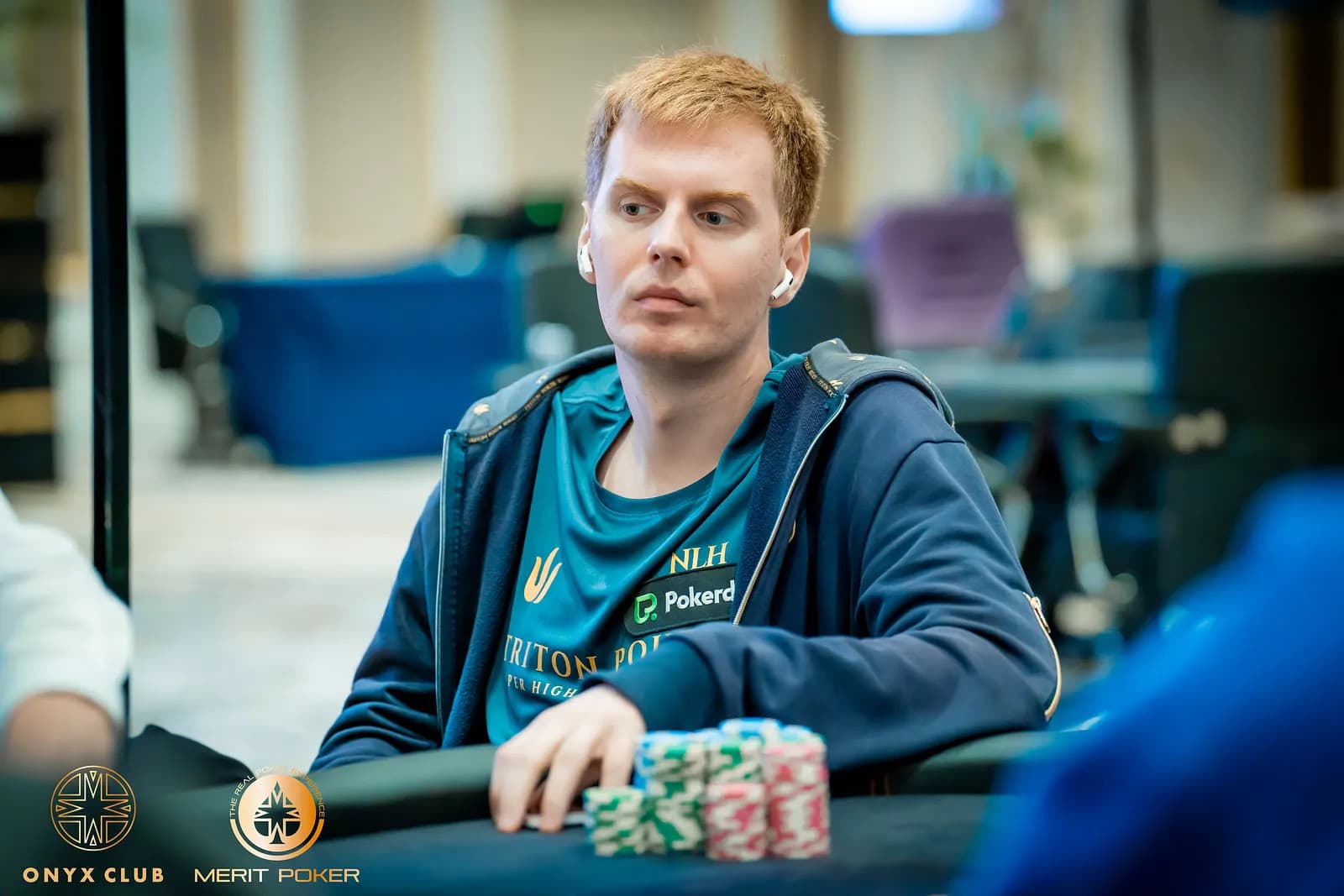
Aleksey Borovkov talked about his duties in his role with the PokerOK security department
3 0
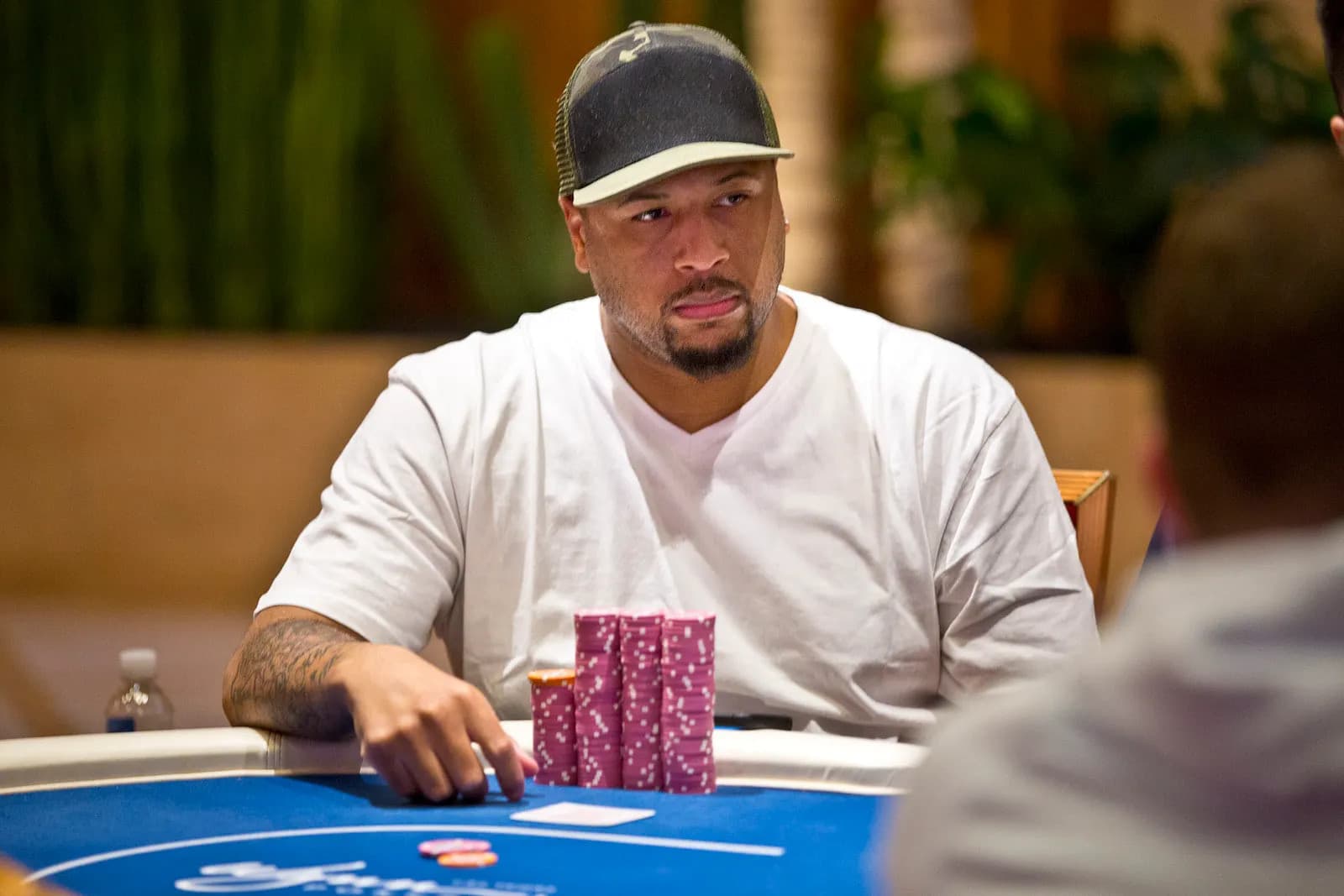
A Former Hustler Casino Live Player Accused of Fraud
1 0
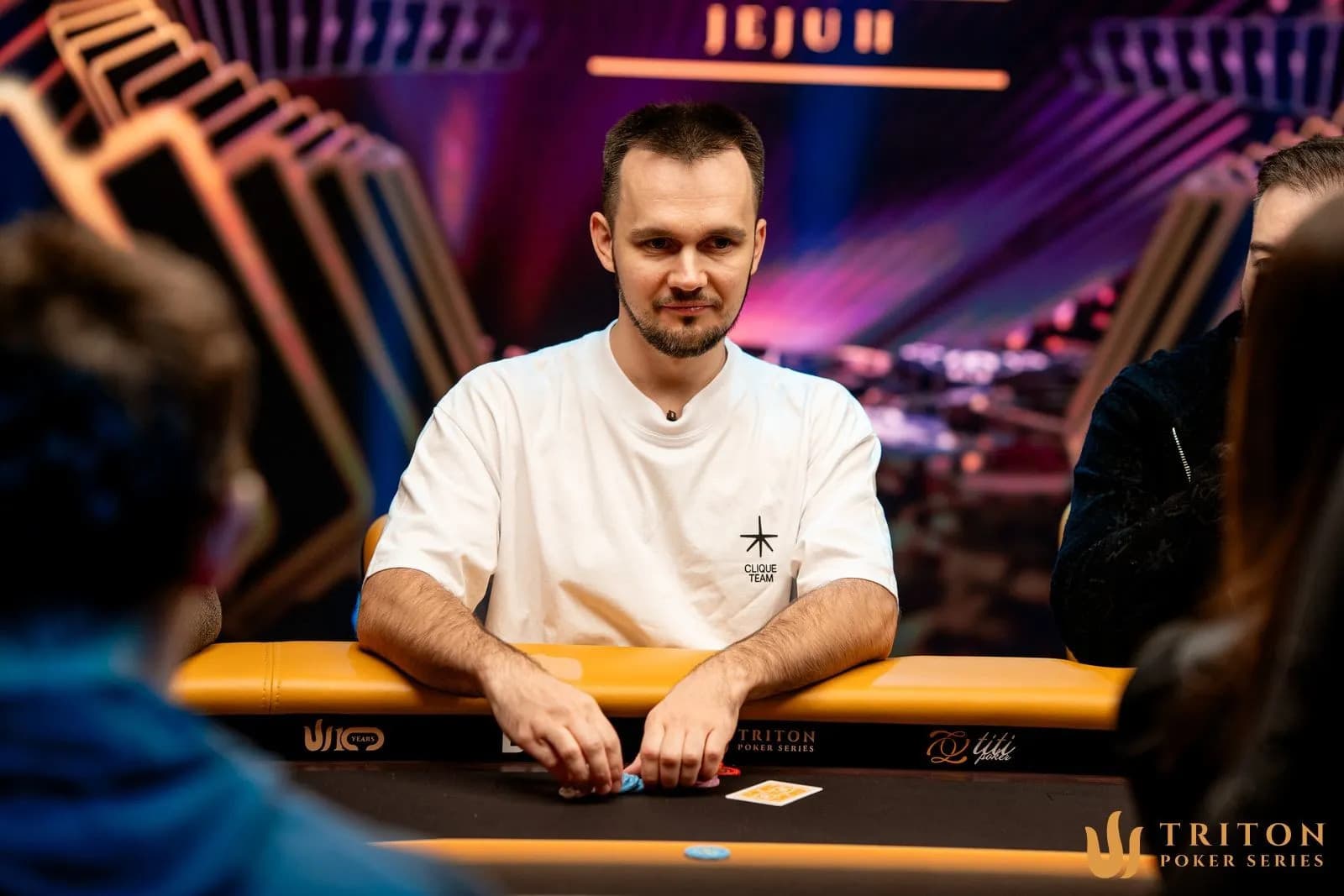
Bodyakovskiy lost $1.4M at Triton Jeju
2 0
Ben Rolle isn't happy about the straight flush
0 0
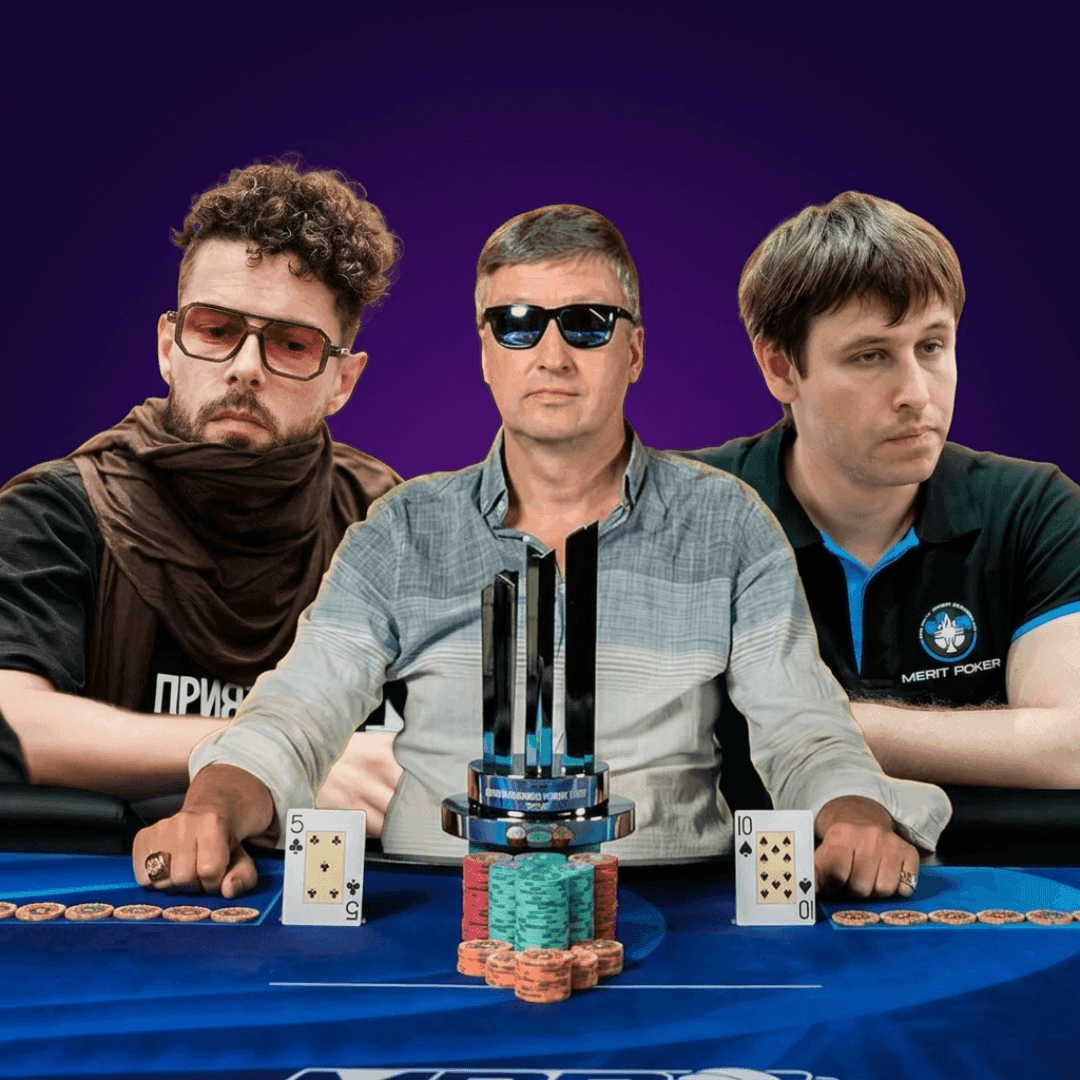
Russians Took the Entire Top 3 in an MPP Event in Cyprus
2 0
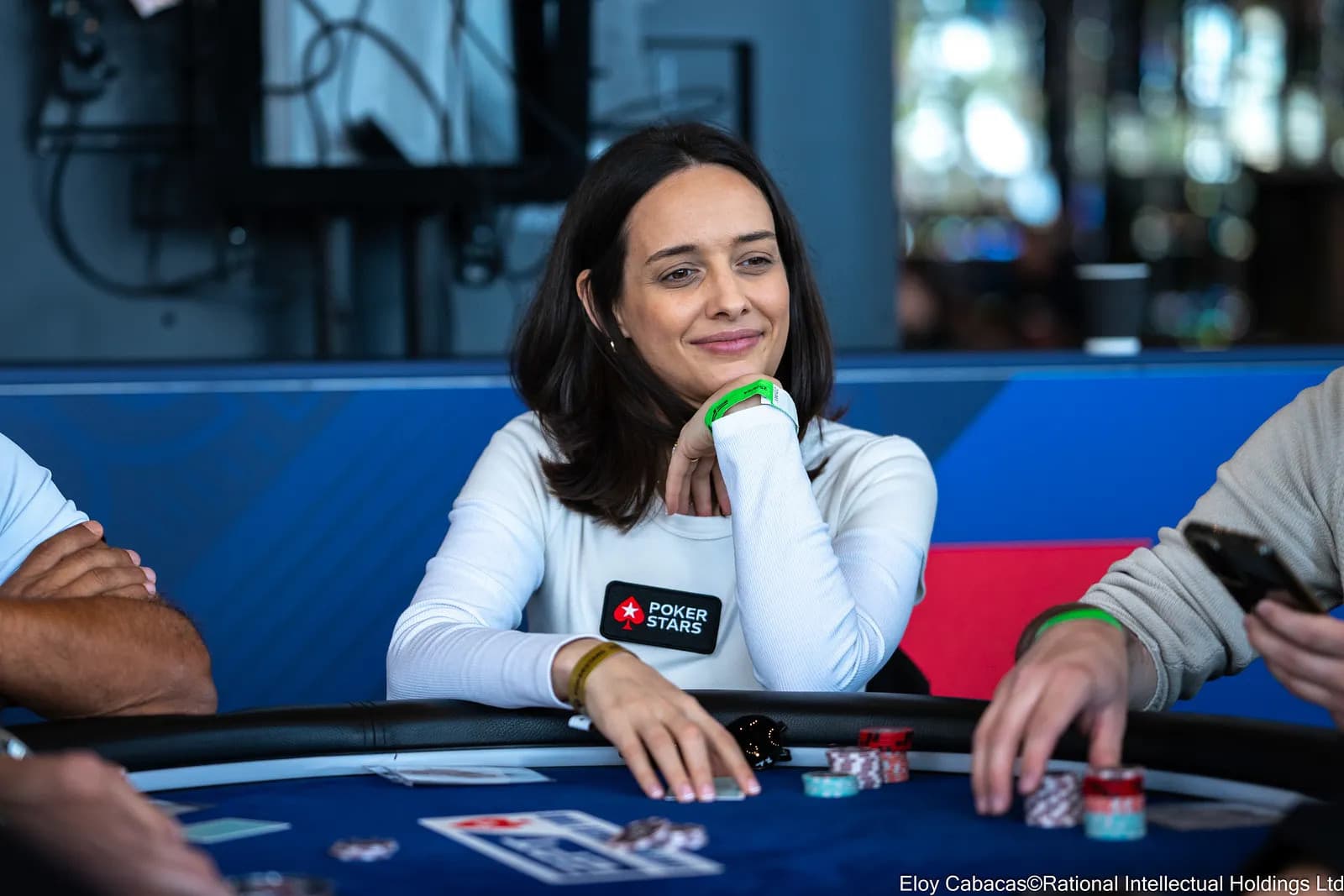
MarlzTV complained about the "hive mind" of Brazilian poker players
0 0
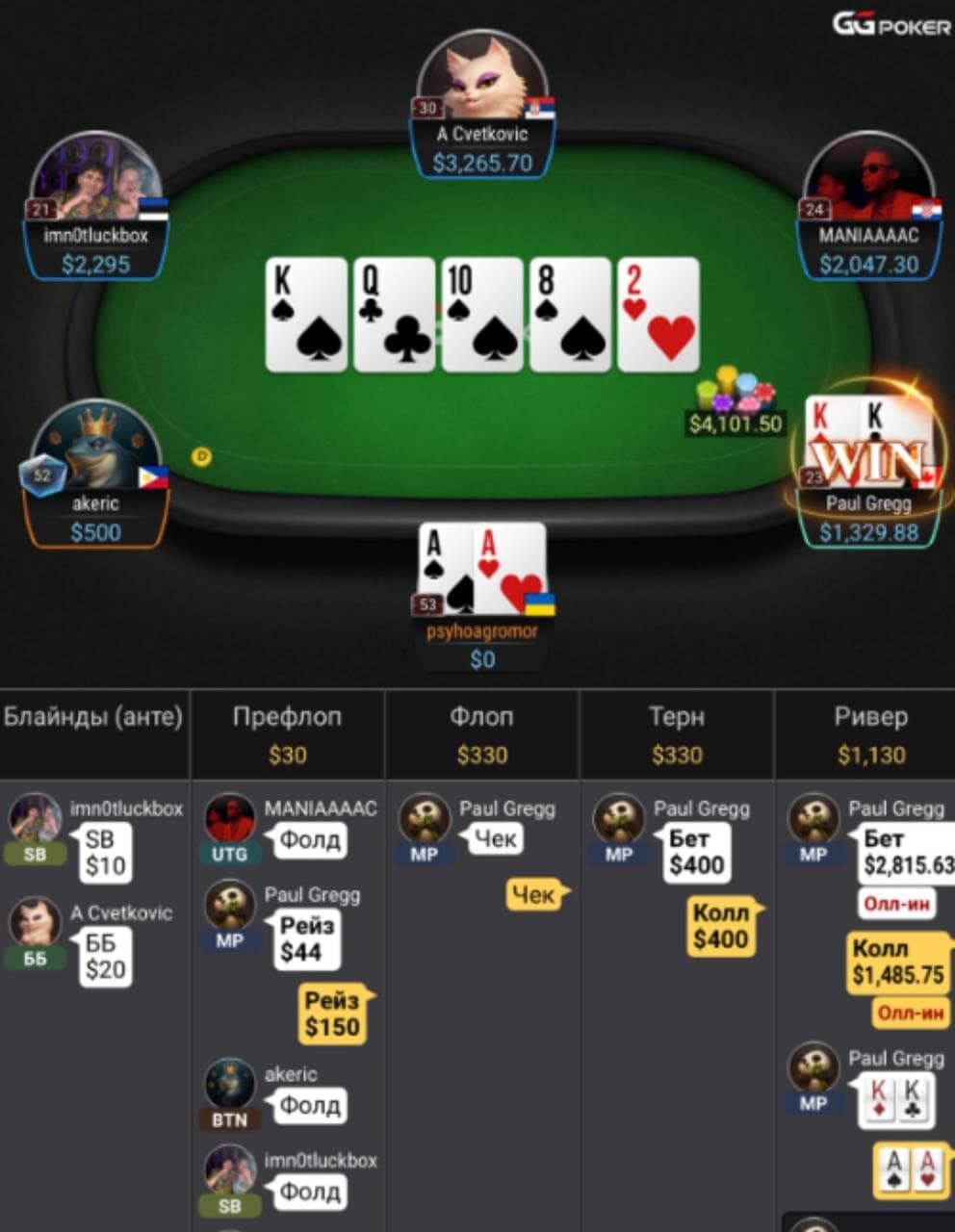
Scammers earned about $2 million in cash games using a virus
0 0
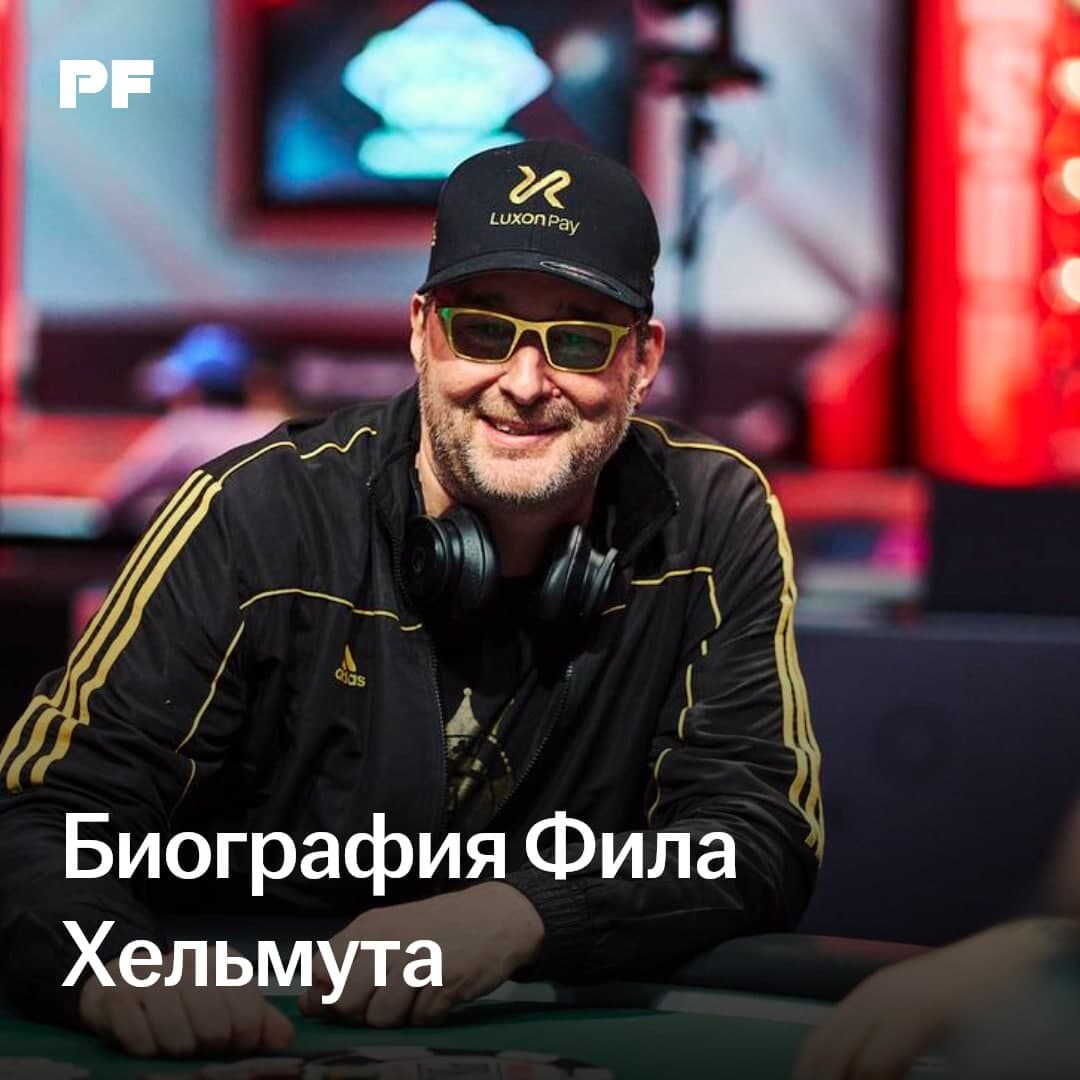
# Phil Hellmuth: 17 WSOP Bracelets and "White Magic" Phil Hellmuth is one of the most recognizable figures in poker history. His 17 WSOP bracelets are a record that still stands, and his style of play — which he himself calls "white magic" — has become the stuff of legend and a source of endless debate in the poker community. ## Who Is Phil Hellmuth? Phil Hellmuth Jr. was born on July 16, 1964, in Madison, Wisconsin. He came to poker as a student, dropping out of the University of Wisconsin to pursue the game full-time. That decision paid off: in 1989, at the age of 24, Hellmuth won the WSOP Main Event, beating Johnny Chan heads-up and becoming the youngest champion in the tournament's history at the time. That victory launched a career that has spanned more than three decades. Over that time, Hellmuth has assembled a collection of bracelets no one else has matched, and he has turned his own name into a brand. ## The Record: 17 Bracelets The WSOP bracelet is the sport's most prestigious trophy. Hellmuth's 17 wins put him clear of everyone: Phil Ivey and Johnny Chan are tied for second with 10 each. Hellmuth's bracelets span a range of disciplines, though the bulk of them came in No-Limit Hold'em. He has also won in Razz, Seven Card Stud, and Deuce to Seven Draw. That breadth shows he is not a one-trick specialist but a player capable of adapting across formats. Beyond the bracelets, Hellmuth holds the record for most WSOP cashes and most final tables — a testament to the consistency of his results over the long run, not just individual spikes. ## "White Magic": What Is His Style? Hellmuth calls his approach "white magic" — the ability to read opponents and make decisions based on intuition rather than mathematics. He insists he can sense when an opponent is bluffing and when they're holding a monster. In practice, his style boils down to a few things: **Tight play preflop.** Hellmuth traditionally enters pots with a narrow range, especially in the early stages of tournaments. He avoids marginal spots and would rather fold than get involved in a coin flip. **Reliance on reads.** Instead of solvers and GTO charts, Hellmuth studies people. He watches for physical tells, betting patterns, and shifts in behavior. **Patience.** His approach is built on waiting for the right moment. In long tournaments, that patience can be a genuine edge — opponents get tired and make mistakes, while Hellmuth stays in his rhythm. **Aggression on the right spots.** When Hellmuth does decide to act, he applies serious pressure. His deep-stack play is aggressive and often uncomfortable for opponents. ## Criticism and Controversy Hellmuth's style draws plenty of skepticism from modern professionals. Critics argue that his approach is too exploitable against strong regulars, that he doesn't use math seriously enough, and that he'd struggle in today's high-stakes cash games. His on-camera behavior has also fueled the debate. Hellmuth is famous for his emotional outbursts at the table, his tirades against opponents who beat him with "bad" hands, and his ability to tilt spectacularly. The "Poker Brat" nickname stuck for a reason. At the same time, his results are hard to argue with. Seventeen bracelets and an enormous number of deep runs can't be explained by luck alone over that kind of distance. Whatever you think of his methods, Hellmuth has proven their effectiveness over the long run. ## What Can You Actually Learn from Hellmuth? Even if you don't buy "white magic," there are real lessons in his game: **Discipline matters.** Hellmuth's tight preflop approach protects him from the most common amateur mistake — playing too many hands. **Reads still have value.** Modern poker is math-heavy, but the ability to observe opponents and adjust hasn't gone anywhere. Especially in live poker and against weaker fields. **Longevity is a skill.** Staying relevant for more than 30 years in a game that changes constantly requires the ability to adapt. Hellmuth has done that, even if he doesn't advertise it. **Confidence is part of the game.** Hellmuth's self-belief — for all the mockery it attracts — has helped him get through downswings and keep pushing for results. ## Conclusion Phil Hellmuth is a phenomenon of poker. His record of 17 WSOP bracelets may hold for many years, and his approach to the game remains a topic of discussion among professionals. Modern poker has moved toward mathematics, solvers, and strict strategies. But Hellmuth's story is a reminder that in poker there's more than one road to results. The main thing is to understand your own strengths and build your game around them.
5 0

The heads-up between Avrora and Junglemen has concluded
3 0

Start learning poker for free
- Sign up for the free FF Start program
- Complete the training, get a certificate and an invitation to the fund
- Start your playing career with the fund's support