The underbelly of high rollers: the economics of high-stakes poker
Highrollers are the top tier of the poker hierarchy that every ambitious player strives to reach. However, behind the numbers of huge wins in the rankings lies a complex economy, major expenses, and sometimes even debt.

If you open the list of the world's most profitable poker players on The Hendon Mob, you'll see dozens of players with earnings in the tens of millions of dollars. Naturally, every aspiring player immediately thinks: I want that too! But what's hiding behind these numbers? Most high rollers don't reveal all the financial details, but some top professionals do speak frankly about the fact that multimillion-dollar winnings are just a nice façade. In this article, we'll break down what high-stakes players actually spend their money on and what their real profit looks like.

New breakdowns in your inbox
Subscribe to the FunFarm newsletter: fresh Poker ABC articles and material that helps you grow as a player.
The cost of high roller tournaments
Of course, the main expense item for a high roller is buy-ins. To compete for seven-figure prizes, you have to put in large sums just to enter. And the cost of the high roller schedule keeps growing every year.
Daniel Negreanu said that in 1999, you could spend $250,000 on participating in high-stakes tournaments around the world. By 2013, that figure had grown to about $1.2 million, and by 2025 it had reached $12 million!
Adrian Mateos and Seth Davies disagreed with the Canadian pro. According to the Spaniard's estimate, active tournament participation costs most high rollers less than $10 million. And Davies said his annual buy-in expenses amounted to at most $7.3 million.
Even so, players have to spend enormous sums just to enter events. On top of that, they can register multiple times for many events, which significantly increases the cost of a single tournament through these re-entries.
High roller tournaments also aren't spared from two eternal phenomena: taxes and rake. On average, organizers' commission fees at major events range from 3% to 5%. The World Series of Poker may lower the rake for the most expensive events, while at the Triton Series it can reach up to 6%. Accordingly, players have to factor these expenses into their schedule planning.

Taxes, logically, depend on the player's nationality and the location of the tournament. This summer, financial analyst Russ Fox, as usual, detailed how much of their earnings the finalists of the WSOP Main Event would give to the government. According to his calculations, 40.5% of the total prize money went to taxes.
The least fortunate was Californian Jamie Shaevel, who had to pay both federal tax and state tax, with California having one of the highest rates in the US. Out of his $1.5 million in winnings, 50.37% went to these fees. The Canadians Rammy Hammoud and Greg Mueller gave the least to the government, with their tax share amounting to just under 30%. Champion Lucas Jumalon took home just over $6 million out of the $10 million top prize.
According to data from River Odds, in the US the average rate for high-income individuals, which includes high rollers, ranges from 25% to 50%. Many poker players pay self-employment tax of 15.3% on top of income tax. Filing tax returns is more complicated for professional players than for regular employees, which is why regulars often turn to specialized accountants.
We covered taxes in different countries in more detail in a separate article:
Poker winnings tax: how much is paid in different countries
Besides buy-ins, rake, and taxes, players spend money on flights, hotels, coaches, and software. According to River Odds estimates, financing travel takes up on average 5% to 15% of winnings, while working with a coach and subscriptions to solvers and other apps cost between $5,000 and $50,000 a year.
Ways to hedge risk and fight variance

Tens of thousands and even millions of dollars are at stake in high roller tournaments. Few players are willing to risk such sums out of their own pocket, especially given high variance. Playing with their own money, a player could lose their entire bankroll on the very first downswing. That's why professionals actively help each other deal with variance.
The main tool for this is backing. Its essence is that investors pay either the full buy-in or part of it in exchange for a share of the player's winnings. The simplest scheme is backing with a rebate, where the player pays the stakeholder a fixed percentage of their profit.

Another option is selling shares with a markup. A player can sell shares of their action at an increased rate that reflects their expected edge. For example, with a $10,000 buy-in and a 1.3 markup, an investor would pay $1,300 for 10% of the action. However, in this case, for the stakeholder to profit or break even, they need to correctly assess the player's ROI. If it turns out to be too low for the given markup, the buyer will take a loss.
And what if a player hits a downswing and isn't winning? Then makeup comes into play — the accumulated debt owed to the investor over the course of a long-term partnership. In this case, the player must first pay off this debt before generating profit again.
For example, a sponsor buys 50% of a player's action, and the player loses $3,000 in the first month. This amount becomes the makeup. In the second month, the player earns $5,000. The backer deducts the $3,000 debt, leaving $2,000 in profit. This profit is split according to the terms of the deal, and the player ends up taking, say, $1,000 net.
Read about the rules and mistakes when choosing a backer in a special article:
Backing in poker: how to find an investor and strike a deal
Besides these methods, players also resort to swapping shares. In this case, regulars exchange shares of action with each other without any actual payments, and several players can take part in the deal at once. Thanks to such swaps, a single player's big cash can generate profit for a whole group of their colleagues.
Players find investors on specialized online platforms as well as on forums like 2+2. The most high-profile regulars often announce the sale of shares for tournaments directly on their social media. Their fame helps them find stakeholders and serves as a kind of reliability guarantee for the sponsors themselves.
So how much of their own money do high rollers actually put into tournaments? There's no exact answer to this question, of course, since players' approaches to backing vary. In April, well-known American regular Mike Matusow gave the harshest estimate. According to his words, everyone plays with at most 10% of their own money and is constantly in makeup.
At the same time, Matusow himself said that he sold half of his action in every tournament with a buy-in of $10,000 or more. And Seth Davies calls the 50% share sale the most common option. And according to On360's version, top professionals like Isaac Haxton put in about a third of their own money into buy-ins for expensive events.
That said, in some tournaments high rollers can play without any backing at all. For example, Alexey "Avrora" Borovkov announced that he would play the entire Triton One schedule in Cyprus entirely with his own money. But perhaps the option closest to reality remains high rollers selling 50% to 70% of their action. This means their actual profit is likely about half of their nominal results.
Learning at FunFarm, from any level
Losses and real income
The dual nature of the high roller world was best illustrated by MTT DB's study of Triton Series results, published in summer 2026. Analysts calculated all the players' buy-in and re-entry expenses and found that even the most top-tier professionals ended up deeply in the red.
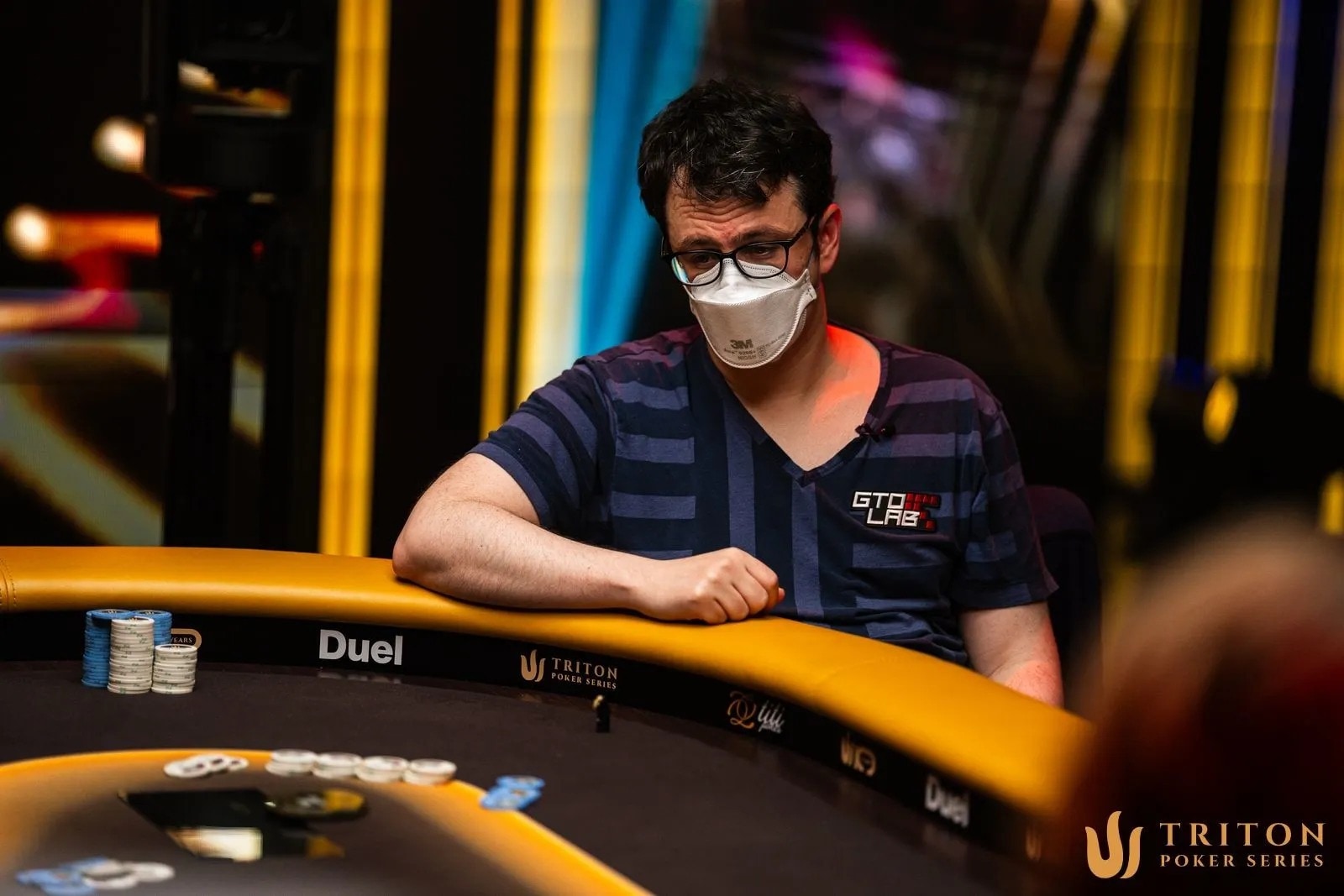
A telling example here is Isaac Haxton. The American regular won one Triton title and made 45 final tables, earning a total of $23.1 million. He ranks in the top 15 earners in the series' history. However, to achieve these results, Haxton had to spend over $30 million. As a result, the American ended up $7.72 million in the red, with only Nick Petrangelo (-$9.17 million at the time of the analysis) and Santhosh Suvarna (-$12.28 million) recording bigger losses.
The reason for Haxton's losses lies in his incredible volume of play. Over nine years of playing Triton, he made a record 434 entries with 76 ITM finishes. A similar situation applies to Russian regular Artur Martirosyan, who has won five titles in the series. He made 332 entries and reached the money 55 times, ultimately ending up $6.15 million in the red.
In the same study, analysts revealed the share of profitable players among the series' regulars. These were defined as players who had played at least three Triton tournaments. There turned out to be 1,233 such players. Of these, 347 came out ahead, or 28% of the total. The remaining 72% (886 players) took losses.
And even among the profitable regulars, a very narrow circle of participants takes home the bulk of the prize money. The top 1% of players earn 28.8% of all winnings, while the top 10% account for 86.4% of all payouts.
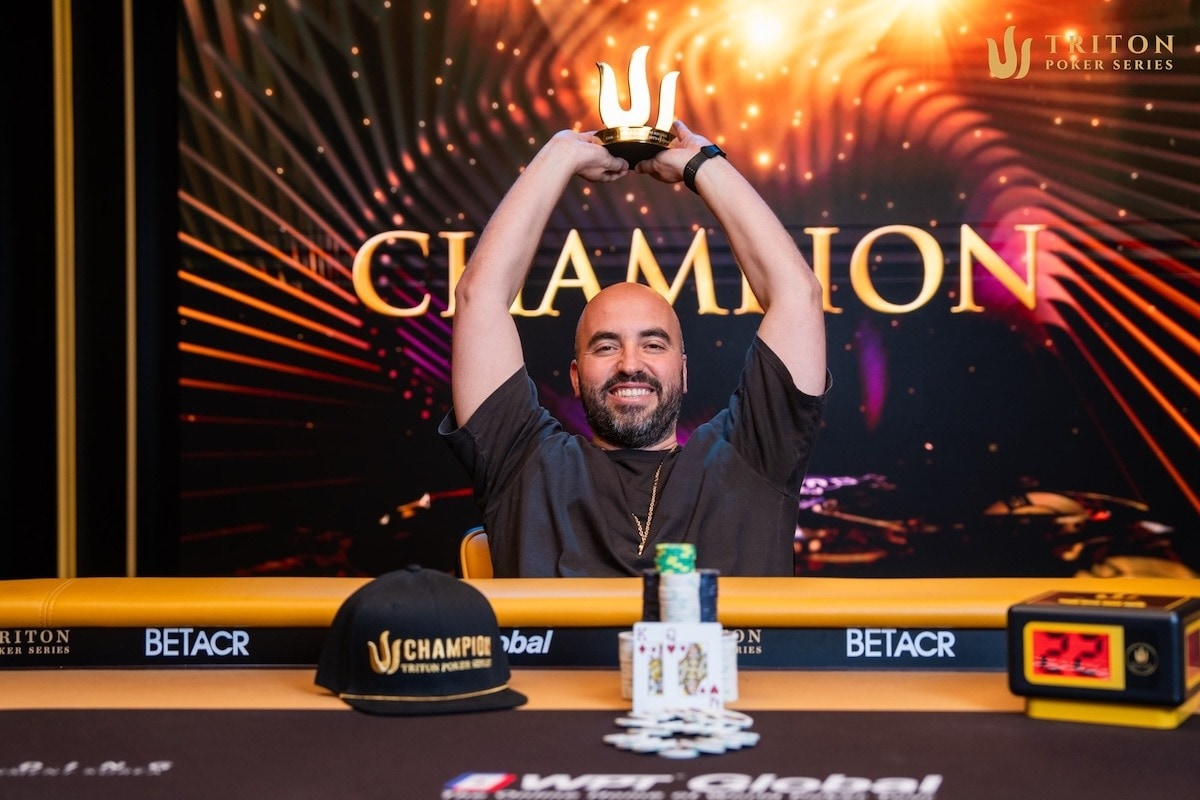
In terms of net profit, Bryn Kenney leads on Triton (+$37.76 million), followed by Dan Smith (+$13.27 million). They also show the highest ROI. Kenney's return on investment is an insane 287%, while Smith's is 103%. However, these figures are skewed by their results in the Triton Million for Charity 2019 tournament, with a £1,050,000 buy-in. They distort the statistics due to the sponsorship support given to participants.
Without this anomaly, the most efficient Triton player becomes Aleksejs Ponakovs, who shows an 86% ROI. The Lithuanian high roller has made the money 40 times and earned $29.72 million, putting him seventh on the series' All-Time Money List. But in terms of net profit, he sits between Kenney and Smith with $13.73 million.
Although the study only covers Triton, it quite vividly shows the real state of affairs in high roller tournaments. The large volume of play they require often leads to losses even with regular cashes, and only a select few are able to show a stable profit.
The players themselves very rarely reveal their financial balance. Stephen Chidwick, for example, has spoken directly about this. According to The Hendon Mob, the British high roller has earned $79,927,053 over his career. However, he admitted that his real profit is somewhere between $5 million and $10 million.
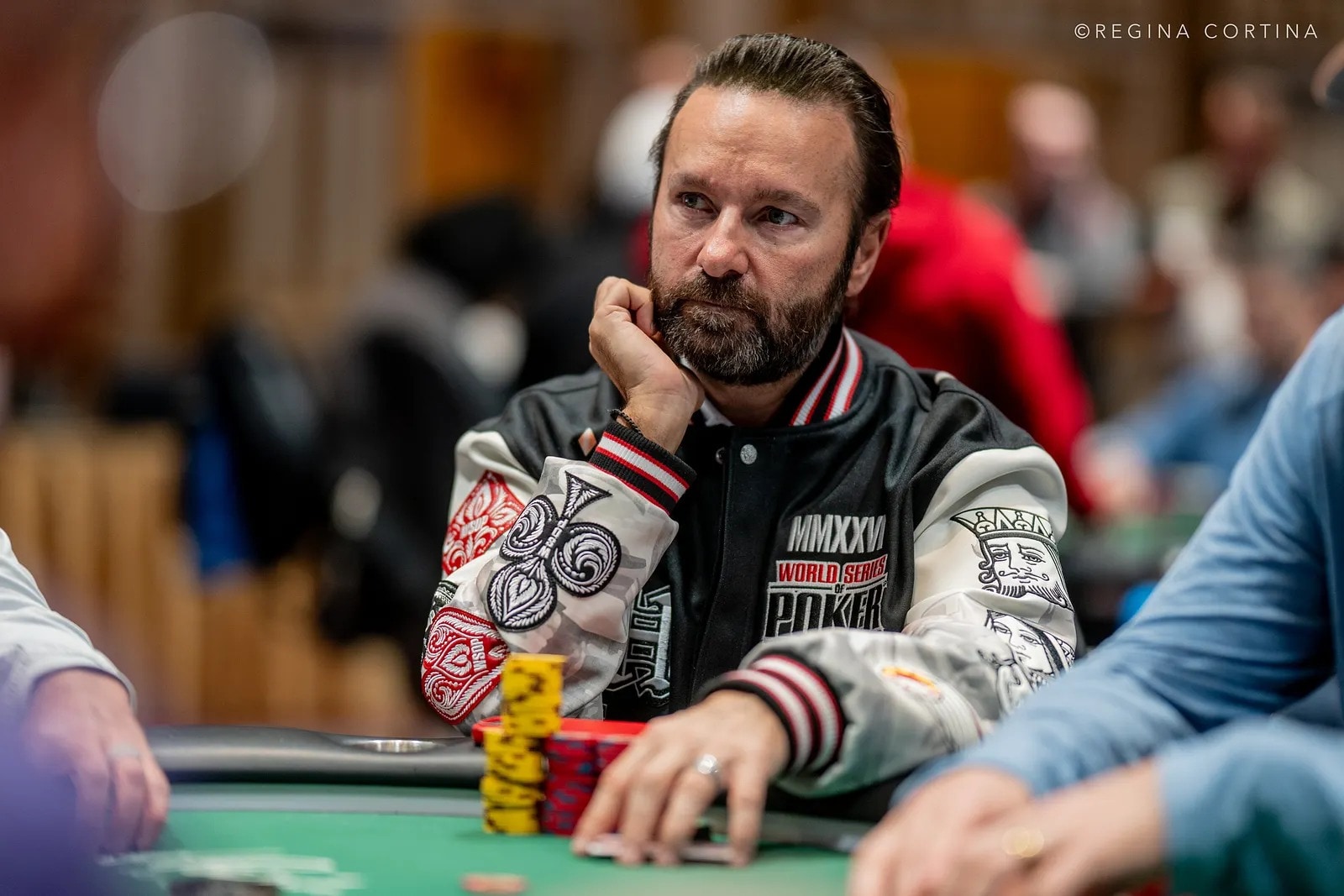
Daniel Negreanu shared his tournament failures. According to the Canadian, he ended 2016 down $1.24 million, and in 2017 he lost $86,000, having spent $2.87 million on buy-ins against $2.79 million in winnings. He claimed that for a high roller series regular, winning $2 million is no longer enough:
"The truth is, if a poker player plays the full high roller schedule and wins $2 million, you can be almost 100% certain that it was a losing year for him, and that's without even accounting for related expenses."
At the same time, Negreanu managed to handle the downswing, since a few years before that he had shown a stable profit. By his own account, from 2013 to 2017 his profit totaled $8.73 million. The Canadian also claimed that he plays with his own money and doesn't use backing.
Debts and tax problems
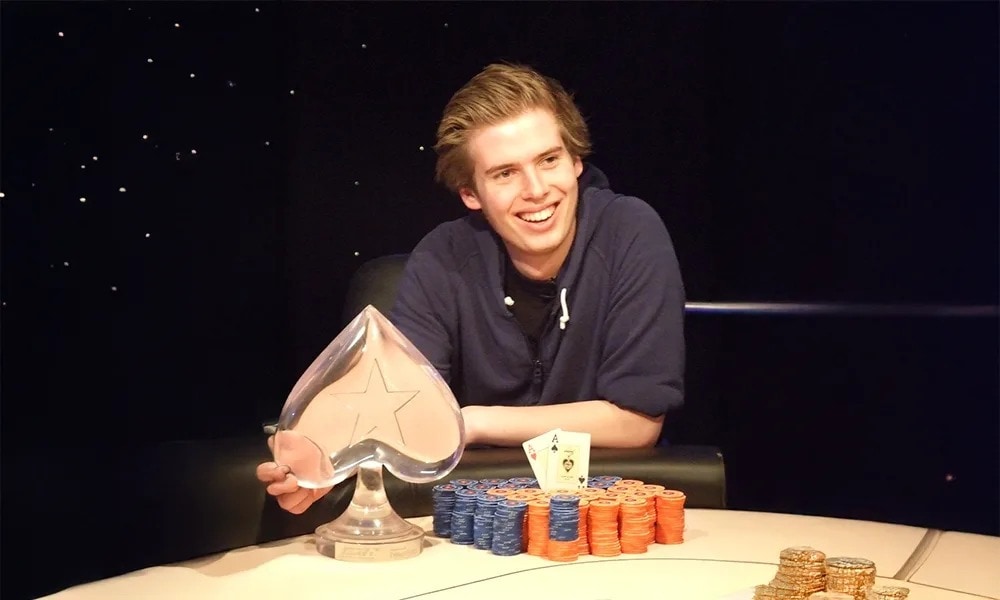
Backing is meant to protect players from financial problems, but some try to use it for dishonest profit. One of the most notorious such stories happened in 2009 with Constant Rijkenberg. The Dutch player sold between 130% and 160% of his share in the EPT San Remo Main Event.
Rijkenberg probably expected to bust out quickly and pocket the difference between the buy-in amount and the money collected from sponsors. He deliberately played as aggressively and loosely as possible, but this style unexpectedly brought him a victory and €1.5 million. At the same time, his debt to his backers exceeded his winnings, amounting to approximately €2.2 million.
The deception quickly came to light, as investors started communicating with each other and demanding their shares. The player's reputation was practically destroyed. It was reported that Rijkenberg soon left poker, and then paid off all his stakeholders.
Zohair Karim pulled off a similar scam at the 2017 WSOP Main Event. He also sold more than 100% of his action, and ultimately finished in 237th place, taking home over $40,000, with no funds to pay back his investors. Attention was drawn to the situation by regular Matt Glantz, who said he lost over $10,000 backing Karim. According to him, some of the stakeholders knew about the player's intentions but failed to warn the other sponsors.
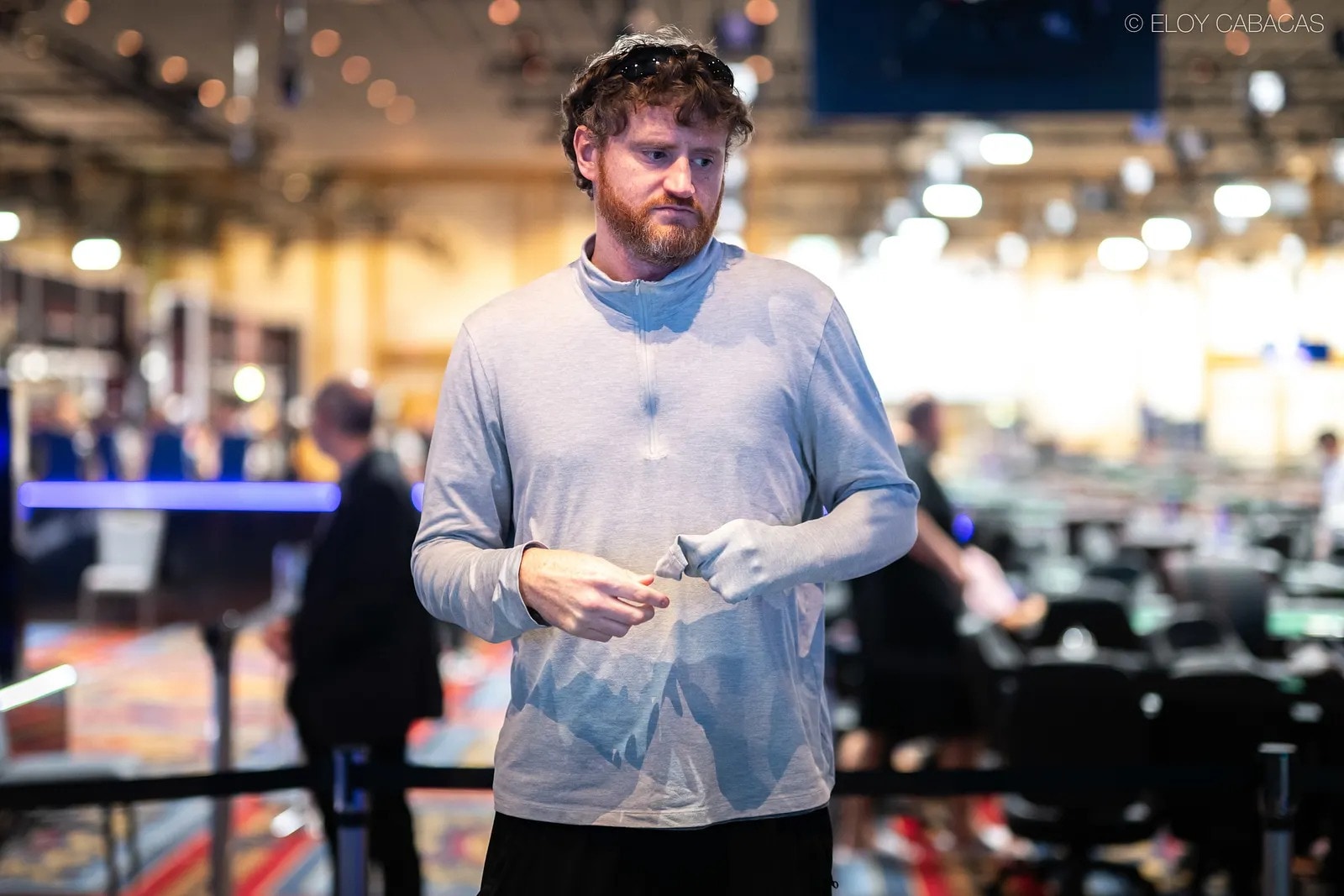
One of the leaders of the world All Time Money List, David Peters, who has earned almost $51 million over his career, also got caught up in a scandal over unpaid backer debt. This spring, player Dylan Linde revealed that the high roller had been unable to settle a $50,000 debt for several months.
Peters repeatedly pushed back the payment deadlines, citing low liquidity, and only started paying after a hard deadline was set. By April, he had only paid Linde back $27,000. After the story became public in spring, the players stopped commenting on the situation.
Maurice Hawkins, a 26-time WSOP Circuit winner, actually filed for bankruptcy to write off a debt owed to Randy Garcia, who had been his backer since 2017. A court in Florida had already ordered the player, several years earlier, to pay the investor $115,828.
The parties later reached a settlement, under which Hawkins was supposed to pay Garcia $2,500 a month until $30,000 was paid off. However, the regular stopped even these payments after a few months. The backer resumed efforts to recover the debt, and in April 2026 Hawkins decided to go through bankruptcy proceedings. After that, over the summer he earned $844,000 in live tournaments, but has yet to report any debt repayment.
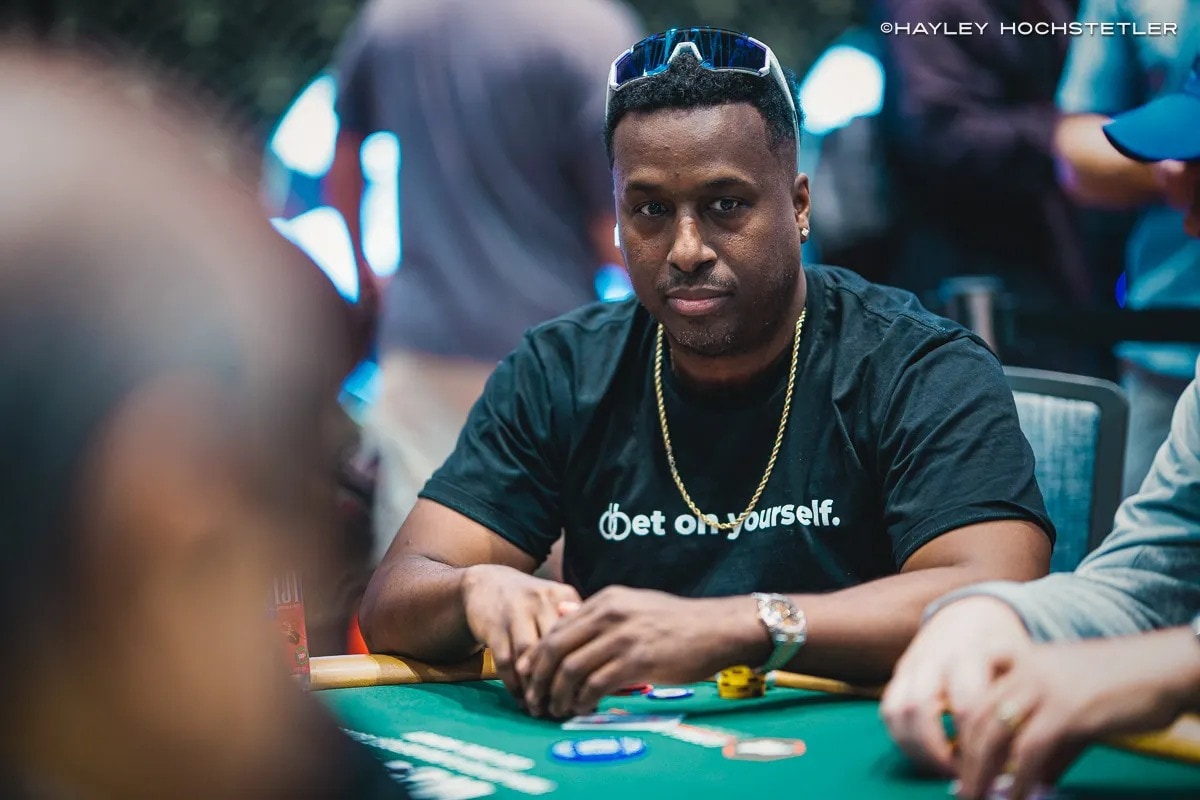
Some players have run into tax problems. For example, Spanish-Macedonian regular Dragan Kostić, who finished second in the EPT Barcelona 2011 Main Event, tried to avoid paying taxes. The player failed to declare his €532,000 winnings in Spain, which landed him in court, and he was sentenced to 18 months in prison and a €400,000 fine.
In 2010, Michael Mizrachi ran into trouble with the US Internal Revenue Service. It was reported that he owed $339,000 in taxes, with the regulator's claims covering the period from 2005 to 2007. How the story ended remains unknown, but it didn't stop Mizrachi from building a successful career and becoming a Hall of Fame member.
And in 2017, a criminal case for tax evasion was opened against a Russian player. According to investigators, a 36-year-old resident of Cheboksary earned over 30 million rubles at international tournaments in the US, Germany, Denmark, and France and failed to pay about 4 million rubles in taxes. As with the Mizrachi case, no verdict or case dismissal was ever publicly reported.

And the most mundane story of a high roller's downfall happened to Roman Romanovskiy. In March, RomeOpro revealed that he owed investors $3.5 million. The Ukrainian regular cited underestimating variance, a bad run at an ABI above $5,000, and his own immaturity as the causes of these financial problems. He admitted that he spent too much on living expenses, pulling money out of his bankroll, which he had already been managing too aggressively and carelessly to begin with.
This is what led Romanovskiy to start a $10 million marathon challenge, which he has now been running for 200 days. So far, the player has completed only 5% of the goal, reaching a profit of $511,900. In parallel, he has started paying off his debts.
Is the high roller world a mirage?
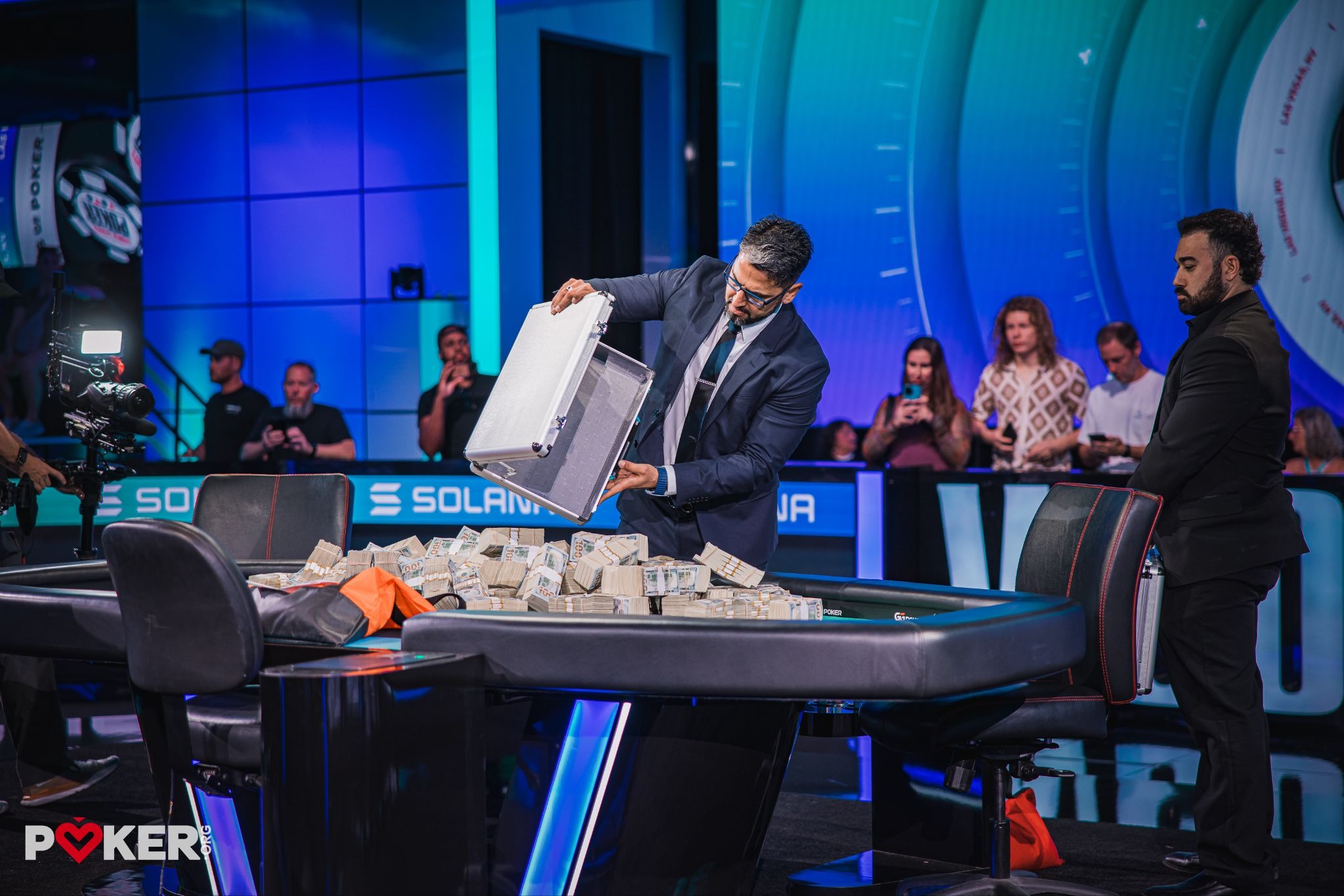
From time to time, discussions pop up in the poker community about how deceptive high rollers' results can be. And, judging by the statistics above, the life of high-stakes players really isn't as rosy as one might imagine. Playing in expensive tournaments comes with heightened risk and major expenses.
At the same time, not every regular who shows a loss in their recorded results is actually losing money. Thanks to markups and share swaps, they can still turn a profit. Of course, this requires a good reputation and a balanced approach to backing. And bankroll management skills, at any stakes, play just as important a role as poker skills.
We explain the basic rules of money management here:
How not to lose all your money: 7 rules of bankroll management
And it has to be said that despite all the skepticism about high rollers' transparency, poker fans continue to follow the highest-stakes tournaments with great interest. And on November 15, another Triton festival kicks off in Northern Cyprus, bringing together top professionals from around the world. And Pokerflow will be sure to cover the main events of this series.

Free course · FF Start
Poker is a skill you can learn
FF Start shows where to begin and how to grow step by step, without needless theory.
Read next

Triton debutant multiplies career earnings tenfold in a single tournament

On GipsyTeam, people are arguing about how much you can earn from poker streams

"The GTA VI release is like if Ivey, Negreanu and Hellmuth were playing for the Main Event bracelet" — poker blogger Burton