Who is a high roller in poker
A beginner gradually studies strategy, gains first experience and builds up a bankroll. Over time, they grow into the status of a regular. When they reach high-stakes play, they enter a closed club.

Ilya is a Liga 2 player with six years of experience in online MTTs. He graduated from the Faculty of Journalism at RSUH and writes about poker for beginners, explaining complex things in simple, clear language. In his texts, Ilya combines his personal playing experience with his professional journalism skills to help newcomers confidently get into the game.
Key facts about high rollers
A high roller is a participant in the most expensive tournaments and cash games.
High roller tournaments are distinguished by: a high buy-in, a modest number of entrants and a strong field.
High rollers include not only the world's leading players but also wealthy amateurs. The former earn their living from poker, while the latter play for status or entertainment.
In poker, a high roller is usually a term for a high-stakes player, not simply a wealthy person.
There is no clear-cut boundary between a high roller and a high-stakes player. The dividing line is drawn by: game format, bankroll depth, and skill level.
A professional high roller: has a large bankroll, acts in a disciplined manner, is resistant to tilt, and demonstrates a high level of skill.
A beginner shouldn't start their poker journey at high stakes. It's wiser to progress step by step.

New breakdowns in your inbox
Subscribe to the FunFarm newsletter: fresh Poker ABC articles and material that helps you grow as a player.
Who is a high roller
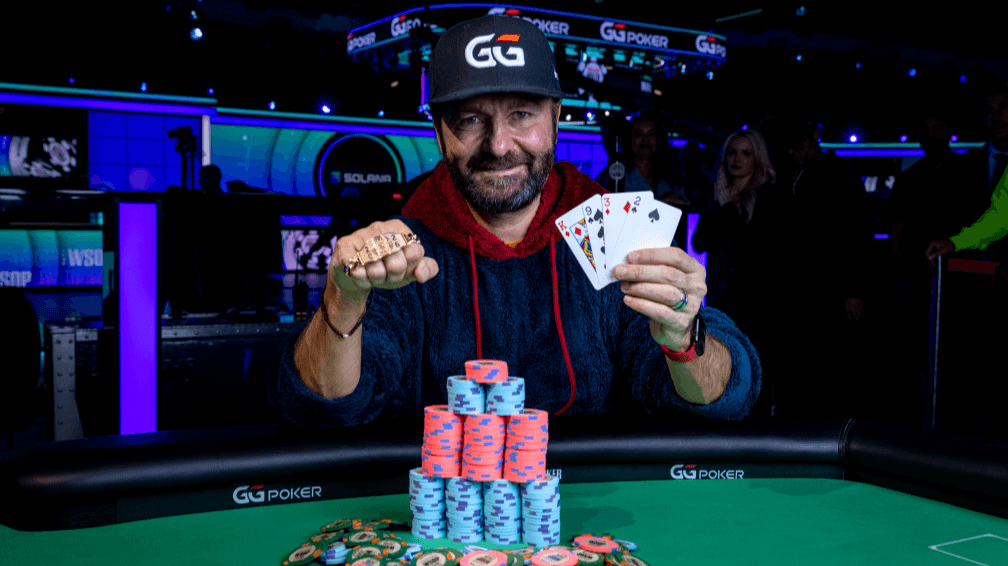
A high roller is a player at sky-high stakes in cash games or the most expensive tournaments. The term was borrowed from English. The literal translation of High Roller is a player who plays big.
In poker there's no universally recognised line between a high roller and a high-stakes regular. For example, on PokerOK the term is applied to cash table players at $200/$400 blinds. At the most prestigious live series — WSOP-2026 — the High Roller tag was attached to 16 of 100 tournaments. The entry fee for the cheapest one was $5,000, and for the most expensive, $250,000.
The term was first coined in the late 19th century: high rollers were amateurs of expensive gambling games. Later the concept became attached to high-stakes poker players.
Not every high roller can be called a good player. Often the term implies a deep bankroll rather than a high skill level. Take football star Neymar as an example. At the peak of his career, the Brazilian earned around $200,000,000 a year. His enormous fortune allows him to take part in major tournaments. With career prize money of $116,632, the footballer plays MTTs with €100,000 buy-ins. Most of the world's top poker players can't afford a €100,000 tournament.
Nor can Guy Laliberté, Paul Phua or Andy Beal be classed as high-calibre players. At various times these billionaires have left tens of millions of dollars behind at the tables. For example, the founder of Cirque du Soleil — Laliberté — lost up to $50,000,000 in online games on Full Tilt Poker and PokerStars. So a high roller in poker is a high-stakes player. Not necessarily strong, but wealthy.
What stakes do high rollers play
In poker there's no clear dividing line between simply an expensive game and high roller stakes. Let's take the lobby of the RedStar Poker room as an example. Cash game players are offered the following stake levels:
Name | Which stakes are included |
Micro | NL2, NL4, NL10, NL25 |
Low | NL50, NL100 |
Medium | NL200, NL400, NL600 |
High | NL1000, NL2000, NL4000 |
The lobby also has more expensive tables, such as NL10000. Players sitting at these can be classed as High Rollers. Other platforms use an alternative stakes structure. Local high rollers might play NL1000 or NL100000.
The choice of stakes depends on the poker player's skill level and bankroll depth. In general terms, the picture looks like this:
Micro stakes. The starting tier for beginners. In cash games, stakes are measured in cents, and buy-ins don't exceed $7. At micro-stakes tables, players learn the rules and Poker ABC.
Low and medium stakes. The player has built a foundation, has won their first serious money, but isn't yet ready to face the strongest opponents. Stakes range in cash games: NL50-NL600. MTTs with buy-ins from $7 to $20 are classed as low, from $30 to $150 as medium.
High stakes. The level of experienced professionals. Mistakes are costly, and most opponents are competent regulars. High cash stakes include tables NL1000-NL5000. The tournament equivalent is events with an entry fee from $200 to $1,500.
High roller stakes. Includes the most expensive cash games and tournaments with buy-ins from $10,000. Alongside the world's leading poker players, you can also find wealthy amateurs at these tables.
Major live series raise the bar even higher. For example, at Triton Series-2026 in Montenegro they organised an MTT with a $200,000 buy-in. Such expensive tournaments sometimes get the label "super high roller".
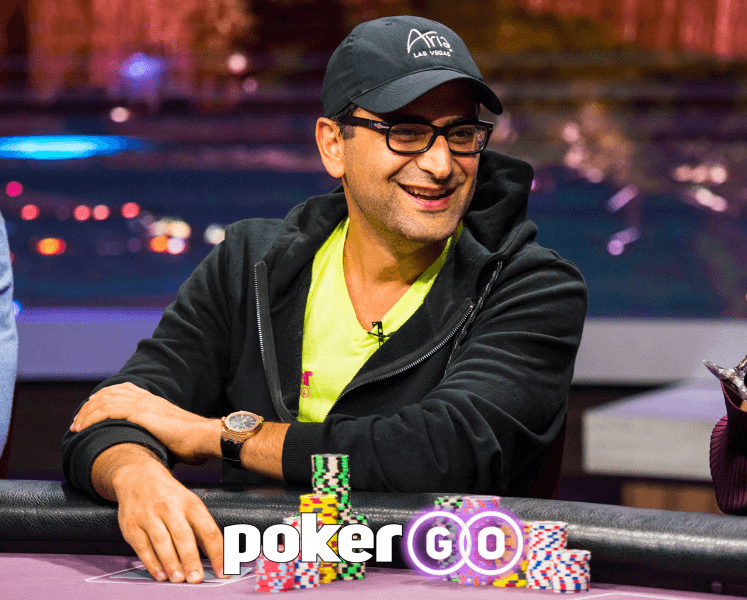
Poker room marketers also blur the term. Many platforms organise festivals of 10-20 events with an overall guarantee of $10,000,000-$15,000,000. To boost the series' prestige, "High Roller" gets added to the name. For example, PokerOK held GGMillion$ Week in 2026. The festival schedule included 65 events. Among the genuinely major MTTs, such as the Main Event with a $10,000,000 guarantee and a $10,000 buy-in, you could find tournaments with a $525 buy-in. As a result, different people classify both a $1,000,000 MTT and a $525 one as High Roller.
How a high roller differs from a regular player
Most beginners come into poker for the money. As they climb the stakes, their income grows too. A high roller is the highest point in a poker player's career development. They take part in the most expensive tournaments and private games. In a few hours, a poker player can win hundreds of thousands, or even millions, of dollars. However, only a handful make the journey from micro stakes to MTTs with buy-ins from $10,000. The rest leave poker or stay at one of the earlier steps.
Let's compare a regular player and a high roller:
Criterion | Regular player | High roller |
Stakes | Cash — from NL2 to NL5000. Tournaments with buy-ins from $1 to $1,500 | Cash from NL10000. Tournaments with buy-ins from $2,000 |
Bankroll | 100-200 buy-ins of the working stake. The more expensive the game, the more conservative the bankroll | From 300 buy-ins of the stake |
Experience | From a couple of months to several years | Decades of consistent growth through the stakes and battling the world's best players |
Cost of a mistake | A few hundred or thousand dollars | Hundreds of thousands of dollars, sometimes millions |
Opponents' level | Low, but grows as stakes rise | High: high rollers play against the world's strongest professionals |
Discipline and psychology | Plays carefully, but may give in to emotions without terrible consequences | Sky-high stakes and enormous sums require iron discipline and a cool head |
Goal of the game | Learning poker, climbing the stakes, reaching a professional level | Income, trophies, a place in the poker hall of fame |
The high roller in the table above was based on a poker player who made the journey from the bottom to the top. The situation is different with wealthy recreational players. They see poker as a way to have fun. Amateurs play at expensive cash tables and in top tournaments thanks to income from their businesses. A deep bankroll compensates for a modest skill level. A lack of extensive poker experience doesn't stop them from playing at high stakes.
Types of high rollers
Poker players can be divided into several groups. Cash specialists and tournament regulars. Fans of live play and online poker. Professionals and amateurs. High rollers in poker can be classified in a similar way.
Professional high rollers
This group includes top professionals, such as Daniel Negreanu, Nikita Bodyakovsky, or Alex Foxen. They make their living from poker, don't miss leading festivals, and always take part in the most expensive MTTs. Each of them has won WSOP bracelets and earned tens of millions of dollars from poker. Some players are so popular that they appear in films and music videos.

Professionals at sky-high stakes achieved success through regular work on their game. They've spent thousands of hours studying theory, analysing hands and searching for gaps in opponents' strategies. Top players keep track of industry trends and adopt most of the innovations. They actively use poker software: calculators, trackers and solvers.
Discipline plays a crucial role in a professional's career. Through strict bankroll management, they made the journey from low stakes to tournaments with buy-ins starting at $25,000. High-class poker players never play with their last money and remember the principles of table selection.
Wealthy recreational players
A group opposite to the professionals. Wealthy recreational players include: Guy Laliberté, Paul Phua and Andy Beal. Among more recent examples, we should mention billionaire Santhosh Suvarna. Over several Triton Series festivals, the Indian amateur lost $12,300,000. Wealthy recreational players share a common trait: they earned their capital outside of poker. Amateurs come to the tables for relaxation, thrills and the chance to indulge their ego.
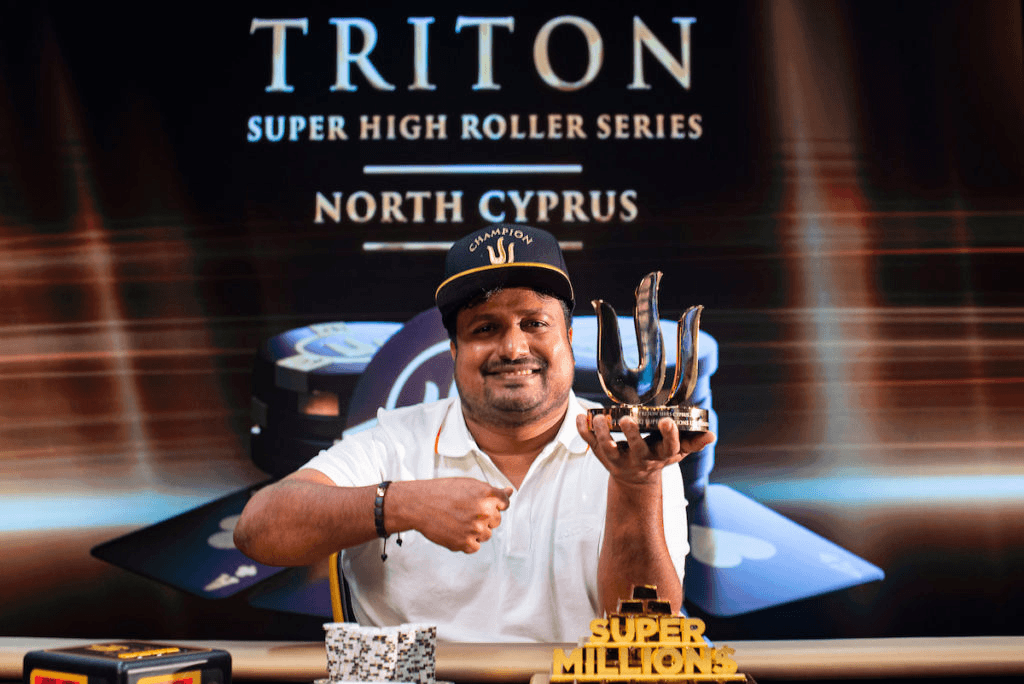
Wealthy amateurs play for the emotions and don't turn losses into a tragedy. In most cases, recreational players are inferior in skill to professionals. Amateurs make many decisions based on intuition. They don't use solvers and ignore training. Professionals are always happy to entertain a wealthy hobby player.
Cash and tournament high rollers
Cash high rollers take part in closed games in Las Vegas and Macau. Private games aren't tracked by anyone, so it's difficult to gather reliable information. As an example, let's take Tobey Maguire. According to rumours, the popular actor won between $30,000,000 and $40,000,000. Phil Hellmuth, holder of 17 WSOP bracelets, earned around $11,000,000 in private games. We shouldn't discount online poker specialists either. For instance, Dan “Jungleman” Cates won over $11,000,000 online.
Top tournament players focus on the biggest festivals: World Series of Poker, European Poker Tour, World Poker Tour, Triton Series. As of 15 July 2026, the top-5 record holders by career prize money looked like this:
Player | Total winnings | Biggest win |
Bryn Kenney | $89,094,210 | $20,563,324 in the Triton Million for Charity |
Stephen Chidwick | $79,029,052 | $5,368,947 in the Triton Million for Charity |
Jason Koon | $77,032,156 | $3,579,836 in the Triton Poker Super High Roller Series |
Nikita Bodyakovsky | $68,780,521 | $7,114,500 in the WPT World Championship |
Adrian Mateos | $67,813,885 | $6,370,000 in the Triton Poker Super High Roller Series |
The list's participants with the largest prize money won in High Roller Tournaments. For example, Bryn Kenney received $20,563,324 in a tournament with a $1,000,000 entry fee. Adrian Mateos secured $6,370,000 in an event with a $200,000 buy-in. These players first climbed to the highest levels of poker, and then secured the best prize money.

Some players show a high level in both disciplines. For example, Phil Hellmuth added another $31,178,103 in tournament winnings to his $11,000,000 in cash games. Among the younger players, we should highlight Linus Loeliger. This cash star performs successfully in live series too. By summer 2026, Linus had earned $9,976,464.
Online and offline high rollers
Most players begin their career in online poker. Newcomers learn the rules, gain experience, progress and reach a high level. Already-qualified players with a solid bankroll move on to offline. Some poker players prefer an online career and ignore offline entirely. They regularly play the biggest online tournaments but rarely attend the WSOP, EPT or Triton Series. The top-5 online high rollers looks like this:
Player | Achievements |
Niklas “Lena900” Astedt | Has won over $48,000,000 online. Holds the record for wins at SCOOP and WCOOP. In 2024 he finished third at the WSOP ME and earned $4,000,000. |
Benjamin “Bencb789” Rolle | Has won over $35,000,000. Rolle's biggest success is winning the WSOP Online ME in 2025. The champion's title was topped off with a $3,900,707 prize. |
João “Naza114” Vieira | Has won around $23,500,000. His biggest online win was $469,987 in SCOOP. Holder of four WSOP bracelets. He also performs successfully in live poker. His offline winnings total $21,825,331. |
Chris “Moorman1” Moorman | Has won around $24,000,000 online. The first in the world to pass the $10,000,000 and $20,000,000 marks in online winnings. Holder of two WSOP bracelets. |
Peter “Belabacsi” Traply | Has won around $17,000,000. His biggest online success was $312,360 for winning a SCOOP tournament. Holder of a WSOP bracelet. |
Putting together a table of the most successful cash game players is harder. No one keeps a unified database, poker players use different nicknames on different platforms, and rooms don't publish information about winnings. The approximate list looks like this:
Daniel "Jungleman" Cates. A legendary Heads Up specialist. By 2014 he had earned over $11,000,000 on Full Tilt Poker and PokerStars. He became famous in the legendary "Durrrr Challenge," where he won over $1,200,000 from Tom Dwan.
Linus "LLinusLLove" Loeliger. In 2024 the player earned around $1,400,000 on GGPoker alone. Linus's total cash winnings are approaching $10,000,000.
Andrew Robl. There's no precise information about his online results. However, Andrew actively plays televised cash games. There he's up $8,500,000.
Niklas Heinecker. From 2012 to 2014 he won over $14,500,000 at the PokerStars and Full Tilt Poker tables. A significant portion of Niklas's income came from Paul Phua. The amateur high roller lost around $2,200,000 to Heinecker.
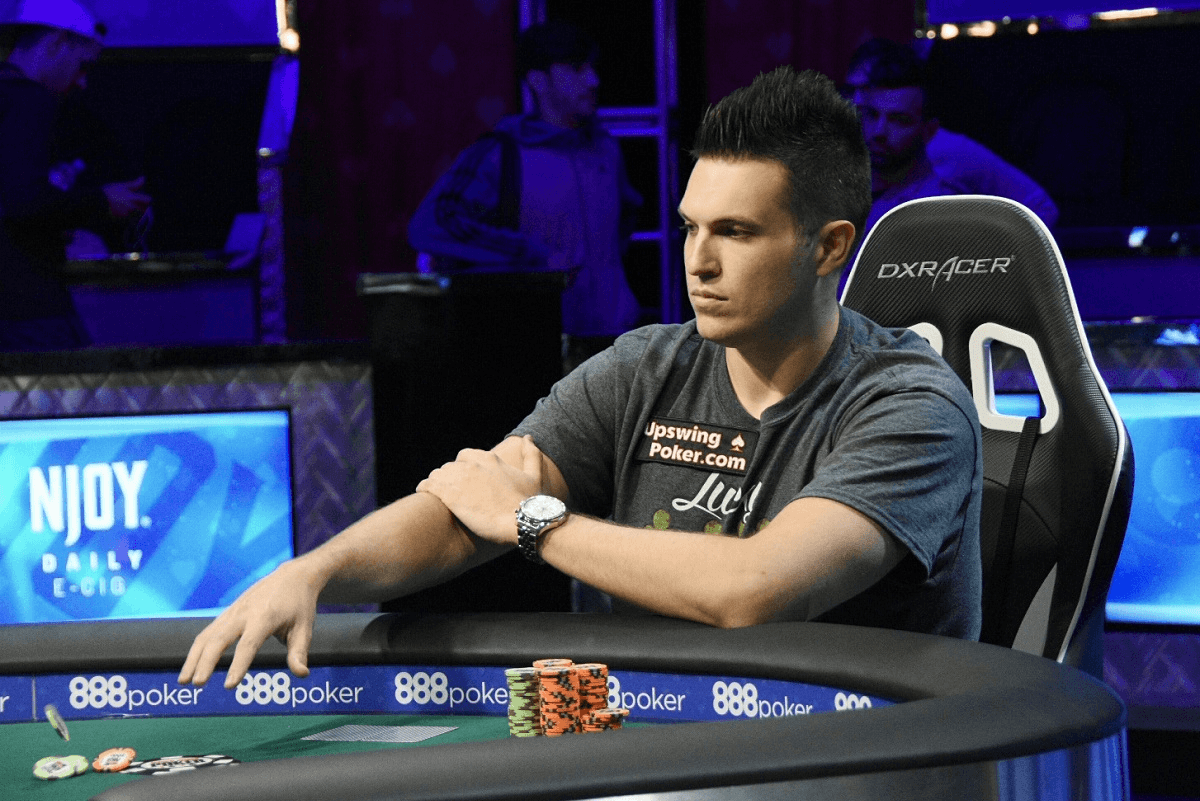
Doug Polk. One of the best Heads Up players. He played a memorable match against Daniel Negreanu. He won over $1,200,000 from the legend over 25,000 hands. He regularly held duels with other online high rollers. In 2025 he prevailed in a showdown against Ossi Ketola. By the end of the session he had won $1,200,000.
Timofey Kuznetsov. The legendary “Trueteller” became famous for his successful performances on PokerStars and Full Tilt Poker. At the cash tables he won over $5,000,000. In 2017 Timofey earned over $1,500,000 online in 8 months. From 2015 to 2020 Kuznetsov actively played live tournaments. In them he ended up $8,648,295 in profit.
Let's also look at the biggest pots in the history of online poker:
Year | Room | Prize pool | Winner |
2022 | CoinPoker | $7,750,652 | Antanas Tony G Guoga |
2022 | CoinPoker | $1,820,663 | Leon Tsoukernik and Antanas Tony G Guoga |
2022 | GGPoker | $1,447,347 | Viktor Limitless Malinovskiy |
2009 | Full Tilt Poker | $1,356,946 | Patrik Antonius |
2022 | GGPoker | $1,237,886 | Barak Wisbrod |
2009 | Full Tilt Poker | $1,127,955 | Viktor Isildur1 Blom |
2022 | GGPoker | $1,092,276 | BIEDERMIER |
Offline high rollers refer to participants of the most expensive live tournaments. The top five, headed by Bryn Kenney, were listed in the section about top MTT players. Among the top 20 by winnings, we should note industry legends: Daniel Negreanu, Phil Ivey, and Erik Seidel.
Learning at FunFarm, from any level
High roller tournaments: what they are
The label of the most expensive poker tournaments is often accompanied by the tag High Roller. It emphasises the premium nature of the competition. There's no clear line between an MTT with a high buy-in and a high roller event. For example, at the Triton Poker series, top tournaments are considered to be MTTs with buy-ins from $150,000-$200,000. On the Russian Poker Tour, MTTs with an entry fee of $1,000 are classified as High Roller. The colossal gap in buy-ins doesn't stop both events from being called high roller events.
A High Roller differs from a regular tournament in the number of participants and the final prize. Let's take WSOP-2026 as an example. The Colossus tournament for $500 attracted 16,269 players. The winner took home $4,065,771. The Super High Roller for $250,000 attracted 56 people. The champion walked away with $13,720,000. In more expensive tournaments, the contrast in skill level is much more noticeable. In a $250,000 MTT, participants are either top professionals or wealthy amateurs. Often, millionaire fish show weak play.
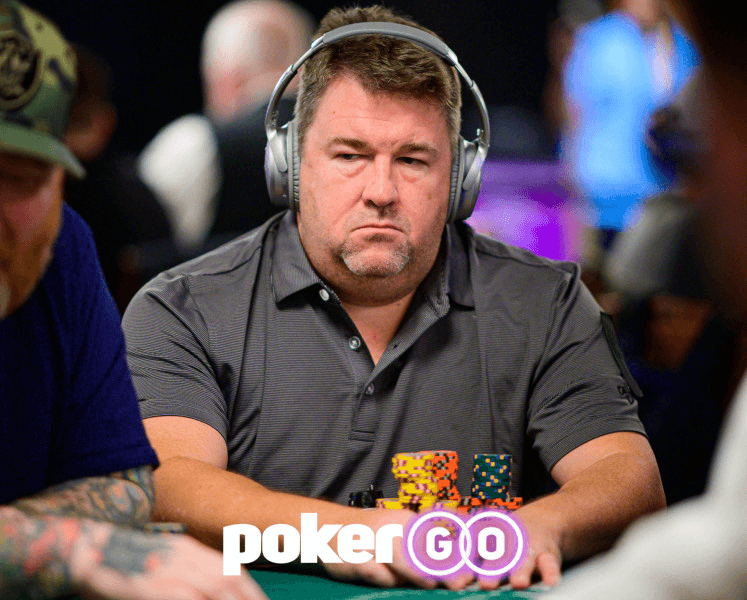
The most expensive poker tournaments are organised at WSOP, EPT and Triton Series. At WSOP-2026, 11 MTTs with buy-ins from $25,000 were held. Entry to the most expensive events cost $250,000. Participation in the largest EPT event cost €98,000. Several tournaments with $150,000 buy-ins were held on the Triton Series.
Online, the selection of the most expensive MTTs looks like this:
Room | Tournament | Buy-in |
PokerKing | Phil's Thrill | $10,300 |
GGPoker | GGMillion$ | $10,000 |
PokerKing | The Venom | $2,650 |
GGPoker | Omaholic Super Stack | $840 |
PokerKing | Euro High Roller | $630 |
The largest buy-in isn't always equal to the biggest guarantee. Phil's Thrill attracts between 50 and 70 people, so the winner is paid between $150,000 and $200,000. The Venom champions take home more. For example, Gabriel Tavares won $1,505,240 in 2025.
High roller MTTs are added to the schedule of many online festivals. As part of the GG World Championship 2026, GGPoker ran 400 tournaments with buy-ins starting at $1,051. The entry fee for the most expensive events of the series reached $10,000.
Super high roller — what is it
In recent years, high-stakes players have been called "super high rollers". The new term was introduced to distinguish poker players with the deepest bankrolls. Let's take two PokerKing tournaments as an example: Euro High Roller and Phil's Thrill. Entry to the first costs $630, and to the second — $10,300. Both MTTs are classed as high roller events, but the Phil's Thrill buy-in is 16 times higher. To emphasise the special status of participants in the most expensive MTTs, a new concept was invented.
Super high roller tournaments are distinguished by a modest number of players. They resemble multi-table Sit and Go more than anything. For example, the debut The Big One for One Drop for $1,000,000 attracted 48 participants. The following MTT with a million-dollar buy-in was played by 42 people. Tournaments with entry fees starting at $100,000 don't attract many more poker players either. At WSOP-2026, the MTT with a $100,000 buy-in had 115 entries. The tournament for $250,000 gathered 56 registrations. The number of entries doesn't equal the number of participants: one player can bust out and buy a second attempt for an additional buy-in.

In recent years, Triton Poker has taken over the status of the most expensive festival
Playing in super high roller tournaments places a poker player on par with a member of an exclusive club. Participating in an MTT with buy-ins starting at $100,000 is the poker equivalent of owning a Patek Philippe watch or a Shelby AC Cobra car.
High roller, regular, professional and whale: what's the difference
Poker uses terms that are close in meaning. Many beginners don't understand the difference between them. The table below will help clarify the distinctions:
Term | Meaning |
High roller | A participant in the most expensive cash games and tournaments. The term describes the depth of the bankroll rather than the level of skill. |
Regular | A steady poker enthusiast. Devotes a lot of attention to it and plays large volumes. Earns income from poker. |
Professional | Makes a living from playing. Follows bankroll management, constantly improves skills, and moves up in stakes. |
Whale | A weak player with a deep bankroll. The term migrated into poker from casinos. A desirable opponent for professionals and an honoured guest of gambling establishments. |
The concepts of "professional" and "regular" are used as synonyms. "Regular" is usually applied in the context of online poker. The category of "high rollers" includes players of opposite skill levels: the world's best poker players with vast experience, and wealthy amateurs. Both groups share a deep bankroll in common. The most unambiguous term is "whale". It refers to a wealthy and weak player. Many gambling establishments offer whales VIP treatment: a personal manager, the best hotel rooms, increased credit lines.
How high-stakes players think
Some beginners believe that all it takes to play at high stakes is to build up a large bankroll. They consider skill and experience to be secondary factors. The most reckless newcomers make a large deposit and go on to try to earn money in high-stakes games. Zero balance in the account is the inevitable price for illusions about poker.
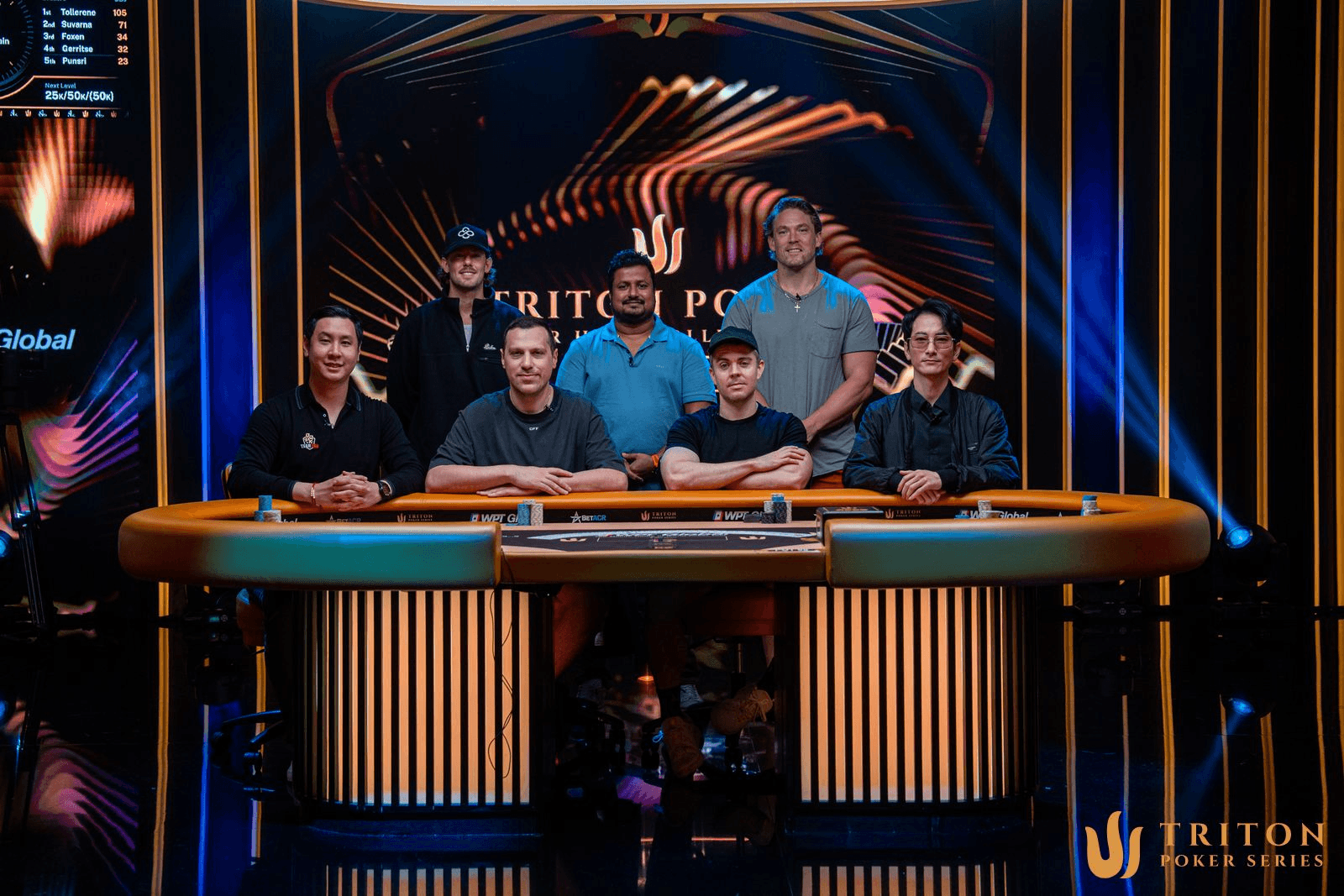
Reaching high stakes is possible through systematic work. Random people don't grow into high roller status
Winning in expensive games requires a high level of skill. Opponents at NL5000 or in a $1,000 tournament think in ranges, masterfully apply GTO, and control their emotions perfectly. The finest nuances give an edge over opponents. A high roller's basic toolkit includes:
Impeccable knowledge of maths. A strong player instantly calculates pot odds, equity and odds ratios. Every deviation from the mathematically optimal decision requires serious justification.
Understanding the role of position. A professional values every scrap of information. Data on opponents' actions gives a colossal advantage. A top player perfectly leverages positional edge.
Psychological stability. A high roller doesn't just avoid tilting — they've built an entire system of protection against emotions. Losing several tens of thousands of dollars doesn't lower the quality of their play. Iron discipline lets them keep a cool head in the most difficult moments of a session. Top players don't react to local setbacks. They view them as part of the long run.
Regular training. Playing at high stakes requires constant self-improvement. Professionals spend a huge amount of time analysing opponents. They write notes, memorise betting patterns and look for weaknesses in opponents' strategies. Top players use every available tool: software, discussing hands with colleagues, sessions with a coach.
Strict bankroll management. The road to the top of the poker hierarchy takes more than a single year. Along the long path, every professional has hit a losing streak at least once and learned the importance of a conservative bankroll. They understand that denying reality can lead to bankruptcy, and they move down a limit in time.
A place on the list of elite players isn't guaranteed by capital, but by a combination of skills. If a poker player has developed them, they'll join the ranks of high rollers. Otherwise, more skilled opponents will take their money.

Risks of playing at high stakes
Poker is a game of skill, but over a short sample the result is determined by variance. At low stakes, it's easier to survive a losing streak. A large number of weak players offsets losses from coolers and bad beats. In expensive games the risk is higher. There are fewer amateurs at the tables, and the regulars are significantly more skilled. Psychological pressure also increases at high stakes. Losing 10 stacks at NL10 puts you $100 in the red. The same 10 stacks at NL5000 equal $50,000. Not every professional will keep playing at a high level after a loss that large.
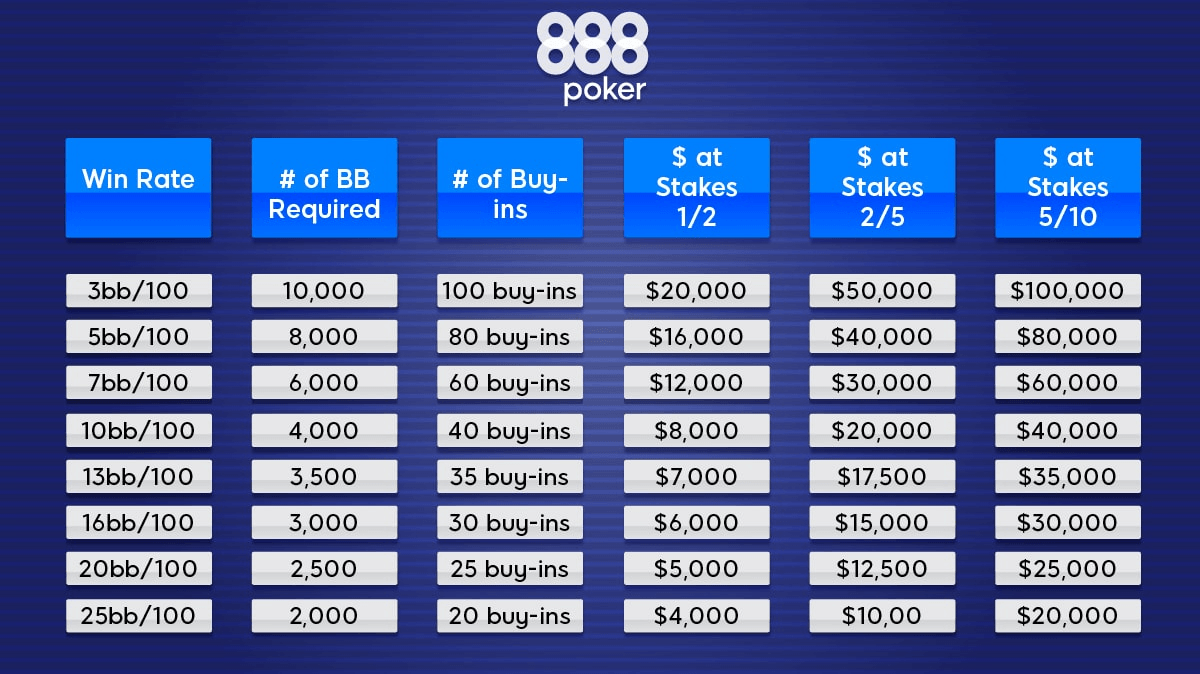
Players at sky-high stakes face other risks too. Among them:
Overestimating one's skills. A few successful sessions and a player starts to think of themselves as a genius. Overconfidence leads to a loss of concentration and poor decisions. Online poker has plenty of stories of a regular winning a big tournament, moving into cash games and dumping all the money.
Abandoning bankroll management. A classic example: a player with an ABI of $20 gets into an expensive tournament through a satellite, wins it and multiplies their capital several times over. With a bankroll of $25,000, $20 MTTs no longer seem interesting, so they move up. However, the poker player can't handle the level of tournaments with $100-$200 buy-ins. The riskier approach to bankroll doesn't pay off and the player loses money.
Falling self-esteem. High-stakes tables gather the strongest players. Top poker players punish every mistake mercilessly. After several losses, newcomers lose their psychological balance. The least confident players decide they've hit a ceiling and move down. Over the long run, a loss of self-belief leads to stagnation and disillusionment with poker.
Let's add taxes and fraudsters to the list of risks. Large deposits and cashouts can attract the attention of tax authorities. That's why a high roller should think in advance about ways to legalise poker income. Scammers are also highly interested in players with a large bankroll. To protect your money, learn the basics of cybersecurity. Don't click on suspicious links, use different passwords, and enable two-factor authentication.
How to become a high roller in poker
Only a handful make it from freerolls to the industry's most expensive tournaments. Most players never reach the top. Some lose interest in poker, while others lack the ability. To work for years toward a long-term goal, you need high discipline, dedication and a development plan. In simplified form, the step-by-step strategy looks like this:
Laying the foundation. We study the rules and mathematics of poker. We put together starting hand charts, start using trackers and equity calculators, and get acquainted with the principles of bankroll management.
Reinforcing skills in practice. We start out in freeroll tournaments, earn our first money, and try different MTT formats.
Introducing analytics into training. After every session we review hands, look for mistakes and note contentious moments. We expand our knowledge base with new concepts from the courses of top players.
Building psychological resilience. Tilt has buried the careers of countless players. That's why sensible beginners start working on mental endurance early on. Not losing control under intense pressure is a crucial skill for a high roller.
Tracking progress. We move up to tournaments with a higher buy-in the moment we're ready for them. To take the next step, you need to outgrow your current stake level in terms of skill and build up your bankroll. Proceed carefully — moving up prematurely can turn into a disaster.
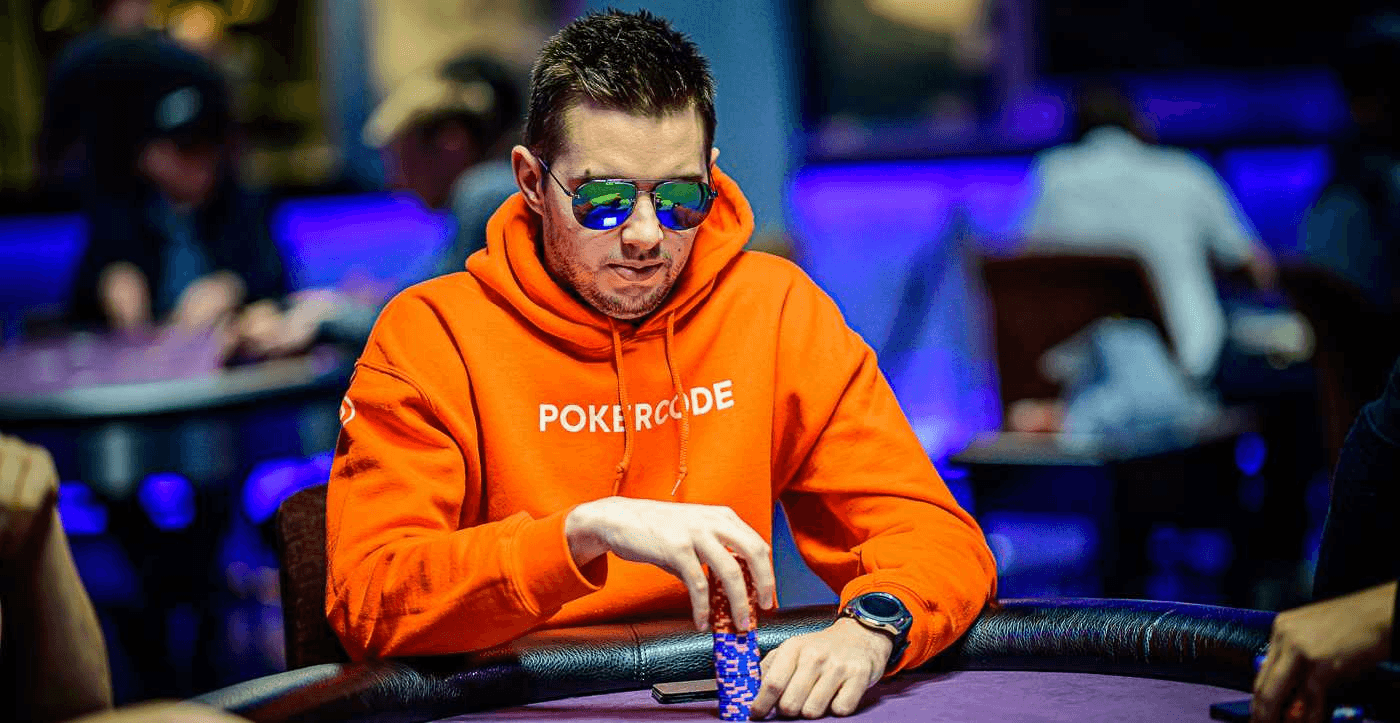
The road to becoming a poker high roller can hardly be called a 20-minute adventure. Koray Aldemir began his career in freerolls in 2006 and won the WSOP Main Event 15 years later. Viktor Malinovsky came into poker in 2014, but grew into a high-stakes cash game player by 2022. If you're planning on becoming a professional high roller, prepare yourself for years of hard work.
Wealthy amateurs also fall into the high roller category. Hypothetically, a player might earn capital outside of poker and spend it entering expensive tournaments. The ability to put in a large buy-in gives an amateur high status. However, without deep knowledge and experience, they end up playing the role of an ATM for experienced players.
High roller in casinos and bookmakers
The term high roller came into poker from the gambling business. In casinos, it refers to a customer who regularly places large bets on blackjack, roulette or baccarat. High-stakes players bring good revenue to establishments. That's why high rollers receive exclusive privileges: VIP status, a personal manager, higher limits, individual bonuses and gifts. Particularly valuable clients are given tickets to concerts, have their luxury rooms paid for, and get private planes arranged for them. Entire casino halls are closed off just for them.
A similar meaning applies in the bookmaking business. High rollers place the largest bets on sporting events. To attract them, bookmakers raise limits, provide a personal manager, and offer other individual terms and privileges.
In poker, a high roller is a high-stakes regular. They take part in the most expensive cash games and tournaments.
How to become a high roller
Reaching high-stakes games takes years of hard work. The road from freerolls to the most expensive tournaments takes at least 5 years. To speed up your progress and not waste time, join FunFarm. Over 13 years, FF players have earned over $92,000,000. Fund members have won more than 250 times at the WSOP, SCOOP, WCOOP and other expensive poker tournaments.

Thanks to backing, the school's players are able to progress faster
Training at the school consists of five steps: FF Start, FF Player Path, League 1, League 2 and Elite. Beginners take their first steps in FF Start. They study basic poker concepts and take an exam. At the next level — FF Player Path — students move onto a professional track. In League 1 and League 2, they study advanced concepts under the guidance of top coaches. Students from Elite have a sufficient level of skill and bankroll to regularly play the most expensive poker tournaments.

Free course · FF Start
Build your foundation in one course
Hand rankings, terminology and the logic of a hand — without scattered tips or complicated explanations.