Tom "durrrr" Dwan: the biography of a high-stakes poker legend
Can you become one of the most influential poker players of your era without a pile of titles and tens of millions in tournament winnings? Yes — if your name is Tom Dwan. Let's figure out the secret behind the American high-stakes legend.
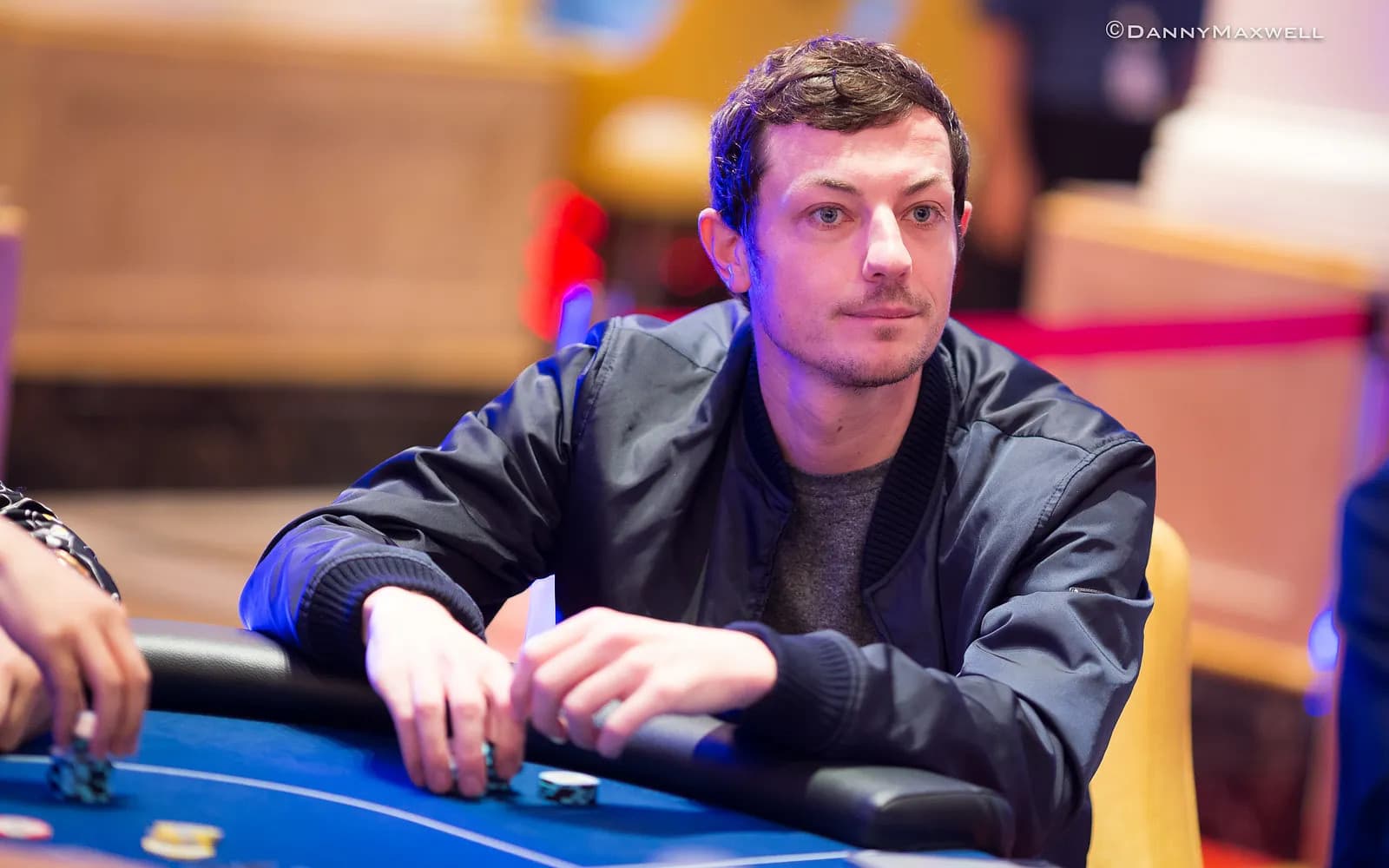
Tom Dwan is an American pro who first found fame online under the nickname "durrrr". He became one of the central figures of online high stakes and televised cash games in the 2000s. Fearlessness at the very highest stakes, audacious bluffs and a rich technical arsenal made Dwan a symbol of the era. That said, Tom disappeared from the public eye for several years, focusing on private cash games, yet he never lost his popularity. Only recently did the 40-year-old player decide to return to tournaments and, possibly, cash streams.

New breakdowns in your inbox
Subscribe to the FunFarm newsletter: fresh Poker ABC articles and material that helps you grow as a player.
Biographical profile
Full name: Thomas Dwan
Date and place of birth: July 30, 1986, Edison, New Jersey, USA
Nickname: durrrr
Triton Series titles: 2
Career live tournament winnings: $7,335,776 (according to The Hendon Mob as of November 5, 2026)
Largest live tournament win: $793,775
From $50 to high stakes
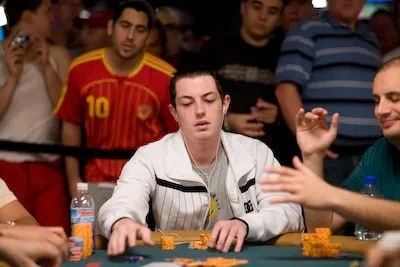
Tom Dwan started playing poker at 17. Like many others, he began with freerolls. And in 2004, for his first deposit on Paradise Poker, Tom used the $50 his father had given him for his birthday. He switched to $6.50 Sit&Go tournaments, but things didn't go particularly well there. At one point Dwan's bankroll dropped to $14, but the young player managed to push off from that mark and start making money.
The move from SnGs to heads-up cash games is what got him going. After that, Dwan's bankroll grew to $15,000 in four months — and at that point he had only just finished school. The McDonald's side job Tom had before poker was, of course, a thing of the past.
Dwan immediately picked the odd nickname "durrrr" for himself. There are two versions of its origin: either it's a reference to a slang word meaning "ridiculous, stupid", or it's simply the sound Tom and his friends used when someone was goofing around.
But what's known for sure is that the young player settled on that nickname to annoy his opponents. His idea was that opponents would lose their cool when they lost to someone with such a ridiculous nickname. Even in his youth, Dwan knew how to play mind games at the table.
Dwan enrolled in the engineering faculty at Boston University, but didn't stay there long. He said he quickly grew his bankroll to $150,000, but then lost a third of that amount, and at the same time realized he wasn't coping with his studies. So Tom decided to drop out of university after his first year to focus entirely on poker.
Since Tom couldn't legally play in the USA because of his age, he set off to conquer European live series. On those trips he made the ITM in a live tournament for the first time. It happened in September 2005 in London, where the 19-year-old player took 12th place in the EPT Main Event with a ₤3,000 buy-in and earned ₤7,000.
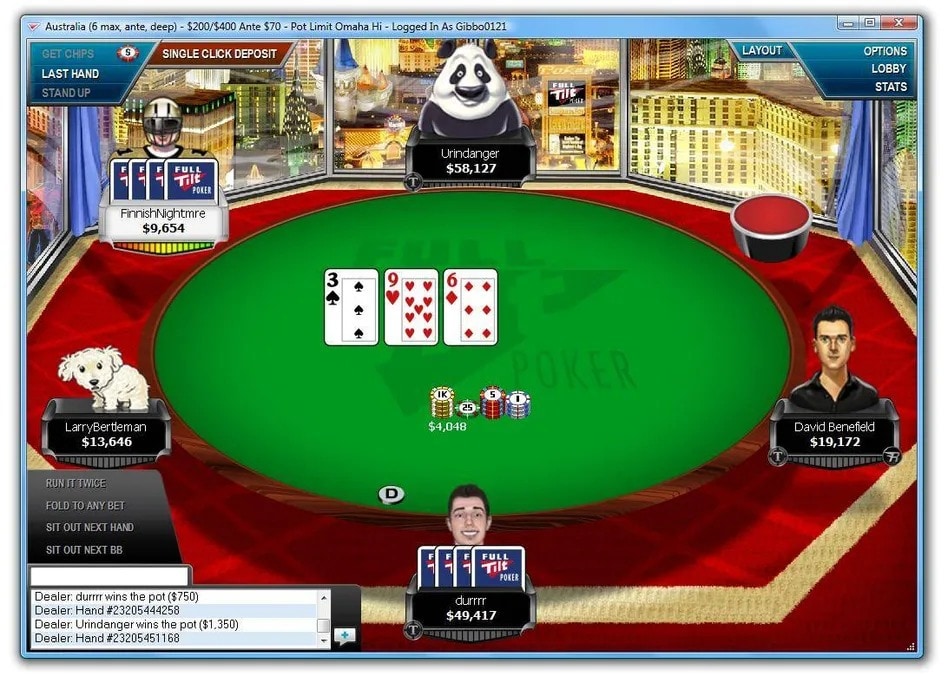
At the same time, Dwan kept playing actively online, raising the stakes more and more. In 2007 he reached the $200/$400 limits and ran his bankroll up to $3 million, but a prolonged downswing followed. In four months "durrrr" lost more than $2 million.
Such a blow didn't make Tom abandon his career as a poker player. Dwan moved down to the $25/$50 stakes and methodically began rebuilding his bankroll. He admitted that he didn't really consider alternatives:
"I didn't have much of a choice. Either keep grinding, or put the remaining money in a bank account and go work at McDonald's. Sticking with poker seemed more exciting."
Online breakthrough and first live tournament successes
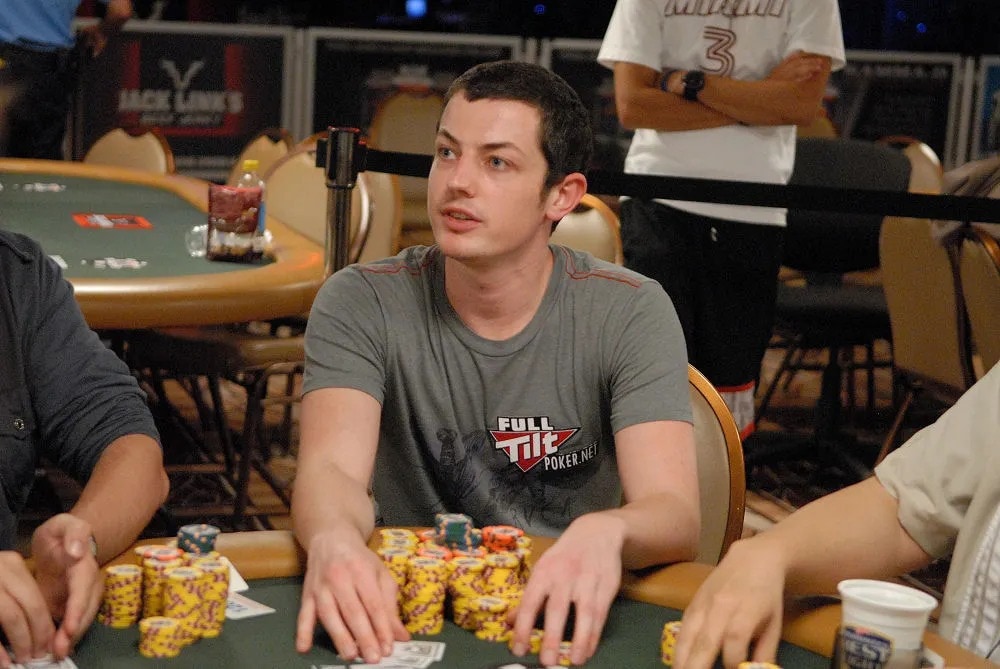
In 2008, the now adult Tom Dwan became a genuine star of high-stakes poker. He spent most of his time playing on Full Tilt Poker, where he drew attention with heads-up matches at enormous stakes. The young American was ready to challenge anyone and battled Ilari Sahamies, Patrik Antonius and Phil Ivey.
At the end of that year, "durrrr" set a personal record for the largest pot won online. At a 6-max table with $500/$1,000 blinds on Full Tilt, Dwan took down $657,070. And across all of 2008, according to HighStakesDB, the young player earned $5.41 million in that room.
In parallel, Dwan started achieving success in live poker too. In January 2008 he finished second in an Omaha tournament at the Aussie Millions and in the $5,000 No Limit Hold'em at the World Poker Tour. Those results brought him $316,000. And at the summer World Series, Dwan reached the final table twice. He finished seventh in the $10,000 World Championship 8-Game and eighth in the $5,000 No Limit 2-7 Draw, earning nearly $113,000 in total.
Dwan's highs during sessions were often followed by drawdowns, a consequence of his aggressive playing style. And after a stellar 2008, he experienced a serious downswing in 2009, taking his signature swings to a larger scale and losing around $4.35 million over the year.
His passion for playing against the strongest opponents at high stakes is what led Tom to lose a significant part of his bankroll. He lost around $2 million in games against Phil Ivey and Ilari "Ziigmund" Sahamies. And a little later Dwan ran into a mysterious opponent from Sweden using the nickname "Isildur1", who had just burst onto the high-stakes cash scene.
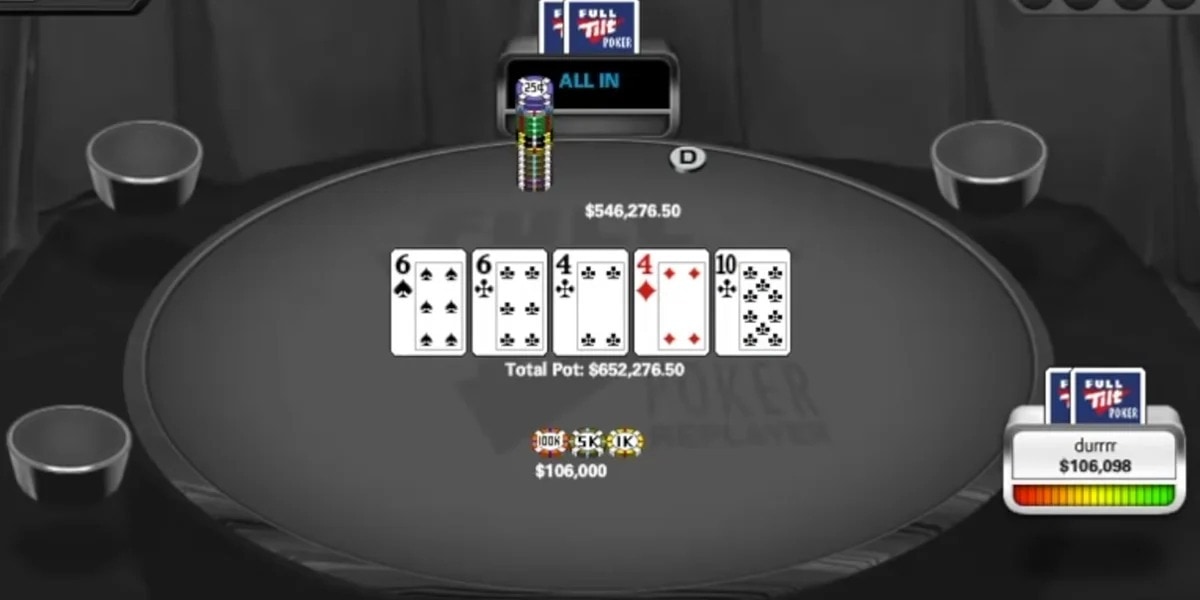
Dwan and Isildur played six heads-up tables of No Limit Hold'em, initially with $300/$600 blinds, and then the stakes rose to $500/$1,000. In four hours "durrrr" lost $3 million to the audacious newcomer. To recover from such a blow, Tom once again moved down in stakes and soon won back most of the lost amount.
That match took place in November. A month later "durrrr" and "Isildur1" met again, and this time the Swede won $500,000. Before the rematch, Dwan had invited his opponent to play live in London as part of the Full Tilt Poker Durrrr Million Dollar Challenge, but the Swede didn't accept the offer.
In the end, Dwan's opponents in the Million Dollar Challenge were Ilari Sahamies, British businessman Sammy "Any Two" George and cash player Marcello "luckexpress" Marigliano. Each paid $250,000 to take part in the game, which was played at $500/$1,000. The players could choose between No Limit Hold'em and Pot Limit Omaha, but under the rules they were forbidden to leave the match until they had played 500 hands or lost their entire buy-in.
In the first match Dwan lost $22,500 to Marigliano, but finished the game against Sahamies in the black, earning $68,000. The most successful was the match against Sammy George. Before it began, the opponents made an additional side bet — the player who took down a pot with a 7-2 hand would receive a $10,000 bonus.
That condition led to one of the most famous bluffs in the history of poker broadcasts. Dwan, holding 7-2, bet $479,500 into a $162,000 pot on the river, and George folded his two pair, aces and sixes. "durrrr" finished that match with a profit of $750,000, and the whole challenge brought him $795,500 in total.
In 2009 Tom Dwan became a Full Tilt Poker ambassador. That partnership, however, didn't last long. In 2011 "Black Friday" happened in the USA, after which the room was branded a financial pyramid. The site first shut down, and later came under the management of PokerStars. In 2013 Full Tilt confirmed that Dwan was no longer its ambassador.
We covered the collapse of Full Tilt and other rooms in a separate article:
How "Black Friday" changed the world of online poker
As for live tournaments, "durrrr" made the ITM at the WSOP a few more times. In 2011 he finished ninth in the heads-up championship with a $25,000 buy-in and took fifth place in the $10,000 H.O.R.S.E Championship, earning $434,480 in total.
But Dwan came closest to a gold bracelet in 2010. In a $1,500 No Limit Hold'em tournament that drew 2,563 entries, he reached heads-up play, where he lost to Simon Watt. That result brought Tom $381,885, which still remains one of the largest tournament cashes of his career.
Durrrr Challenge
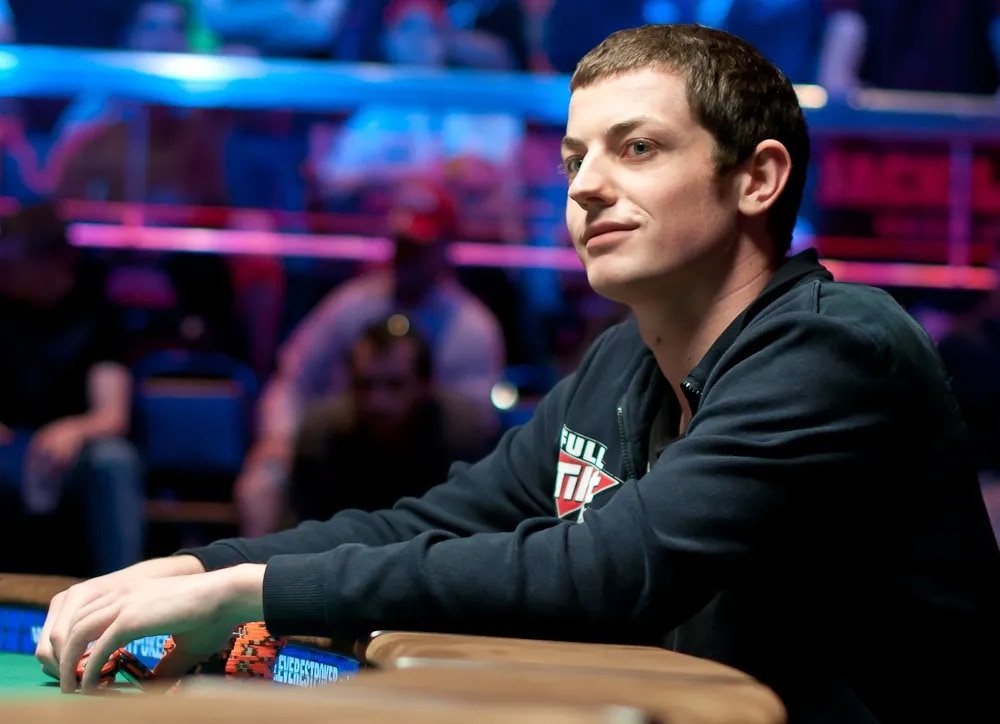
One of the most famous parts of Tom Dwan's biography is, of course, the Durrrr Challenge. In that same year of 2009 he issued an open challenge, declaring his readiness to play against any opponent except his close friend Phil Galfond.
The terms of the challenge: heads-up over 50,000 hands at four tables with stakes of $200/$400 or higher in NLH or PLO. In addition, participants could top up if their stack dropped below 75 blinds. Dwan promised to pay $1.5 million if his opponent was ahead at the end of the whole distance. If Tom won the match, he would receive $500,000.
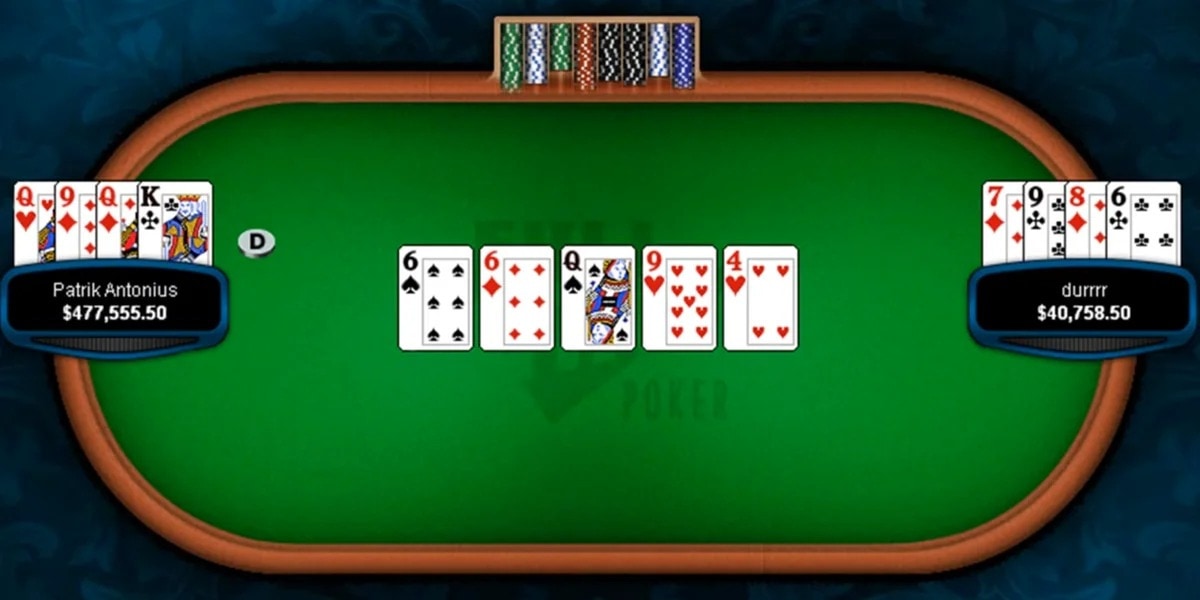
The first to take up the challenge was Patrik Antonius. The Finnish high roller was considered the strongest online Omaha player, so he chose PLO for the match. For a long time the lead passed from one opponent to the other, and in June they played the longest session of the challenge: 15 hours and 4,523 hands.
Antonius won a full house over full house cooler and took the biggest pot of that session and of the entire contest — $477,555. However, that didn't save him from defeat that day. At one point Dwan was ahead by $1.2 million, and he finished the session up $726,000.
In November the match had to be interrupted because of Dwan's big loss to Isildur, but when "durrrr" returned to the challenge, he simply dominated Antonius and extended his lead. In March 2010 the strangest session of the contest took place. It lasted just 9 minutes and 61 hands, but brought Dwan $230,710.
The final sessions took place in August 2010. Antonius won back $244,599, but after 39,436 hands "durrrr" was ahead by $2,059,719. The remaining 10,000 hands were never played, and the opponents never revealed the outcome of the challenge.
According to Doug Polk and some other sources, Antonius paid Dwan for the unplayed hands, but the details of the deal remain unknown. The Finnish high roller himself explained his defeat by overconfidence and a lack of experience playing multiple tables at once.
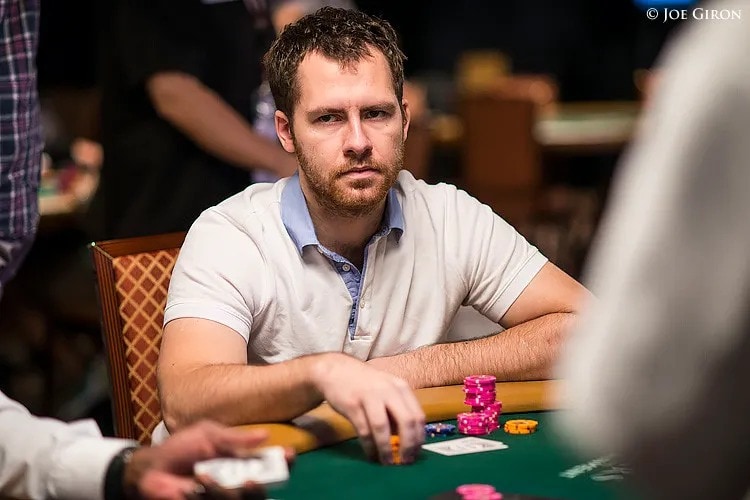
The second part of the challenge began in August 2010. Dwan's opponent was Dan "Jungleman" Cates, who, according to some reports, had won $800,000 from Tom in cash games shortly before that. Cates chose Hold'em for the match and added a couple of new rules. Players were given the ability to restore their stack to the starting amount if it dropped below 75 BB, and by mutual agreement could open six tables instead of four.
Dwan started the match powerfully and won $129,888 in the first 2.5 hours, but then "Jungleman" seized the initiative. The session lasted almost 12 hours, during which the opponents played nearly 5,900 hands, and Cates finished it with a profit of $518,191. Note that it took Dwan and Antonius six sessions over the course of a month to accumulate the same number of hands.
In the second session "Jungleman" set a furious pace and started winning at a winrate of 25 BB/100 hands, extending his lead to $692,400. In the fall of 2010 Dwan began to claw back. "durrrr" was winning the larger pots, but Cates won more hands and didn't let his opponent get close. And in January 2011 Cates made another powerful push. Over a session of 2,918 hands he won $319,103, bringing his total profit to $819,213.
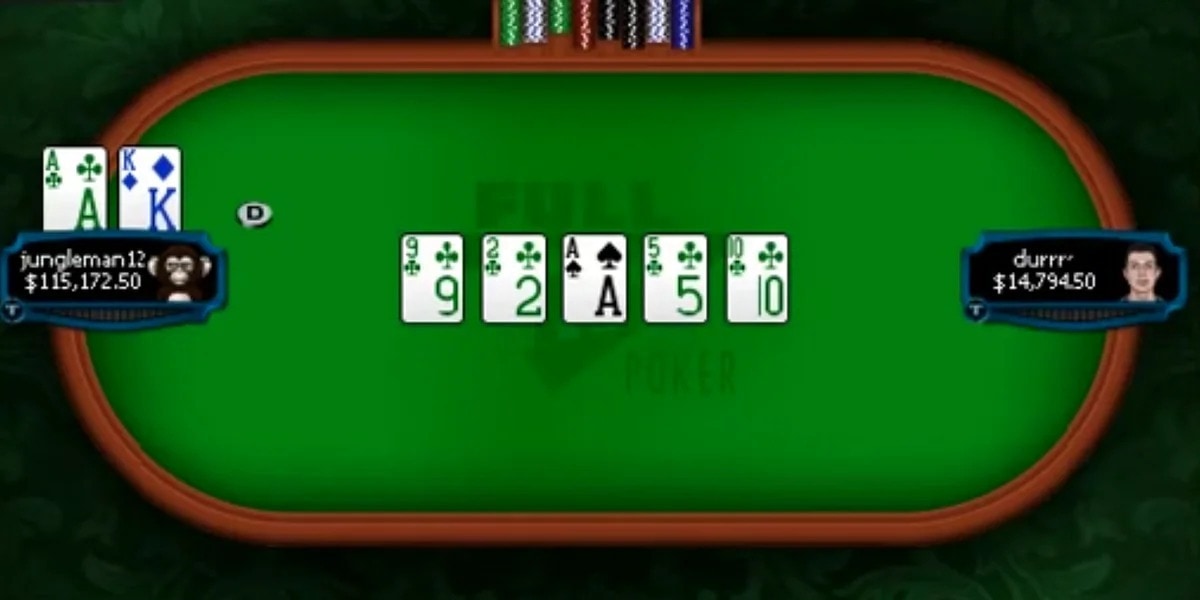
Then came a long pause and several short sessions. After 19,335 hands Cates was ahead by $1,251,059. However, the opponents were not destined to finish the challenge. In April 2011 the match was suspended because of "Black Friday", and then Full Tilt, where the game was taking place, left the US market.
In 2013 the high rollers agreed to resume the challenge and settled on a new schedule: 4,000 hands in August, and then 8,000 hands every two months. The agreement also included a clause on penalties for inactivity. It was reported to be $40,000, increasing by $10,000 for each subsequent missed period. However, the players themselves never confirmed those figures.
Across all of 2013, Dwan and Cates played only one long session. In October "Jungleman" won $197,600 over 1,485 hands and extended his lead to almost $1.5 million. That was where the match ended, and the story of Tom's payments dragged on for many years. Because of it, "durrrr" was even called a scammer. But we'll get to that a bit later.
Learning at FunFarm, from any level
A star of televised cash games
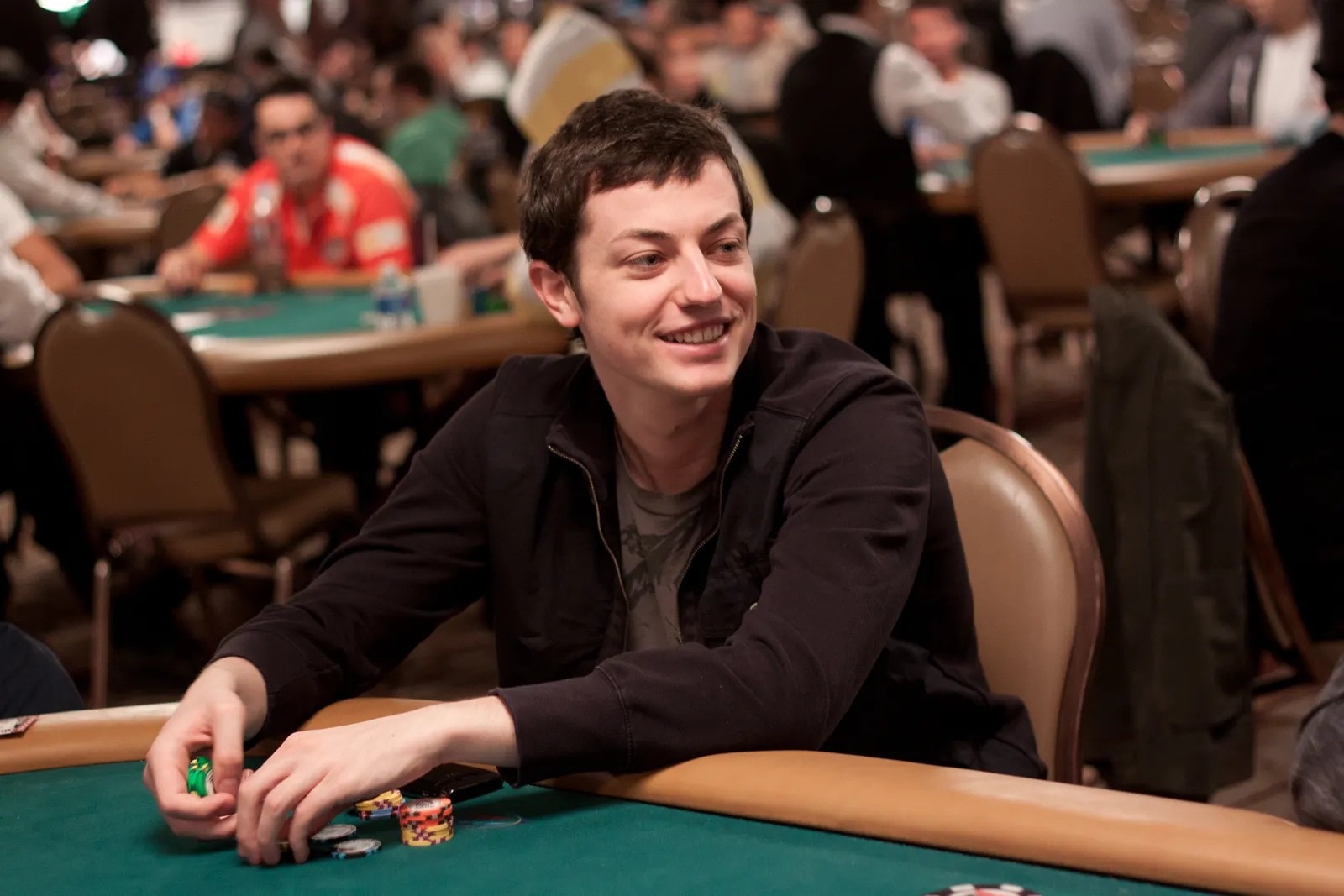
In the late 2000s Tom Dwan burst into the world of televised cash games and quickly became one of the public's favorites. The young player's aggressive style was perfect for TV shows, and the open cards in the broadcasts turned his actions into a textbook. Fans of the game could see what ranges "durrrr" used, on which boards he kept piling pressure on opponents, and on which he stopped.
Dwan took part in practically all the iconic poker TV shows: Poker After Dark, No Gamble, No Future, Full Tilt Poker TV and High Stakes Poker. At first Tom alternated wins and losses, but then he increasingly began finishing sessions in profit and taking home six-figure sums. At some point Dwan's edge over his opponents became so great that HSP commentator Gabe Kaplan uttered the line that became famous: "It's Tom Dwan's world and we're just living in it."
Recently "durrrr" explained what allowed him to win in TV cash games. In his words, he was helped not only by technical skills but also by the fact that players from the older generation underestimated online players and considered them clueless.
Dwan's successes forced the old guard to reconsider their attitude toward young opponents. That, as Tom himself suggests, made life harder for Phil Galfond, who got onto cash streams some time after him. Galfond was comparable to Dwan in terms of level, but opponents took him more seriously, so he had a tough time and lost $425,000 in his first 11 hours on poker shows.
In 2008 Dwan and Barry Greenstein played the largest pot in the history of TV streams on High Stakes Poker. Greenstein got all in on the flop with pocket aces, and Dwan called with K♠️Q♠️, creating a pot of $919,600. The odds at that moment were even, but the turn brought Tom the win.
After the collapse of Full Tilt, poker TV shows also went through a drop in popularity, and Dwan disappeared from the public eye for several years. The high roller reappeared on cash streams in the late 2010s, when he began playing them as part of the Triton Series. In 2020 "durrrr" returned to High Stakes Poker, and a year later he played on Hustler Casino Live for the first time.
According to High Roll Poker, Tom Dwan still ranks second all-time in winnings on HSP, having earned $2,966,900. Only Eric Wasserson has won more — $6,947,200. "durrrr" fared worst on Triton, where he lost $3.2 million. But even so, his total earnings on cash streams amount to $4,169,858.
Years in private games in Asia
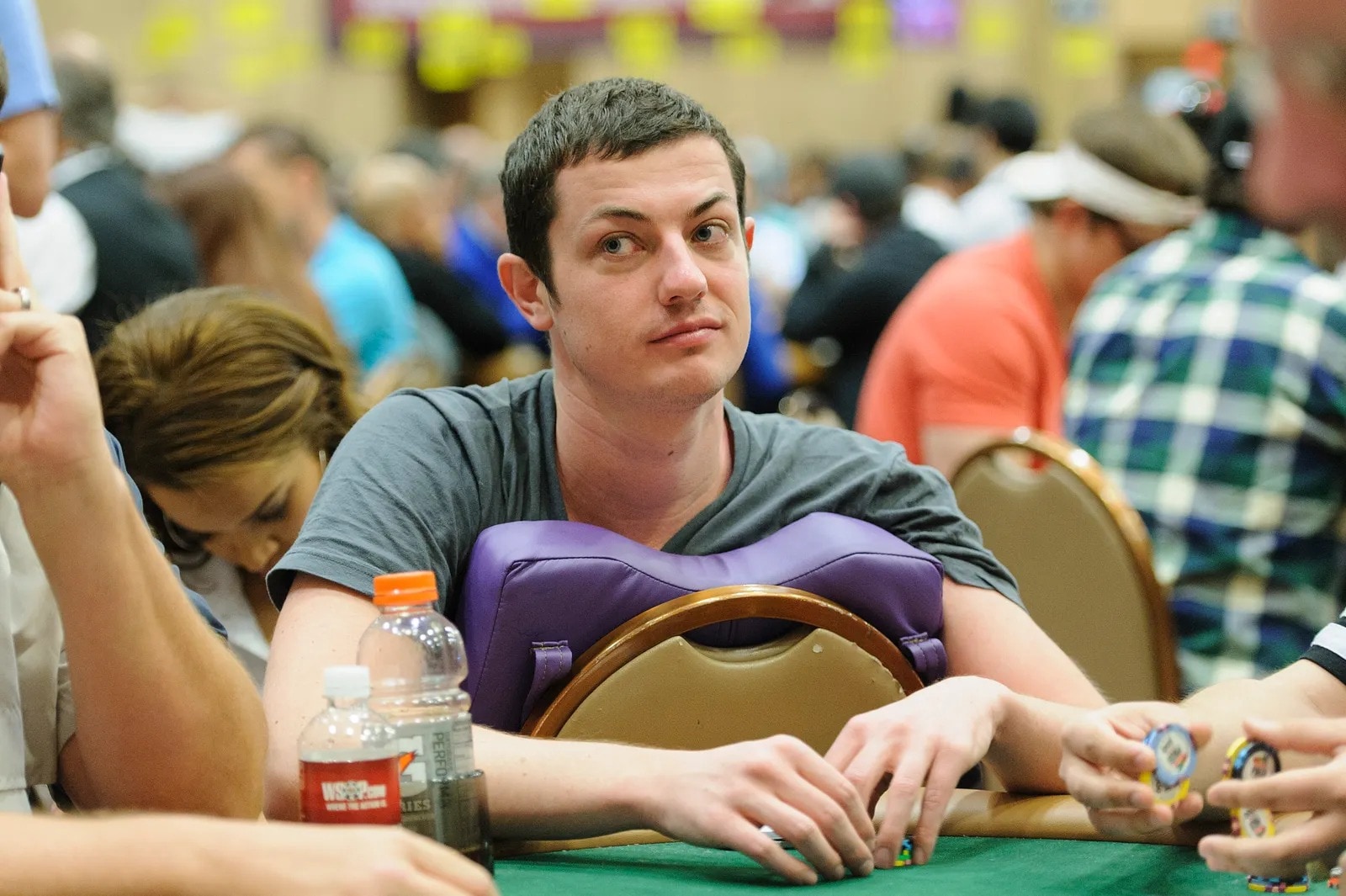
So where did one of the most famous high rollers of his generation disappear to after "Black Friday" and the problems that followed for online poker in the USA? Dwan decided to move to Asia, where he had already played several times before.
Dwan lived in Macau next door to Phil Ivey and Andrew Robl and was one of the best-known Western poker players in China. But to get into the local private high-stakes games, a big name alone wasn't enough. It required a special invitation, and "durrrr" managed to get one. He was helped by his ability to give action at the table and his willingness to sell pieces of himself.
Usually most of the pieces were bought up by Triton Series co-founder Paul Phua, who then distributed them among other buyers. Dwan's own share in those cash games varied: from 15% to 80%. The high roller usually didn't disappoint his investors. According to him, the probability that he would finish a week in the red was less than 30%.
We covered the economics of high-stakes poker in a dedicated article:
The flip side of high rollers
Another feature of the private games was a special set of social rules. Sometimes the participants are willing to forgive an opponent even a serious violation if in the end it works in their favor.
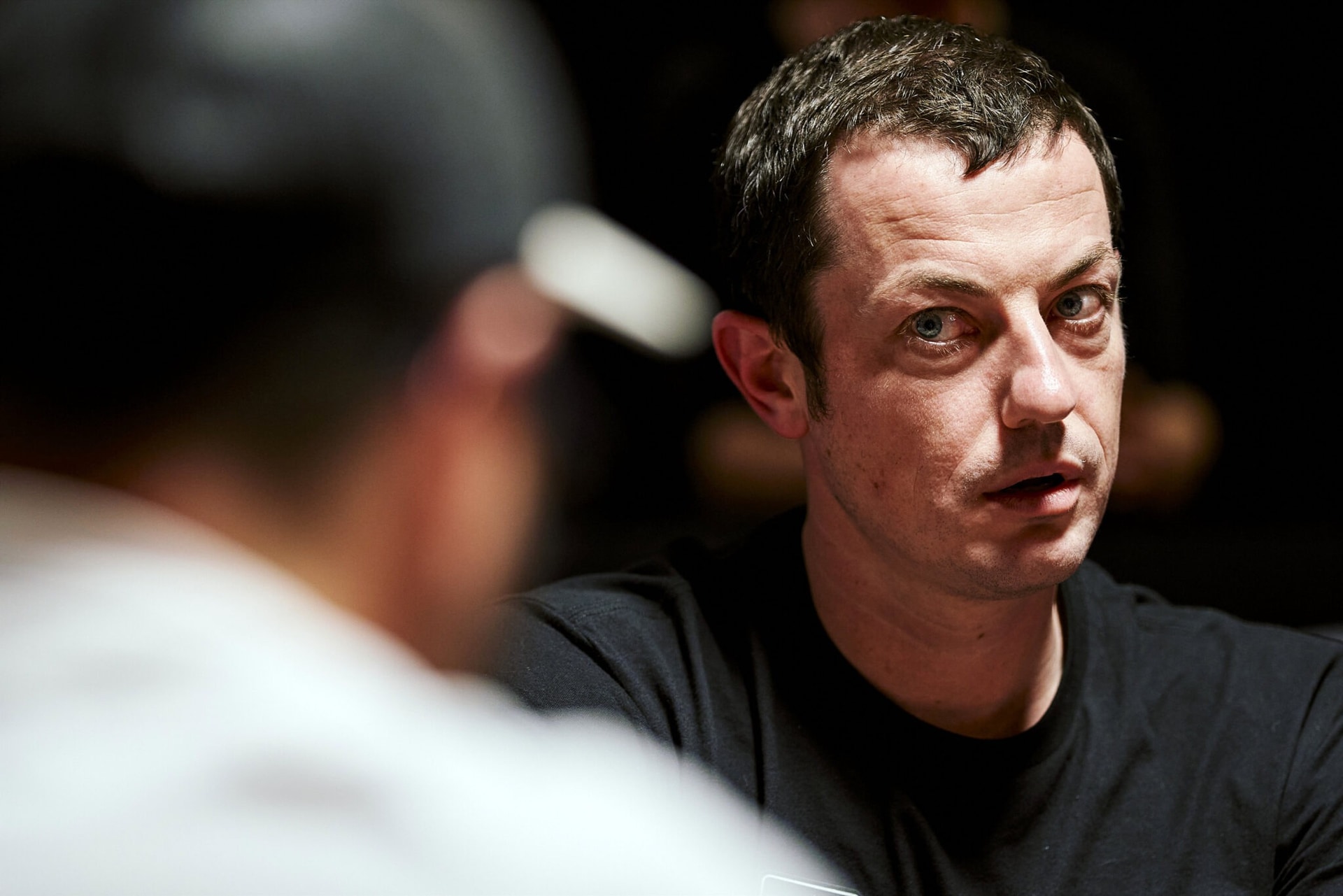
One such episode happened right in front of Dwan. A recreational player made a large bet and then took the chips back. Tom was about to protest, but he was given to understand without words that it wasn't worth paying attention to. And a few hours later that player not only lost the $7 million he had won, but dropped another $9 million on top.
"What would have happened if I'd behaved differently? I don't know exactly what, but nothing good would have come of it. If some damn famous white poker player had taken a couple hundred thousand dollars in commission from that guy, the whole group would have lost that huge fish forever. And they could have shut me out of every game," Dwan recalled in an interview.
The stakes in those games were off the charts. Dwan said he often played pots bigger than $10 million, but refused to reveal the size of the biggest one. There were rumors that over his years in Macau he earned more than $25 million, but "durrrr" denied that figure. He did, however, admit that the rumors weren't groundless. Even so, there's no reliable data on the high roller's success in Asia.
In addition, it was apparently in Macau that Dwan picked up short deck. Short deck games were actively promoted by the poker site of Paul Phua, whom the American high roller knew well. The specifics of this poker variant, with frequent strong hands and all-ins, reward aggression and a willingness to improvise, which is exactly what "durrrr" has always been known for. His short deck skills would later bring Dwan success and big payouts in live tournaments.
Titles and earnings in live tournaments
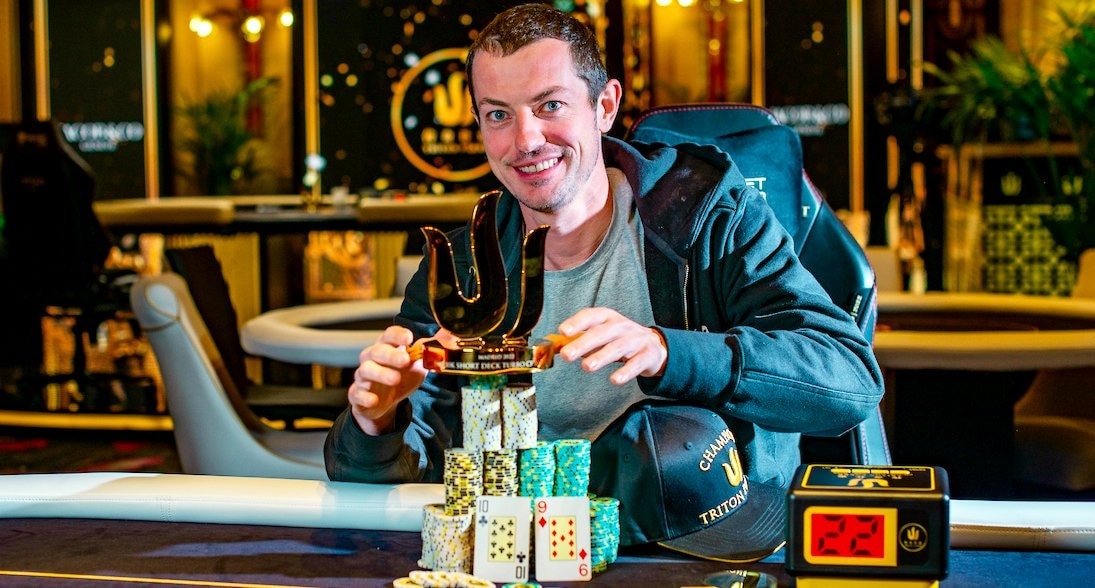
Live tournaments always remained a secondary pursuit for Dwan. Throughout the 2010s he appeared at various events only sporadically. His loud return came in 2019 at the Triton series in London, where "durrrr" put together three big cashes in expensive short deck tournaments.
Dwan first received $233,494 for 12th place in the £100,000 NLH Short Deck Main Event, and then updated his best cash twice in two days. On August 9 he earned $624,514 for fifth place in the £100,000 NLH Short Deck Ante Only Les Ambassadeurs Private Event, and on August 10 he won $793,775, taking eighth place in a similar £250,000 tournament.
Read about the specifics of short deck here:
Short Deck (6+ Hold'em): rules, differences and strategy
In the following years Dwan began coming to Triton festivals regularly, and in 2022 in Madrid he even appeared as an ambassador of the series. It was in the Spanish capital that "durrrr" claimed two trophies, which to this day remain the only ones of his career.
Tom Dwan took his first Triton title in the €25,000 Pot Limit Omaha, getting past old acquaintance Patrik Antonius at the final table and beating Jeremy Ausmus heads-up. That result brought him $306,291. And a few days later "durrrr" earned $359,859, taking first place in the €30,000 NLH Short Deck Ante Only Turbo.
Dwan hasn't managed to claim titles at other major series. At the WPT, besides the second place in 2008 that we've already mentioned, he had two more cashes totaling $508,914 in those same years. At the WSOP "durrrr" played actively until 2011, and then participated extremely rarely and went 13 years without making the money.
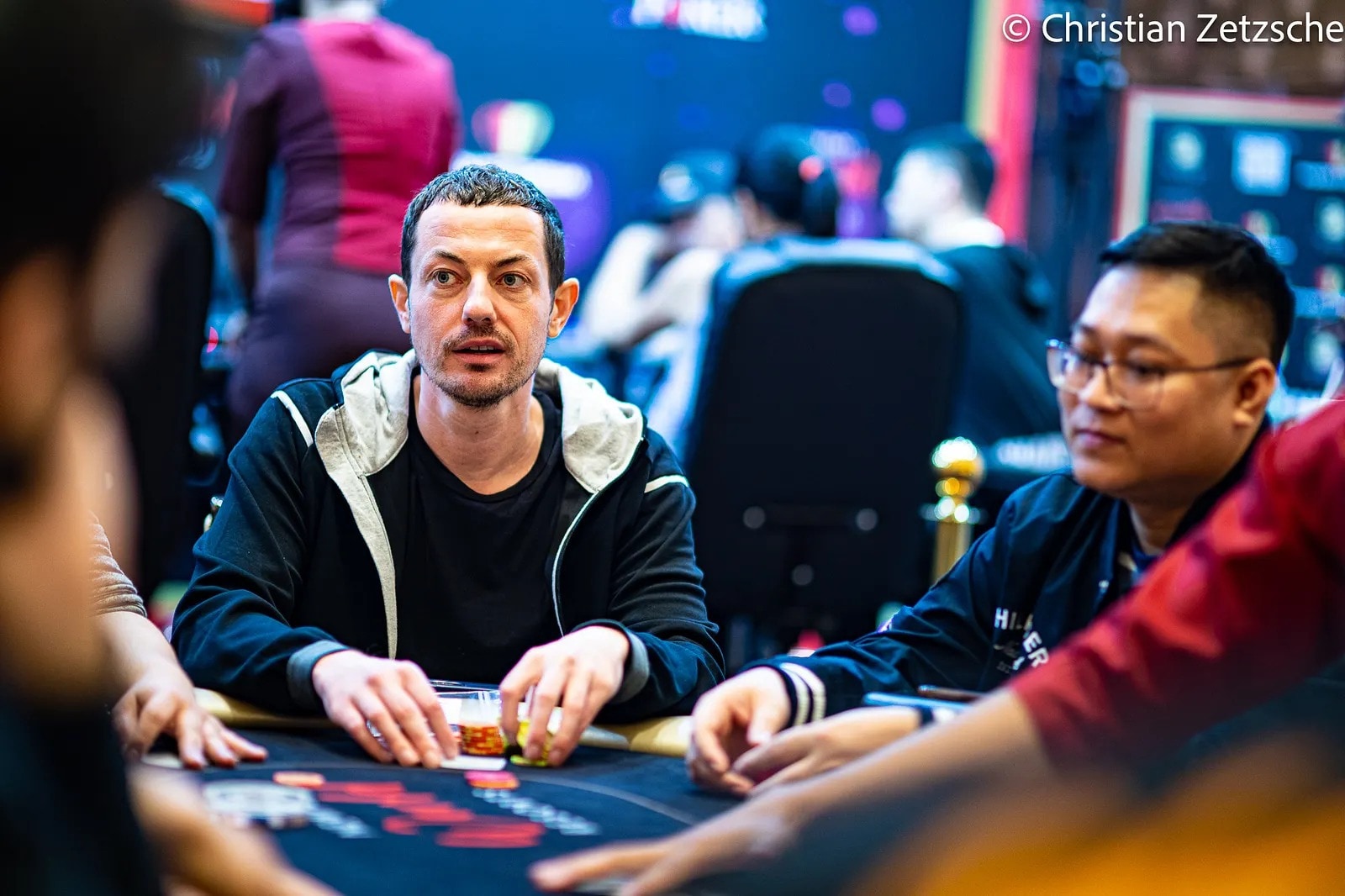
He only managed to break that drought in 2024. That year Dwan took 33rd place in the $25,000 PLO High Roller and received $32,500 in the Main Event, busting in 593rd place at the hands of Dutch high roller Jans Arends.
In the summer of 2026, Dwan unexpectedly showed up in South Korea at the King Poker Cup series. There he earned $350,000 for sixth place in a $100,000 charity high roller and picked up another $15,000, taking eighth place in the $10,000 NLH/PLO Mix.
Dwan's cool attitude toward tournaments is also reflected in his position on the All-Time Money List. According to The Hendon Mob, he isn't even in the top 100 in earnings among American poker players, and ranks 313th worldwide. "durrrr's" total winnings amount to $7,335,776. Remember that this figure doesn't account for buy-in costs, taxes and other expenses.
There's no exact data on Dwan's earnings in cash games and online poker. But by PokerNews' estimate, the American high roller, despite all the downswings, achieved more than $10 million in profit on Full Tilt Poker alone.
Debts and scandals
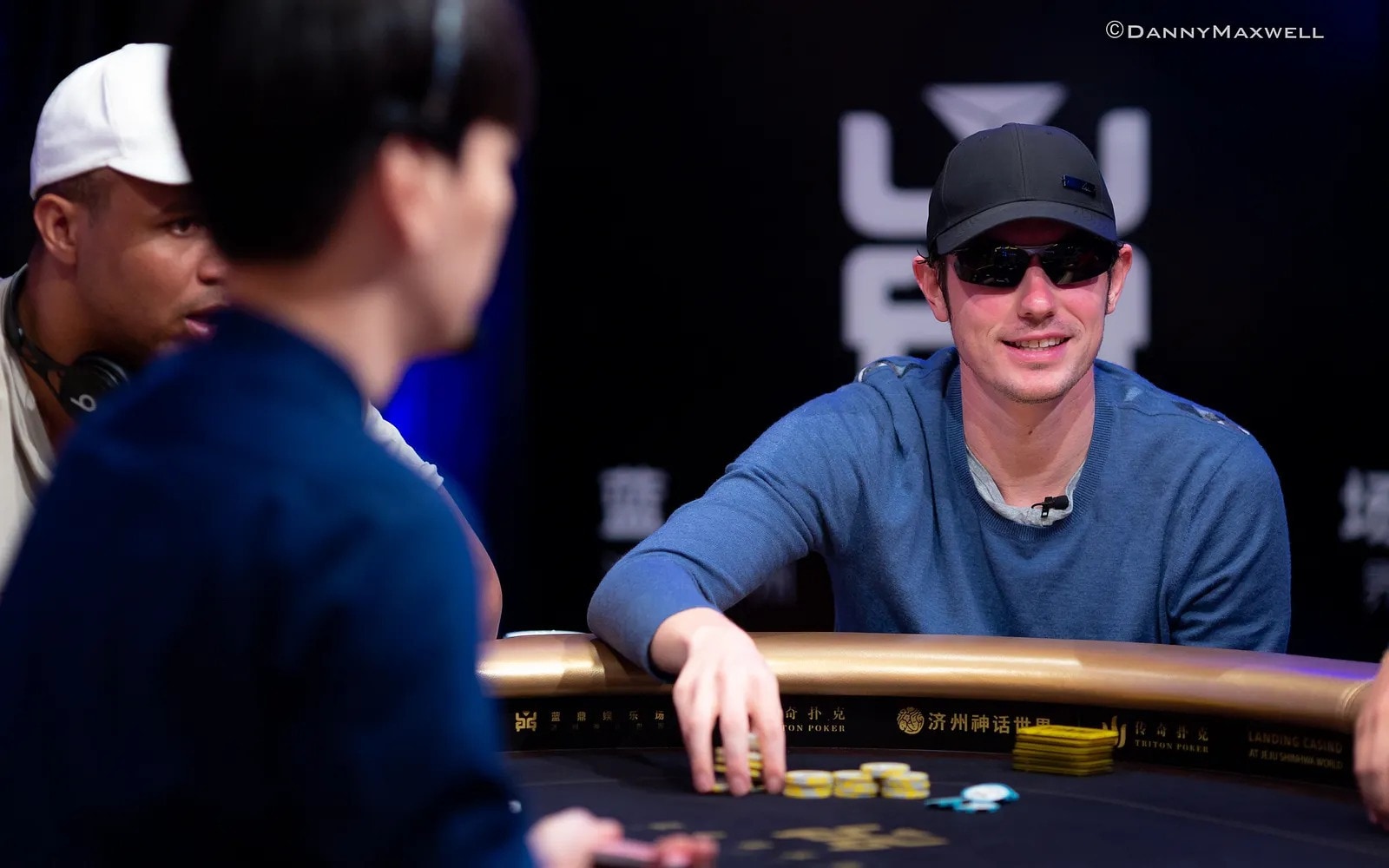
No less often than the Durrrr Challenge itself, the community discussed Dwan's repayment of his debt to Dan Cates. As we said, that story dragged on for many years. Several years after the challenge effectively stopped, "Jungleman" said that Tom had accumulated between $700,000 and $800,000 in inactivity penalties. In December 2018 Cates wrote on X that "durrrr" had paid him $700,000 in penalties via transfers every two months.
But there was still the wager on the main condition of the challenge. Yes, the opponents hadn't reached 50,000 hands, but at the moment of the stoppage Cates was ahead by a huge margin, and therefore, as many believed, deserved to receive the $1.5 million.
Other players' money was also at stake in this story, and some of them refused to pay out on their bets. For example, Cates had sold 20% of his action in the challenge to David "Viffer" Peat, but after "Black Friday" Peat voided the deal. Explaining that decision, Peat compared the situation to a baseball game being postponed because of rain.
For a long time the payment situation didn't change at all, even though Dwan and Cates even crossed paths at tournaments. In March 2024 "Jungleman" wrote on X that Tom was working tirelessly on repaying the debt. This 13-year dispute was finally resolved in 2025.
Dwan and Cates appeared in a GTO Wizard video, for which they are both ambassadors, and announced that the conflict was settled. Neither of them, however, disclosed the terms of the agreement. And at the end of the clip there was a hint at a second part of the challenge. Later "durrrr" said he had paid Cates $1.35–$1.4 million for the loss on Full Tilt.
Back in 2016, poker pro and blogger Doug Polk didn't miss the chance to speak out about Dwan's debt to Cates and accused Tom of fraud, since he wasn't returning the money to his opponent. Eight years later Polk again brought up "durrrr's" finances. During one cash stream the blogger claimed that Dwan owed $30 million, including to dangerous people.
Dwan responded to those words in a recent interview. The high roller stated that the rumor about such enormous debts was started by regular Hustler Casino Live participant Nik Airball, who himself still owes him money, and Polk simply picked it up. Airball rejected Dwan's accusations and in turn insisted that Tom owes him. And so the situation reached a dead end, and the rumor about $30 million in debts remained unconfirmed.
Two more players also made financial claims against Dwan. Peter Jetten wrote on X that "durrrr" had gone several years without paying him $226,000 for participation in high-stakes tournaments, and Haralabos Voulgaris claimed that Tom owed him money under a sports betting agreement back in 2012.
After those accusations, even Dan Cates came to Dwan's defense. Dwan himself rejected all the claims. According to him, Jetten is in makeup to him under a backing deal for more than $226,000, and Voulgaris's story contains a lot of lies and distorted facts.
In one recent interview Tom Dwan summed up all the accusations of dodging payments. He stated that he owes a small amount to a few close friends, whereas he's owed far more, but he'll probably never see that money.
It's practically impossible to say where the truth lies in these stories. Financial relationships in the world of high-stakes poker are opaque, since more often than not pieces, backing terms and assorted debts are recorded in ordinary chat messages. And public figures may have an interest in loud debt figures to attract attention.

Playing style
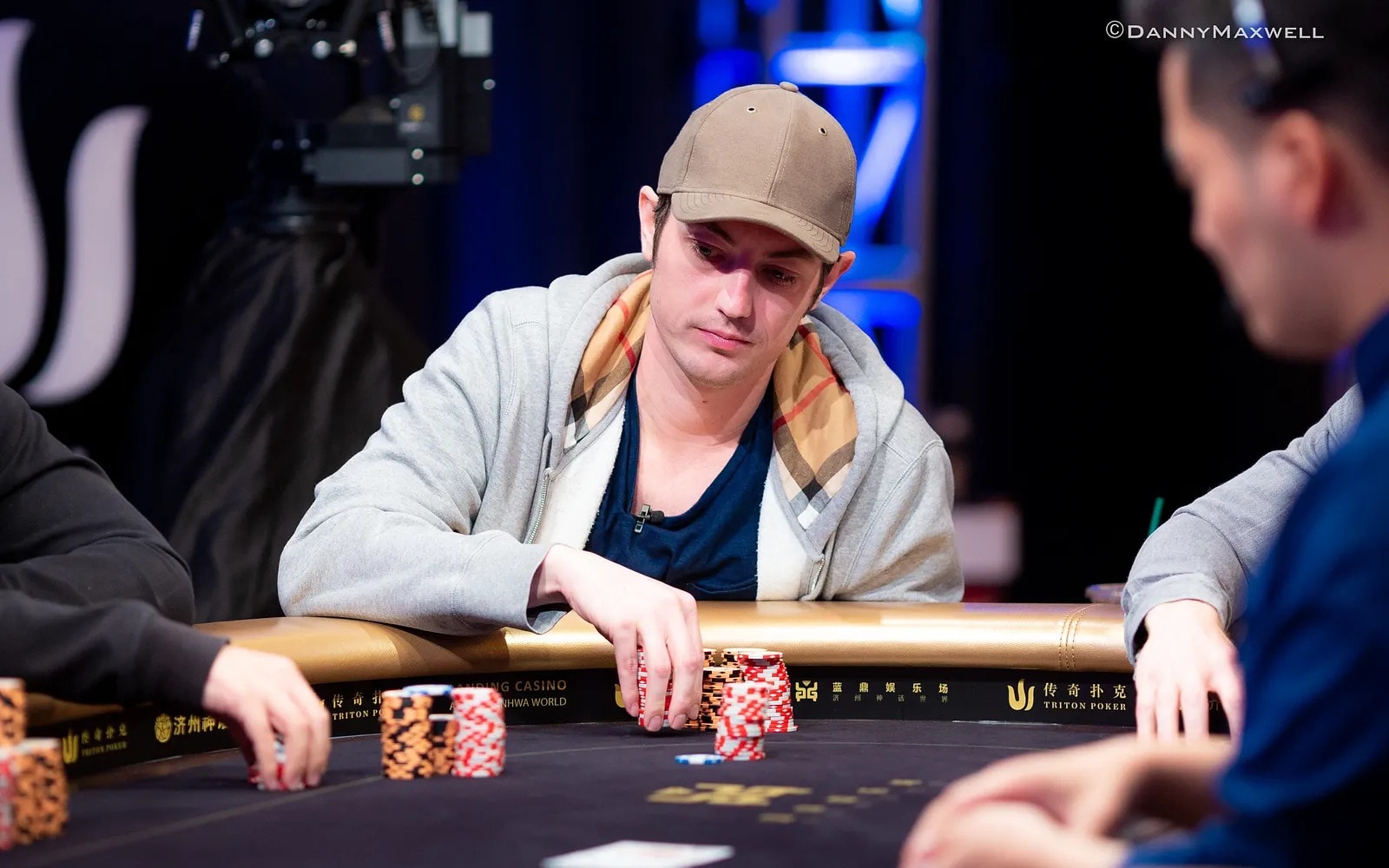
Tom Dwan's style may look reckless to the average viewer, but there was fine calculation behind it. He prefers to play with constant pressure on his opponents, to use non-standard lines and to treat high variance in big pots as yet another instrument of aggression.
Dwan attacks not his opponents' specific hands but their ranges, finding the weak spots in them. In his own ranges, bluffs are combined with thin value, which makes him far harder to read. That puts opponents in a difficult position on several streets in a row.
Back in the 2000s, Dwan was already using unexpected checks instead of bets in his lines, and overbets on boards that best suited his range. And inventive bluffs with blockers entered his arsenal long before blocker-based play became accepted practice on a GTO basis. At the same time, "durrrr" himself has a negative attitude toward solvers:
"I don't like solvers. And the combination of cheating and solvers is much worse than solvers on their own. Cheaters with solvers are literally killing poker. If you played against me and used a solver, I might still win. Maybe I'd find reads or click tells. But when someone is cheating against you, you don't stand a chance."
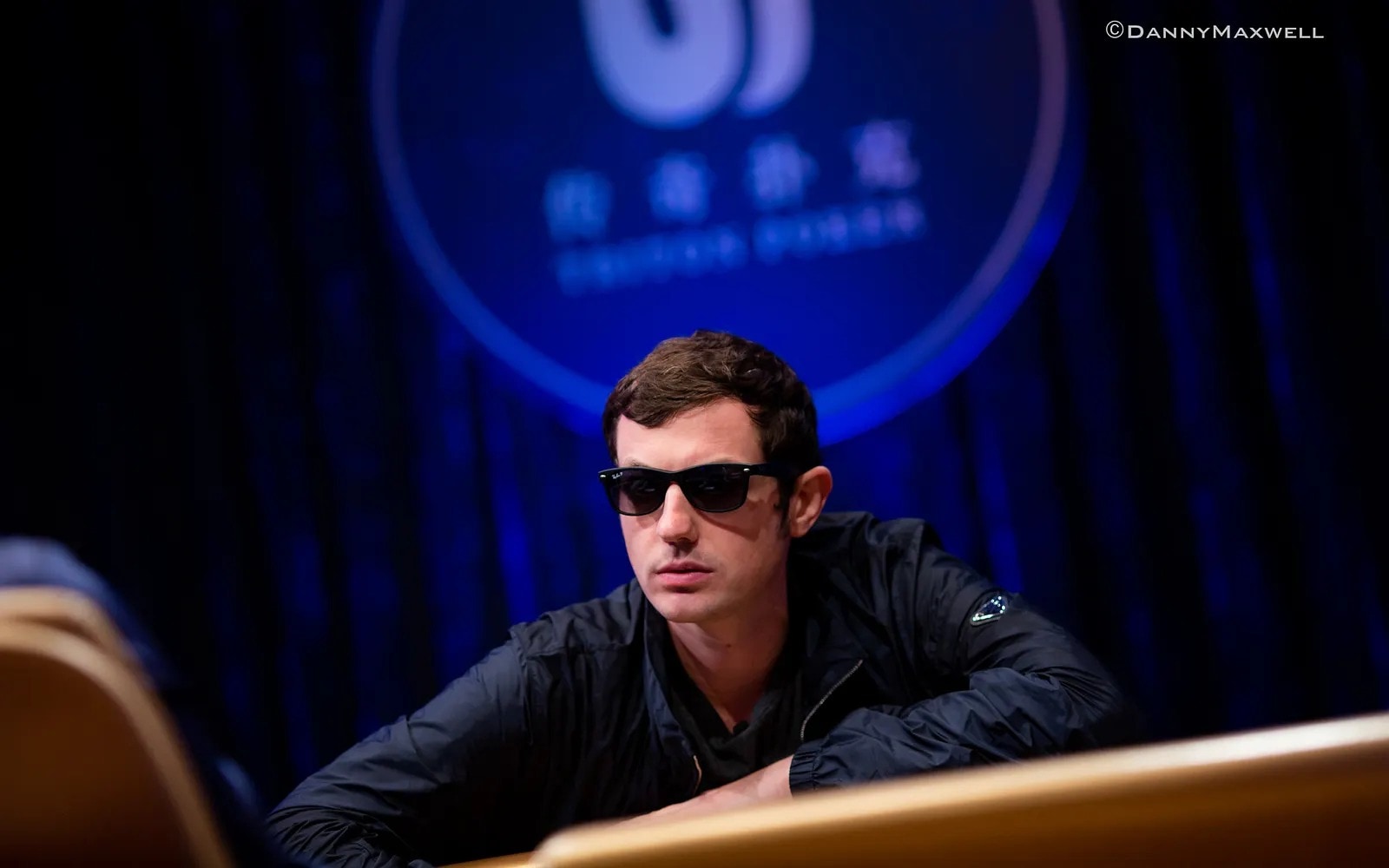
Dwan's unconventional style has been noted by his colleagues as well. Barry Greenstein called him a dangerous and fearless opponent; Nick Schulman pointed to his ability to competently blend aggression with cautious play. David Benefield called Tom's manner unique and unlike anyone else's, and Phil Galfond said that "durrrr" seemed to have created his very own style of play.
Dwan himself has revealed a few nuances of his cash game strategy. He said that the weakest players make the game the most profitable. In order not to miss out on that profit from playing with a fish, he also learned other disciplines, since many wealthy recreational players prefer certain poker games. "durrrr" also said he prefers short-handed tables, since there you can play more hands and extract more from your edge.
So Dwan's game is built not only on an unconventional technical approach, but also on the ability to identify the most convenient opponent, as well as on high observational skills that allow him to read tells.
Illustrative hands
Tom Dwan pulled off one of his most famous bluffs in season five of High Stakes Poker. That hand began with Barry Greenstein opening from UTG for $2,500 with A♥️A♣️. All the other players called that bet.
On a 2♣️10♦️2♠️ flop, Greenstein made a continuation bet of $10,000. Dwan with Q♣️10♣️ raised to $37,300 from UTG+1 and got a call from Peter Eastgate with 4♥️2♦️ in the small blind, as well as from Greenstein. The 7♦️ on the turn left Dwan with only 5% equity, but after checks from his opponents he bet $104,200 into a $133,500 pot. That bet covered the size of Greenstein's stack and would have forced him to go all in if he called. But Eastgate folded his cards first, and Greenstein, after some thought, also folded. The pot went to Dwan.
Dwan later explained himself why that bluff worked. He correctly identified his opponents' ranges. According to him, he guessed that Eastgate had a deuce. After the calls from Eastgate and Greenstein on the flop, Tom at first thought he was losing, but then saw an opportunity to bluff in that spot.
That said, "durrrr" isn't sure a solver would approve of such a move. He also suggested that Eastgate's decision to fold may have been influenced by the fact that Peter had often lost to him before that game. After Eastgate's fold, Dwan no longer had doubts about winning the hand. He put the likelihood of a call from Greenstein at 10–20% and turned out to be right.
In May 2023 Tom Dwan played what was then the record pot in the history of cash streams, snapping off his opponent's bluff. It happened on Hustler Casino Live, when $3,081,000 ended up in the pot. The game was running with $500/$1,000 blinds, a $3,000 ante and a $2,000 straddle.
A player under the nickname "LSG Hank" opened from the hijack for $7,000 with A♥️8♣️. Wesley Fei on the button with A♦️K♥️ 3-bet to $30,000. Dwan on UTG with Q♠️Q♣️ raised to $100,000, while keeping his cards out of the camera's view. Hank folded, and Fei made a 5-bet to $275,000. "durrrr" called and the preflop pot stood at $562,000.
On the flop the dealer laid out 3♦️8♠️8♦️, Dwan checked, Fei bet $125,000 and got a call. On the 5♥️ turn "durrrr" checked again, and Wesley continued the aggression with a $350,000 bet. Dwan called, and the opponents saw the 6♣️ river. After another check from Tom, Fei fired a third barrel, announcing all in for $798,000.
While pondering his decision, Dwan noted that at the start of the hand Fei had shown his hand to Doug Polk. "durrrr" began guessing what cards his opponent had: suited 8-7 or 9-7? Maybe aces? Wesley put his head in his hands so as not to give Dwan any information. Tom suggested his opponent might have flopped trips. After long deliberation he called after all and took $1.5 million from that enormous pot. Wesley Fei was left with $1.3 million in his stack.
In an interview right during the session, Dwan admitted that this was not at all a standard hand, since he had to make a calling decision for 1,500 BB. Fei, for his part, felt he had played perfectly and that Tom had turned pocket queens into a bluff catcher. In Wesley's opinion, "durrrr's" decision may have been influenced by the fact that he had shown his cards to Polk.
Professional player and coach Jonathan Little, in his breakdown of this hand, noted that both opponents played well. He considers Fei's river bluff justified, since his pocket aces block his opponent's AK and KK. And Dwan's call is justified, since Wesley's range contains more bluff candidates than value hands. This hand's record stood until September 2025, when Ossi Ketola broke it twice in a few days in heads-up matches at Triton.
At Triton, but back in 2018, Tom Dwan played a $2.35 million pot against Paul Phua, which was the largest for five years. That time, however, the American high roller came out the loser. That cash game in Jeju used the Korean won (W), with blinds of W3 million/W6 million and a W12 million straddle, so even before the cards were dealt there was W27 million (about $24,500) in the pot.
Preflop, Dominik Nitsche opened from the cutoff for W30 million (about $27,000) with K♥️Q♣️, and Dwan in the big blind raised to W120 million ($102,600) with A♠️Q♥️. Paul Phua with A♥️A♣️ on UTG bet W320 million (about $287,000), forcing Nitsche to fold.
Dwan thought over his decision for 4 minutes and in the end pushed all his chips into the middle, a total of W1.3 billion (about $1.15 million). Phua responded with a snap call, creating a pot of $2,353,500. The 7♥️K♣️4♦️ flop cut Dwan's chances to 2%. And on the 3♥️ turn "durrrr" was left without outs. The Q♦️ on the river was a formality, and Phua increased his stack by roughly $1,190,134.
Lex Veldhuis, who commentated that broadcast, noted that the straddle, as an additional blind, allowed the players to act looser. And this time a reputation as an aggressive player worked against Dwan. It pushed Phua to act against Tom with a wider range.
Current situation and plans for the future
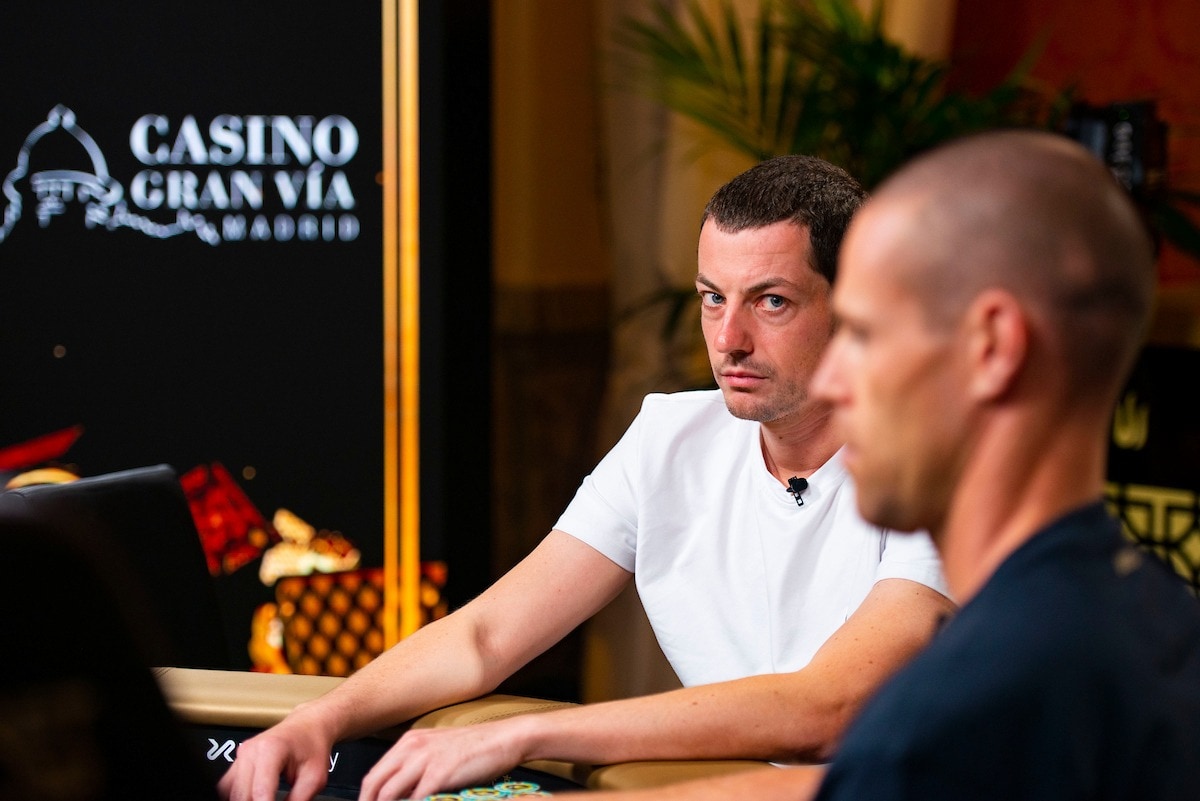
In March 2026 CardPlayer journalist Michael Kaplan came to Tom Dwan's home for an interview. At the time "durrrr" was living in a duplex on the outskirts of Los Angeles. Living with the poker player was his girlfriend, whose name the journalist doesn't give.
This year Dwan hasn't been playing very actively. He has two cash streams and two ITM finishes at the King Poker Cup in Jeju to his name. In addition, "durrrr" appeared in one of the episodes of Hellmuth's Home Game together with Dan Cates and Phil Hellmuth, and for the first time in 13 years took part in PokerGO's National Heads-Up Poker Championship with a $25,000 buy-in. The high roller's first opponent was businessman and regular cash game participant Randy "3Coin" Sadler.
In the CardPlayer interview, Dwan admitted that right now he'd prefer not to play high stakes because of an insufficiently large bankroll and a lack of his former emotional stability:
"A lot of things throw me off now. I used to be able to handle far more problems. In 2020 I got caught up for a while right in the thick of a war between triads, even though I hadn't planned that at all, but I managed to sort everything out. And now in tough spots my chances of losing are higher than they were a few years ago."
As for plans for the future, Dwan stated that poker is dying because of the spread of artificial intelligence and solvers, and recommended that players find themselves in another field. Tom himself would like, in 10 years, to be a family man and play poker for just 5–10 hours a month. At the same time, "durrrr" is open to playing in the next season of High Stakes Poker. For now, though, no such loud return has been announced.
A contradictory hero
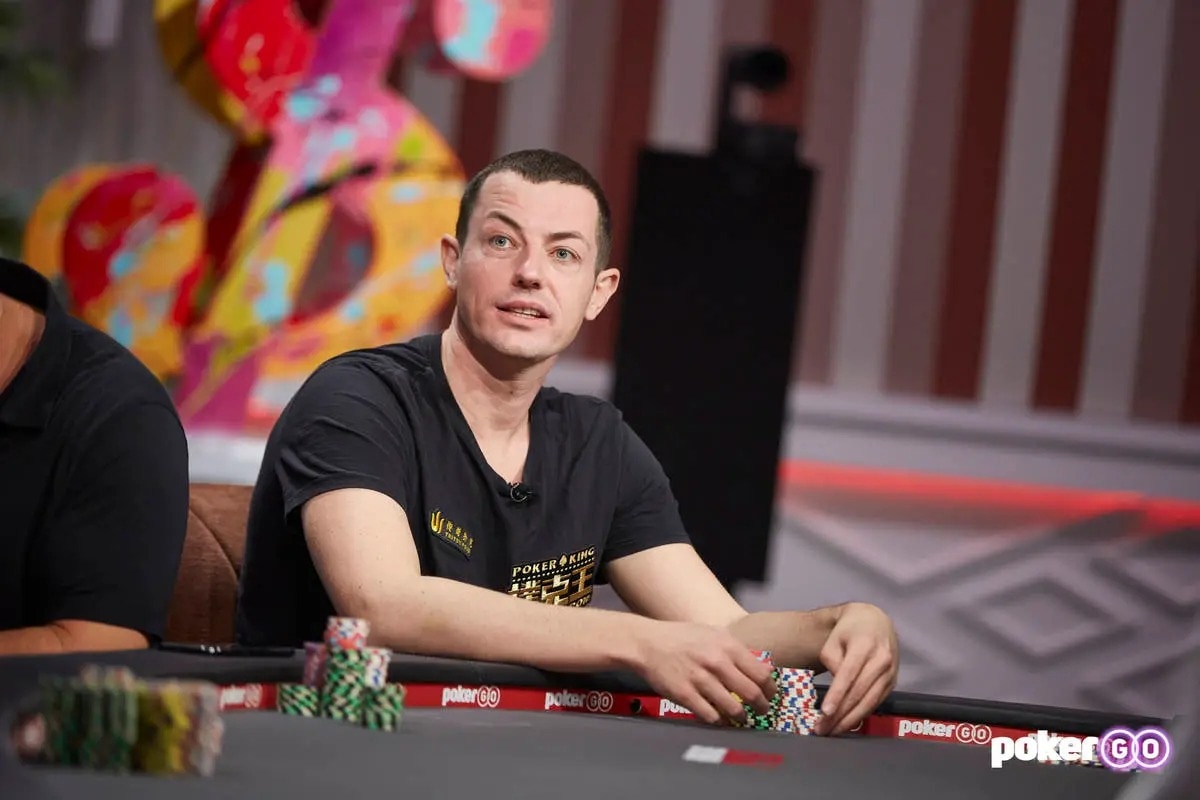
People's attitudes toward Tom Dwan vary. Some consider him a poker genius, others call him an overrated gambling addict. It has to be admitted that his craving for insane stakes could easily have driven him to bankruptcy. But with every downswing, however hard it was, "durrrr" has so far coped.
Read the FunFarm psychologist's tips on dealing with a run of bad luck here:
How to regain confidence after a downswing and beat tilt
Dwan's playing style today is probably no longer as unusual as it was 20 years ago. Even so, there's still plenty to learn from him. Through his own example, Tom showed how important it is to think in ranges on every street, and how important it is to account for stack depth in order to apply pressure most effectively.
In addition, "durrrr" works masterfully with sizing. His bets often lay the groundwork for an attack on later streets, leave room for a bluff, or give his opponent unfavorable pot odds.
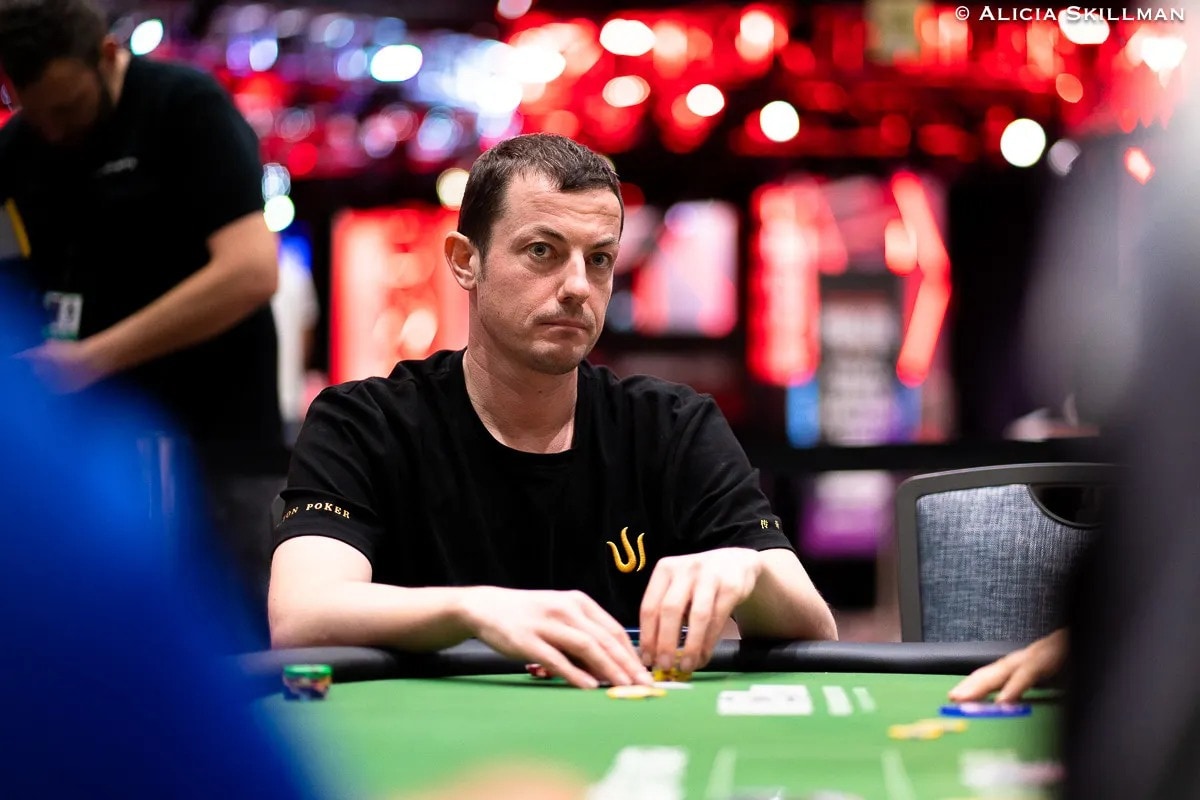
Observation helps Dwan find clues from opponents in the toughest spots, and thanks to his ability to adapt to the field he identified and exploited the weaknesses of individual opponents.
At the same time, of course, you shouldn't get carried away with frequent, large Dwan-style bluffs. It's a delicate technique that requires a measured approach and proper preparation. Tom's financial decisions are also hardly a model to follow. Multimillion-dollar losses, downswings and accusations of large debts set him apart from players like Stephen Chidwick, who handle their bankroll very carefully and avoid elevated risks.
But even despite that contradictory nature, it's impossible not to acknowledge that Tom Dwan has already written his name into poker history. He will remain in it as a hero of the 2000s boom era, when a new generation of players risked millions in online rooms and, at live tables, challenged the veterans and won.

Free course · FF Start
Learn poker systematically
From the first rules to strategy, math and a clear development plan.
Frequently asked questions
Read next
Steven Chidwick: biography, achievements, and playing style
History of Playing Cards: From Chinese Roots to 52 Cards
Online Poker History: First Hand to Billion-Dollar Industry