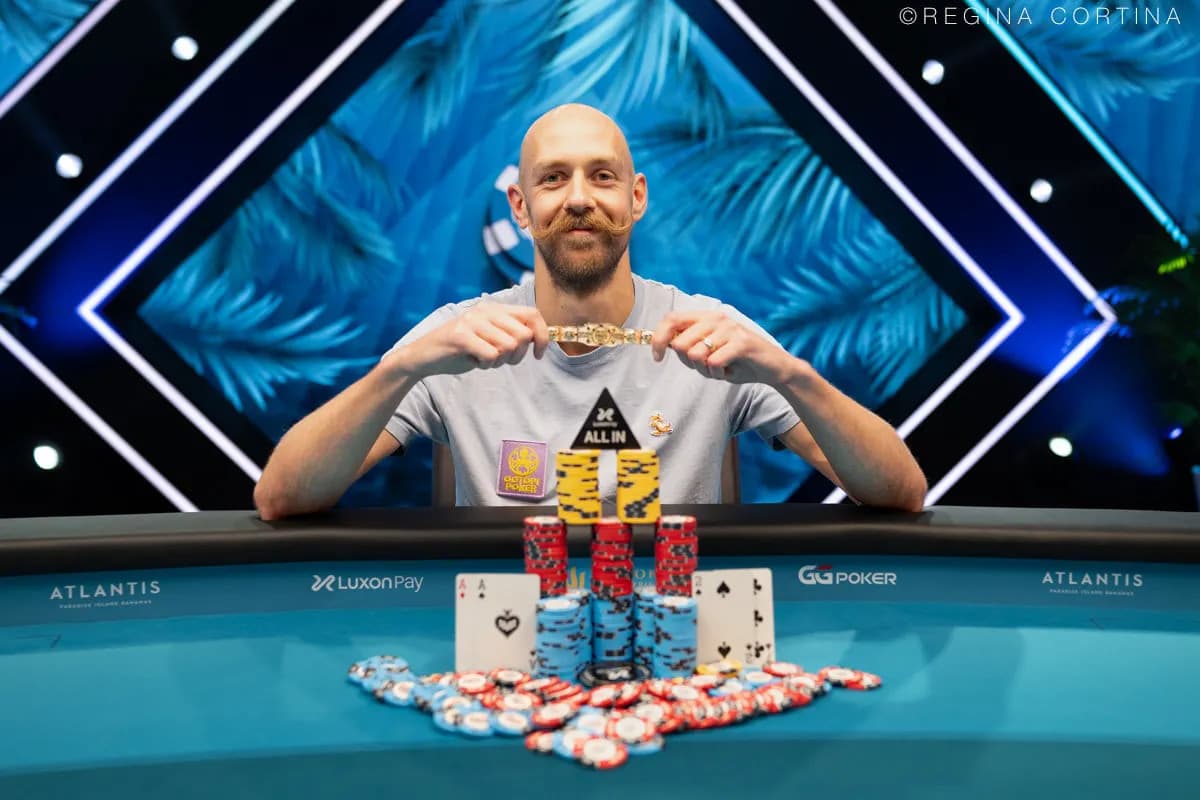
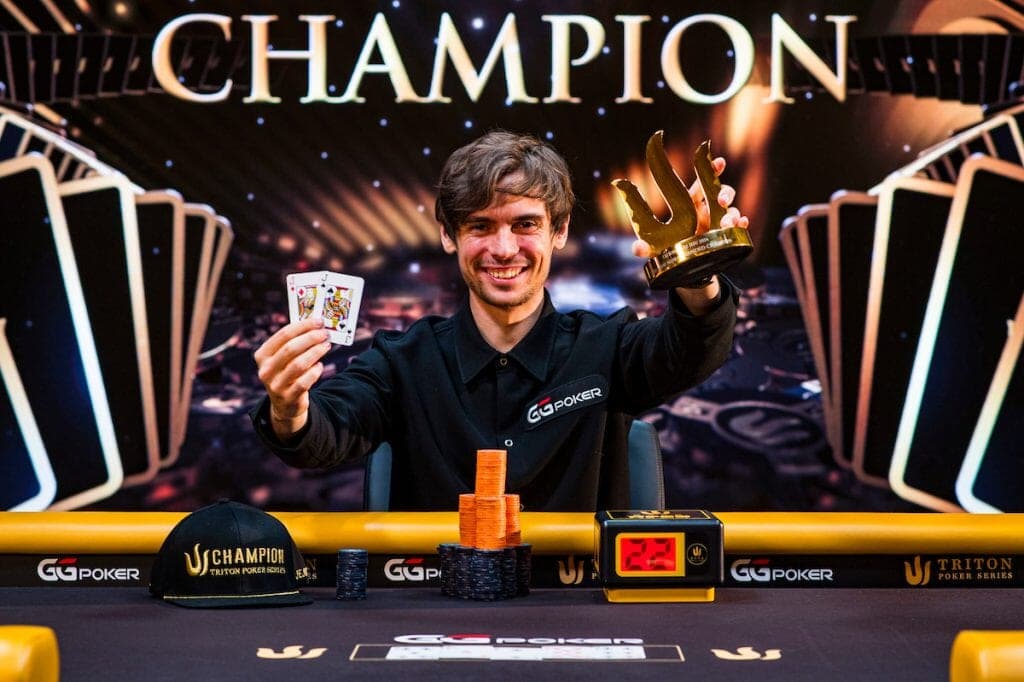
Phil Hellmuth: Biography of a Record Holder, 17 WSOP Bracelets, and His "White Magic"
In American sports there's a classic paradox named Bill Russell. The Boston Celtics center won 11 NBA championship rings, but skeptics kept insisting until his dying day that his offensive technique was flawed and his individual arsenal fell short of the new wave's leaders. In poker, this same paradox is embodied by Phil Hellmuth.
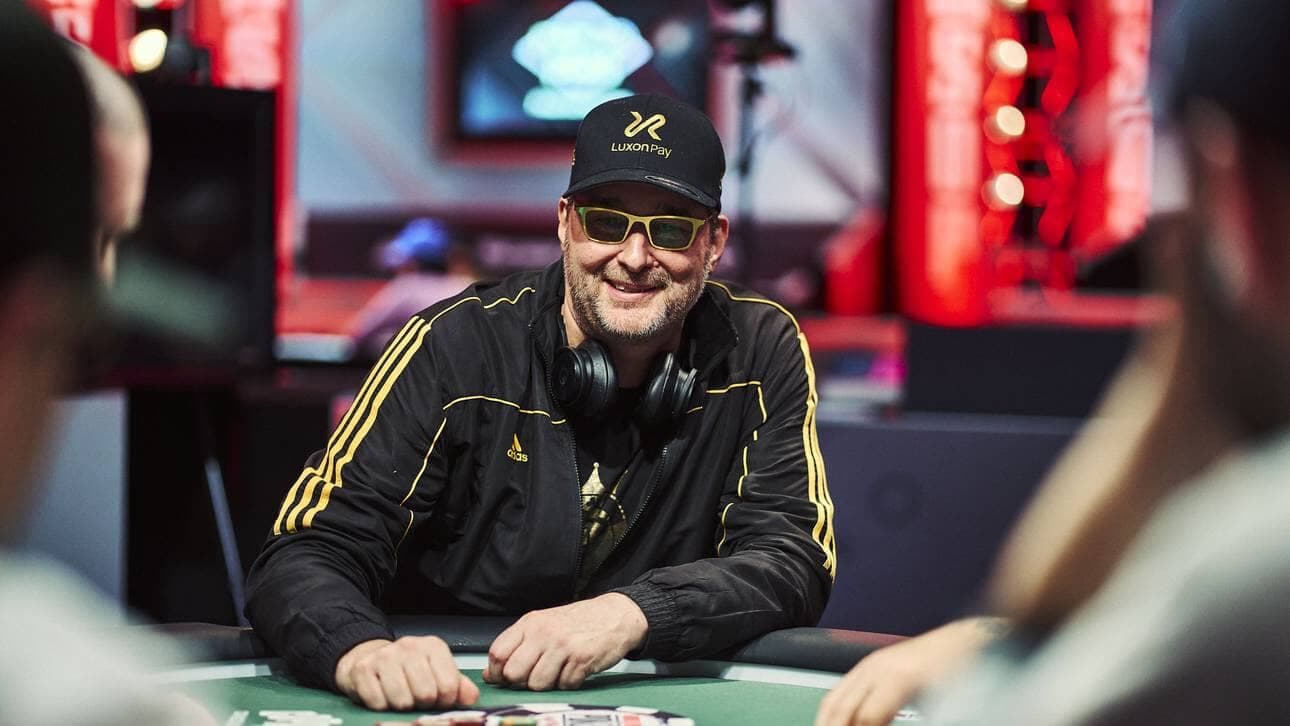
Phil Hellmuth — an American professional poker player, 1989 WSOP Main Event champion, 2012 WSOPE Main Event winner, and the undisputed record holder of the World Series of Poker with 17 gold bracelets. In the history of the game, he stands out as a rare example of tournament longevity. Phil has won his bracelets across five different decades, and in 2026, on the threshold of turning 62, he once again reached heads-up for the title.
Hellmuth is not only historical records and more than $31,600,000 in winnings, but also the flamboyant persona of the "Poker Brat," an ambiguous reputation, and loud scandals.

New breakdowns in your inbox
Subscribe to the FunFarm newsletter: fresh Poker ABC articles and material that helps you grow as a player.
Phil Hellmuth: the essentials
Full name: Phillip Jerome Hellmuth Jr.
Date and place of birth: July 16, 1964, Madison, Wisconsin
Country: USA
Age: 62
Nickname: Poker Brat
Online nicknames: Lumestackin
WSOP bracelets: 17
Live tournament winnings: $31,644,120 (according to Hendon Mob)
Biggest cash: $2,645,333
All Time Money List ranking: 36th (according to the All Time Money List on The Hendon Mob)
Hall of Fame membership: inducted in 2007
Current status: Active, key ambassador for BetRivers.
Early years and path to poker
Phil Hellmuth was born on July 16, 1964, in Madison, Wisconsin, into a large Catholic family. His father, Phillip Hellmuth Sr., held the position of dean and professor at the University of Wisconsin–Madison, while his mother, Lynne Hellmuth, was a well-known local sculptor. As the eldest of five children, Phil was under constant pressure from parental expectations that foresaw a prestigious academic or legal career for him.
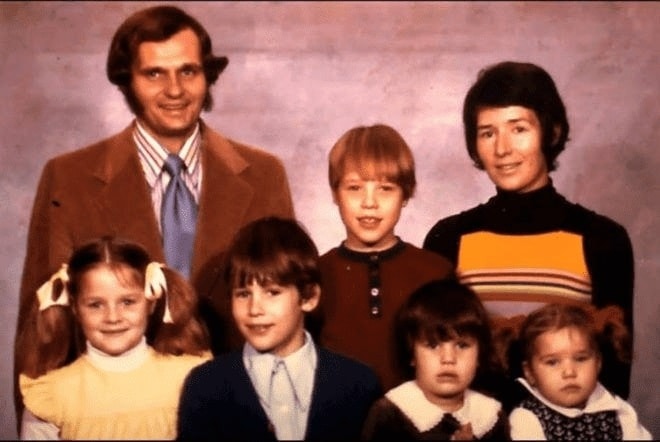
According to Hellmuth's own recollections, set out in his autobiography "Poker Brat", in his youth he felt like the "black sheep" of the family, suffering from self-esteem issues and poor performance in school. Phil claimed that it was precisely this internal crisis and his desire to prove his worth to his father that developed his inflated ego and his painful drive to win at any cost.
His introduction to poker happened while he was studying at the University of Wisconsin, when Hellmuth played his first session in a college dormitory. Quickly outgrowing the level of home games, the young player began building his starting bankroll in private games with Madison's local elite — university professors, doctors, and businessmen. Having earned $20,000, Hellmuth decided to drop out in his junior year to pursue a career as a professional poker player.
Learning at FunFarm, from any level
Key career milestones
Las Vegas of the late 1980s, dominated by Texas veterans and aggressive players from Asia, gave Phil a harsh welcome. In his interviews, Hellmuth describes this period as a prolonged string of failures. According to his accounts, he went broke in Nevada about ten times, losing his entire bankroll. To rebuild his resources, Phil would return to Wisconsin, where he was forced to take on low-paid manual labor — in particular, working on a corn farm and on construction sites, while rebuilding his funds in local cash games on the side.
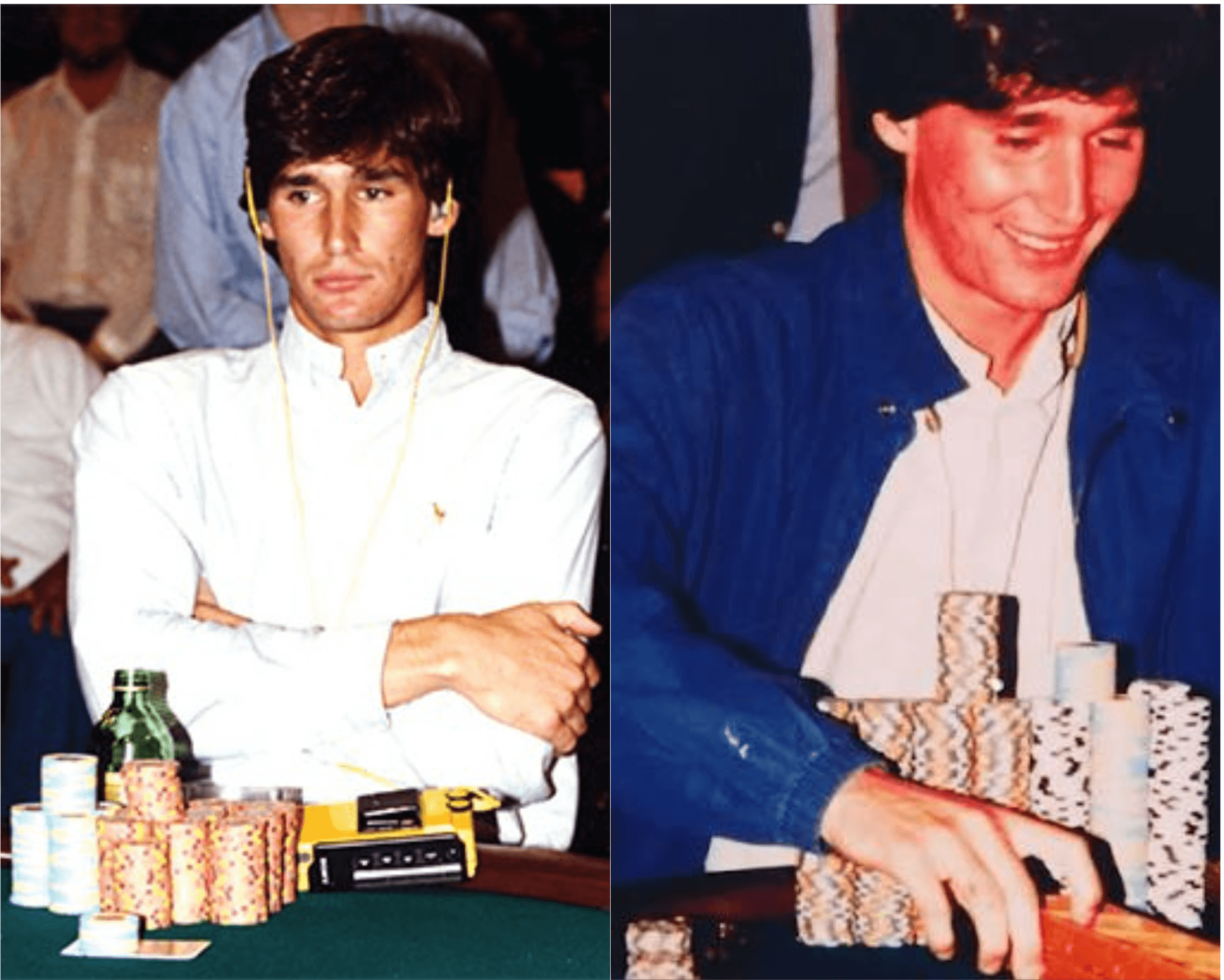
In his autobiography "Poker Brat" Phil described that period as follows:
"In January 1987 in Las Vegas, I was left completely broke for the first time. By that point I had already been making decent money from poker, but I lost it all clean in the casino. I felt physically sick when I saw the gaming tables. It was terrible, but that's exactly when the destructive pull of the casino left me forever. I had to go back home to start all over again."
The verifiable timeline of his successes starts in October 1987 with a fifth-place finish in a $1,000 tournament in Reno. Already by August 1988 he won his first major trophy in the main event of the Diamond Jim Brady series with a $10,000 buy-in, earning $125,000 in prize money.
The global turning point came in 1989. In the heads-up of the WSOP Main Event, 24-year-old Hellmuth faced Johnny Chan — a living legend going for his third consecutive championship title. Winning $755,000, Hellmuth became the youngest Main Event champion at the time.
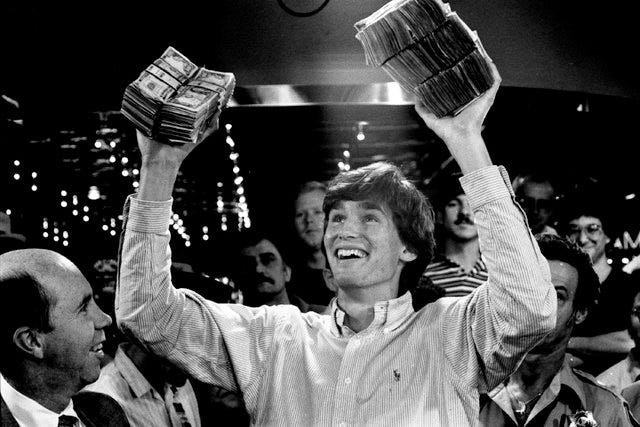
This was followed by 1993, when Hellmuth won three bracelets within a single series, then 2007 (a record-setting 11th bracelet and Hall of Fame induction), and 2012, when Phil pulled off a historic double by winning the Main Event in Las Vegas and the equivalent title at WSOPE in Cannes.
His recent career achievements confirm that he hasn't slowed down: in 2023, Hellmuth claimed his record 17th gold bracelet, and in the summer of 2026, he stopped one step short of an 18th bracelet.
Hellmuth won during the "old school" era, stayed afloat during the poker boom of the 2000s, and remained effective in the modern computer era. 14 of his 17 bracelets came in No-Limit Hold'em, but wins in Razz and 2-7 Lowball reveal his ability to adapt to different disciplines. The single gap in his record is the absence of a WPT title, where he has 5 official final tables to his name but still no win.
WPT — World poker has its own equivalent of the "Grand Slam," and the World Poker Tour is its most important part. If the WSOP is the summer championship, then WPT is the elite year-round league.
Table of key results
Year | Tournament | Discipline | Place | Payout | Career significance |
1988 | Diamond Jim Brady | No-Limit Hold'em | 1st | $125,000 | First trophy on the high-roller scene |
1989 | WSOP Main Event | No-Limit Hold'em | 1st | $755,000 | Historic win over Johnny Chan. Hellmuth became the youngest world champion at the time |
1993 | WSOP | No-Limit / Limit / Shootout Hold'em | 1st | $320,000 | Phil won three gold bracelets within a single series |
2007 | WSOP | No-Limit Hold'em | 1st | $637,254 | Claiming a record-setting 11th bracelet and official induction into the Poker Hall of Fame. |
2012 | $1,000,000 Big One for One Drop | No-Limit Hold'em | 4th | $2,645,333 | Biggest cash of his career from a single tournament. |
2012 | WSOPE Main Event | No-Limit Hold'em | 1st | €1,022,376 | Completing the double: the first player to win both the WSOP and WSOPE Main Events. |
2023 | WSOP | Super Turbo Bounty No-Limit Hold'em | 1st | $803,818 | Cementing the absolute world record — 17th gold bracelet. |
Cash games, television, and online
Phil Hellmuth has become an inseparable part of poker's television history, taking part in practically every iconic TV show — from the classic High Stakes Poker and Poker After Dark to the modern streams of Live at the Bike and Poker Night in America. Producers eagerly invite Hellmuth not for his finely tuned strategy, but for his star status and explosive temperament. Viewers are always waiting for the next Poker Brat performance — his theatrical outbursts, arguments with dealers, and emotional tirades after losing pots.
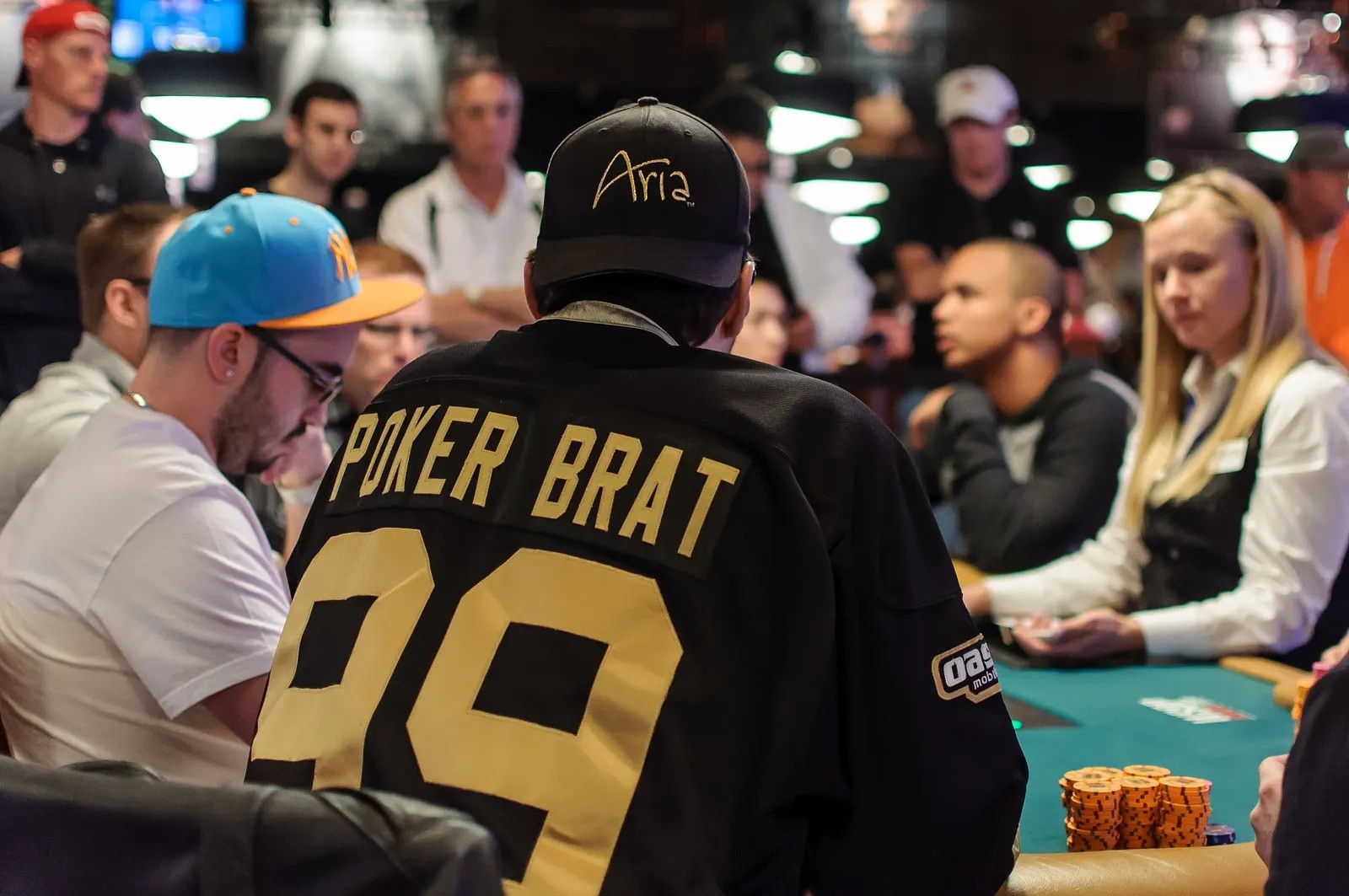
But it is precisely these television sessions that dealt a serious blow to his reputation among professionals. Show editing often portrayed Hellmuth as vulnerable against the new wave of high-rollers, and his technical decisions came under criticism. However, sports media experts urge against confusing the television product with real statistics, for two reasons:
TV shows broadcast only a small fraction of the hands played, selecting for airtime the most striking, conflict-ridden, or curious moments involving Hellmuth.
In such games, participants often act more loosely and polarizingly in order to create a spectacle, which runs counter to Hellmuth's conservative, survival-oriented tournament model.
Reputation and peer assessment in High-Stakes Cash
In cash-game broadcasts, Hellmuth has often made suboptimal plays against professional ranges, which has fostered a persistent view among critics that his technique is weak outside of tournament formats.
Olivier Busquet expressed the position of radical critics who consider Hellmuth's style outdated:
"The way Hellmuth behaves on television casts a shadow over the entire poker community. He's toxic. The professional community doesn't respect his game, and that disrespect is fully earned. His self-centered, aggressive, and odd style of play only works against amateurs. Deep-stacked against strong opponents, Hellmuth turns into the most unpleasant, disrespectful, and ego-obsessed maniac in the industry, whose technical foundation doesn't hold up to scrutiny."
Daniel Negreanu has regularly backed up the criticism from a technical standpoint:
"Phil genuinely believes in his 'white magic,' but the truth is that deep in cash games against balanced GTO ranges, his lines look outdated. He often plays overly passively where pressure is needed, and conversely, makes costly emotional mistakes when provoked."
Read also:
Daniel Negreanu Biography
Phil Galfond, one of the leading theorists of poker, initially shared this skepticism, but later publicly changed his mind and apologized to Hellmuth:
"I'd like to formally apologize to Phil Hellmuth for how long it took me to recognize just how talented he is... We so often criticize plays we see on television while sitting comfortably on our couches. I think it's only fair to give him his due."
Hellmuth himself always counters this criticism with a single argument — that his results in private cash games are deeply positive. Since private sessions in Las Vegas take place behind closed doors with no official record, these claims cannot be verified.
Online poker
Online, Hellmuth plays under the nickname Lumestackin — a clever anagram of the English phrase "Luckiest Man." This was Phil's ironic reply to critics who considered his success pure luck.

Since it's impossible to track full profit-and-loss statistics online, the assessment of his online career is based on the player's own statements. In his interview for the No Jumper project, Hellmuth confirmed that during the pandemic he earned a large sum online:
"During the pandemic I played a lot of high-stakes poker online and made a ton of money. But I never wanted to become one of those guys who sit in front of their monitors around the clock, running twenty tournaments at once and blindly following computer calculations. For me, online is above all a great training ground to stay sharp, but my main edge only shows itself when I can see my opponent's eyes in person."
Playing style and his White Magic
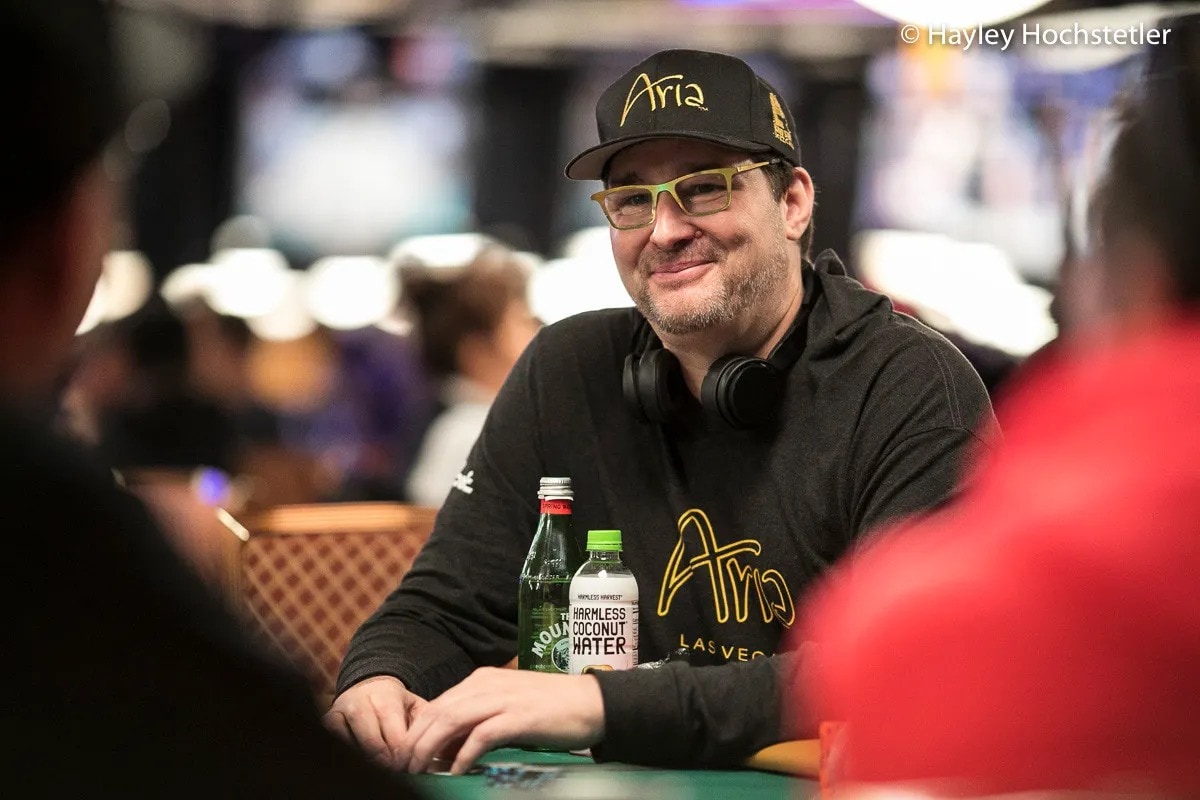
What is "White Magic" in the language of math?
Modern poker is built on the concept of GTO (Game Theory Optimal) — a mathematically balanced model that protects a player from being exploited by opponents. Against this backdrop, Hellmuth with his "white magic" looks like a shaman at a conference of nuclear physicists.
If you translate Hellmuth's approach into dry poker-strategy language, it's a deep exploit — a strategy that deliberately breaks balance in order to extract profit from the specific mistakes of specific opponents. Where a solver calculates the balance of bets and the frequency of actions, Phil relies on psychological markers.
In an interview for PokerNews during the World Series of Poker, Phil Hellmuth explained exactly what he means by this term:
"White magic is very simple. It means exactly one thing — the ability to read people. I came up with this term about seven years ago, when I was trying to explain to one young online phenom why I folded a hand. I described the situation and said, 'Well, he was really strong.' The guy asks back, 'What do you mean he was strong?' I reply, 'I read off him that he was strong.' And he just couldn't understand that!
And then I thought: has an entire layer of players really appeared in poker, a new generation that doesn't understand what reading a soul even means? Because that's exactly what makes great players great. For this new segment of society, what I do looks like some damn magic. To them it looks like black magic, but the word 'black' has bad connotations, so I decided it would be called white magic instead."
Strengths
If you strip away the show elements from Hellmuth's "white magic," his strategy breaks down into three specific professional skills:
1. Reading the field in large-field tournaments. Hellmuth accurately picks up on the mental markers of amateurs and semi-professionals. He adapts his play to opponents who are tight and afraid of busting out before the bubble, or, conversely, who start bluffing under the influence of emotion.
2. Maneuvering a medium or short stack. Where modern regulars switch to automatic actions based on "push/fold" charts, Hellmuth maintains flexibility through the concept of small ball — he plays small pots, minimizing the risk of elimination.
3. Pace control and trap-setting. Phil knows how to slow down the game or shift gears, alternating periods of passivity with sudden aggressive actions. He has deeply integrated into his arsenal the practice of playing strong hands via a check or a call in pots where the mathematical expectation would usually call for a straightforward value bet, baiting hyperactive opponents into bluffing.
4. Deliberate overfolds. Hellmuth is capable of folding a strong hand to a big bet if his opponent's actions indicate they have the edge. In spots where GTO prescribes a call to protect the range, Phil deliberately chooses to fold.
Weaknesses
1. Vulnerability against balanced aggression. In games against top-level regulars, Hellmuth's lines become predictable. When opponents use a high frequency of 3-bets and dense barrels with a well-calibrated balance of bluffs and value, Phil's conservative lines lose effectiveness. Due to his reluctance to play high-variance pots deep-stacked, he often acts excessively passively, which makes him vulnerable in elite offline cash games.
2. Overvaluing reads. The tendency to rely on live reads of an opponent sometimes leads to mistakes. Hellmuth can assign an opponent a specific hand based on a false mental marker and then build the entire logic of the hand around that conclusion, while ignoring the real distribution of combinations in the range.
3. Emotional decisions. Despite his colossal experience, Phil is prone to tilt. Public meltdowns are not only part of his image but also a catalyst for strategic mistakes. Outbursts of anger after losing pots temporarily destroy his ability to analyze objectively, leading to erratic actions and chip losses at the table.
Notable hands
Hellmuth vs. Johnny Chan (WSOP Main Event, 1989)
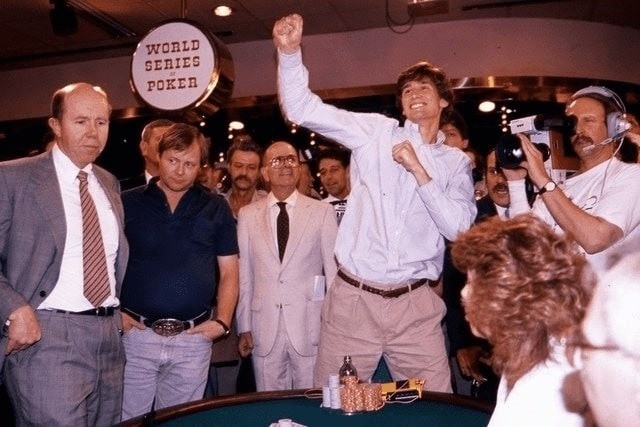
At that point, Johnny Chan seemed like an utterly unbeatable boss. He had won the WSOP Main Event in 1987 and 1988. In 1989, he reached the final heads-up for the third time in a row — an achievement that is physically impossible to repeat in modern poker. Chan embodied coolness, authority, and the old school, while Phil Hellmuth was a 24-year-old guy from Wisconsin without a single bracelet to his name.
The 24-year-old Phil chose a defensive tactic against the legend — he called Chan's raises with a wide range of borderline hands and outplayed him postflop in small pots. As Hellmuth later admitted, Chan was deeply irritated at having to play this sticky brand of poker and lost his psychological composure after Phil caught a big bluff of his a few hands before the final.
At the decisive moment of the heads-up, Hellmuth was already leading in chips (1.1 million against Chan's 600 thousand).
Preflop, Hellmuth raised standardly from the button with 9♣️ 9♠️. Johnny Chan decided to set a trap and re-raised to 130,000 with suited A♠️ 7♠️. Chan was counting on the young opponent being scared off by the champion's aggression and folding to protect his stack. But Hellmuth announced all-in for his entire stack. Chan called with the rest of his stack. The dealer spread a flop of K♦️ 10♥️ K♣️. The turn Q♠️ gave Chan straight outs, but the river brought a 6♠️. Hellmuth's pocket nines held up. Phil took down the pot, won his first gold bracelet, and $755,000.
Takeaway for beginners: If you notice a strong opponent accustomed to dominating and taking down pots with aggressive bets unopposed, your job is to break that pattern. Don't try to out-aggress him at his own aggressive game. Prepare your range in advance so you can call his bets and deny him profitable bluffing opportunities against you. Learn to push your opponent out of their comfort zone and force them into mistakes.
Watch: Hellmuth vs. Johnny Chan (WSOP Main Event, 1989)
Hellmuth vs. Antonio Esfandiari (High Stakes Duel, Round 2)
The second round of the duel, with a total prize pool of $200,000, turned into a tactical standoff that lasted three and a half hours.
Antonio Esfandiari adjusted his strategy. Twice during the match he picked up the nuts and fired giant overbets on the river, hoping to portray a wild bluff. Hellmuth had very strong hands both times. An ordinary heads-up player would have clung to those hands with their teeth, but Phil showed iron discipline and folded in both hands, preserving his stack.
At one point Antonio built a 3-to-1 chip lead, but Phil managed to double up. Hellmuth entered the pot with a passive limp on the button holding J♠ 8♠. Esfandiari raised to 6,700 from the big blind with pocket nines 9♦9♣, and Phil called. On a flop of 3♠️5♣️J♦️, Hellmuth played a hidden check-shove, forcing Antonio to commit his remaining stack with his nines. Hellmuth's hand held and he completed an important double-up.
Closer to the end of the three-hour marathon, with blinds at 1,000/2,000, Phil Hellmuth already had the initiative, but Antonio Esfandiari was desperately searching for a spot to aggressively double up his stack. Phil's preflop limp with 8♥️ 7♦️ again concealed his range from his opponent, who checked his option in the big blind with 7♣️ 2♥️.
On a flop of 8♦️ 7♥️ K♦️, Hellmuth flopped two pair and bet 2,500, Esfandiari called. The turn brought 2♠️, which turned into a trap for Antonio, giving him a lower two pair. After Esfandiari checked, Phil bet 6,500, Antonio built the pot with a check-raise to 18,500, but Hellmuth, holding a 95% mathematical edge, 3-bet to 57,000. The river brought a blank 9♣️. Believing that Phil was trying to push him out of the pot, Esfandiari announced all-in for the rest of his chips, instantly got called, and lost.
Takeaway for beginners: In heads-up play, concealment is often more important than straightforward pressure. Hellmuth repeatedly declined aggressive preflop raises with strong hands, preferring a passive entry into the pot and disguising his holdings. When Phil demonstratively checked in the dark, he lulled his opponent's vigilance by imitating absolute weakness. This provoked Esfandiari into reckless aggressive bets.
Hellmuth vs. Cristian Dragomir (WSOP Main Event, 2008)
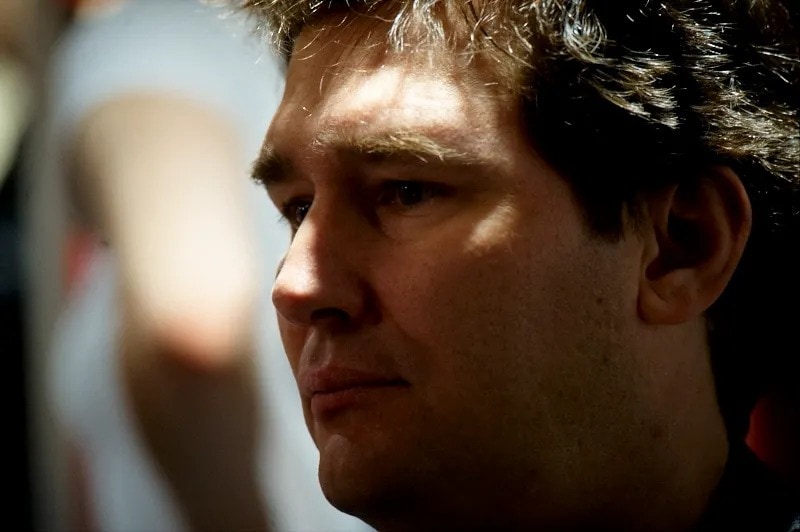
Late stage of Day 6 of the WSOP Main Event. Little-known Romanian amateur Cristian Dragomir sat down at the TV table with a deep stack and a strategic goal of testing Hellmuth's nerves with aggressive, illogical poker.
With blinds at 15,000/30,000, Dragomir opens with a raise to 80,000 with the garbage hand 10♦️ 4♦️. Sitting in the small blind, Phil Hellmuth, holding A♠️ K♥️, 3-bets to 255,000. Dragomir, deciding to apply mental pressure, hits "call" with garbage in hand. On a flop of 9♣️ 10♣️ 7♠️, the Romanian pairs his ten. Hellmuth, unsure where he stands against such a wide range, checks. Dragomir fires a hefty bet of 300,000 chips. Hellmuth sighs heavily and flashes his Ace-King as he folds.
Mike Matusow, sitting at the table, jokingly asked the Romanian to show his cards, and Dragomir, smiling, flipped over his 10♦️ 4♦️. Seeing what trash had called off a quarter of a million preflop, Hellmuth instantly lost control of himself, starting to publicly berate his opponent, shouting:
"Look at this guy, he's raising with ten-four! This is how I lose my chips — because of some idiot! You're an idiot! I absolutely do not like the way you play poker! You've been playing disgustingly all day."
Phil tilted so long and so viciously that the WSOP organizers ultimately handed him a penalty — a full round of hands skipped at the start of the following day. However, after overnight discussions with WSOP management, the penalty was overturned and replaced with a simple warning.
Takeaway for beginners: The ability to isolate your emotions, swallow the sting of an unfair loss, and continue playing according to your strategy is a key marker of professionalism that protects you from potential mistakes in future hands.
Winnings, biggest cash, and net worth
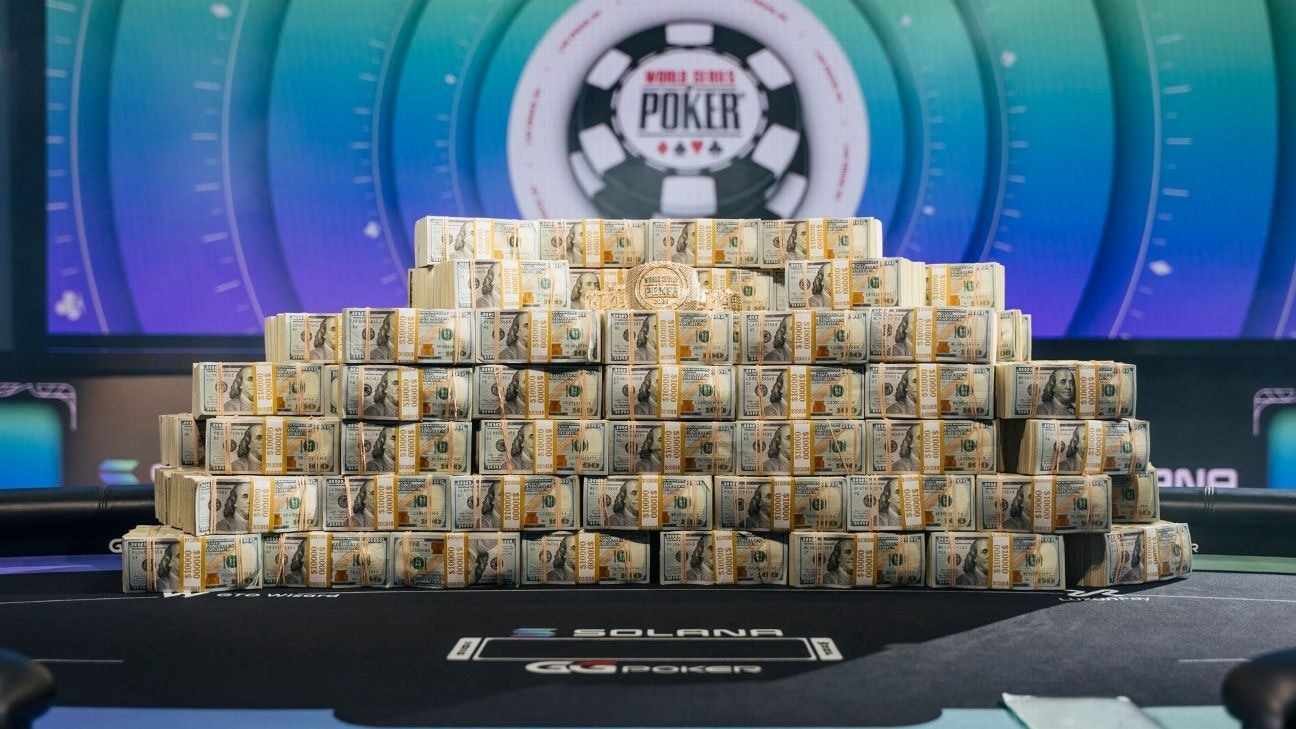
As of September 2026, the authoritative database The Hendon Mob records $31,644,120 in total live tournament winnings for Phil Hellmuth. This gross amount keeps him at 36th place in the worldwide All Time Money List ranking and 19th among American poker players. At the same time, the largest single payout of his long career remains the $2,645,333 Phil received for a 4th-place finish in the elite $1,000,000 Big One for One Drop event at the 2012 WSOP.
In sports analytics, it's important to clearly distinguish between "winnings" and "net income." Tournament cashes are strictly gross payouts that don't reflect a poker player's real financial efficiency. Public databases don't deduct buy-ins and rake, logistics expenses, taxes paid, or backers' shares. The statistics also ignore Phil's non-public results in private cash games.
That's exactly why any attempt to name the exact size of the player's personal capital lacks an evidentiary basis. To this day, there is no reliable, verified public estimate of Phil Hellmuth's current net worth.
Conflicts and reputational episodes
The "Poker Brat" image was born at the intersection of television showmanship, genuine emotional instability, and frequent breaches of game etiquette. Hellmuth turned his outbursts of rage into a personal brand.
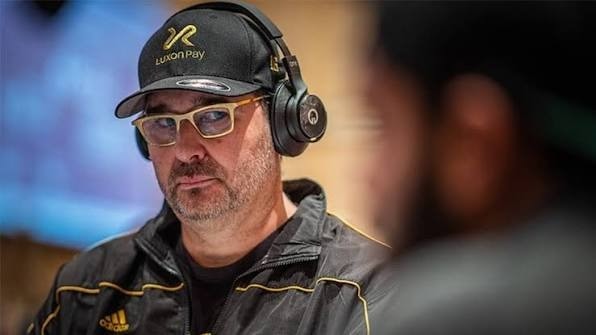
A vivid historical example was the 2008 incident at the WSOP Main Event with Cristian Dragomir. After the Romanian player showed Phil a bluff with the garbage hand 10-4, Hellmuth burst into insults. For his continuous verbal abuse, the floor officials handed Hellmuth a one-round penalty, forcing him to skip the start of the following day. However, the penalty was controversially overturned by WSOP Commissioner Jeffrey Pollack after an overnight meeting and replaced with a warning. This sparked long-running debates about double standards in refereeing toward poker stars.
A modern example of mutual psychological provocation was his conflict with high-roller Erik Persson at the PGT Heads-Up Showdown tournament in 2022. Persson deliberately used Hellmuth's own weapon against him — open trash talk, constant smirking, and nonverbal gestures. Hellmuth, used to dominating psychologically himself, couldn't handle the pressure, started complaining to the floor about his opponent's behavior, lost his concentration, and ultimately lost the match.
Read more about the nature of this state in the article:
What is tilt and how to deal with it.
The heaviest reputational blow in Phil Hellmuth's career remains his years-long collaboration with the online platform UltimateBet, where until 2010 he served as the brand's main face and ambassador. When, in the late 2000s, an independent investigation by players uncovered a fraudulent scheme involving accounts that could see opponents' hole cards, Phil's reputation came under serious attack. Nevertheless, according to the official ruling of the Kahnawake Gaming Commission, full responsibility for creating the fraudulent software was placed on company founder Russ Hamilton and individuals connected to him. No legal or documentary evidence of Hellmuth's own involvement in the scheme was ever found.
Personal life
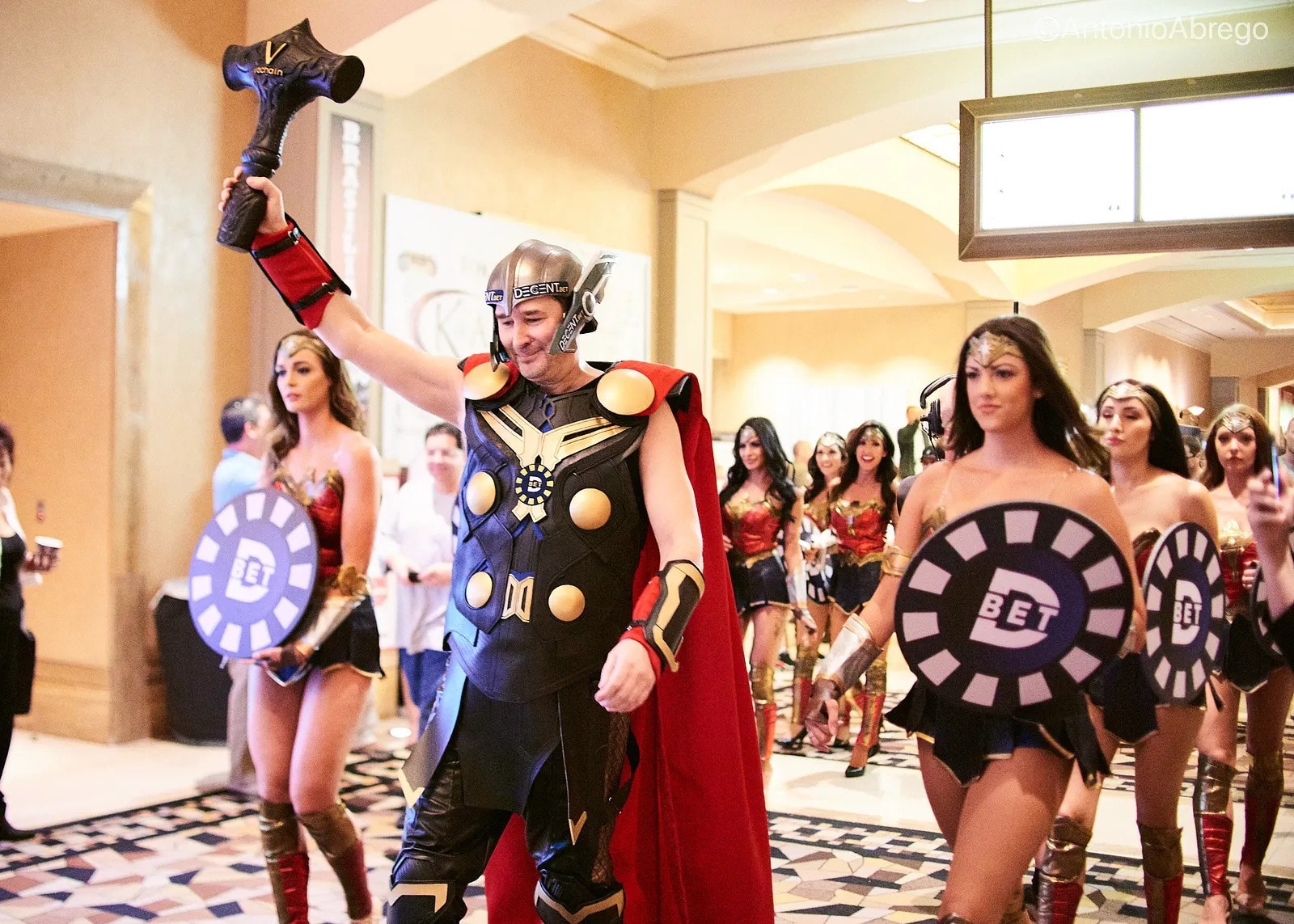
Hellmuth's public image is woven from contradictions. On television screens, he's a petulant child ready to curse at dealers, insult opponents, and stage theatrical entrances dressed as Caesar or Thor. However, outside the casino, this "brat" turns into a model family man.
Phil has been happily married for more than 30 years to Kathryn Sanborn, who works as a professional psychiatrist at the University of Wisconsin. In his own interviews on the topic, Phil has repeatedly emphasized that it was precisely his wife's profession and her mental support that helped him handle crises and the aftermath of poker tilt following losses. The couple is raising two grown sons, Phillip III and Nicholas.
What he's doing now
Today Hellmuth is 62 years old and continues to be a key figure on the world poker stage. His competitive form was clearly confirmed in the summer of 2026 at the tournament series in Las Vegas. As part of the World Series of Poker, Hellmuth made a deep run in the near-final event, Event #99: $5,000 8-Handed No-Limit Hold'em. Phil reached the final heads-up, where he lost to American professional Darren Rabinowitz. For 2nd place, Hellmuth received $464,286 in prize money, stopping literally one step short of claiming his record 18th gold bracelet.
After the loss, Hellmuth publicly reaffirmed his overarching historical goal — to win 24 gold bracelets. He has been obsessed with this number for more than thirty years, and in an exclusive interview with PokerGO, he admitted:
"I don't know how to describe it... Back in 1993 I had a vision. I just told myself, 'You're going to win 24 bracelets.' I've felt it in my heart and in my soul ever since. It's a strange thing — just feeling like you have a vision — but I believe I'll get there. So, boys, you're going to have to win 25 to beat me."
At the same time, taking stock of the physical demands of modern multi-day series, Hellmuth announced that he plans to move to a more selective schedule of appearances in the off-season. Phil intends to ration his participation in mass-field tournaments in order to preserve his concentration for the biggest championships.
Takeaways for a beginning player
1. Choosing your distance
Hellmuth's five decades at the top are a story about sound time management. His 2026 announcement about switching to a selective schedule and rationing mass-field tournaments is the key marker of maturity. In poker, as in a marathon, there's no point in sprinting every single stretch at maximum speed. The ability to step away from minor series at the right time, in order to preserve concentration for the major championships, is what separates systematic players from those who burn out within a couple of seasons.
2. The value of a read lies in its timely execution
A deep understanding of an opponent's psychology only works when backed by action. In the 1989 heads-up against Johnny Chan, Phil read the champion's excessive pressure and responded with an instant all-in with nines, taking the title. By contrast, in the 2026 final against Darren Rabinowitz, Hellmuth got caught up in disguising his range. Holding the edge on a dangerous board, he declined to bet for protection and passively checked it down to the river, letting Darren cheaply make a stronger hand. In the end, a read without aggressive action turned into missed value and cost him the 18th bracelet.
3. Exploit is a mathematical hypothesis, not mysticism
The concept of "white magic" works effectively only as a tool for logically adjusting to a specific opponent's mistakes. Phil's disciplined overfolds in the round against Antonio Esfandiari, when Hellmuth folded strong hands to enormous overbets, were based on a clear understanding that at that stage his opponent was under-bluffing. Successful exploitation always requires a testable hypothesis about an opponent's playing style and constant feedback, not an abstract "sixth sense."
4. Separating media ego from playing concentration
Emotional outbursts can drive TV ratings and build a personal brand, but at the table itself they have a destructive effect. The 2008 incident with Cristian Dragomir clearly showed that uncontrolled tilt shuts down analysis, leads to a loss of control, and damages one's reputation within the professional community.
5. No one is born a champion
A sum of $31.6 million in winnings on Hendon Mob looks impressive, but beginners should remember the lessons of Hellmuth's youth. The guy who today holds the absolute world record left Vegas with empty pockets about ten times at the start of his career and went to work as a laborer on a corn farm to scrape together money for his next buy-in.
Starting a career with losses is normal — no one is born a winner. If even the greatest tournament player in history went through heavy defeats and variance, then your own success over the long run will depend not on the absence of mistakes, but on your willingness to keep doing the systematic work after every crisis.
Studying Hellmuth's "white magic" isn't necessary. For regular wins today, you need a different foundation — a clear, modern strategy.
You can begin your own path to the top at FunFarm. Our school takes on all the financial risk — we provide players with full funding, individual training, and psychological support. Start your path into professional poker with no risk to your wallet.

Free course · FF Start
Build your foundation in one course
Hand rankings, terminology and the logic of a hand — without scattered tips or complicated explanations.