The Story of Fedor Holz: From Prodigy to Elite High Roller
He burst rapidly into the ranks of the world's best poker players, then just as quickly stepped away from the tournament grind. Let's take a look at his biography and figure out what brought him success.
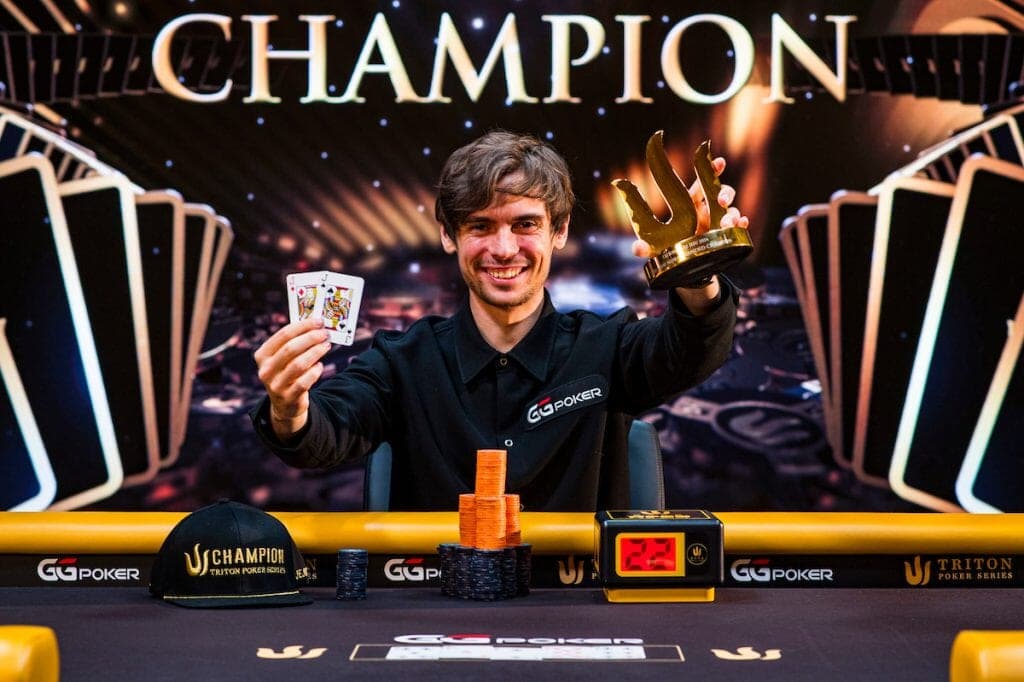
Fedor Holz is a German tournament player also known by the nickname "CrownUpGuy". He has two World Series bracelets, five Triton titles, and a WCOOP main event win to his name. Holz leads the list of German players with the biggest live tournament winnings and is one of the most significant high rollers of his generation. At the same time, his contribution isn't limited to tournament success. Holz first showed by personal example that success could be achieved through online MTTs, and then created a popular app and launched his own investment fund.
Fedor Holz is a German tournament player also known by the nickname "CrownUpGuy." He has two World Series bracelets, five Triton titles, and a WCOOP main event win to his name. Holz leads the list of German players with the biggest live tournament winnings and is one of the most significant high rollers of his generation. At the same time, his contribution isn't limited to tournament success. Holz first showed by his own example that success can be achieved through online MTTs, and then created a popular app and launched his own investment fund.
New breakdowns in your inbox
Subscribe to the FunFarm newsletter: fresh Poker ABC articles and material that helps you grow as a player.
Biographical Summary
Name: Fedor Holz
Date and place of birth: July 25, 1993, Saarbrücken (Germany)
Nickname: CrownUpGuy
WSOP bracelets: 2
Triton Series titles: 5
Career live tournament winnings: $50,681,509 (according to Hendon Mob as of September 22, 2026)
Biggest cash: $6,000,000
Role at PokerCode: founder, MTT coach
Path into Poker

Fedor Holz was born in the German city of Saarbrücken on July 25, 1993. He discovered poker in high school thanks to slightly older friends. A group of 7-8 people would regularly gather on weekends at one friend's house and play for 50 hours straight with $0.01/$0.02 stakes. Two guys from the group were already earning several thousand euros playing poker at the time, and naturally they regularly won these home games. Fedor decided to figure out how they did it, and got hooked on the game himself.
Holz soon started playing online tournaments under the nickname "CrownUpGuy." At first he played $1 Sit&Gos. These tournaments had 180 entrants, and Fedor had to play on 20 tables simultaneously. That's how he started grinding actively alongside his university studies.
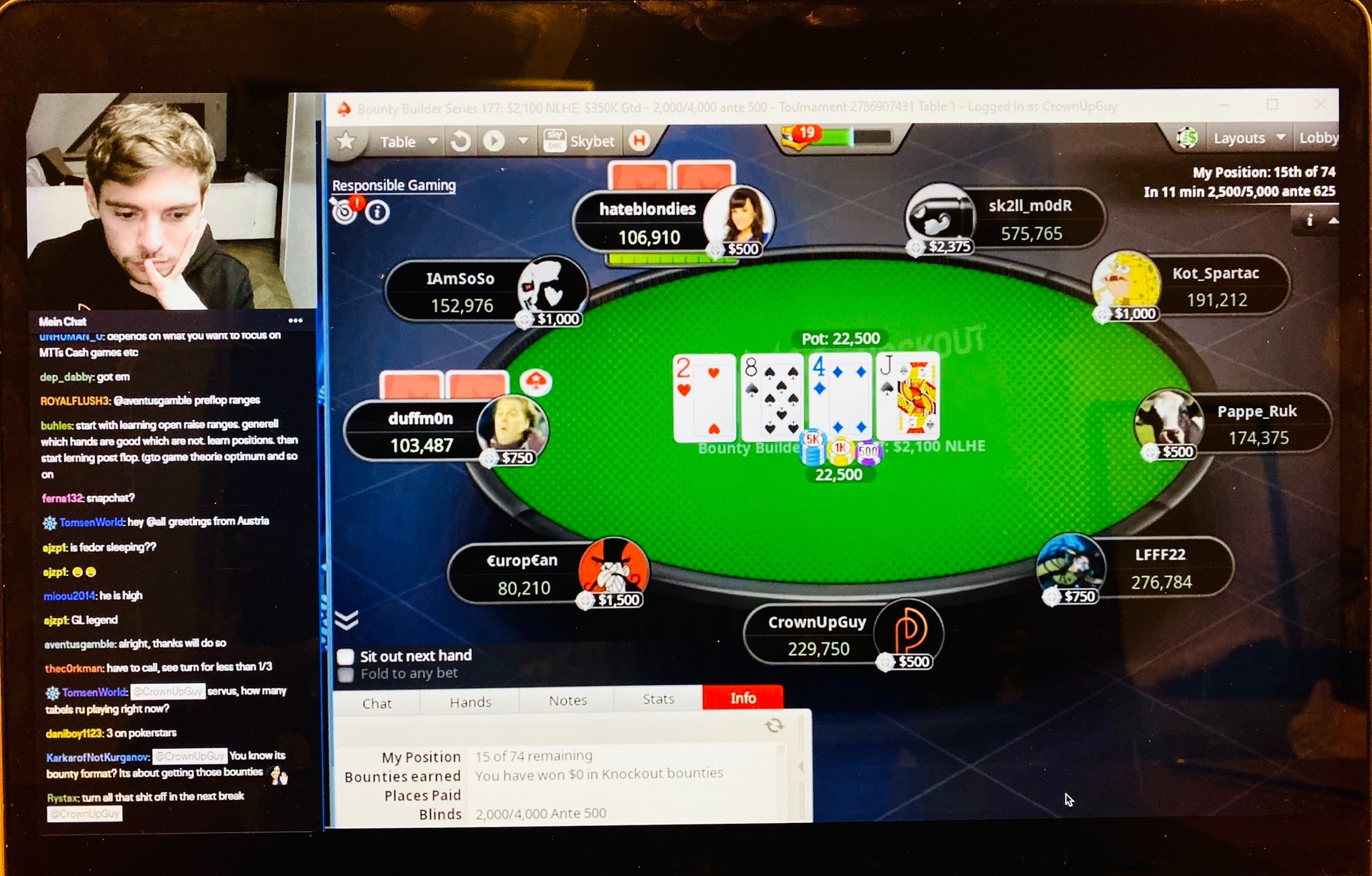
In a recent interview, Holz admitted that the decision to drop out of university and focus exclusively on poker was one of the key moments in his career. His family initially thought it was a bad idea, but they still supported Fedor's ambition, as by that point he was already living on his own and was quite independent.
Holz named the people around him as another important component of his success. A whole team of friends and like-minded people formed around the future high roller — people who hadn't yet achieved success but were very ambitious. This environment helped each of them cope with problems in their poker careers and achieve success.
Early Success
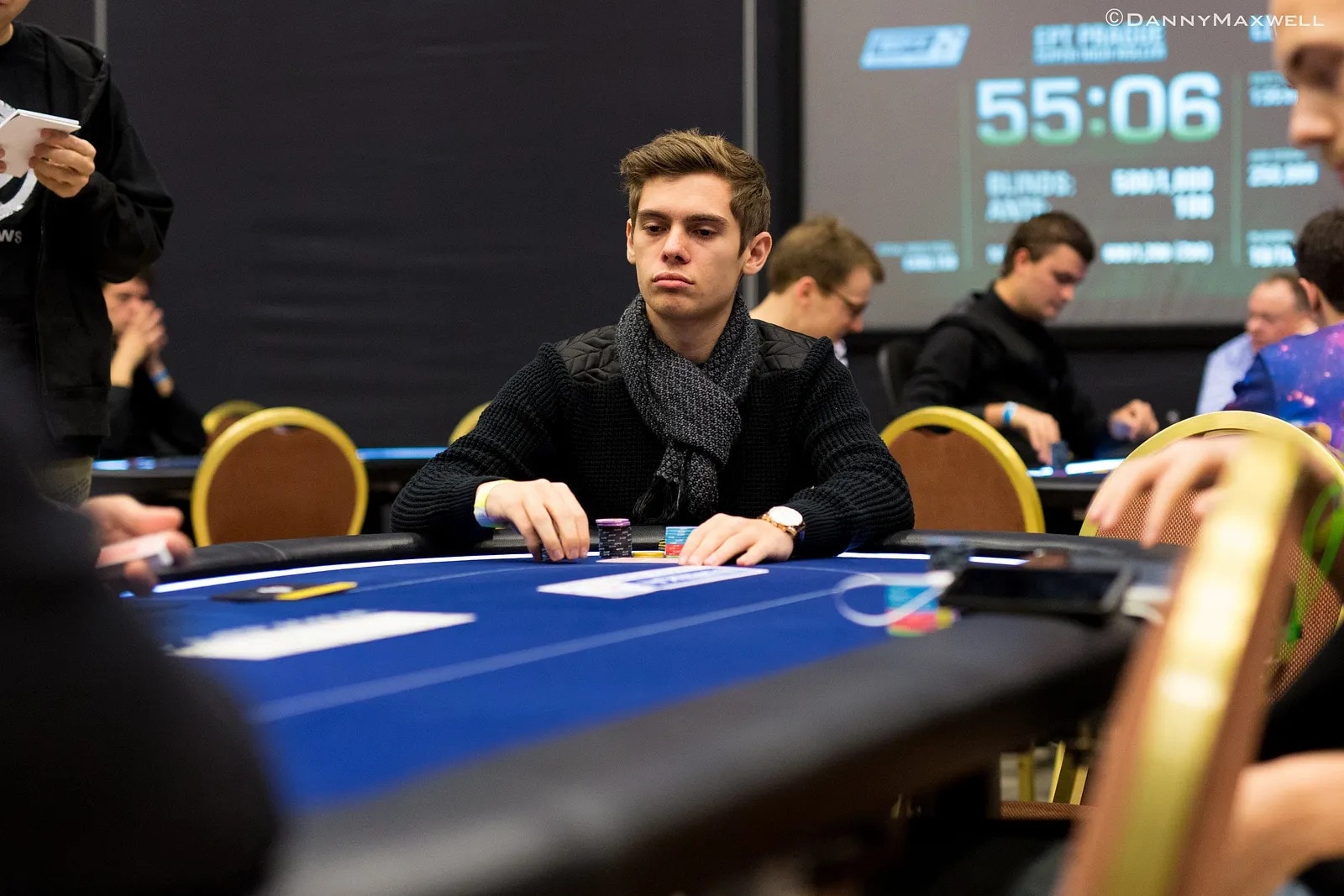
Fedor Holz first made a name for himself at a live tournament in September 2012. He came to Rozvadov in the Czech Republic for the GPT II series and made it to second place in the main event with a €500 buy-in. In the heads-up, the 19-year-old German lost to local player Tomas Petru and took home €15,320.
Second place in the Czech Republic was a good result for Holz, but all of 2012 was difficult for him. He alternated wins with losses and lost his entire bankroll several times. This had a serious effect on the young player's mental state as well.
In January 2013, Holz decided he needed to take a break. He stopped playing poker and went traveling around the world. A few months later, Fedor followed the example of many other German poker players and moved to Vienna. These changes helped him improve his game. In Holz's own words, he became more organized and gained a clear vision of what needed to be done.
That same year he started grinding live tournaments around the world: Austria, Spain, Cyprus, even the Antilles. Holz's bankroll regularly grew by 4- and 5-figure amounts, and in August 2014 the German became the champion of a European Poker Tour side event. He won the €2,000 NLH 8-Max and earned €43,750. Less than two years passed from his live tournament debut to a significant trophy.
Read also:
How to Start Playing Poker
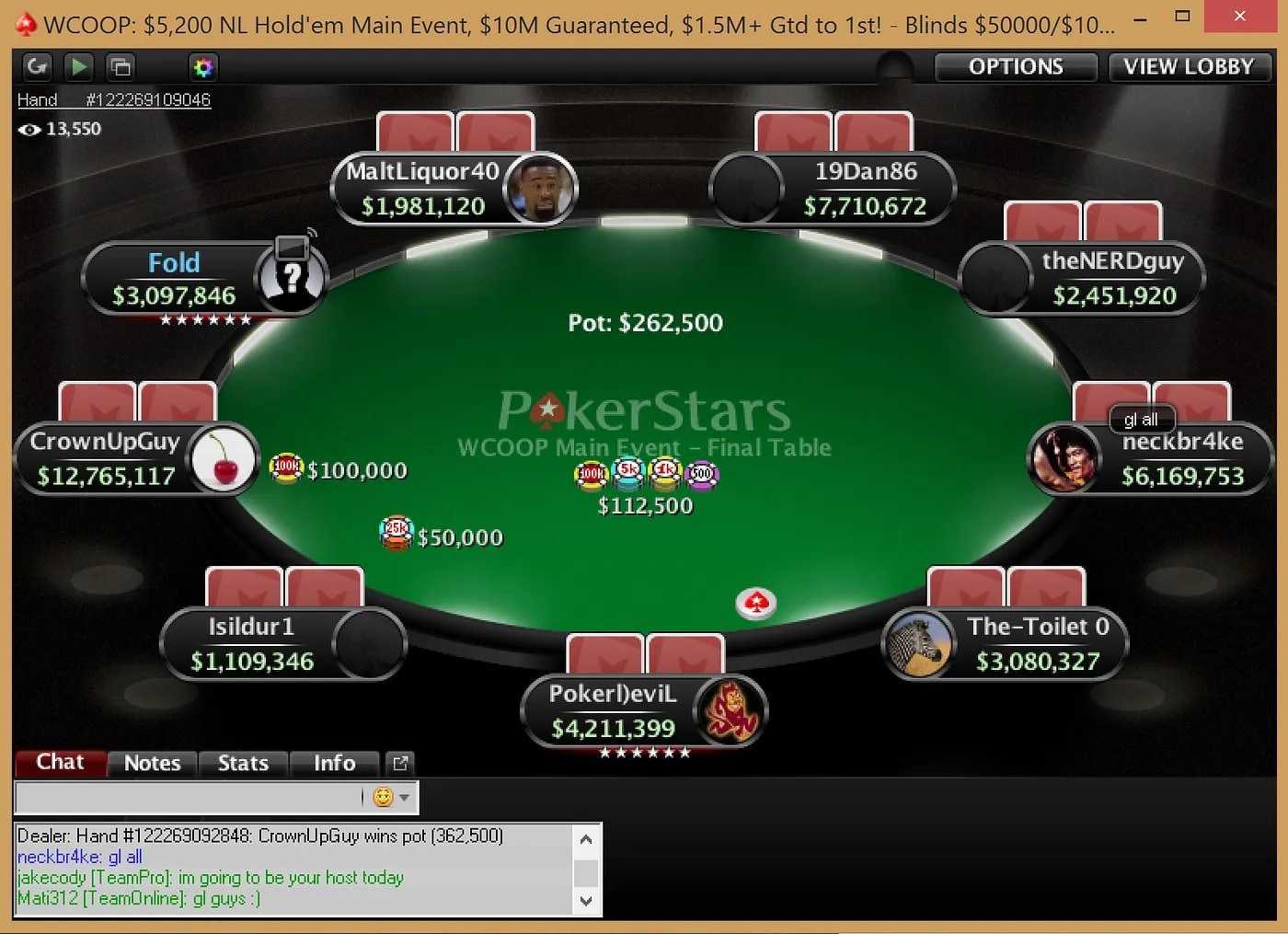
Still, Holz achieved his main success at the start of his career online. In September 2014, a month after his EPT win in Barcelona, "CrownUpGuy" became champion of the World Championship of Online Poker (WCOOP) main event with a $5,200 buy-in. This tournament drew 2,142 entries and a $10.71 million prize pool, and the field included experienced online regulars and wealthy amateurs, as well as players who qualified through cheap satellites.
A field like this in an MTT requires a player to adapt very quickly to a wide variety of styles across several tables at once. You need to use exploits against weak opponents, while working ranges skillfully against strong regulars. By WCOOP 2014, Holz already had an excellent command of these skills, thanks to hundreds of hours of online poker.
"CrownUpGuy" successfully survived the first day of the tournament, during which the field shrank to 271 players. Before day two, the German got a good night's sleep and rested well in order to maintain his focus throughout the 13-hour session. It worked.
Holz reached the final table as the chip leader, where he outlasted another famous grinder, Viktor "Isildur1" Blom, who finished ninth. At the 6-max stage, the players agreed to an ICM deal, guaranteeing the German $1,100,000. After that he went on to the heads-up against Yuri "theNERDguy" Martins, where he won and took home another $200,000 along with the title.
After becoming champion, the 21-year-old Holz said that he had played at his peak and was happy with his game. He also said he planned to buy his family a house in Germany with the winnings, and he didn't hide his emotions at all:
"I've always wanted to go as far as possible in an event like this. Winning the biggest tournament of the year is an amazing feeling. So far this is my biggest achievement, and I can't put into words how happy I am."
Learning at FunFarm, from any level
High Roller Breakthrough — $16.5 Million Won in a Year
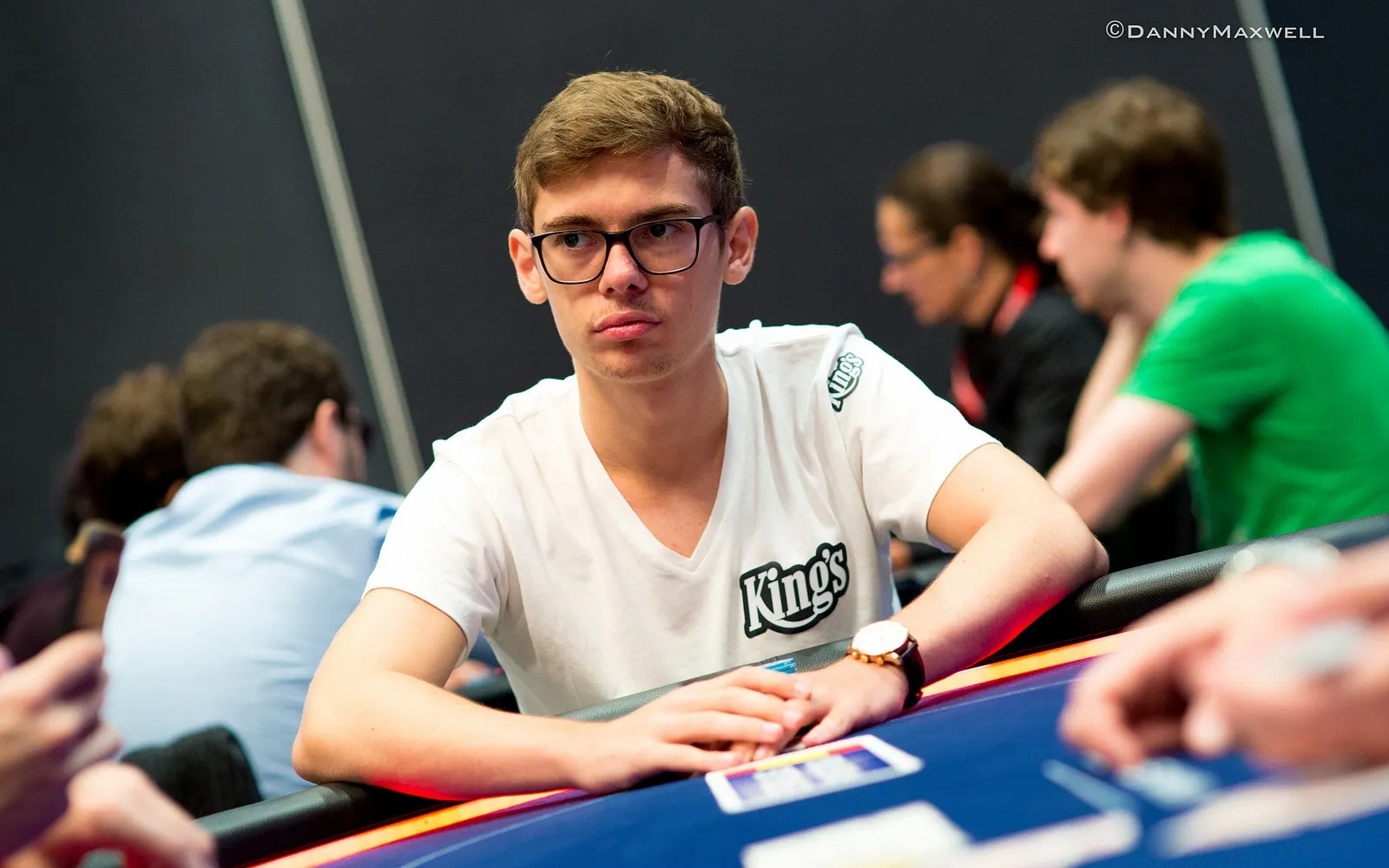
In 2015, Fedor Holz decided to move up to a new level. With the help of backing and his own bankroll, he started playing high-stakes tournaments. After a series of five-figure cashes, the German player performed very well at the European Poker Tour in Monte Carlo. There Holz first finished seventh in the €100,000 Super High Roller, then took fourth in the €50,000 Super High Roller 8-Handed. These results earned him €667,300.
That summer, Fedor Holz went to Las Vegas to play the World Series for the first time in his career. And the German player came close to winning a bracelet on his very first attempt. In the $10,000 NLH 6-Handed Championship, he finished third, losing only to Doug Polk and Byron Kaverman, and earned $268,463. In the WSOP main event, Holz finished 25th, which brought him another $262,574. Spoiler: this result remains the German's best in the main event to this day.
A series of cashes at tournaments around the world followed. However, losses were hiding behind the facade of these cash finishes. Buy-ins into high roller tournaments drained Holz's bankroll, even with ITM finishes. According to Fedor himself, his balance dropped from around $1.5-$1.8 million to $1.1-$1.2 million over the course of a few months.
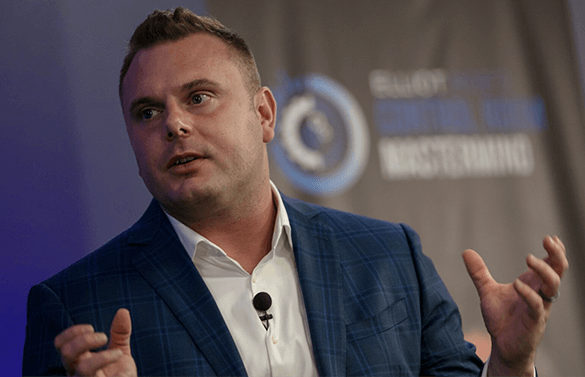
Everything changed in the fall of 2015, when Holz started working with mental coach Elliot Roe. The coach helped him cope with the emotional burnout from losing his bankroll and improve his psychological resilience. And in December 2015, the German high roller recorded his first seven-figure cash in a live tournament.
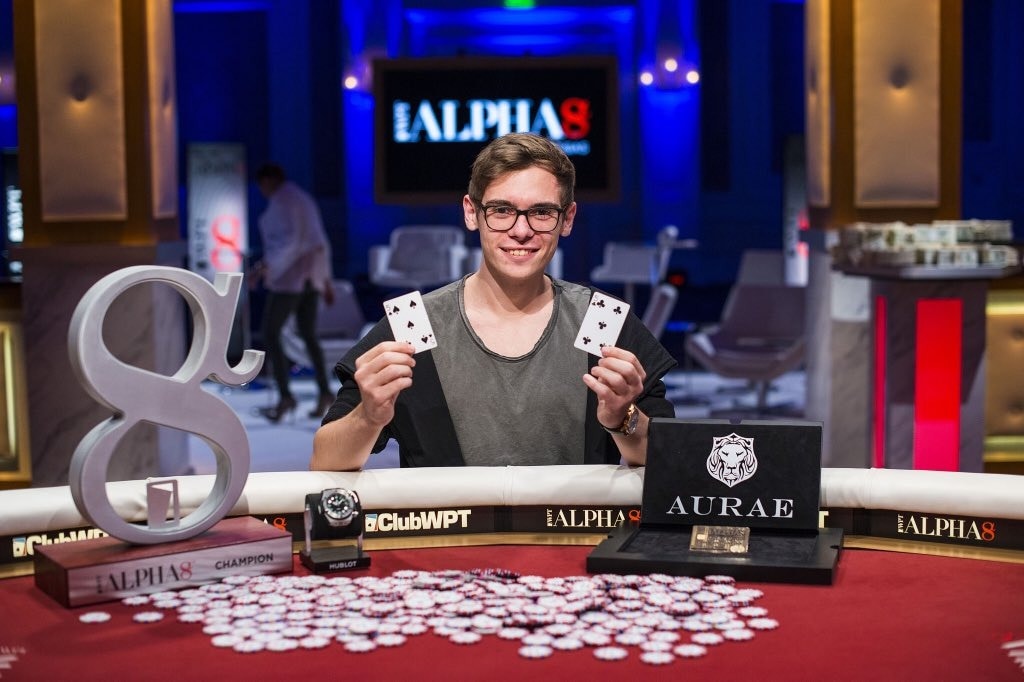
Holz returned to Las Vegas and became World Poker Tour champion, winning the Alpha8 tournament with a $100,000 buy-in. In the heads-up, the young German beat Nick Petrangelo, while Daniel Negreanu finished third. This result not only earned Fedor $1,589,219, but also helped him realize he was capable of winning the biggest live tournaments in the world.
Read about Negreanu's path to becoming one of poker's biggest stars here:
Daniel Negreanu — biography, career, and playing style of Kid Poker
But the hottest part of the upswing, meaning the series of wins and cashes, was still ahead. In January 2016, Holz won the first-ever Triton Super High Roller Series festival, held in the Philippines. There he became champion of the No-Limit Hold'em tournament with a $200,000 buy-in, beating David Peters heads-up, and earned $3,072,748.
Holz's spring trip to Monte Carlo for the EPT was also very successful, where he recorded five cashes in tournaments with buy-ins ranging from €1,000 to €50,000. In three of the five cases the German made the final table, and his total winnings within the series amounted to €310,240.
Right after the Monte Carlo festival, Holz headed to Vegas. By his own admission, over 7.5 weeks at the World Series he played an average of 11 hours a day, alternating WSOP tournaments with games at the Aria High Roller Series. He also made a whole series of bets on bracelets and winnings with other players, with the total amount of these wagers coming to around $450,000.
This insane grind paid off. And the first reward came even before WSOP started. Two days before the World Series began, Holz played the $300,000 Super High Roller Bowl and made it to the heads-up in that tournament. In the one-on-one match, Fedor faced his good friend Rainer Kempe. Kempe was the one who won and took home $5,000,000, while Holz earned $3,500,000 for second place. In this tournament, "CrownUpGuy," by his own account, sold only a small share to backers, and so was able to grow his bankroll from roughly $2 million to $3-$4 million.
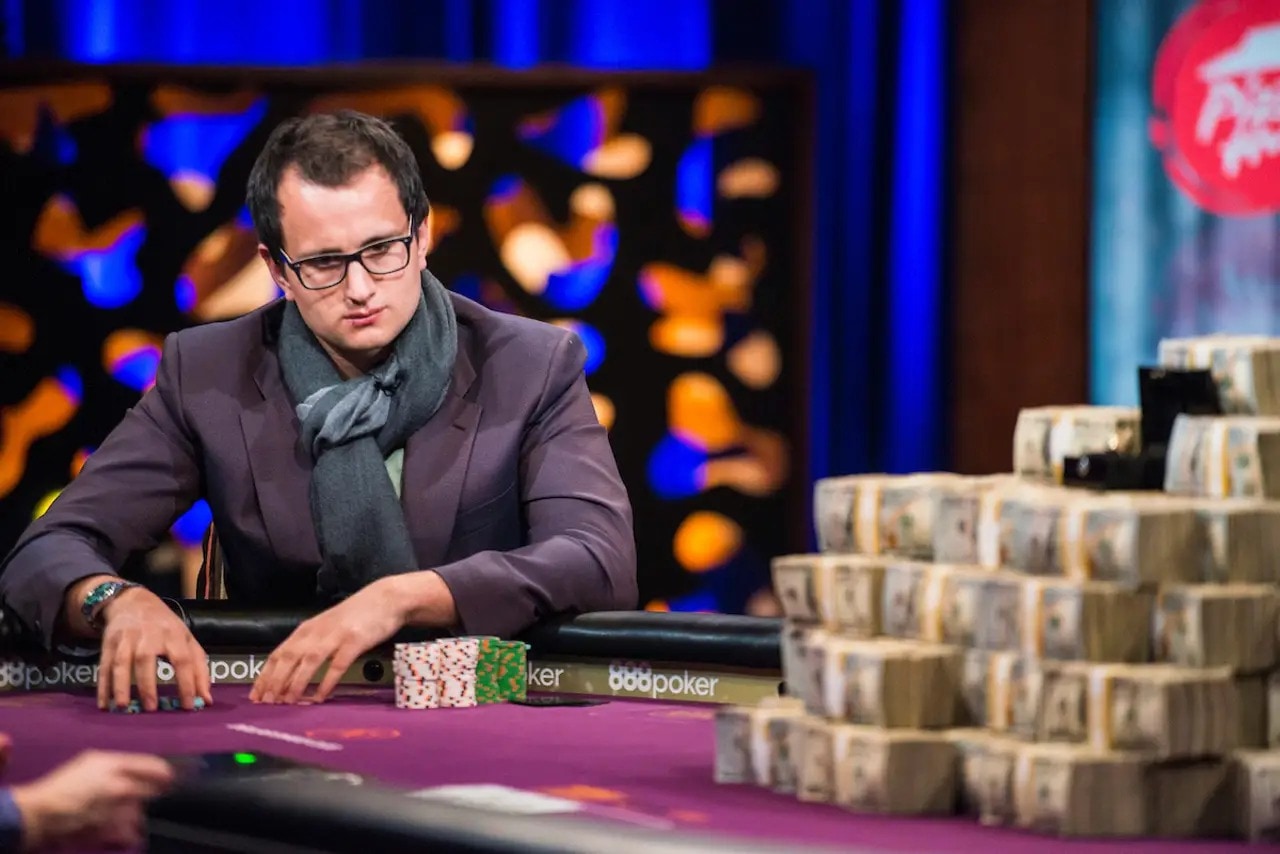
Rainer Kempe in the Super High Roller Bowl heads-up. Photo: Joe Giron/Poker Photo Archive
Alongside smaller cashes at the WSOP, Fedor Holz racked up three wins and one third-place finish in Aria high roller series events. These results alone earned him $1,713,834 against $150,000 spent on buy-ins. Still, the biggest success came right at the very end of the WSOP.
In early July 2016, Holz became champion of the Super High Roller for One Drop charity tournament with a $111,111 buy-in, which drew 183 entries. The German player paid half of the buy-in himself, while his backers bought the other part. In addition, Fedor also bought shares from his opponents himself, for example from Koray Aldemir.
Learn about the history of One Drop and other charitable poker projects:
Poker Millions for Good Causes
Holz said that at the end of the tournament, he, Aldemir, and Dan Smith made a three-way deal. Shortly after, Holz beat Smith heads-up and won his first bracelet, earning $4,981,775. Even accounting for the portion that went to his backers, the German player increased his bankroll by more than $2 million.
Right after his One Drop win, Holz said in an interview that he no longer planned to grind as actively at the WSOP and other series:
"Poker is a very selfish pursuit, you're just trying to make as much money for yourself as possible. I'd like to do something useful for other people."
2016 interview after One Drop: Fedor Holz Retires from Poker
After the WSOP, Fedor Holz took a month-long break, then came to Barcelona for the EPT. In Catalonia the German won the title in the €50,000 Super High Roller 8-Handed and earned another €1,300,300. The finishing touch on his insane year was yet another deep run at the Aria High Roller in October, where Holz finished fourth in the $100,000 event and took home $299,880.
In total, over 2016, 23-year-old Fedor Holz won an incredible $16,484,153. It's worth noting this is the cash total without accounting for buy-in costs and taxes. As for net profit, the German hasn't disclosed it, but in one of his videos he said he made more than $10 million in profit in Las Vegas alone. If you factor in his 2015 results, "CrownUpGuy's" total live tournament cashes reach $19.5 million!

Online Grinder
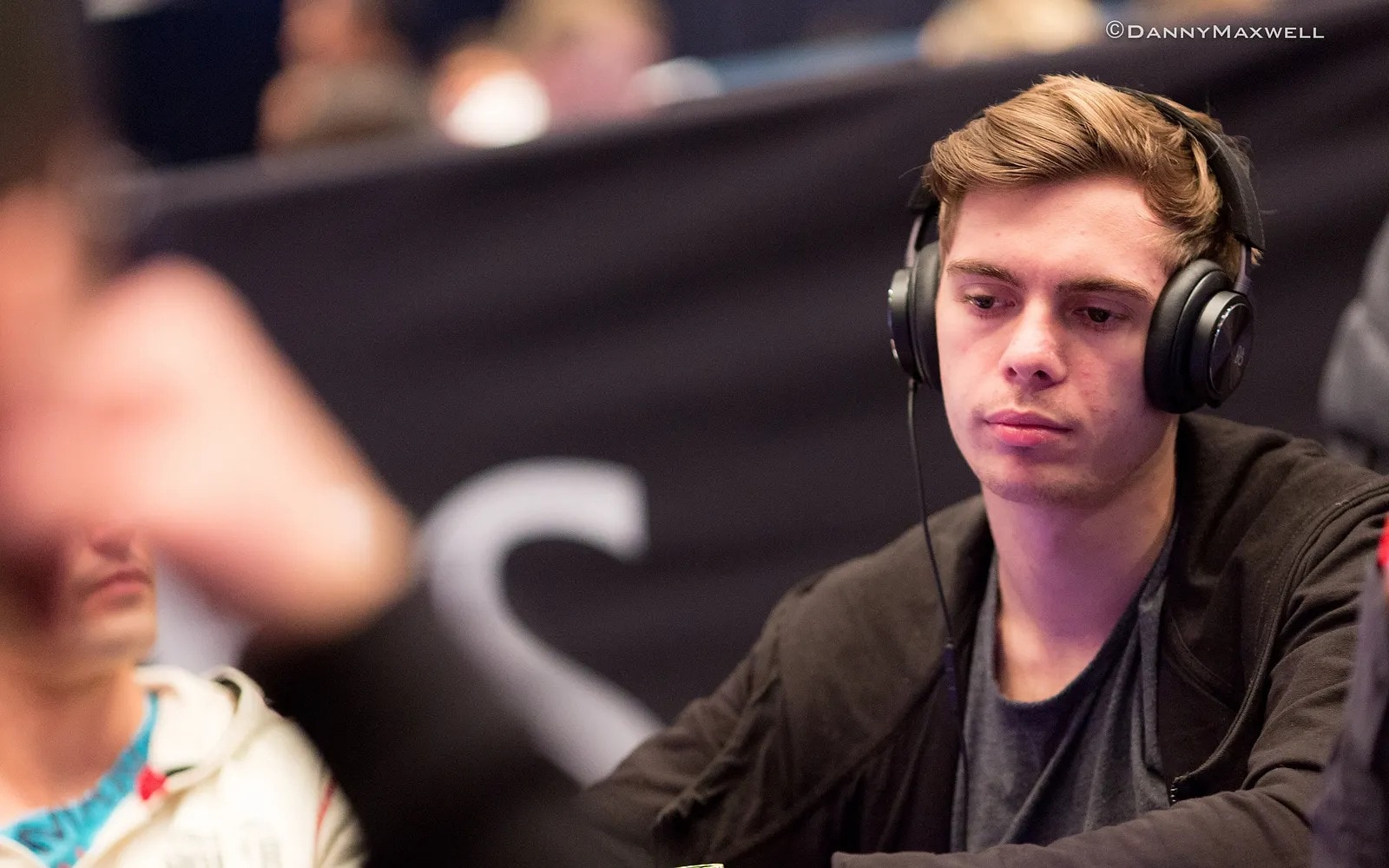
Fedor Holz had been actively playing online poker since as far back as 2011. Multi-table tournaments helped him hone his skills by studying similar spots in enormous volume. For a long time, the German's main platform was PokerStars, but in 2020 he switched to GGPoker, becoming an ambassador for the room.
Holz's online stats were impressive even before his 2016 upswing. For example, according to PocketFives, between April 2014 and April 2015, "CrownUpGuy" won 19 MTTs and finished in the top 3 a total of 39 times, earning at least $2.8 million. On average, each ITM finish brought him $5,000! During that period, Holz grinded consistently and actively at high stakes and frequently took home five-figure winnings.
In September 2016, while Fedor was still in the middle of his upswing, PokerStars launched the first-ever online tournament with a $102,000 buy-in. This event drew 28 entries, and its bubble boy was Isaac Haxton. Holz made it to the heads-up, where he faced Benjamin "bencb789" Rolle.
The opponents made an ICM deal, under which "CrownUpGuy" received $1,067,639, while his opponent got $1,116,461. The title and $56,000 remained on the line. Just a few hands later, Holz bluffed three barrels with ace-high, but Rolle called every bet, making two pair on the turn. "bencb789's" final win amounted to $1,172,461.
Holz's biggest online trophy would come later, in 2020. We'll get to that a bit below. But he earned recognition as early as 2014-2015, when PocketFives named him the best online MTT player in the world. As for "CrownUpGuy's" total online winnings, exact figures are extremely difficult to establish. However, journalists at Poker.org estimate the German's career online earnings at $11.6 million.
Career-Best Cash and a Second Bracelet
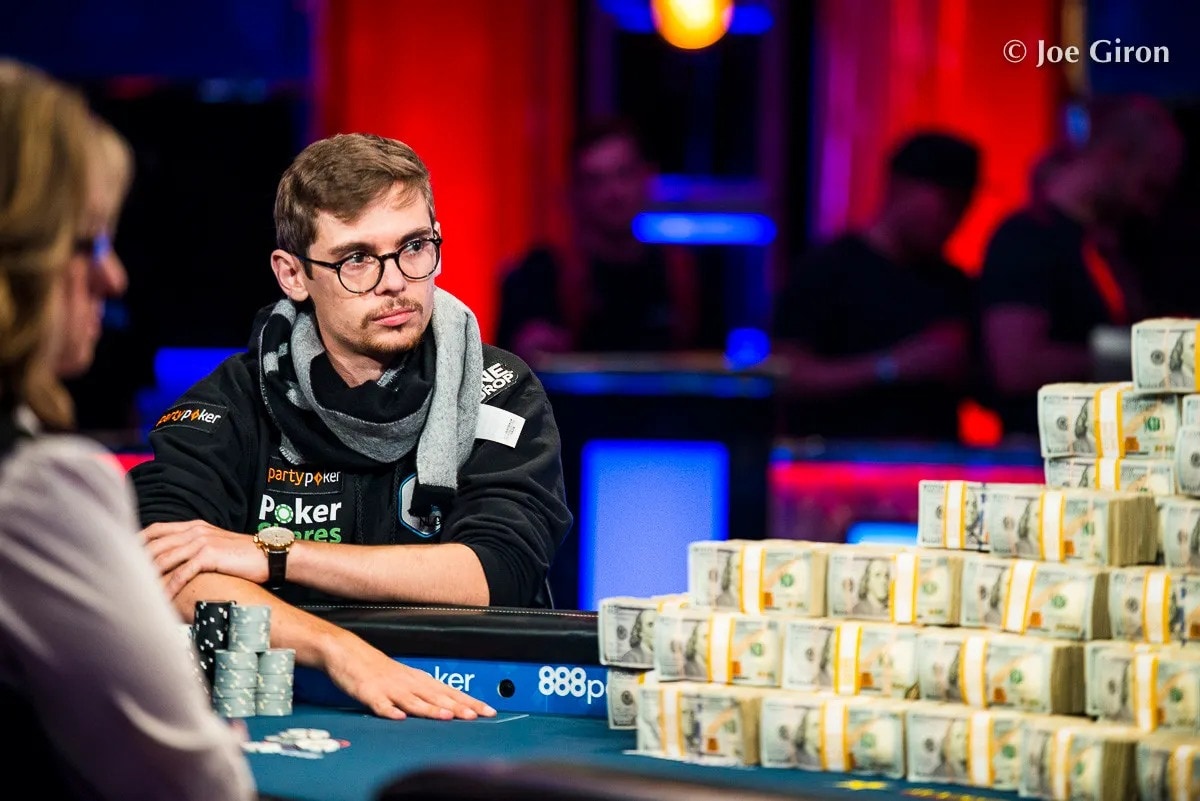
Holz said that after weeks of nonstop grinding at WSOP 2016, he felt exhausted. His statement about cutting back on his schedule in the interview after his One Drop win was genuine. The German did indeed gradually start reducing the number of tournaments he played. However, this didn't stop him from achieving two more landmark results.
In 2016, Holz kept rewriting his career-best cash over and over, but even almost $5 million in the charity tournament wasn't his ceiling. "CrownUpGuy" set his personal record in 2018, and he did it in a One Drop event again, only this time it was The Big One for One Drop with a $1,000,000 buy-in.
The tournament drew a field of 27 high rollers, and only five participants got paid. Holz made it to the heads-up against Justin Bonomo. In the deciding hand, the German shoved preflop with A♣️4♠️ for 23.6 million and got an instant call from his opponent, who held A♠️J♦️. On a board of K♦️8♠️3♠️2♣️Q♦️, Bonomo's hand held up, and he took the title and $10,000,000. Holz received $6,000,000. Incidentally, in 2018 Justin Bonomo surpassed Holz's upswing, earning more than $25 million over the year!
Holz got his revenge against Bonomo in 2020 at the WSOP Online. The opponents met in the quarterfinal of the $25,000 Heads-Up Championship, and the German won a tense match. In the semifinal, "CrownUpGuy" got past Spaniard Sergi Reixach, and in the final he dispatched Brazilian Brunno Botteon in 15 minutes. In the deciding hand, Holz's pocket fives ran over his opponent's tens, making a set on the flop.
Fedor Holz earned $1,077,025 for the win and made 130 people happy by selling them shares in this tournament. And, of course, the German added a second bracelet to his already rich list of trophies, won in one of the most prestigious WSOP tournaments. This result becomes even more impressive considering that Holz wasn't a heads-up specialist, but managed to adapt and win seven matches against serious opponents.
Later Career
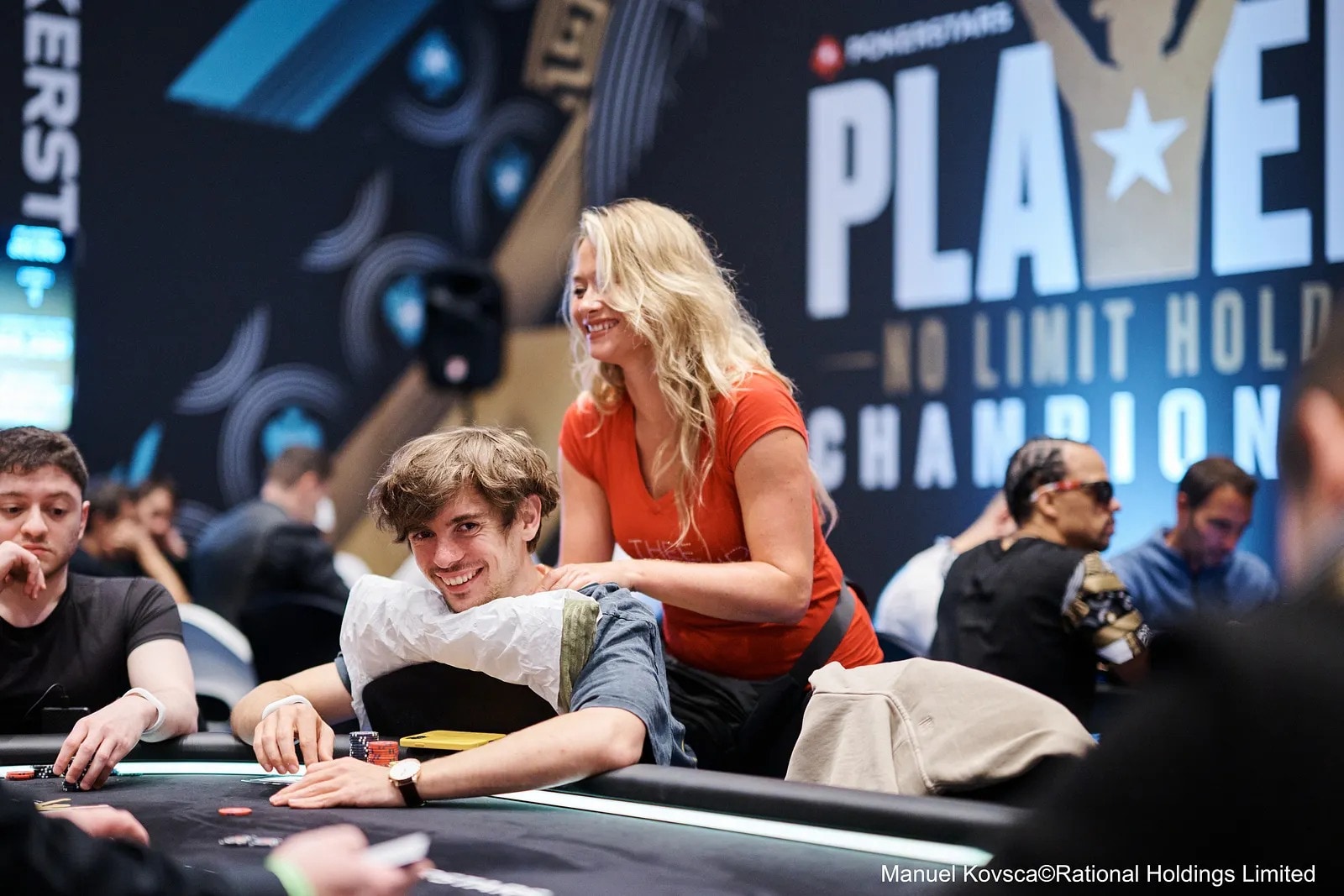
Year after year, Fedor Holz became an increasingly rare guest at live tournaments. The German player would only show up for the series that interested him most, and in 2019-2020 he mostly played online because of the coronavirus pandemic.
The main series Holz has participated in over the past few years has been Triton. The high roller explained his choice by saying these tournaments draw the best players in the world, so winning them is especially satisfying. The high level of competition at Triton hasn't stopped the German from racking up deep finishes — he already has 34 ITM finishes and $22.5 million in winnings within the series.
Naturally, Holz didn't stop after winning his debut Triton event. His second trip to the series, held in Montenegro in the summer of 2017, earned him another title in the $32,000 event. He had to wait six years for his third trophy, but after that the German started picking up awards with enviable regularity.
In July 2023 in London, Holz won the $25,000 NLH 7-Handed, beating Christopher Brewer heads-up. Less than a year later, "CrownUpGuy" won his fourth Triton title, becoming champion of the $15,000 NLH 8-Handed at the festival in Jeju. His wins in Montenegro, England, and South Korea brought the German a combined $1,840,746.
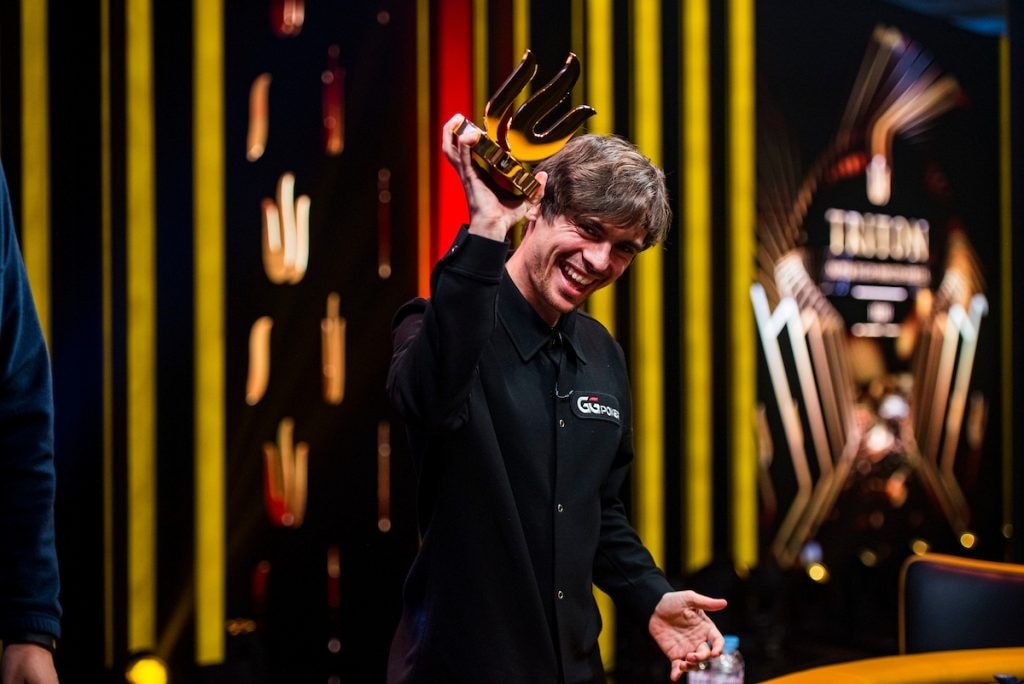
And just recently, in May 2026, Holz made a triumphant return to Triton once again. This came after his second announcement of retiring from poker and his decision to focus on business and family. Nevertheless, Holz still came to the festival in Montenegro, and picked up a trophy already in just his second tournament there. During the $40,000 Mystery Bounty, he eliminated 11 opponents, beating Alexey Ponyakov heads-up. The German received $528,811 for first place and pulled another $680,000 out of envelopes.
Holz ranks among the top ten most decorated players in Triton history. And after his fifth win, the German once again spoke very highly about the series, calling it the best in the world:
"This means a lot to me. The current series is definitely different from the one 10 years ago. Triton has come a long way. They've organized the best tournament series in the world, and it's not for nothing that I play it once or twice a year. I'm having a great time. It's simply the best tournament series out there."
In August 2026, Fedor Holz stopped by the EPT in Barcelona, where he played in a high roller tournament with a €100,000 buy-in. However, the German didn't make the money, finishing 13th out of 27. The winner was his fellow countryman Tom Vogelsang.
Bluff Machine vs. Limitless
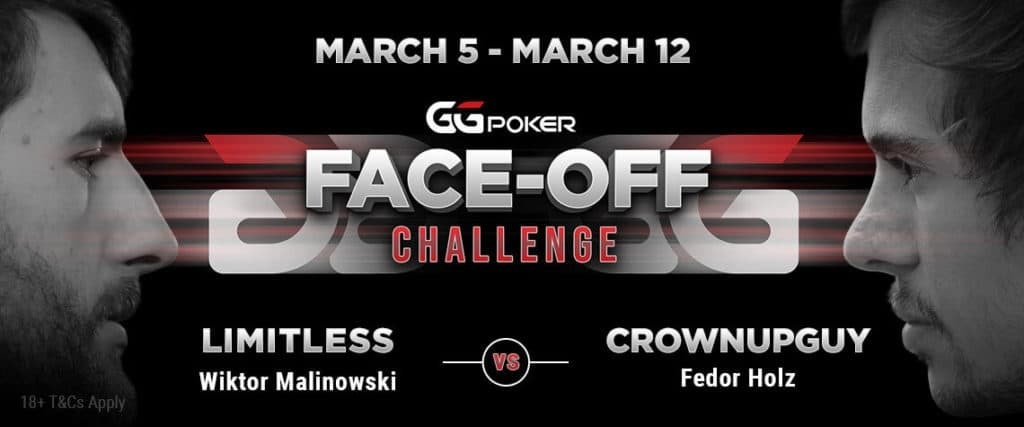
One episode that stands apart in Holz's biography is his heads-up match against Viktor "Limitless" Malinowski. It all started when the Polish high roller said on Joe Ingram's podcast in 2020 that he was ready to play the German drunk at any stakes. "CrownUpGuy" accepted the challenge only a few months later.
In March 2021, GGPoker officially announced a match between its two ambassadors. The players ran four sessions at $100/$200 stakes and played 1,885 hands over 16.5 hours. However, this heads-up match is generally considered to have been more of a GGPoker promotional event than a genuine showdown.
Holz won the first three sessions. He adapted to Malinowski's style and started 4-betting more often to put out his opponent's aggression. He also started checking more often on the flop, in order to get more information about his opponent's range through bet sizing.
Bluffs became another weapon in Holz's arsenal. Fedor appreciated their full effectiveness when he fired three barrels with jack-high to force Malinowski to fold two overpairs. After that, Holz pulled off successful bluffs with 10♣️4♣️ and 5♠️6♣️, having missed the board completely. Joe Ingram, who was streaming the match, nicknamed the German the bluff machine for moves like these.
As a result, over the first three sessions Holz won $37,421, $14,651, and $108,195. On the fourth day, Malinowski managed to win back $69,893. By the end of the whole match, "CrownUpGuy" was up $90,374. The German player admitted that he liked the heads-up format. At the same time, with his characteristic rationality, he stressed that he won't be playing matches like this regularly, since high rollers are still much stronger than him in this discipline.
Holz's Career Winnings
According to Hendon Mob as of September 22, 2026, Fedor Holz has won $50,681,509 in live tournaments over his career. The German player has earned more than any of his countrymen, and he ranks 14th on the global All-Time Money List. "CrownUpGuy's" biggest cash is $6,000,000.
It should be kept in mind that this data shows gross payouts. It doesn't account for players' spending on buy-ins, taxes, and other expenses, nor for shares sold. The statistics on Holz's online results are incomplete, so it's impossible to reliably determine the high roller's tournament profit and net worth.
What Holz Does in "Retirement"
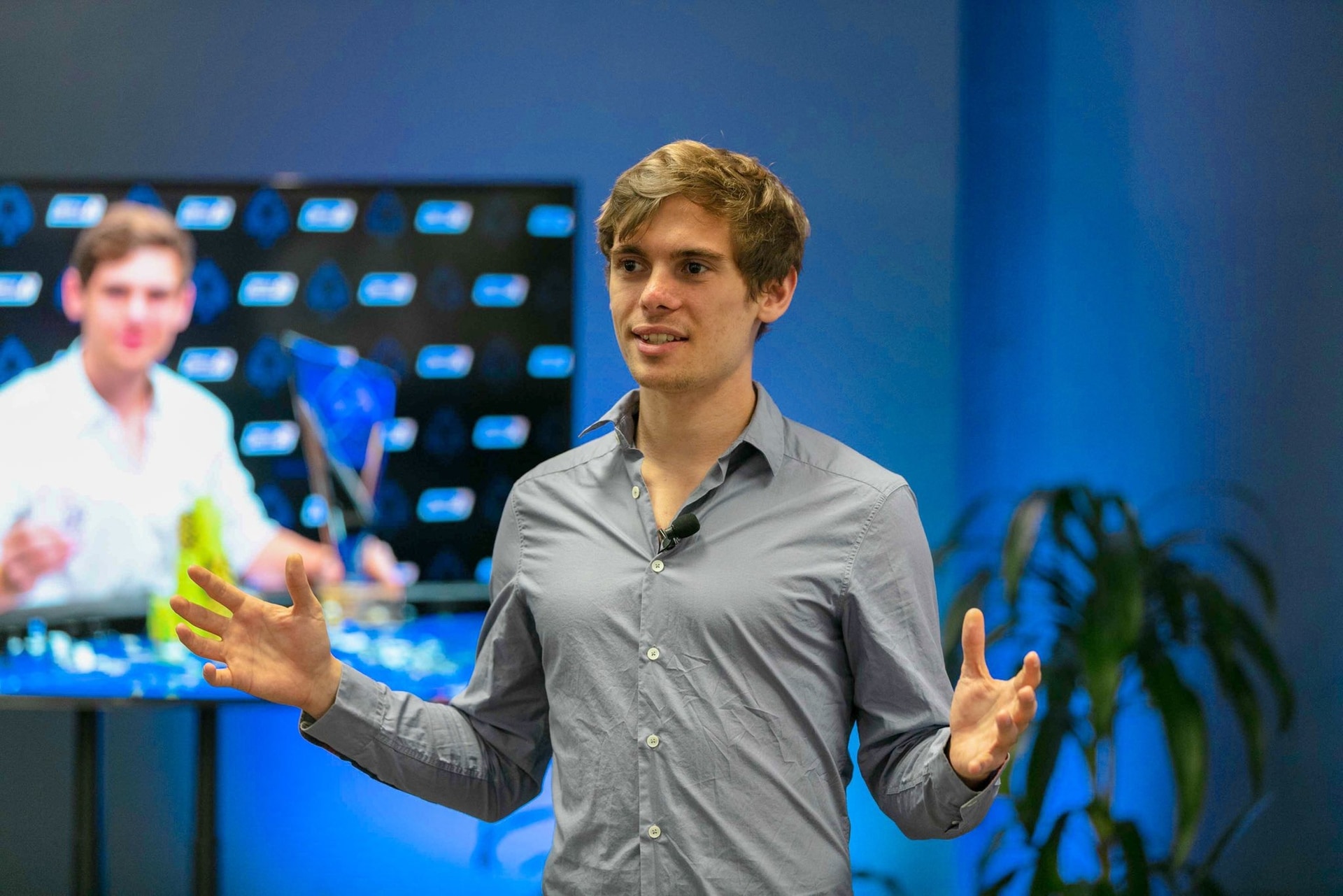
Fedor Holz launched his first business project back in 2017. His partner was none other than mental coach Elliot Roe, who had helped the high roller level up his own psychology.
Holz and Roe launched a mobile app for mental coaching called Primed Mind. Its users got access to audio sessions combining elements of meditation, hypnotherapy, and visualization techniques. The content is grouped into multi-day courses and short sessions for specific situations.
Initially, Primed Mind's target audience was poker players, since they understand the value of a mental edge. Later, though, the app started being promoted to athletes, businesspeople, students, and anyone working under high intellectual pressure. Six months after launch, Primed Mind's audience grew to 50,000 users. The app is still available on iOS and Android today.
In 2020, Holz became a GGPoker ambassador and started taking part in high-stakes streams, WSOP Online campaigns, and the Game of Gold show. And in 2024, the German took on the role of ambassador for game integrity, replacing Jason Koon. This happened in the wake of the scandal involving the superuser "Moneytaker69," who won almost $30,000 by exploiting a system vulnerability in the room's software. The cheater was caught thanks to the vigilance of other players, after which the operator confiscated "Moneytaker69's" winnings and fixed the vulnerability.
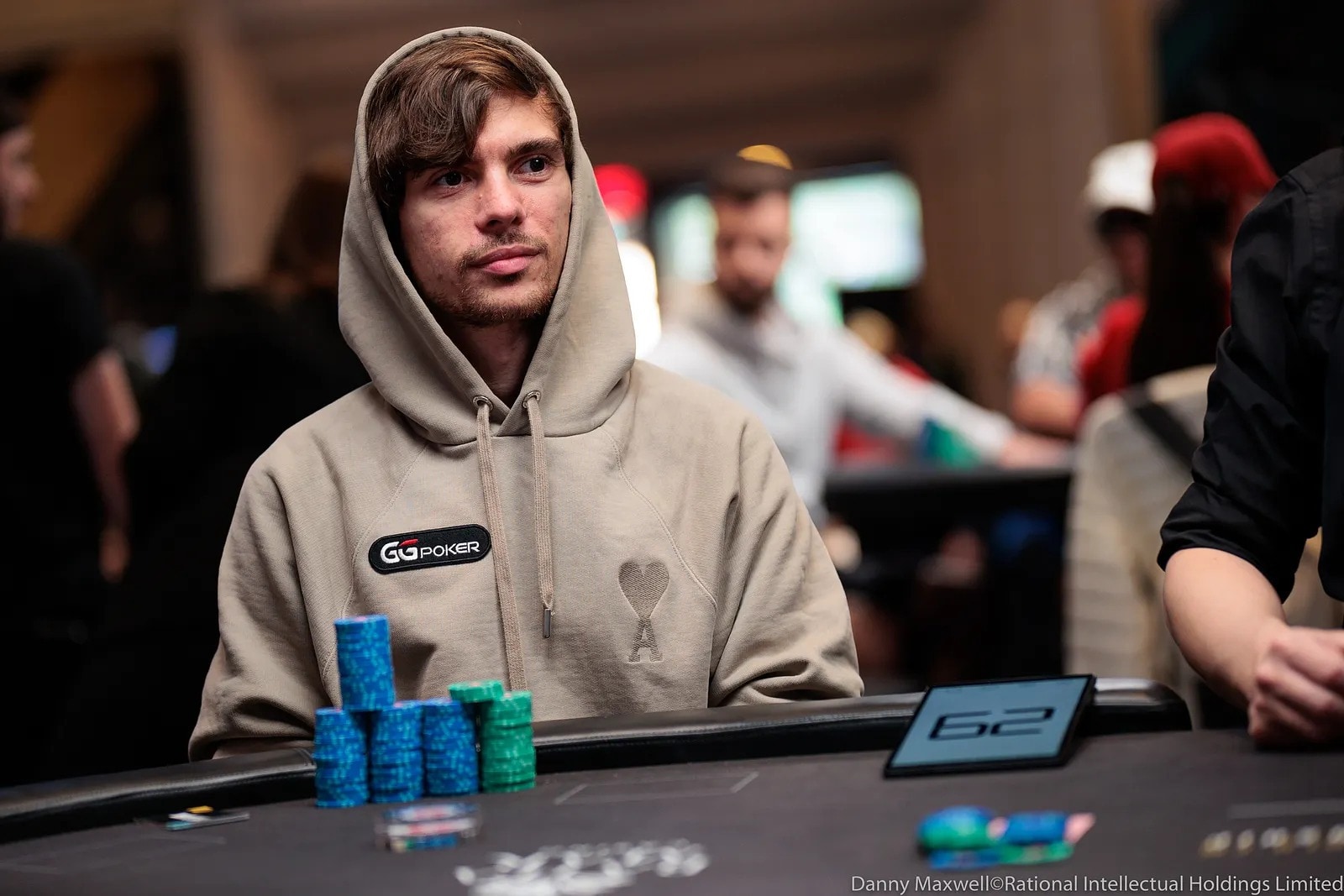
However, one of Holz's proposals for improving security at GGPoker was met with a wave of criticism from players. In February 2024, "CrownUpGuy" announced plans to ban data mining and mass data analysis (MDA) using HUDs. Regulars responded to the German that player access to databases had often helped rooms detect cheaters. Someone even accused Holz of trading the community for a paycheck and simply trying to create an illusion of security.
The German high roller took the feedback on board and noted that he understood players' frustration. He also stated that his main goal would be fighting advisors and bots. However, two years later, Holz decided to leave GGPoker's team.
In March 2026, "CrownUpGuy" announced that he had not renewed his contract with the room. The player himself explained his decision to step down as ambassador by saying he's launching his own investment fund and wants to have a child with his wife Annelina. Holz's wife, incidentally, is also a coach, specializing in yoga and Pilates. So far the high roller hasn't shared any news about his progress on either front.
Playing Style
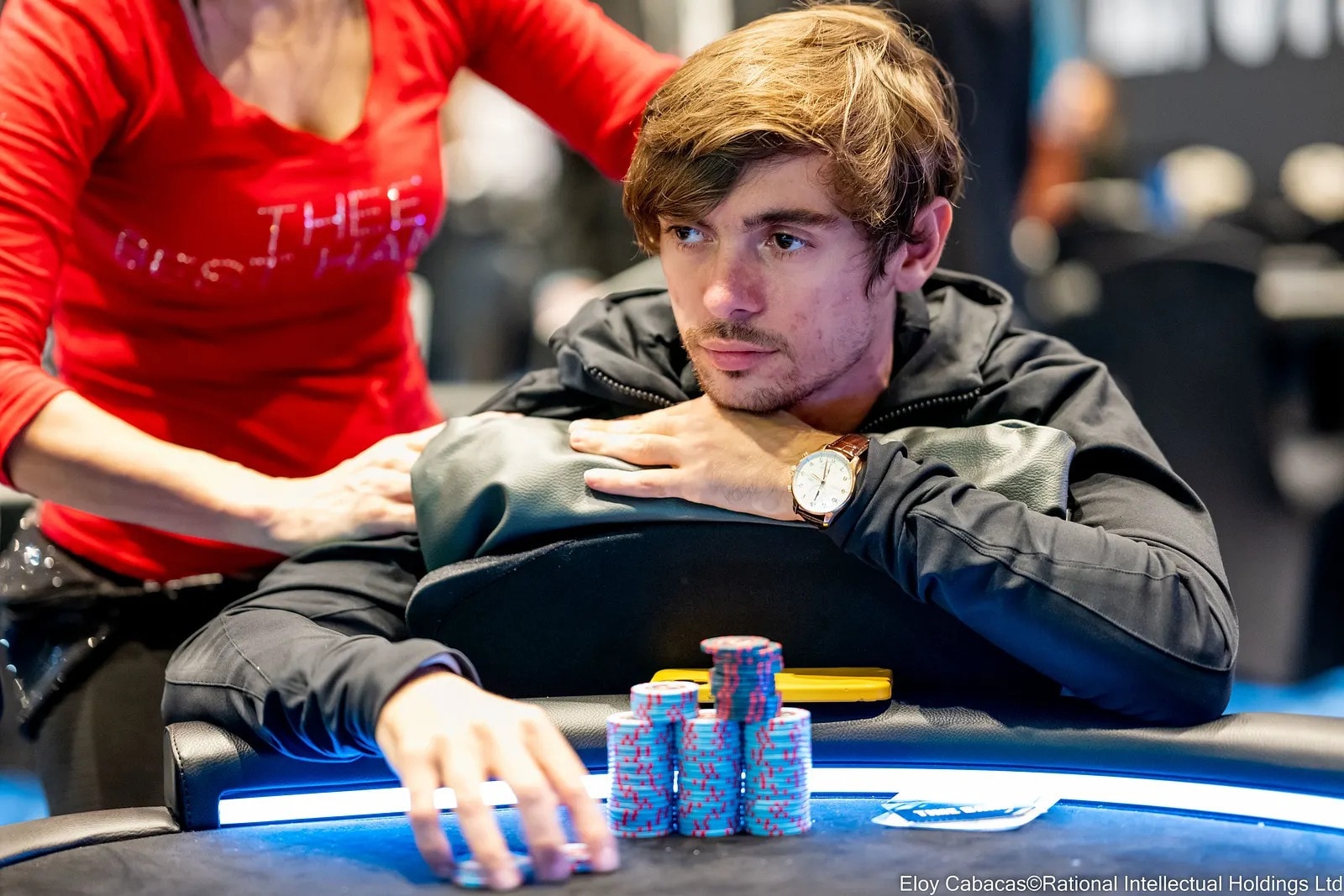
Fedor Holz builds his game on a foundation of GTO, but believes this system only serves as a defensive strategy against strong opponents. In the German's view, a technical foundation based on game theory allows a player to better evaluate the possible ways a situation might develop.
Holz notes that it's not at all necessary to memorize every range from a solver. It's far more important to understand why the system suggests certain decisions in certain situations. That's exactly why the German says logic matters more than memory for a poker player.
In Holz's view, the main profit comes from exploits against weaker players. "CrownUpGuy" has been known for an aggressive style since the earliest years of his career. He frequently resorts to re-raising preflop in order to put pressure on opponents. This move works especially well against cautious players who tend to wait for more favorable moments to take action.
Another one of his signature traits is a wide opening range from late position and using a big stack to apply ICM pressure. In his PokerCode lessons, Holz stresses that most poker players act too cautiously in ICM situations, and he encourages calling and 4-betting more often in these pots.
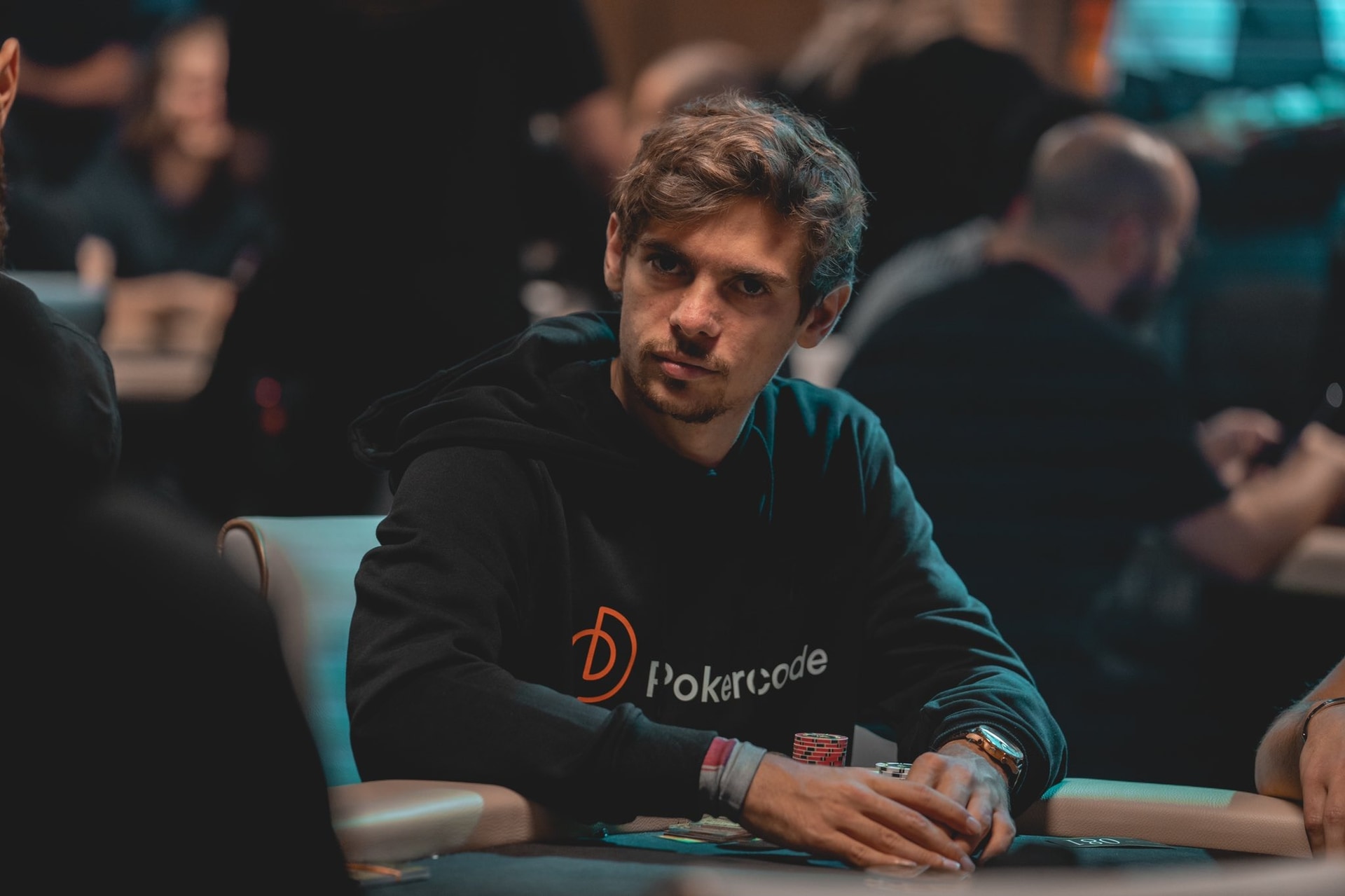
At the same time, one of Fedor Holz's main strengths is his ability to adapt to opponents and the situation at the table. This helps him adjust his range in time, avoid costly mistakes, and maximize profit.
"CrownUpGuy" divides opponents into several categories, each with its own effective approach. For instance, against players who call often (known as "stations"), the German bluffs less and relies on thin value betting. And against strong regulars, he's willing to play more conservatively.
Holz first made his name as an online grinder, but it was in live tournaments that his talent for reading opponents fully came to light. The high roller has said that he puts a lot of weight on basic information about an opponent and their character, body language — pulse, gaze, posture — bet sizing, and the way a player stacks their chips.
According to the German, signals sometimes contradict each other, but in most cases they can provide important information about the strength or range of an opponent's hand. The ability to read tells skillfully helps him make more well-considered decisions and gain an edge over opponents.
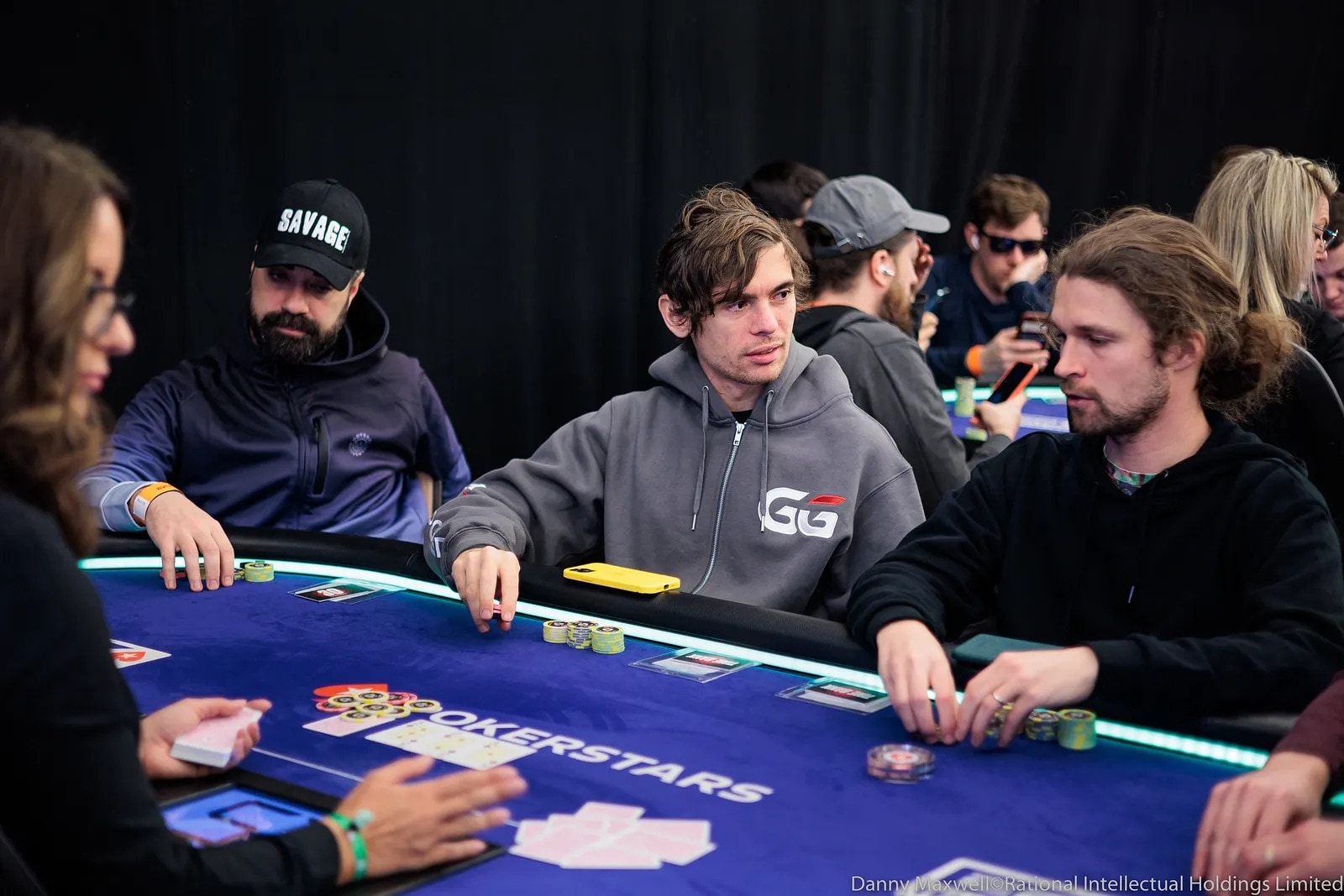
There are also a couple more things that Holz considers critically important for progress. The first is discipline and constant self-improvement. The high roller is convinced that without constant review of your game and hands, a poker player can't get better, even if they're winning tournaments. At the same time, you need to understand that progress requires regular effort and a long process. The German notes that many players forget this and tilt if they don't see fast results.
The second is psychological resilience. As we mentioned earlier, Holz links his 2016 upswing to improving his mentality. Before working with coach Elliot Roe, "CrownUpGuy" was stressed by not achieving results that matched his skill level.
The coach helped Holz focus on making good decisions at the tables. And this mindset allowed the German to produce the best stretch of his career. After the grueling grind of 2016, Fedor once again placed his bet on mental health. It was internal signals of poker fatigue that prompted him to scale back his activity, instead of chasing new wins.
Memorable "CrownUpGuy" Hands
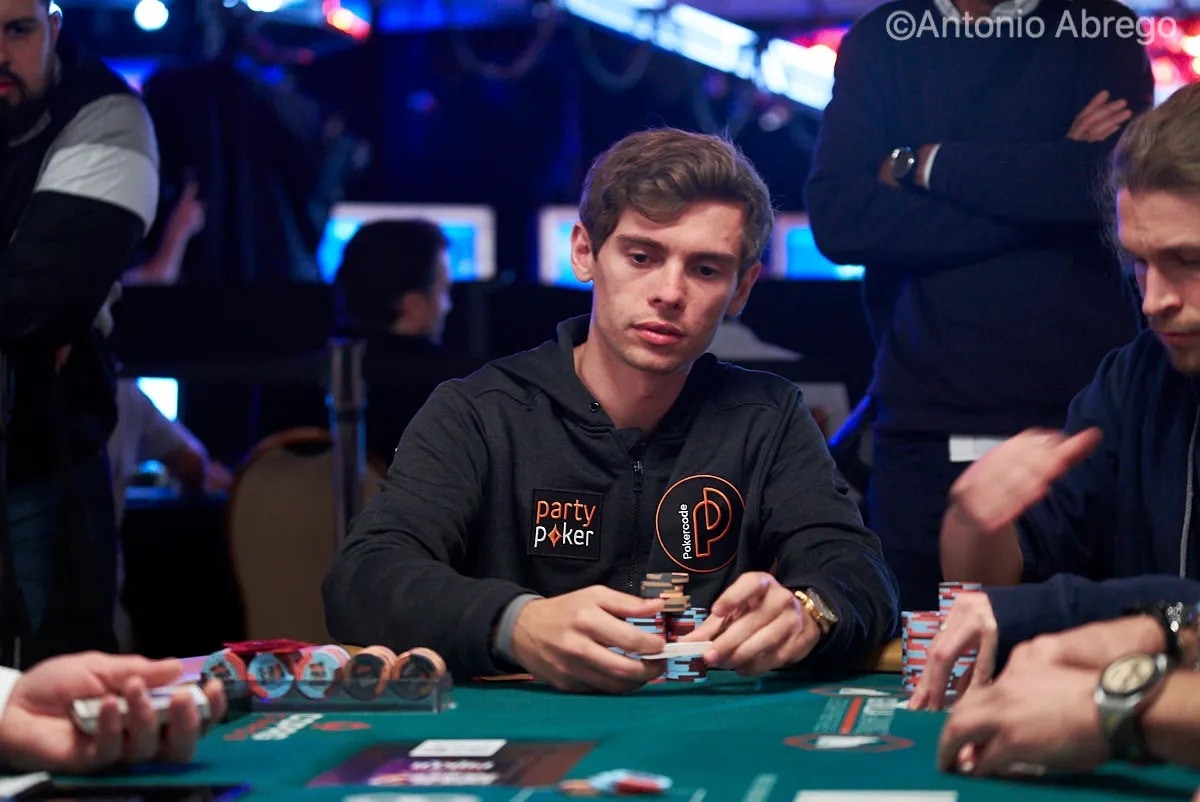
We already told the story of Holz's win in the WCOOP 2014 main event, where a deal was struck at the 6-max stage. This decision reduced the ICM pressure on the German and helped him confidently reach the heads-up against Yuri "theNERDguy" Martins.
A striking cooler happened in the tournament's final hand. Holz was leading with 32.6 million chips against Martins's 10.1 million, with blinds at 150,000/300,000. The German made a minimum raise to 600,000. Martins called, and on the flop the players saw 8♣️10♦️4♦️. Both players checked, and the turn brought J♦️. The Brazilian bet 750,000 and got a call. On the 10♠️ river, Martins bet 1,800,000, and Holz moved all in. The Brazilian instantly moved his remaining 6.9 million chips to the middle and showed 4♣️4♥️, which gave him a full house. But "CrownUpGuy" had 10♥️10♣️, and thus quads.
Of course, there was no shortage of luck in this hand. However, in making his decision on the turn, the German was guided by the size of his opponent's bet, which told him that Martins's range could include weak hands as well.
Holz's reputation as a fearless, aggressive player was cemented by a hand against Upeshka De Silva on day five of the WSOP 2015 main event. At the final level of the day, blinds were 20,000/40,000 with a 5,000 ante. The German opened for 90,000 from middle position holding 2.9 million chips with 8♠️7♠️, and only De Silva responded with a 3-bet to 245,000 from the big blind, holding A♥️K♣️ and a stack of 1.9 million chips. "CrownUpGuy" called.
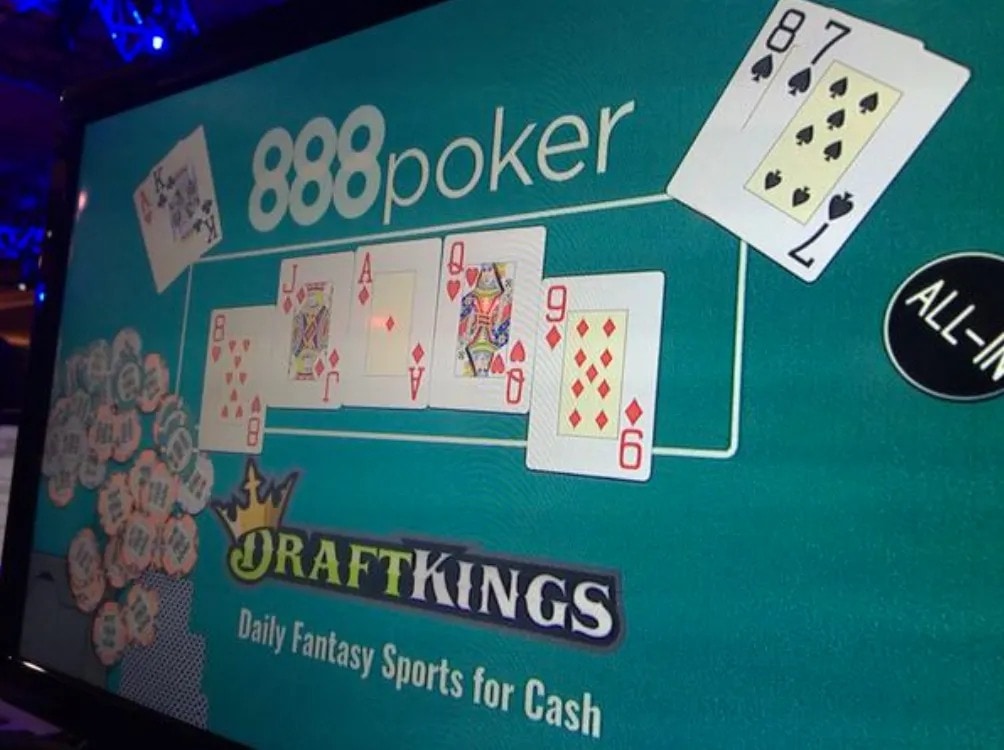
On the A♦️J♦️8♥️ flop, the Brazilian bet 345,000 chips, about 50% of the pot, and Holz called. The Q♥️ turn brought a second flush draw. De Silva played check-call after a 425,000 bet from his opponent. On the 9♦️ river, Holz bet 800,000, covering the Brazilian's remaining stack. After long deliberation, De Silva still made the hero call and took the pot.
Later, Holz explained the logic behind his actions in this hand in an interview:
"On the turn I decided to turn my hand into a bluff. His range has virtually no nutted hands, while mine has all the strong hands. Plus I can bet thin for value because I understand this. So I bet 425,000. He thinks for a long time and calls, and now I'm 95% sure he has AxKx.
9♦️ on the river is a perfect card for me, which strengthens almost my entire range. For the most part, I shouldn't really have any bluffs here at all, and I end up with the one worst hand I could possibly bluff with.
I would value bet with everything stronger than QxJx, because he can't have that hand. Otherwise he'd slowplay in a situation like this. And he doesn't have tens either. He won't 3-bet with JxTx or something like that — he'd just call preflop with a hand like that.
So I shoved. And I felt very comfortable. He thought for about ten minutes and called with A♥️K♣️, and I think it's a bad call."
The loss in the hand against De Silva didn't stop Holz from carrying his stack into the next day of the tournament. Doug Polk and the analysts at PokerListings praised Fedor's bluff highly, noting that he played the hand flawlessly. It's possible the German was undone by his image as an aggressive player, which had developed over the course of the tournament and had been paying off against his opponents up to that point.
A striking example of Holz's ability to act in high-variance situations was a hand at the final table of the 2018 $1,000,000 Big One for One Drop. He found himself in a spot where a good call would put him in the lead with a huge stack, while a loss would almost certainly mean elimination. And in such an expensive tournament, every place finished provides a serious increase in payout.
Preflop, with blinds at 300,000/600,000, short stack Byron Kaverman shoved for 8 million chips with A♣️5♣️. Holz called with 10♣️10♠️ and a stack of 28.6 million, and Rick Salomon moved all in for 27 million holding A♥️K♥️. While Fedor was thinking over his decision, Salomon's ace accidentally got exposed. WSOP tournament director Jack Effel came over to the table and ruled that the card should stay face up.
Seeing his opponent's ace, Holz said, "That makes it easier." Still, he needed to use all 4 time-bank cards to make the call. The aces in both opponents' hands raised the German's equity to roughly 40-42%, since the chance of another ace showing up on the board dropped sharply. At the same time, of course, he could still bust in fifth place with the minimum payout of $2,000,000.
The flop turned out very bad for Holz — A♦️K♠️2♣️ dropped his chances to 10%. The Q♣️ turn gave the German a gutshot, and gave Kaverman a club flush draw. This reduced Salomon's edge, as he held two overpairs. And on the 10♦️ river, Holz made his set and eliminated two opponents at once. "CrownUpGuy" took 2/3 of the chips at the table and secured himself at least $4,000,000.
Legacy and an Example for New Generations
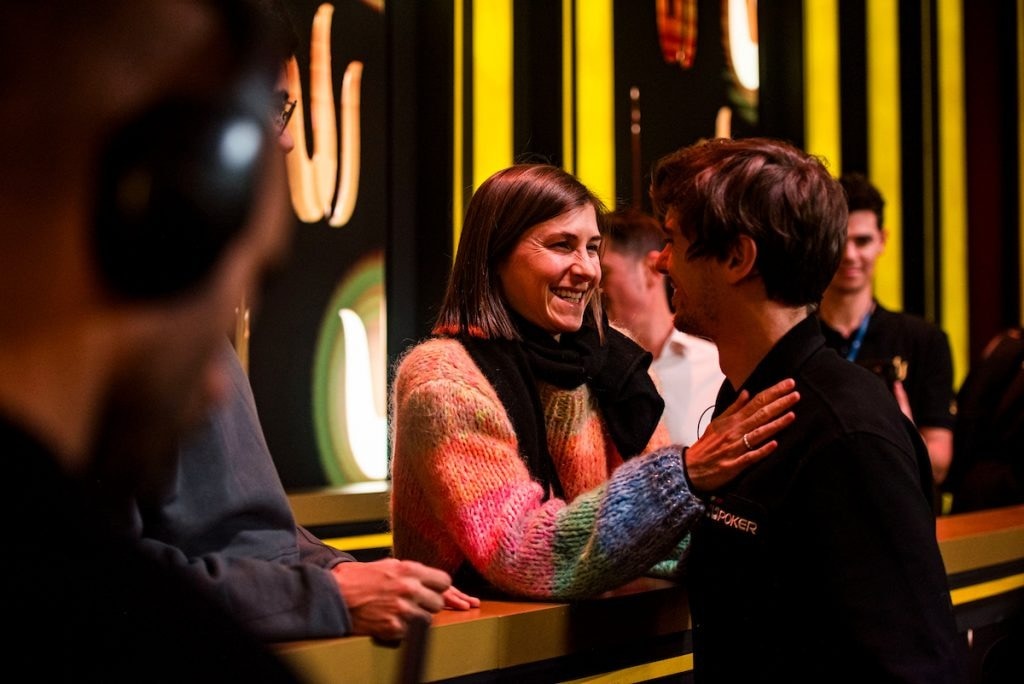
Fedor Holz has already gone down in poker history as one of the best players. And the German high roller's path from talented junior to the elite has already become a role model for young poker players.
Holz openly shares his experience and regularly talks about the importance of patience and disciplined, systematic work for players. He also stands out for devoting a lot of attention to building a strong support network, whereas poker still largely remains a craft for lone wolves. Many famous professionals point to this as one of the game's downsides, while Holz stresses that the right team can help you cope with downswings and other difficulties over the course of a career.
Holz's impressive results came together not only thanks to skill and psychological resilience, but also through proper bankroll management. The German player handled his finances wisely and eliminated the problems that led to losing money at tournaments. And, of course, one of the most important decisions in this regard was gradually stepping back from the game amid mental exhaustion. It's a vivid example of just how important it is to take a pause in a field as intellectually demanding as poker.

Free course · FF Start
Your first hands, with a clear plan
Learn to read the table, compare hands and understand the order of action.
Frequently asked questions
Read next
Стивен Чидвик: биография, достижения и стиль игры
Крис Манимейкер: биография чемпиона WSOP и человека, изменившего покер
Phil Hellmuth: Biography of a Record Holder, 17 WSOP Bracelets, and His "White Magic"