How nutrition and daily routine affect the quality of your poker decisions
Mistakes in poker can stem from skill, but also from accumulated cognitive fatigue. We explain how sleep deprivation, poor nutrition and stress cut into your ROI, and how to set up a routine for peak concentration.
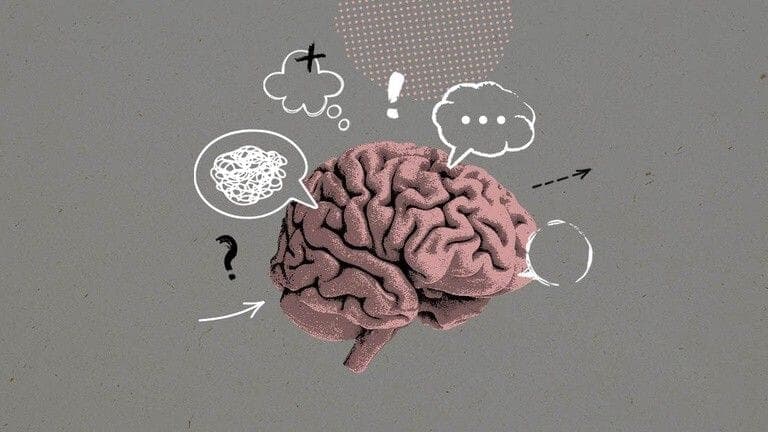
Every tough decision at the poker table puts direct strain on your brain's prefrontal cortex. When a session runs longer than six hours, the key factor in success isn't so much theoretical preparation as your body's ability to maintain focus and withstand stress.
In this article we'll break down why lifestyle has become the main hidden success factor in poker, how poor nutrition affects your ROI, and what routine secrets the best players on the planet use.
The price of mental fatigue
Tilt is traditionally considered every poker player's main enemy. It's commonly assumed that it stems from bad plays or bad beats, yet psychophysiology proves that an emotional breakdown is often a direct consequence of physical exhaustion.
When you spend 10–12 hours at the tables, your brain consumes an enormous amount of energy. Fueling it with fast carbs like pizza, energy drinks, or chocolate triggers an "insulin rollercoaster." A sharp surge of energy is inevitably followed by a crash — concentration drops, working memory deteriorates, and the brain, in order to conserve energy, starts making impulsive decisions.
The Daniel Negreanu case: How veganism changed a legend's career
One of the most striking examples of a paradigm shift is Daniel Negreanu, winner of eight WSOP bracelets and one of the most famous poker players in history.
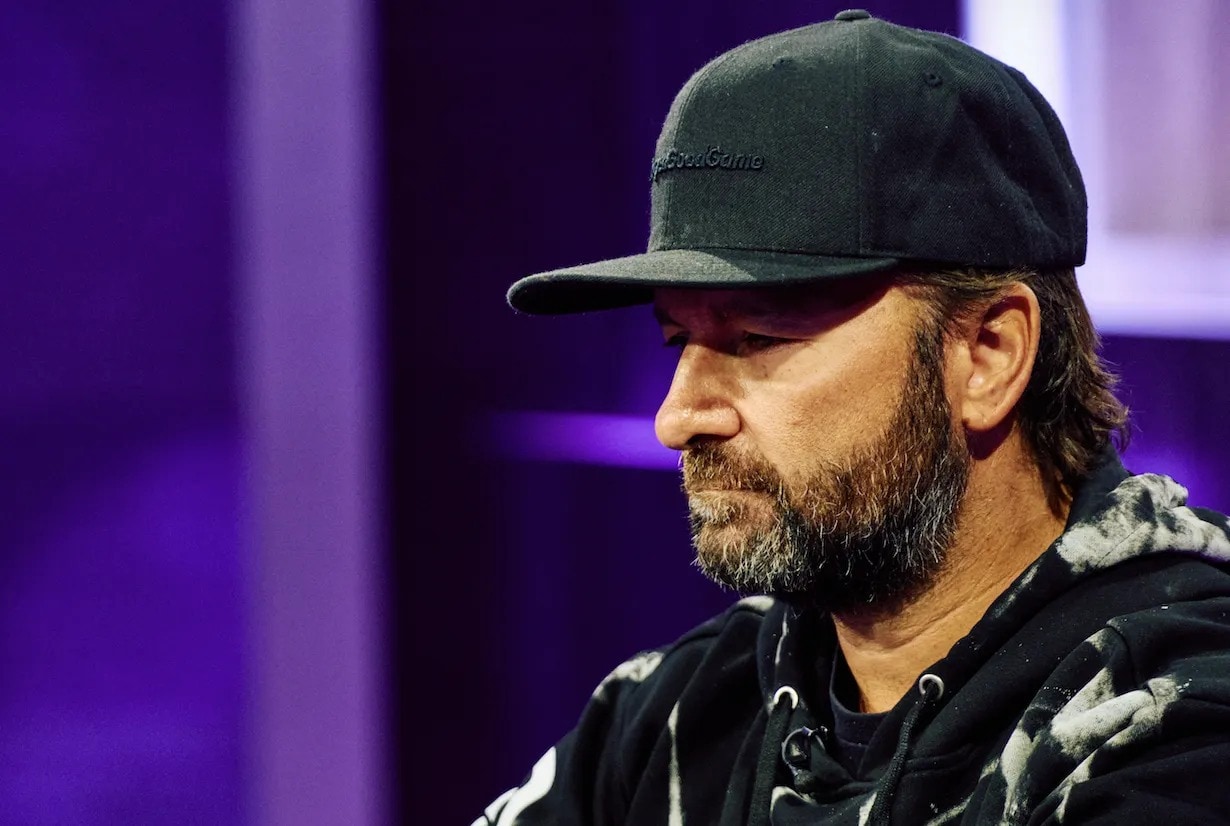
Early in his career, Negreanu led a classic lifestyle — he ate fast food and constantly felt wrecked.
Everything changed in 2000, when he first became a vegetarian, and in 2006 he switched entirely to strict veganism. In his interview for the Veganuary project, Negreanu said:
"I noticed almost immediately — as soon as I removed meat from my diet, I had far more energy and started feeling better."
Daniel turned tournament preparation into a strict technological process. During the WSOP, when you have to play for weeks on end, he doesn't rely on the casino kitchen. To control his diet, Negreanu rents an RV and parks it right outside the tournament venue. Inside that trailer is a full kitchen stocked with pre-prepared vegan meals, including tofu, seitan, and brown rice. This lets him get balanced brain fuel during 20-minute breaks, avoid hunger, and protect himself from emotional breakdowns at the table.
Learning at FunFarm, from any level
The Jason Koon case: Ketosis and physical conditioning
While Negreanu bets on a plant-based diet, American high roller Jason Koon, who has won more than $77 million in live tournaments, approaches the matter like a professional athlete.
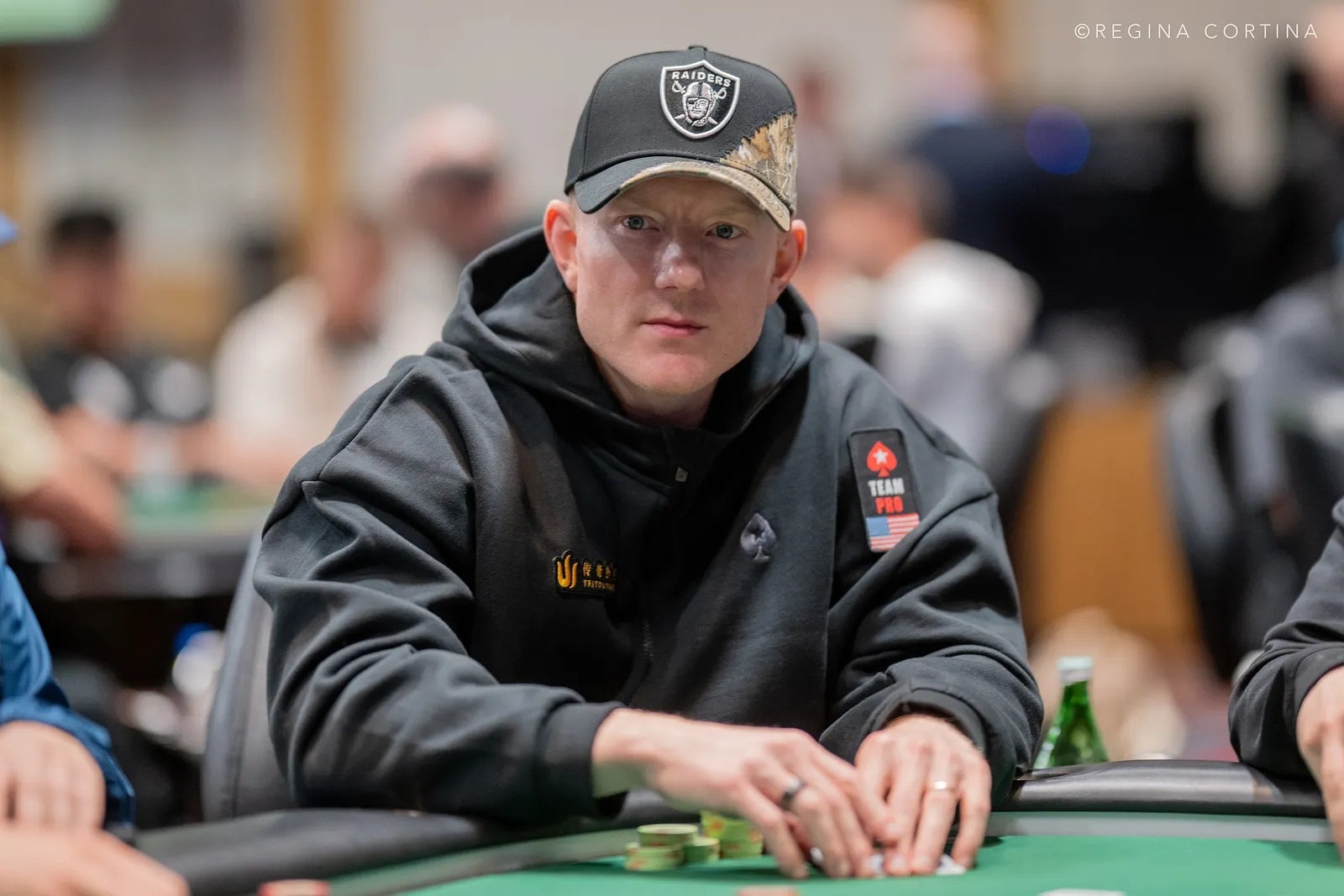
Koon is convinced that physical shape directly affects results at the poker table. In an interview with Triton Poker, he described his approach to nutrition during the most important tournaments in detail. In everyday life, Jason follows a moderate low-carb paleo diet, but as soon as play begins, he radically changes the rules:
"When I start playing, I cut carbs out completely and switch to ketogenesis. I eat tons of healthy fats and practically zero carbs, and I stay in that mode for all 14 days of the series. It gives incredible mental stability."
Why is this needed? In a state of ketosis, the brain uses ketone bodies instead of glucose as an alternative energy source. This eliminates those very insulin spikes. Energy arrives steadily, without crashes, keeping the player's focus perfect for half a day straight. At the same time, Koon separates his workouts: before a series he does heavy strength training and cardio, but on tournament days he cuts out heavy training, replacing it with walks, stretching, and resistance band work so as not to overload his nervous system.
Read also: Which Sport to Choose for Concentration
The Fedor Holz case: Mental fitness and hypnotherapy
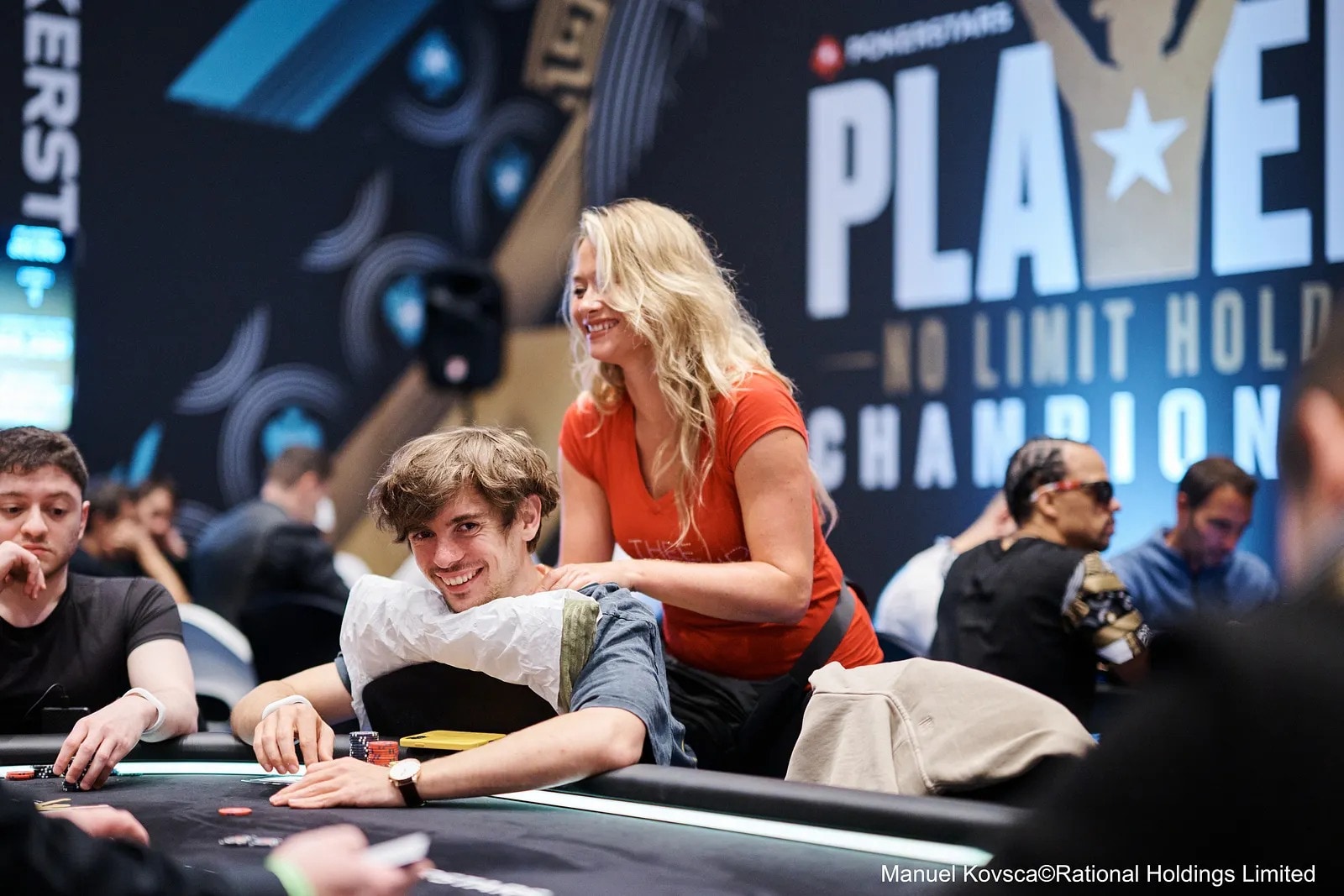
German professional Fedor Holz, who has earned more than $50 million in live tournaments over his career along with two WSOP gold bracelets, demonstrated through his own example the importance of mental preparation in poker.
At a certain stage of his career, he faced hidden emotional burnout and impostor syndrome. Systematic work with mindset coach Elliot Roe helped Holz cope with the pressure of high stakes. As noted in AWS company materials, Roe used hypnotherapy and deep relaxation techniques that became the foundation of the player's daily routine.
In this system, meditation before the start of a session serves as a cognitive warm-up. It frees the brain's working memory from everyday tasks, tunes it for deep concentration, and reduces the emotional reaction to inevitable variance. Holz came to believe in the effectiveness of these practices so deeply that he later became a co-founder of the mobile app Primed Mind, bringing audio coaching sessions and guided meditation into a digital format for players and traders.
The poker biohacking checklist: Where to start
A player can boost concentration and improve well-being through routine, but you don't have to immediately become a vegan or train like a professional athlete. Start with the basic but very important things:
Monitor the quality and consistency of your sleep. Sleep is the main restorer of cognitive function. It's important not only to get enough sleep and stick to the seven-to-eight-hour norm, but also to go to bed at the same time. After a night session, don't go straight to bed — give your body an hour or an hour and a half to rest without a phone or computer.
Ensure balanced nutrition. For long play, the brain needs a steady supply of energy. Replace fast food with a balanced diet containing complex carbohydrates, proteins, and healthy fats. Such food is absorbed gradually and prevents a feeling of heaviness.
Cut out sugar during the session. Try to remove chocolate bars and energy drinks, replacing them with nuts, berries, plain water, or green tea. This will protect your nervous system from sharp swings in blood glucose levels and insure you against sudden bouts of drowsiness.
Add basic physical activity. If proper sport isn't part of your life yet, start small: ordinary walks in the fresh air or a light daily warm-up will already get your blood circulating. This will saturate the brain with oxygen and help your body handle many hours of sitting in a chair more easily.
Introduce a mental pause. Devote ten minutes to silence, meditation, or breathing practices before launching the tables. This simple action helps shift attention from everyday problems to the game and enter a state of high concentration.
Modern professional poker is structured so that every detail affects your condition and your final result. You may know the theory and understand strategies, but if your body is depleted, you may lose out to someone who came to the session in optimal physical and mental shape. Investing in your own routine is just as much skill development as reviewing hands in software.
To systematize your knowledge, eliminate cognitive errors, and build a stable playing strategy, join our team.
Free course · FF Start
Your first hands, with a clear plan
Learn to read the table, compare hands and understand the order of action.