Risks of P2P withdrawals abroad. Banks in Georgia and Serbia are tightening account controls
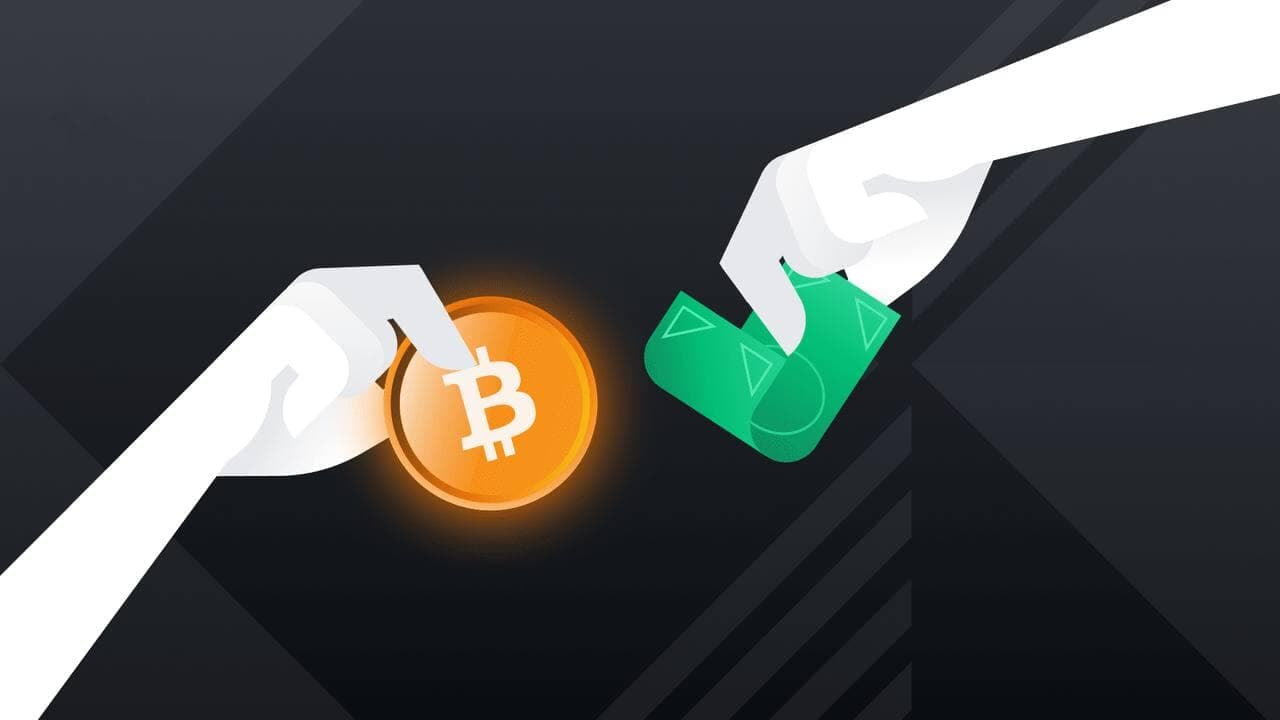
Cashing out poker profit through P2P deals on crypto exchanges is getting harder for players living abroad. Financial institutions in countries popular with expats have significantly tightened their screening of incoming transactions.
In Georgia, the key banking organizations — Bank of Georgia (BoG) and TBC Bank — regularly block individuals' accounts over P2P operations on Bybit, Binance and HTX. Banks in Serbia apply similar Proof of Funds requirements.
The typical scenario involves account servicing being suspended after a series of P2P transfers, followed by a notice of unilateral termination of the agreement. The main difficulty for regs lies in proving the legality of their income to bank compliance. Chains of operations involving poker rooms, e-wallets and crypto exchanges are treated by financial monitoring services as transit schemes with elevated AML risk.
On forums, players share their personal experiences and discuss how to act in such situations. Some users try to transfer their remaining funds by bank details to other financial organizations, while the majority lean toward completely abandoning direct P2P transactions to cards of major local banks.
As a result, players face frozen capital and are forced to look for alternative payment methods to maintain financial stability.
📰 Subscribe to Pokerflow
In Georgia, the key banking organizations — Bank of Georgia (BoG) and TBC Bank — regularly block individuals' accounts over P2P operations on Bybit, Binance and HTX. Banks in Serbia apply similar Proof of Funds requirements.
The typical scenario involves account servicing being suspended after a series of P2P transfers, followed by a notice of unilateral termination of the agreement. The main difficulty for regs lies in proving the legality of their income to bank compliance. Chains of operations involving poker rooms, e-wallets and crypto exchanges are treated by financial monitoring services as transit schemes with elevated AML risk.
On forums, players share their personal experiences and discuss how to act in such situations. Some users try to transfer their remaining funds by bank details to other financial organizations, while the majority lean toward completely abandoning direct P2P transactions to cards of major local banks.
As a result, players face frozen capital and are forced to look for alternative payment methods to maintain financial stability.
📰 Subscribe to Pokerflow