The Most Influential Players in Poker. FunFarm Edition
With the help of school founder Fyodor Truntsev, we put together a list of five poker players who made the game what we know it to be today.
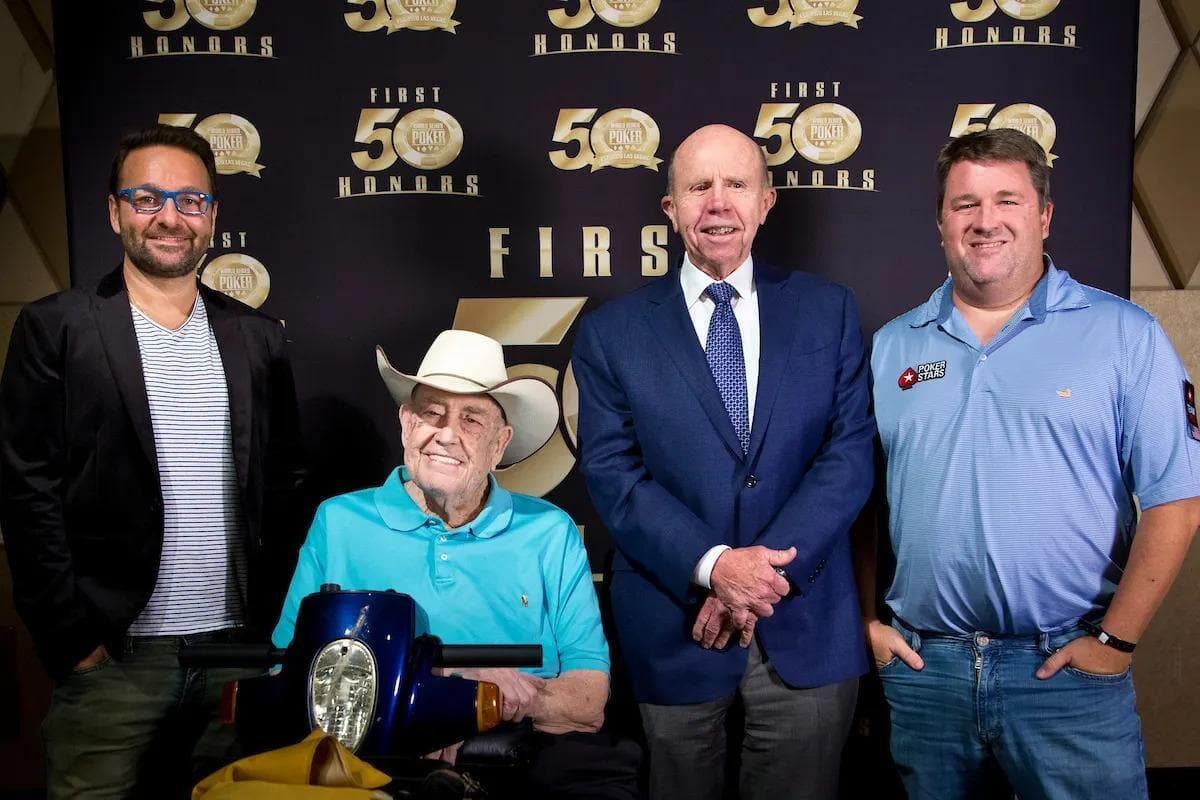
In poker, as in any other field, there's an ongoing debate about its greatest representatives. We decided to put together our own top five most influential poker players of all time, and FunFarm founder Fyodor Truntsev helped us compile this list. We chose not to rank the players, since everyone has their own opinion on the matter, and each of the figures in the ranking left a unique mark on poker.
Doyle Brunson
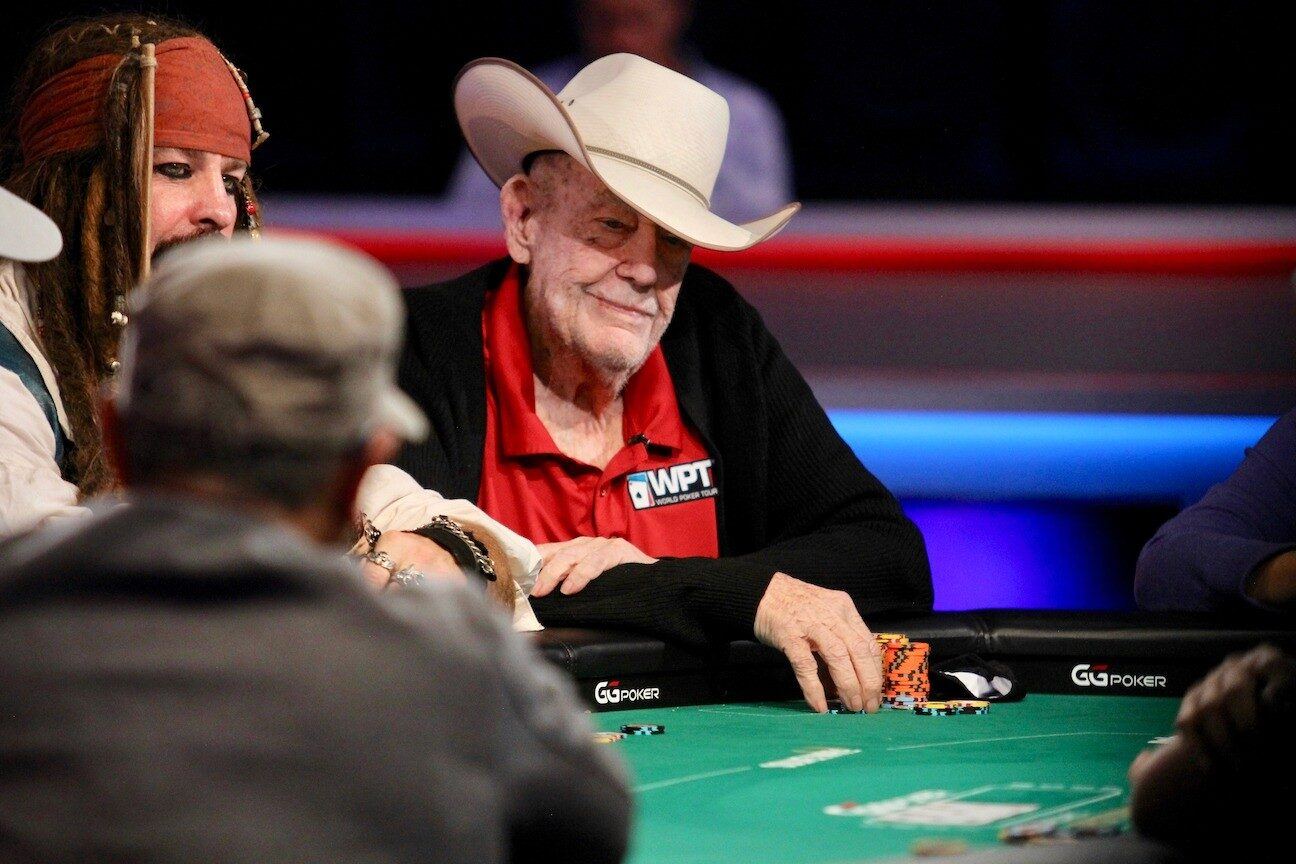
With all the achievements and merits of the other players, we are simply obligated to begin this list with Doyle Brunson, the man known as the "Godfather of Poker," thanks to whom this game turned into a huge industry. Brunson started playing back in the 1950s, taking part in illegal games in Texas, Oklahoma, and Louisiana.
In 1970, Doyle Brunson took part in the first World Series of Poker, and in 1976 and 1977 he himself won the tournament's Main Event. Both wins went down in history, since the "Godfather of Poker" claimed them with the hand T2, which would later bear his name. Over his entire career, Brunson won ten WSOP bracelets and became the first player to earn $1 million in tournaments.
But Brunson is famous not only for his iconic wins. In 1978, he published the book "Super/System," which revealed the secrets of poker professionals across the most varied disciplines to a wide audience. It popularized the game and hasn't lost its relevance to this day. Brunson took part in tournaments right up until the final years of his life and passed away in May 2023 at the age of 89.
Stu Ungar
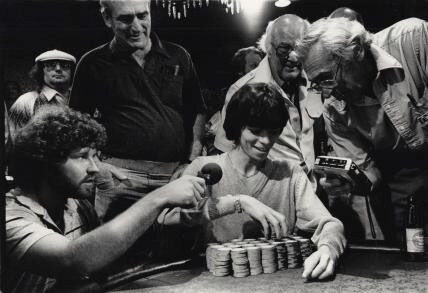
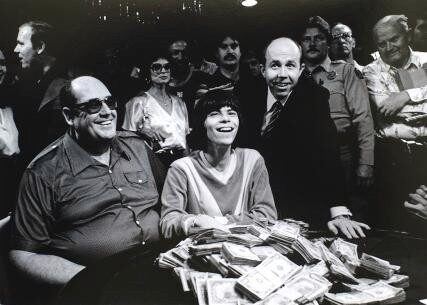
Stuart Ungar entered poker history more as a dramatic character than an epic legend like Brunson. He burst into the elite at lightning speed, winning the WSOP Main Event on his very first attempt in 1980. And Stu did it by beating none other than Brunson heads-up. A strong friendship later developed between them, though Brunson admitted that he often wanted to punch Ungar at the poker table because of his arrogant and rude behavior.
In 1981, Stu Ungar defended his WSOP Main champion title and took two more bracelets in other disciplines. But then a dark stretch came in his life: a gambling addiction, drugs, divorce from his wife, and the suicide of his stepson. In 1990, he nearly died of an overdose right in the middle of the WSOP Main, where he was the chip leader. The champion was found in time in his hotel room and saved.
Source: Hendon Mob
And yet Ungar found the strength for a triumphant, if brief, comeback. In 1997, Stu's entry in the WSOP Main was sponsored by his friend Billy Baxter, who paid the $10,000 buy-in. Ungar beat John Strzemp heads-up and won $1 million.
However, just a year later, the consequences of his severe addiction caught up with the three-time champion. Ungar was found dead in a room at one of the Las Vegas motels. Traces of drugs were found in the 45-year-old player's blood, but the cause of death was heart problems that had developed from their use. By that point he was already practically penniless, despite the multimillion-dollar winnings over the course of his career. In 2001, Stu Ungar was posthumously inducted into the Poker Hall of Fame.
Phil Ivey
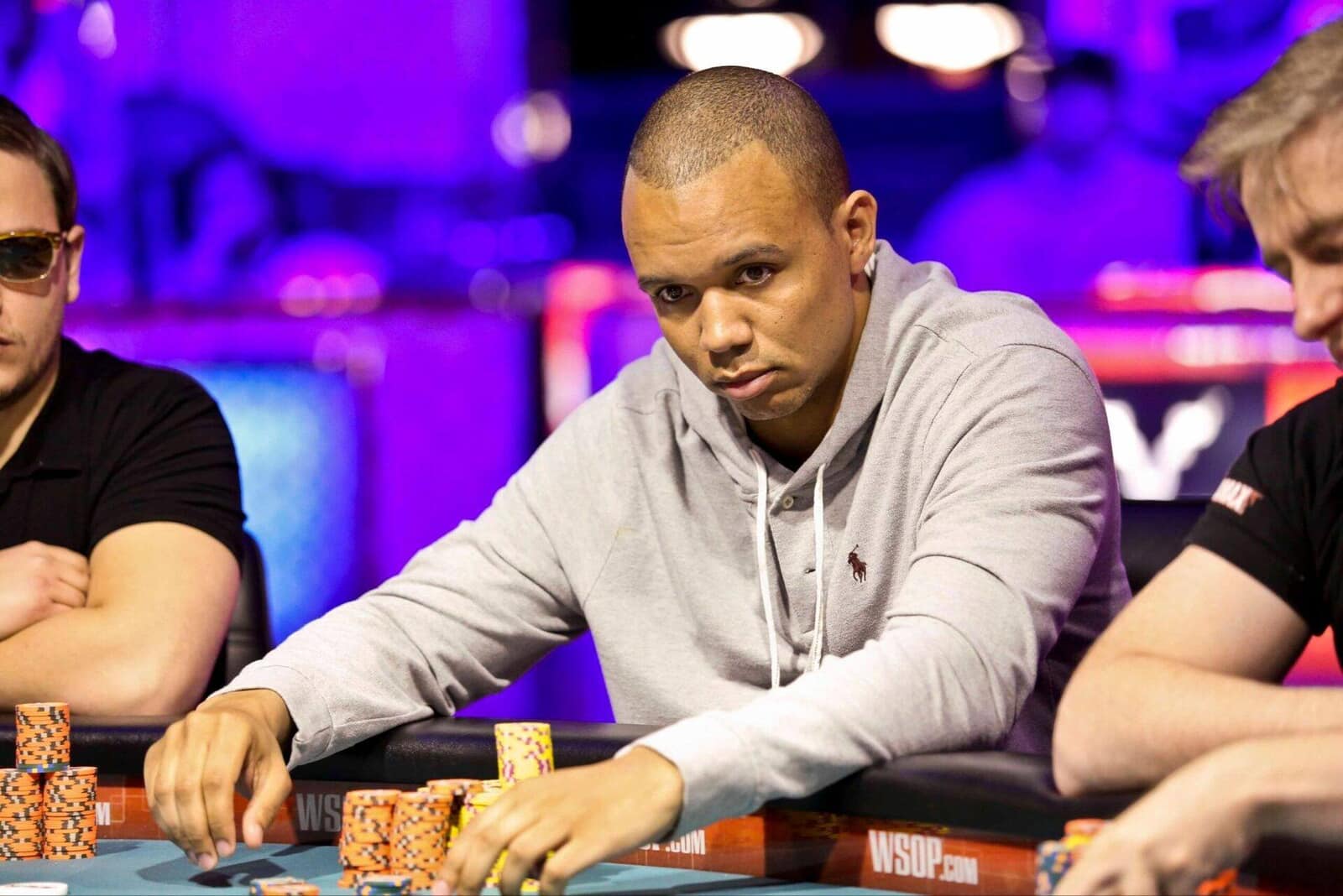
At the turn of the century, a new star lit up in poker. That star was Phil Ivey. Back in his teens, he played late into the night at casinos in Atlantic City, using fake documents under the name Jerome Graham. Sometimes the young player missed the last bus home and slept on the street, which earned him the nickname Homeless Jerome. Back then, no one would have guessed that in the early 21st century Ivey would be compared to Tiger Woods for his enormous superiority over opponents and his composure under pressure.
In 2000, Phil Ivey made his debut at the World Series of Poker and immediately won a bracelet in a PLO tournament. From that moment on, the era of his poker dominance began. Ivey won ten WSOP titles in just 14 years, which was a record. However, his 11th bracelet would only come to him in 2024, after several years of quiet.
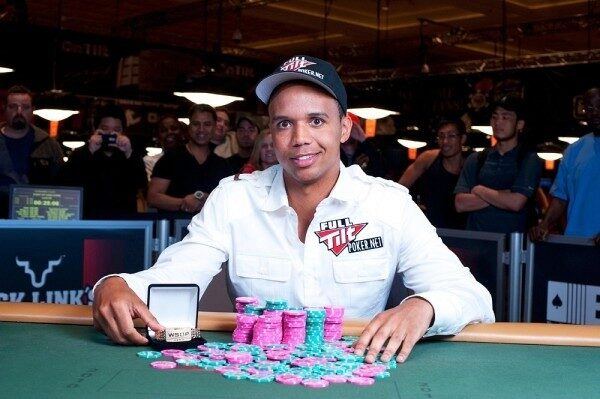
Photo: Julio Rodriguez
In the 2000s, Ivey didn't limit himself to wins at live tournaments, performing brilliantly in cash games and online. In 2006, he played for "The Corporation" — a group of professional poker players — in a showdown against billionaire Andy Beal. The businessman first won more than $13 million from his opponents, but over three days against Ivey he lost $16.6 million, after which he quit poker for a long time. In 2010, Phil Ivey became the first player to earn $20 million in online tournaments, and was also named the best player of the 2000s by Bluff Magazine, joining the ranks of Doyle Brunson (1970s), Johnny Chan (1980s), and Phil Hellmuth (1990s).
In 2017, Ivey was elected to the Poker Hall of Fame. This happened in the very first year he became eligible by age. By that point, however, the champion had retreated into the shadows after losing court cases against the Crockfords and Borgata casinos, which had accused him of cheating over the use of a factory defect in the cards while playing baccarat.
In the 2020s, Ivey returned to the elite. The 11-time WSOP champion actively participates in Triton and PokerGO super high rollers and retains his status as one of the most dangerous cash players in the world, while his total career earnings amount to almost $54.5 million.
Phil Hellmuth
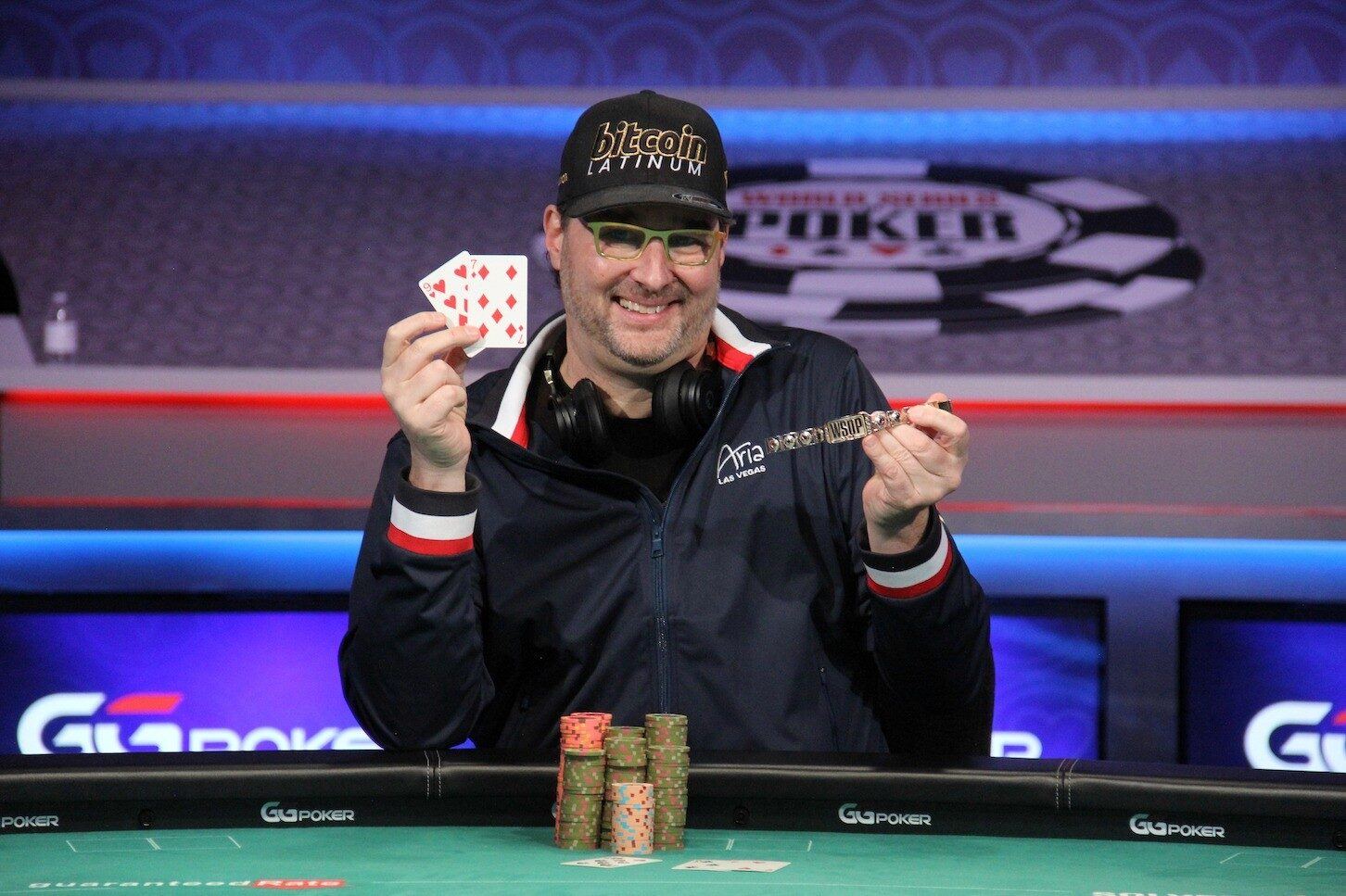
Phil Hellmuth began his path to absolute greatness in college, when he was introduced to poker.
Hellmuth debuted at the World Series in 1988 and immediately made the final table in seven-card stud, finishing fifth. And the very next year, the 24-year-old player sensationally won the WSOP Main Event, beating two-time champion Johnny Chan heads-up. Hellmuth became the youngest winner of the series' main event, and his record stood until 2008, when it was broken by the 22-year-old Peter Eastgate. But for Hellmuth, this was only the beginning. In the following years, he won 17 WSOP bracelets and became the first — and, of course, so far the only — player to win at the series in five different decades.
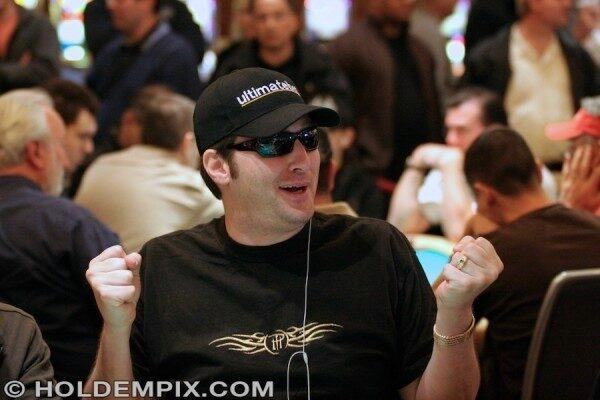
You could say that Hellmuth is the antithesis of his namesake Ivey. He won most of his trophies in hold'em, but, most importantly, at the table he was anything but composed. It was precisely his eccentric behavior and explosive temper that made Hellmuth one of the most recognizable poker players in the world. At the table he repeatedly mocked his opponents and exalted himself, including by saying: "I'm the Jack Nicklaus of poker, the Tiger Woods of poker, the Mozart of poker." The peak of his outrageousness came at the end of the 2000s. In 2007, Hellmuth received a NASCAR-style racing car from a sponsor, but crashed it in the parking lot of the Rio hotel, after which he showed up at the WSOP in a racer's jumpsuit and helmet. And in 2009, Hellmuth made a pompous arrival at a series event dressed as a Roman emperor, accompanied by trumpeters, drummers, 11 girl gladiators, and 50 muses.
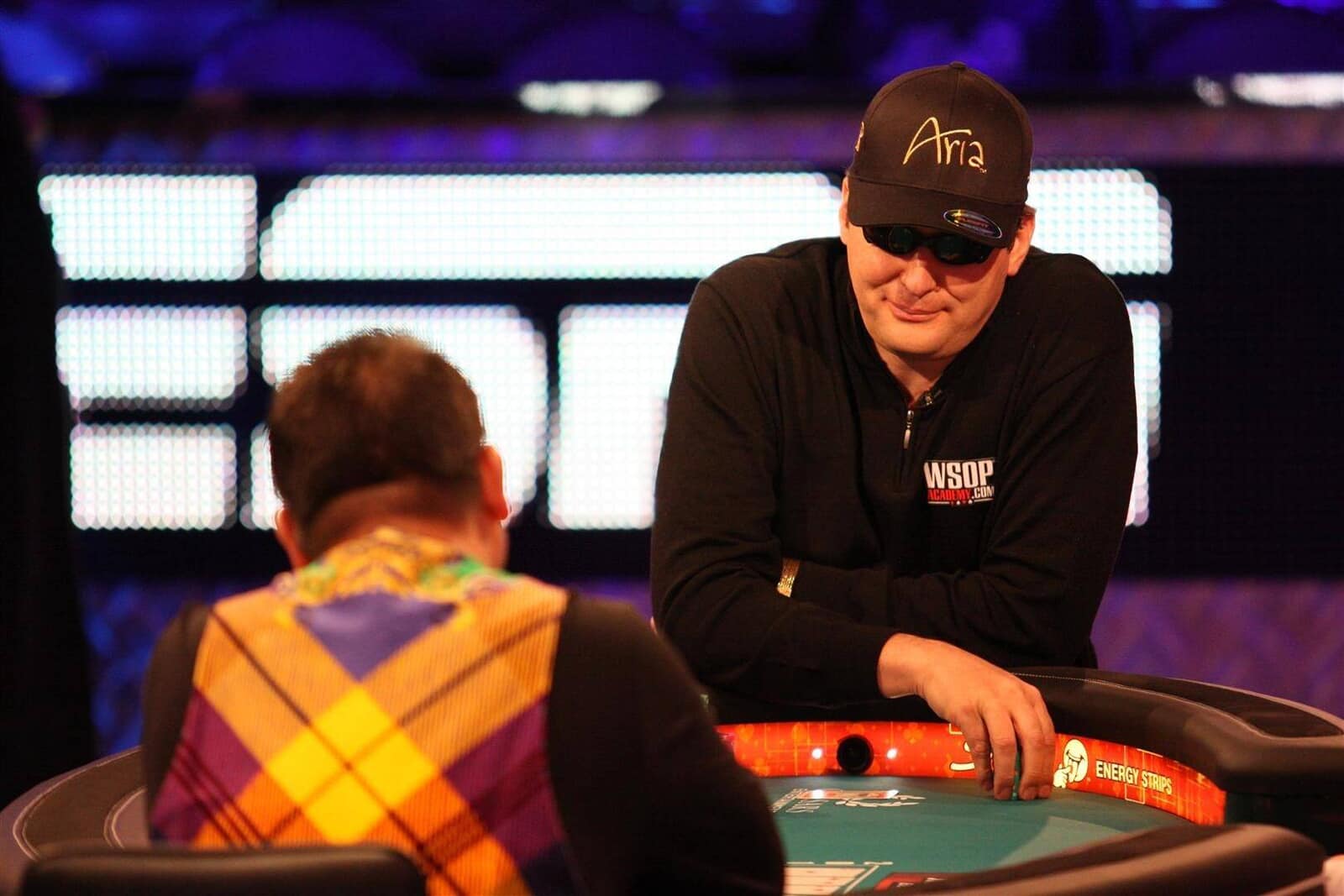
Photo: Ryan Lucchesi
However, despite his records for titles, ITM finishes, and final tables at the WSOP, Hellmuth is not counted among the strongest players in history. It all comes down to his style, which defies explanation from a mathematical standpoint. The champion himself said that he commanded white magic, since he could read his opponents, and called the mathematical approach black magic. Perhaps it was precisely the flaws in his style and his expressive behavior that prevented Hellmuth from earning the "WSOP Player of the Year" title, although he finished second four times. His place in the Poker Hall of Fame, however, he received in 2007.
Daniel Negreanu
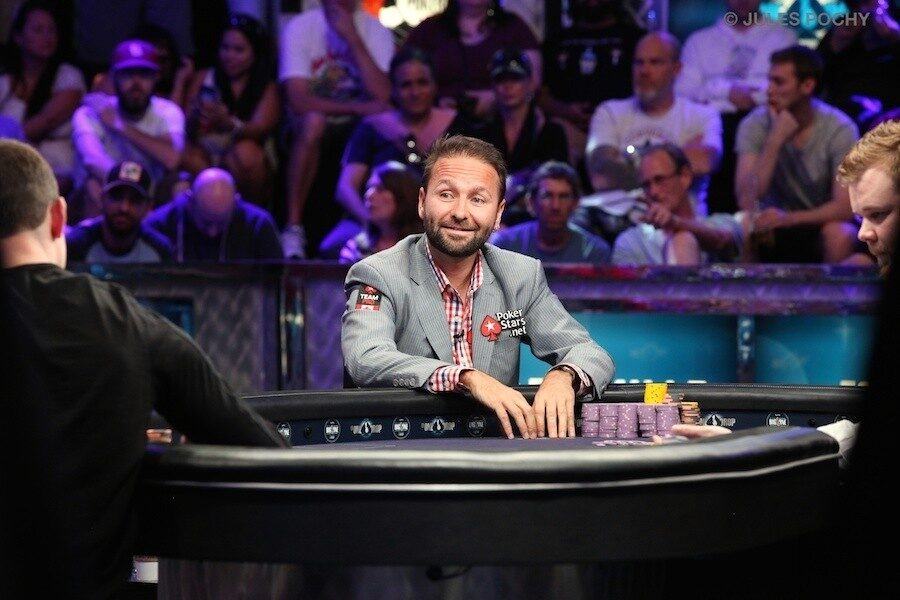
Seven-time WSOP champion, two-time WPT winner, the only two-time "WSOP Player of the Year," and the most popular poker player in the world — these are all the accolades of Daniel Negreanu. Like the other figures on our list, he got into poker in his youth and even dropped out of school for the game when he had just one exam left to graduate. Negreanu's first foray into the Las Vegas poker world didn't work out, but his second attempt was a success — he won two World Poker Finals events and was recognized as the best all-around poker player.
In 1998, Negreanu won his first WSOP bracelet, taking down a pot-limit hold'em tournament with a $2,000 buy-in. After that, however, he left poker for several years, having lost his passion for the game: "After '99, I won a solid amount of money and 'burned out.' My passion for poker left me. I also ran into a worldview problem. When you have neither a foundation nor a faith to hold you up, and you play poker only for money, and as a result you get it, the question arises: now what?"
Negreanu's comeback came in the 2000s and was triumphant. The Canadian player took his second WSOP bracelet in 2003, and in 2004 he won his third series title, as well as two WPT tournaments. This was naturally followed by his recognition as WSOP Player of the Year. In 2013, Negreanu claimed two more bracelets and became WSOP Player of the Year for the second time, and a year later he posted his best cash on the live tournament circuit, earning $8.2 million for second place at The Big One for One Drop. That same year, he was inducted into the Hall of Fame, and the Global Poker Index ranking service named Negreanu the best poker player of the previous decade. That said, after that the Canadian began a 10-year period without a WSOP win, which ended in 2024, when he managed to take a bracelet in the $50,000 Poker Players Championship.
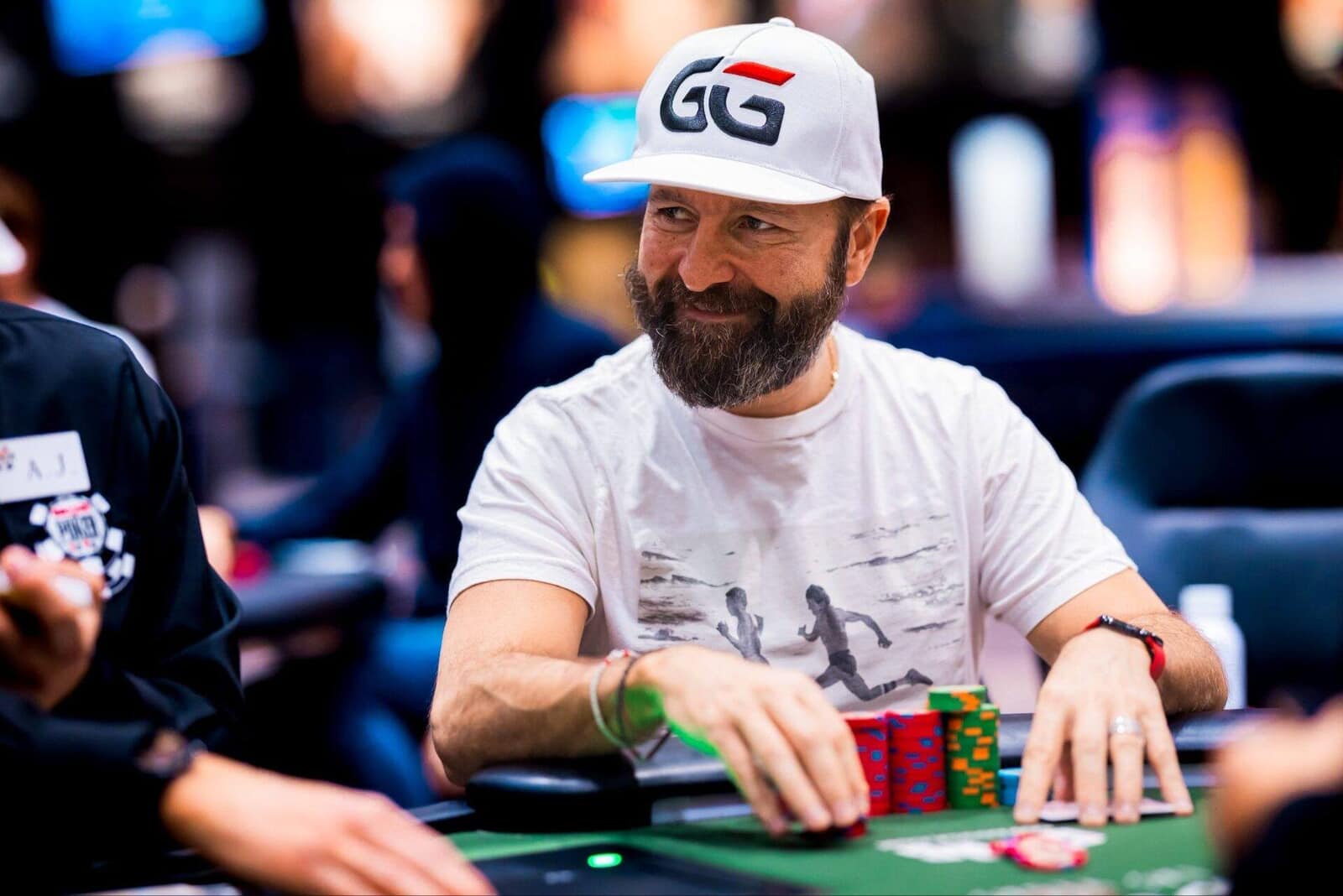
Photo: @WSOP on X
Negreanu earned his enormous fame not only through his results at the table, but also through his active participation in poker TV shows with multimillion audiences, and later streams. The charismatic and open player drew even audiences far removed from poker to their screens. In addition, he took part in creating the revised edition of Doyle Brunson's book "Super/System II" and wrote "Power Hold'em Strategy," which became the spiritual successor to the "Godfather of Poker's" work.
Negreanu's showdown with Doug Polk also drew attention to poker. It began in 2016 and concluded in the winter of 2020/21 with a head-to-head match. The opponents played 25,000 hands of no-limit hold'em, and Polk took the win, walking away with $1,200,000. Negreanu's play was criticized by Phil Hellmuth, whom the Canadian soon challenged. All three rounds of their heads-up on the High Stakes Duel show ended in favor of Hellmuth, who earned $350,000.
Over nearly 30 years of his career, Daniel Negreanu not only earned more than $57.5 million in live tournaments, but also became the leading face of modern poker, gathering almost 2 million followers on social media. The Canadian continues to win at major events and to remain an inspiration for ever-newer generations of players.
Honorable Mentions
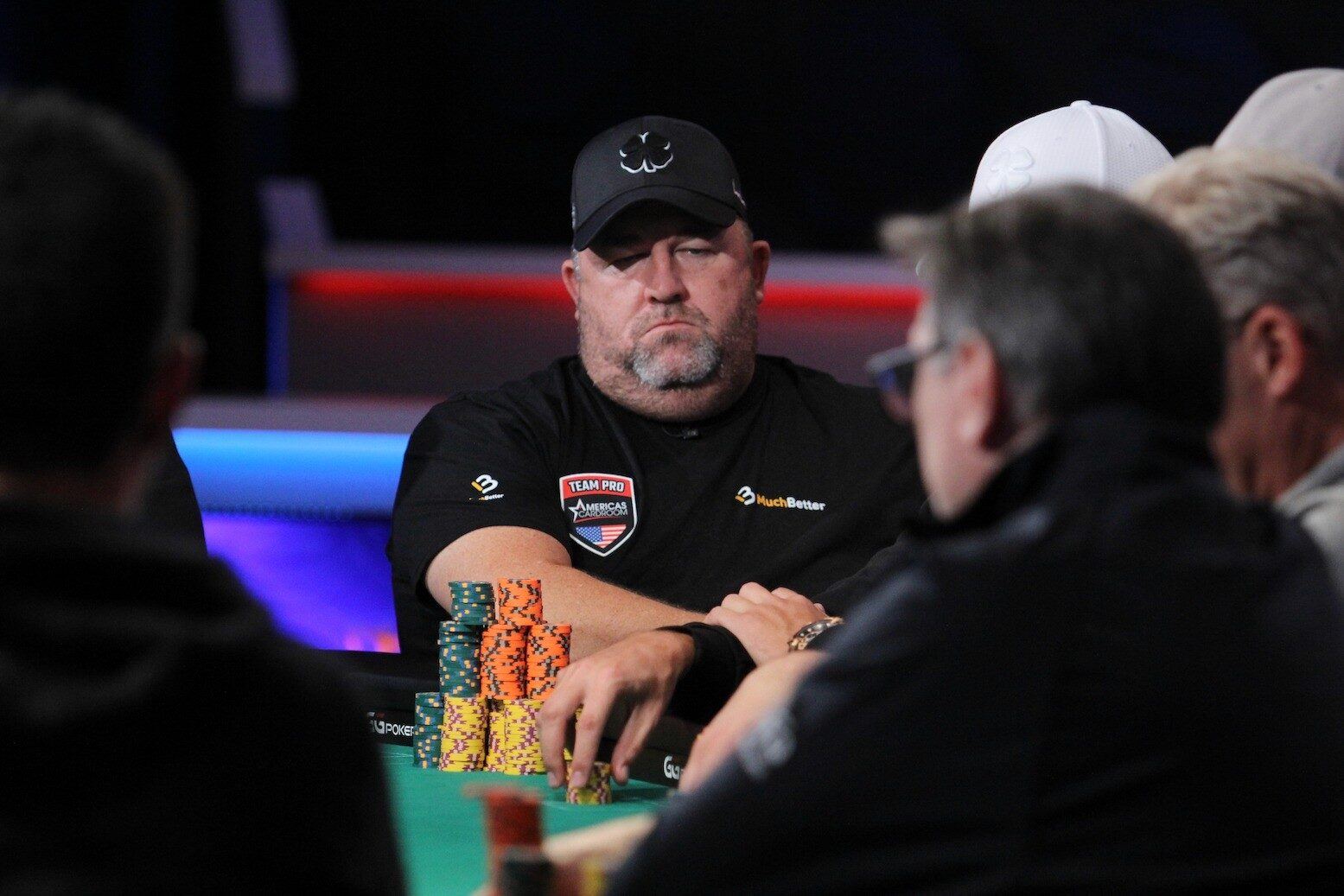
Photo: Erik Fast
Of course, far from all of the outstanding players made it into our top five. And so we are simply obligated to at least mention a few more iconic poker figures. Chris Moneymaker — the sensational champion who sparked the boom in the game's popularity with his legendary WSOP win in 2003. Viktor "Isildur1" Blom — an aggressive online grinder capable of both losing millions in a single day and running up from a five-figure stake to $1.75 million in ten days. Linus Loeliger — the Swiss professional who long dominated online cash on PokerStars under the nickname LLinusLLove. And, finally, Jamie Gold — holder of one of the largest prizes in WSOP history, who took home $12 million for his 2006 win, and a player who became famous for his constant talking at the table and for revealing information about his hand to opponents.