Poker Winnings Tax: What Players Pay Worldwide
How Much Tax Does a Poker Player Pay in Russia, Kazakhstan, Belarus, Georgia, Cyprus, and 5 More Locations. Rates, Thresholds, and Payment Procedures — Explained Simply.


Ilya is a Liga 2 player with six years of experience in online MTTs. He graduated from the Faculty of Journalism at RSUH and writes about poker for beginners, explaining complex things in simple, clear language. In his texts, Ilya combines his personal playing experience with his professional journalism skills to help newcomers confidently get into the game.
In 2025, Michael Mizrachi won the WSOP Main Event. "On paper," he received $10,000,000, but in reality — only $6,000,000. The player transferred the rest to the US budget. High costs hit poker players' income hard. However, players don't give 40% to the government everywhere. Let's discuss taxes on winnings in Russia and other countries.

New breakdowns in your inbox
Subscribe to the FunFarm newsletter: fresh Poker ABC articles and material that helps you grow as a player.
Key Facts About Taxes in Poker
Taxes on poker winnings are paid in the country of tax residency, that is, the state where the player lives more than 183 days a year.
In most countries around the world, online poker income is legalized through personal income tax or its equivalents.
In Russia, a progressive taxation scale applies to poker income. Its rate depends on the amount won. You need to pay from 13% to 22% into the budget.
Taxes on poker in Russia are optimized through individual entrepreneur (IP) status. Under the simplified tax system (USN), a player pays 6% of all cashouts.
The tax on casino winnings in Belarus is 5%. It is withheld by the operator. On online poker income, the player pays 13% personal income tax.
Cyprus and Montenegro have set a zero tax on winnings, but there are nuances.
Kazakhstan and Georgia have different rates for citizens and foreigners. In Kazakhstan, foreigners give up 20% of income, while in Georgia — 0%.
The UAE has no personal income tax, but poker is banned in the country. Violators can face criminal liability.
States regularly revise their tax legislation. Therefore, rates, filing deadlines, penalties, and other important figures from this material quickly become outdated. Check the tax codes of the countries and consult local lawyers for up-to-date information
Poker Winnings Tax: You Pay Where You Are a Tax Resident
Residency is a key factor in taxing poker income. If a state recognizes a player as a resident of the country, then taxes on winnings must be paid. If not — no obligation arises. Resident status depends on the number of days spent within the state's territory. The Tax Code of the Russian Federation considers a person a resident if they spent 183 days in the country during a year.

The final costs depend on several factors: the player's residency, agreements between countries, and whether the operator has a local license
In the US, time spent is summed up for the last 3 years with a special weighting coefficient applied. In Germany, the same 183-day threshold is used as a starting point, but the presence of permanent housing is added to it.
For most players, citizenship and residency coincide. However, an equal sign cannot be placed between them. If a Russian citizen spends most of the year at casinos in Macau, they will not obtain tax resident status in Russia. They will transfer their share of winnings to China's budget.
Rooms almost never withhold taxes from clients. Exceptions are national operators in Georgia and other countries. Let's note the unique situation in Greece. There, a percentage is taken from winnings after each session. Earned income from €100 to €500 — you give up 15%; from €500 — 20%. The tax on winnings is determined by the balance amount. Local poker players creatively solved this problem: they register for the next day's evening tournaments and then cancel their registration in the morning.
In general terms, poker taxation works like this:
You win the WSOP Main Event.
You come home and declare your income.
You pay tax at the current rate.
In practice, numerous nuances arise. For example, whether the US and the player's country of residency have a tax treaty. If the states have concluded an agreement, the poker winnings tax may not need to be paid. An example is Koray Aldemir's win at WSOP 2021. Thanks to the treaty and his resident status in Austria, the player received the full $8,000,000. In Austria, no tax is paid on poker. A hypothetical $10,000,000 WSOP win by Artur Martirosyan would lead to a different scenario. The Russian would first pay 30% in the US, and then another 13%-22% on $7,000,000 — in Russia.
Brief data on countries and taxes is collected in the table:
Country | Poker Status | Winnings Tax Rate | Additional Information |
Russia | Banned outside gambling zones | 13-22% | If you register as an IP, you can reduce costs to 6% |
Belarus | Allowed | 5% in legal casinos, 13% — in online poker | Income from playing in offshore rooms must be declared |
Georgia | Allowed | 5% — for citizens of the country, 0% — for foreigners | 20% is withheld from tournament series winnings regardless of citizenship |
Armenia | Allowed in gambling zones and licensed rooms | 5% on winnings from 5,000,000 dram, 10% on winnings up to 5,000,000 dram | The venue withholds tax on income from 5,000,000 dram; in other cases, the player fills out the declaration themselves and transfers the money |
Montenegro | Allowed | 0% | Montenegrin law does not classify online winnings as income |
Serbia | Allowed at licensed casinos and rooms | 0% | If a player wants to legalize online poker winnings, they must pay 20% personal income tax |
Azerbaijan | Banned | from 3% to 14% | The country is gradually raising taxes every year until 2028 |
Kazakhstan | Banned outside gambling zones | 10% — for citizens of the country, 20% — for foreigners | If a player wants to legalize online winnings, they must pay from 10% to 15% of income |
Cyprus | Live poker is allowed, rooms are in a gray area | 0% | Regular poker winnings may be equated to regular income with taxes from 20% to 35% |
UAE | Banned | 0% | Playing poker in the Emirates can result in a criminal sentence |
Poker Winnings Tax in Russia
In Russia, taxes on poker winnings must be paid. Since 2025, a progressive scale applies to income from the game:
13% — on amounts up to 2,400,000 rubles;
15% — on amounts from 2,400,000 to 5,000,000 rubles;
18% — on amounts from 5,000,000 to 20,000,000 rubles;
20% — on amounts from 20,000,000 to 50,000,000 rubles;
22% — on amounts from 50,000,000 rubles.
For winnings above 2,400,000 rubles, the higher tax rate applies to the excess amount. It's easier to show with an example. Roman Orlov won the RPT Main Event in Altai in 2025 and took 6th place in the Super High Roller.

Organizers of live tournaments do not withhold taxes. Players fill out the declaration themselves and transfer money to the budget
The first success brought the player 1,750,000 rubles, the second — 2,790,000 rubles. On 4,540,000 rubles, he will pay:
312,000 rubles = 13% x 2,400,000;
321,000 rubles = 15% x (4,540,000 — 2,400,000).
His tax on winnings will amount to 633,000 rubles. In this example, we focused on how the progressive scale works. Therefore, we did not subtract buy-in amounts and Roman's other winnings in 2025 from the tax base. In real life, these are also taken into account. The tax rate can be reduced through individual entrepreneur or self-employed status. We'll discuss both options further.
Winnings up to 4,000 rubles are not taxed. This refers to total annual income. If a poker player in 2026 won 3,700 rubles in one tournament and 2,900 rubles in a second, then a share of 2,600 rubles must be given to the Federal Tax Service.
4 gambling zones are responsible for live poker in Russia. Local casinos pass winnings data to the Federal Tax Service, but players pay taxes themselves. What counts is not income from each tournament, but the overall balance for the year within the casino. The law does not separate poker from roulette or slots. The gambling establishment sums up results across all directions. If a poker player won 1,000,000 rubles in tournaments but lost 1,500,000 in roulette, then they received no income and no obligation to the budget arose. Sports betting fans have it easier — bookmakers withhold taxes automatically.
Online poker is banned in Russia. The Federal Tax Service does not issue licenses for rooms — a legal brand cannot be launched. Russia does not recognize licensing documents from Curaçao, Anjouan, or Malta. However, many rooms continue to operate in the country. The disputed status of online poker creates difficulties for players. Rooms and the Federal Tax Service do not exchange information, but banks record all transactions. Therefore, many poker players voluntarily legalize their gambling income.
How to Legalize Poker Winnings Tax
The Federal Tax Service has not clarified how to report poker income. Therefore, players seek solutions on their own. There are several options:
IP (Individual Entrepreneur). Allows legalizing winnings through the simplified taxation system. The player registers as an individual entrepreneur and pays 6% of all cashout amounts. The minimal set of registration documents and fast setup make IP the optimal choice. Downsides include the need to keep a book of expenses and income.
NPD (Self-Employment Tax). Some players register as self-employed. The law on "Tax on Professional Activity" does not prohibit classifying poker under this category, but it fits poorly in meaning. Advantages include a tax rate of 4-6% and reporting. Self-employed individuals don't file a declaration. They submit information through a mobile app. The downside of this status is a limit of 2,400,000 rubles per year. This option doesn't suit high-stakes players.
NDFL (Personal Income Tax). A poker player pays tax on a scale from 13% to 22%. Advantages include no additional actions, like registering as an IP or arranging NPD status. The main disadvantage — the player overpays by 2-3 times compared to alternatives.
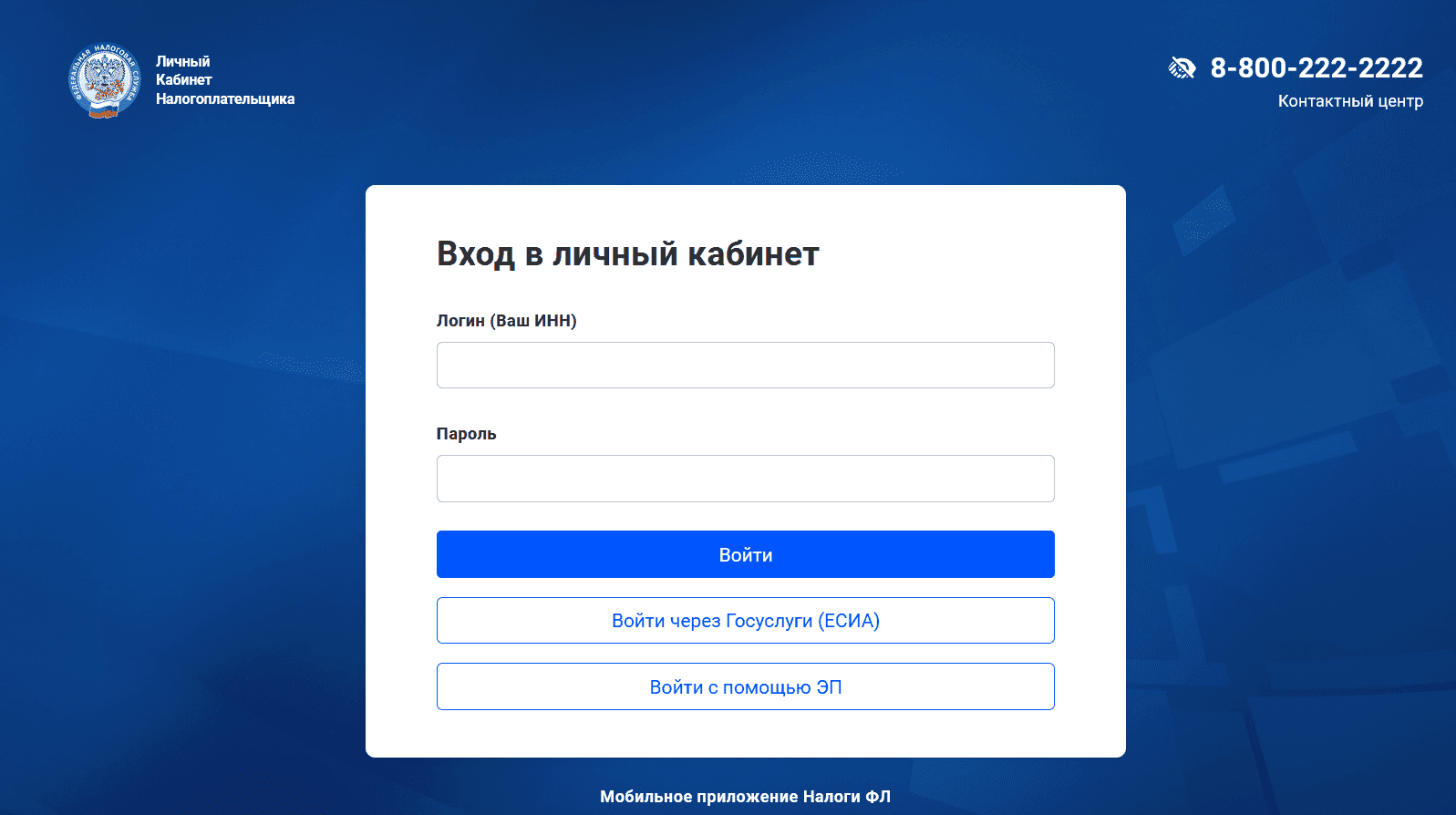
You can file a declaration in your personal account on the Federal Tax Service website or through Gosuslugi
The 3-NDFL declaration is submitted by April 30 of the year following the year in which the player received income. For example, Roman Orlov won 4,540,000 rubles in 2025. He must submit his report to the tax authority by April 30, 2026. The payment to the treasury must be made by July 15, 2026. In the declaration's "income code" field, we indicate 4800 — "other income." The Federal Tax Service does not offer a separate code for online poker.
What Happens If You Don't Pay Poker Taxes in Russia
Refusing to pay tax on winnings will cause a number of problems. Among them:
Fine for failure to file a declaration. Increases by 5% for each month of delay, but not more than 30%. The percentage is calculated from the tax amount in the declaration.
Fine for non-payment of tax. The violator pays from 20% to 40% of the amount.
Bank account freeze. Banks monitor client transactions. If money arrives in their account without confirmation of the income source, problems may arise.

A winner of one of the WSOP 2011 tournaments is wanted in Russia for tax evasion
Criminal liability also applies to violators. Tax evasion for an amount of 2,700,000 rubles or more within 3 years can result in up to 1 year of imprisonment.
The most notorious story of non-payment of poker taxes happened to Mikhail Lakhitov. In 2017, the Federal Tax Service learned about the player's success in live tournament series and calculated over 4,000,000 rubles in taxes owed. The WSOP bracelet holder with career winnings of $1,246,674 didn't pay the money. A criminal case was opened against him, and he was put on a wanted list. The player never paid off the debt and is still being sought.
Tax on Winnings in Belarus
In Belarus, licensed operators automatically withhold tax on casino winnings. The player declares nothing and does not report to the Ministry of Taxes and Duties of the Republic. Until January 1, 2026, the income tax rate on winnings was 4%. It has now been raised to 5%. The new rules affected all objects of taxation: gaming tables and machines, cash desks of bookmakers and totalizators. Somewhat earlier, the tax authority added gambling income to the objects of taxation.
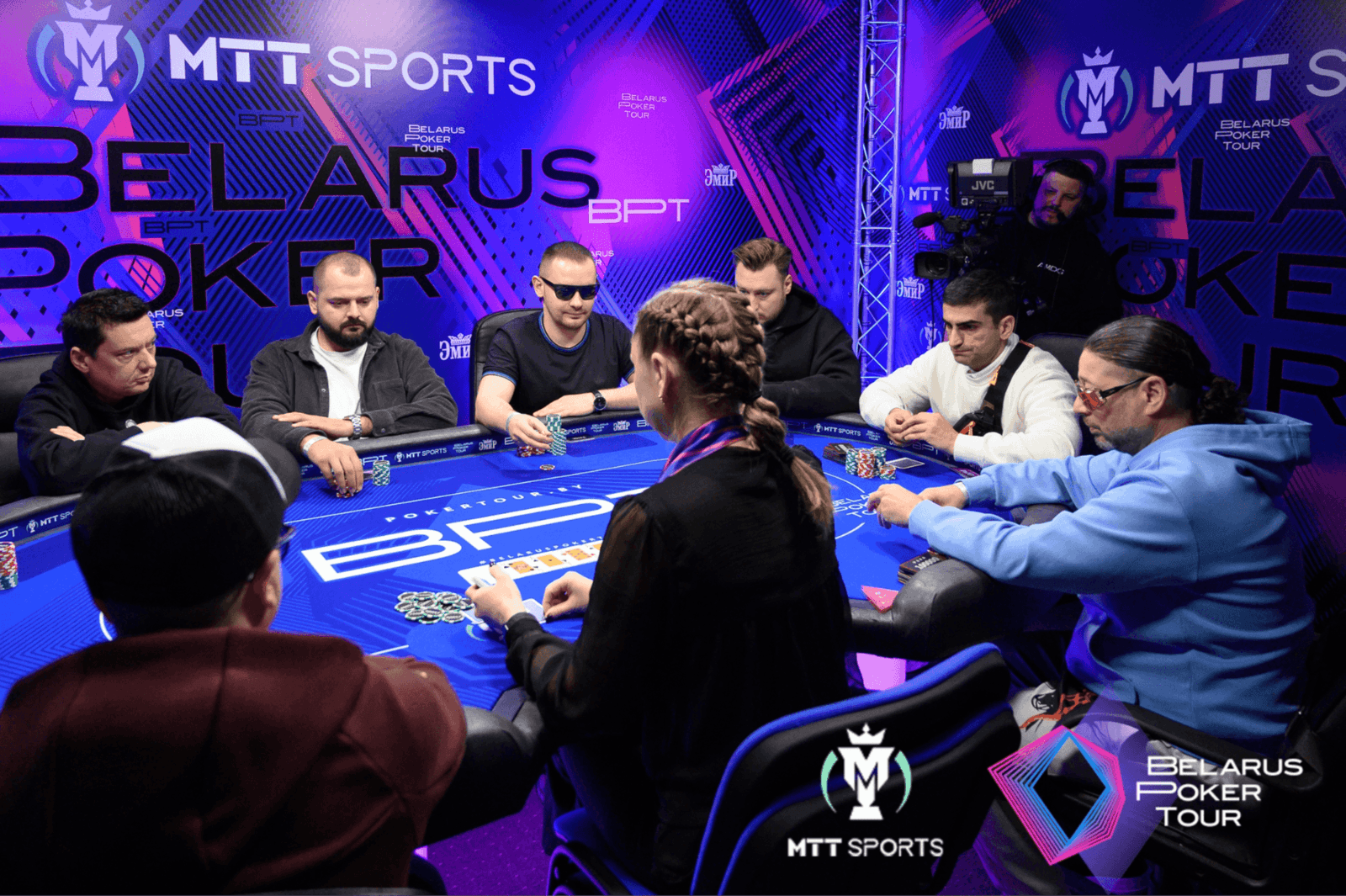
In Belarus, the tax on live tournament winnings is paid by the organizer
If a poker player plays online, the room does not withhold payments in favor of the state. The player declares the income received themselves at the standard rate of 13%.
To become a tax resident in Belarus, you need to live in the country for 183 days during a year. The declaration is filed by March 30 of the year following the reporting year. For detailed information on winnings tax rates, see Article 214 of the Tax Code of the Republic of Belarus.
Poker Taxes in Georgia
Georgia is tightening tax legislation for its own citizens and easing it for foreigners. At the end of 2024, the deduction rate for withdrawing funds from an online account was raised from 2% to 5%. At the same time, the government closed casino access to citizens under 25 and government officials. Check Articles 80 and 97 of the Tax Code of Georgia for information on rates for residents and non-residents.
At the same time, Georgia is increasing the industry's appeal for foreign citizens. In 2024, foreigners were exempted from the 5% tax on withdrawing money from an online account. This applies to platforms with a local gambling license, such as Adjarabet or Europebet. If a poker player plays on POKEROK, RedStar Poker, or another offshore platform, the situation is different. Rooms and the tax service do not exchange information with each other. However, banks track transactions. To legalize income, you need to pay a 20% income tax.

Winnings up to 1,000 lari ($378) are not taxed
The benefits for foreigners do not apply to live poker in Georgia. The tax on winnings is 20%. The organizer also gives another 10% of the tournament's prize pool to the country's treasury. For example, Evgeny Kim won $68,340 at a Eurasian Poker Tour stop in Georgia in October 2025. Of that, the casino withheld $13,668 for the country's budget.
High taxes on winnings are the main reason for the decline of live poker in Georgia. In the past, the country regularly hosted stops of popular tournament series. Now festivals are held only a couple times a year. Read more about local poker in a separate article about relocating to Georgia.
Learning at FunFarm, from any level
Tax on Winnings in Armenia
Armenian authorities are also raising taxes. In Georgia, the tightening of legislation was justified by protecting citizens from gambling addiction. In Armenia, the new rates were linked to the explosive growth of the industry's revenues. The updated version of the country's tax code introduced the concept of a "large win." This is considered income from 5,000,000 dram. At the time of writing, this amount equals $13,600. Here are the taxation rules in effect in Armenia:
5% on winnings from 5,000,000 dram. The money is withheld by the game organizer. The poker player does not file a declaration.
10% on winnings up to 5,000,000 dram. The percentage is calculated not from the final prize, but from the difference between it and the amount of bets made. The poker player determines the amount of the obligation themselves and files a declaration.

Since 2023, Armenia has been blocking room websites without a local license. Only Vbet Poker received legal status in the country
Fees for gambling organizers have also been raised. Now they pay 10% of turnover annually. The licensing fee has also increased. By 2028, the cost of licensing documents will increase 5-fold. Operators will pass some of the costs on to clients.
The updated tax rates apply to income from playing at casinos and on the Vbet Poker platform. Other online poker rooms fall into a gray area. To legalize income from playing on GGPoker or PokerKing, you need to declare it and pay a 5% or 10% tax. However, a large transfer to a player's account may raise questions from the bank and financial monitoring services. Check current information on rates in Armenia in Article 150 of the Tax Code.
Poker Taxes in Montenegro
Montenegrin legislation creates excellent conditions for online poker players. Local law does not classify online winnings as income. Therefore, no tax needs to be paid. Live game participants have also been exempted from budget payments. Montenegro does not withhold taxes on the million-dollar winnings of Triton Series and other festival players. Poker players are luckier than sports betting fans. Bookmaker clients pay 10% on winnings from €50 to €1,500, and 15% on winnings from €1,500. Similar conditions apply to lotteries.
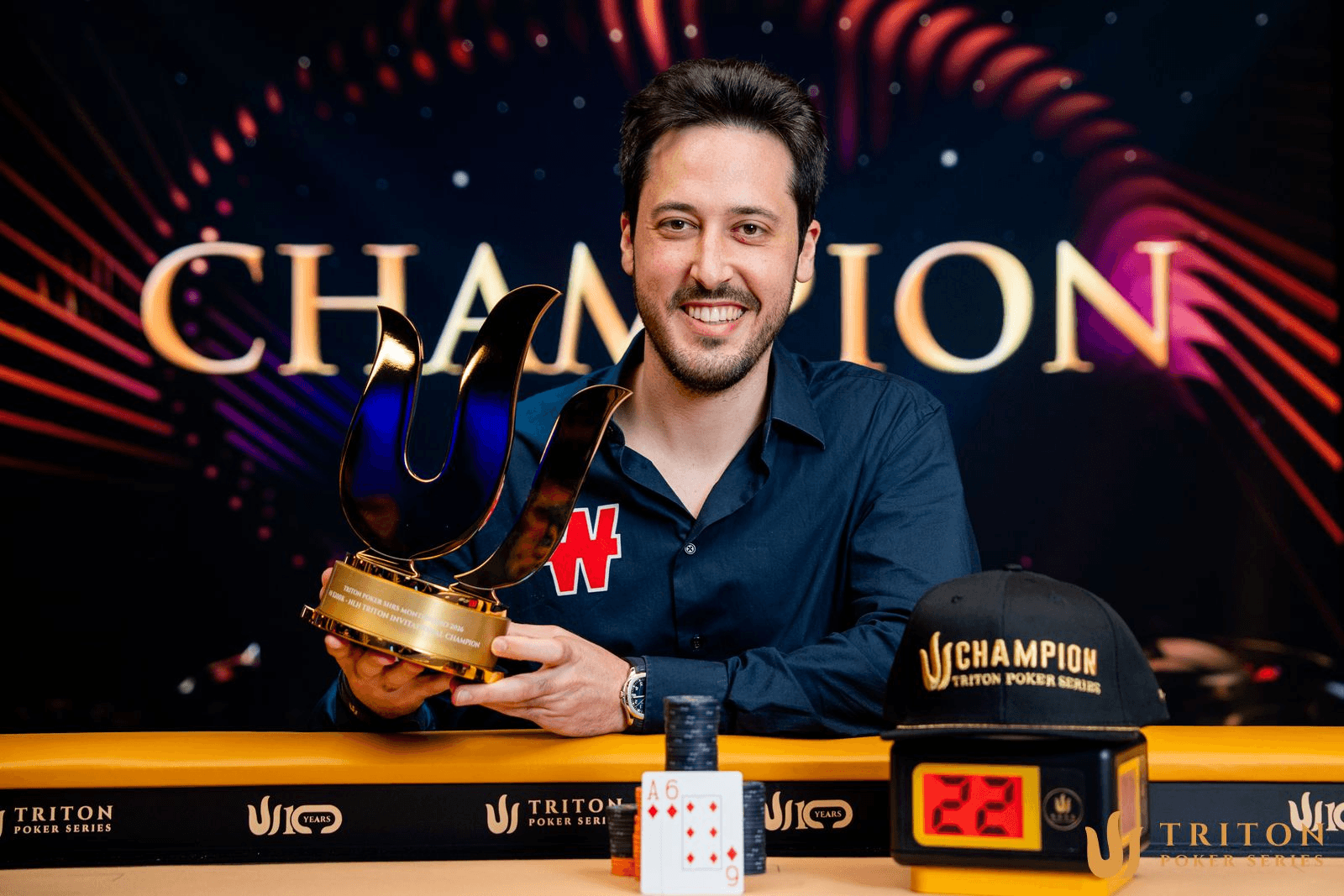
The legislation makes Montenegro one of the best countries for players
Players are given the opportunity to open a company and route winnings through it. The tax rate depends on income:
9% on amounts up to €100,000;
13% on amounts above €100,000.
The company option increases costs but allows one to obtain resident status and a residence permit. That's why some players route money through a company. We've dedicated a separate article to relocating to Montenegro for poker players.
Montenegro does not have a full-fledged tax code. Issues of mandatory budget payments are regulated by the law "On Personal Income Tax."
Tax on Winnings in Serbia
Serbian tax legislation also doesn't create problems for players. A 20% rate has been set for winnings over €1,200 in the country. However, it only applies to income from lotteries, bingo, and tombola. Local laws exclude casino and bookmaker winnings from this. If a player is paid €100,000 for winning a tournament, they receive all the money. Neither the casino nor the Tax Administration of the Republic of Serbia will withhold anything.
Clients of licensed casinos and local rooms have been exempted from budget payments.
Online poker is banned in the country. That's why PokerStars stopped accepting players from Serbia. However, many platforms continued to operate. To legalize income from poker, you need to include it in the declaration and pay a 20% tax on the amount exceeding €1,200. If a player earns more than three local average salaries, they will pay an additional 10-15% of the excess amount into the treasury. The tax-exempt income amount is reviewed once a year. The declaration is filed electronically by May 15.

Serbia is suitable for live poker fans. Online regulars would be better off choosing a country with more modest rates
In recent years, Serbia has been discussing tightening tax legislation. Some experts propose applying a 20% rate to any winnings. If the laws are revised, Serbia's appeal to players will decline.
Serbia does not have a unified tax code. Budget contribution issues are regulated by Article 83 of the law "On Personal Income Tax."
Poker Taxes in Azerbaijan
Casinos and poker are banned in Azerbaijan. However, sports betting and lotteries have legal status. Legal restrictions don't prevent the construction of the largest casino in Europe near Baku. Industry experts predict that by the time the gambling establishment opens, the country's legislation will be revised.
10% of winnings goes to Azerbaijan's budget. The money is withheld by the bookmaker or lottery organizer. The player doesn't need to do anything. Detailed information on winnings tax rates in Azerbaijan is provided in Articles 101.5, 150.1.11, 125.1.8 of the Tax Code.
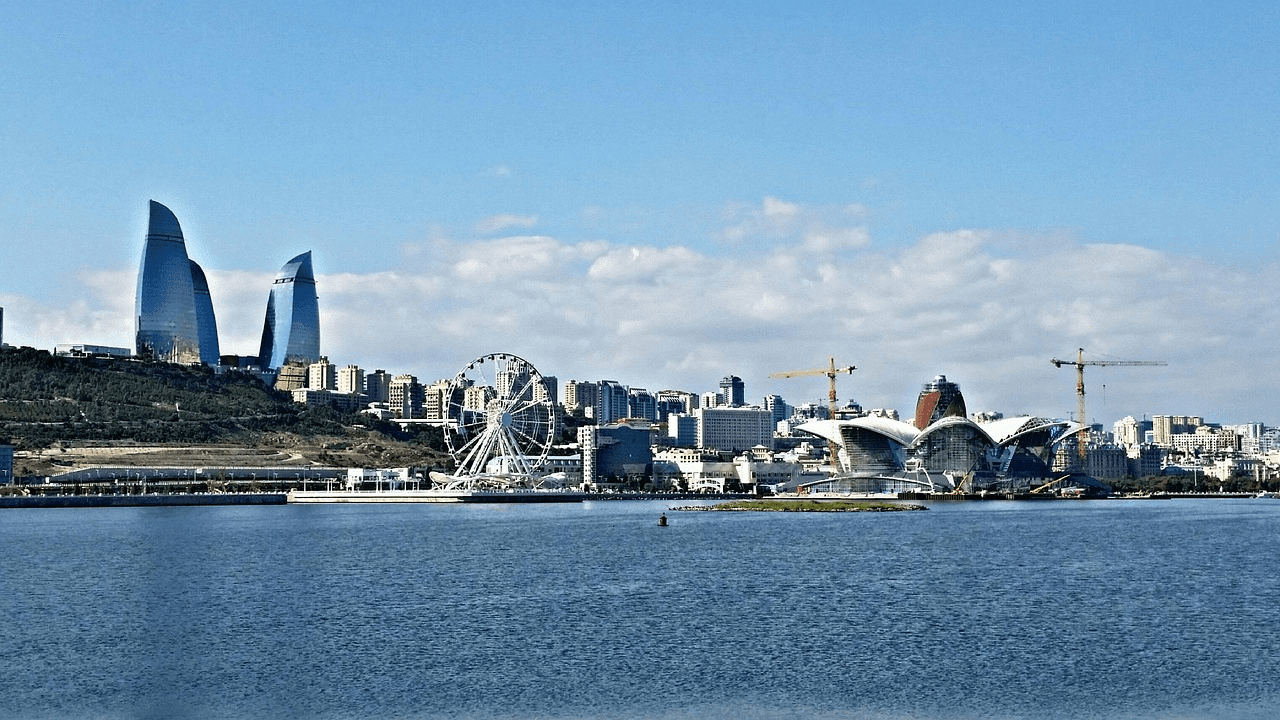
Winnings up to 500 manats ($294) are not taxed
GGPoker, PokerStars, RedStar Poker, Pokerdom, CoinPoker, and other online poker rooms operate in Azerbaijan. To legalize profits from playing online, you need to pay income tax. In 2026, the country introduced a progressive taxation scale. Budget payments will be gradually raised until 2028. As of June 2026, the following rates were in effect:
3% on income up to 2,500 manats;
10% on the amount exceeding 2,500 manats + 75 manats;
14% on the amount exceeding 8,000 manats + 625 manats.
Tax on Winnings in Kazakhstan
The status of poker in Kazakhstan resembles the situation in Russia. You can only legally play in special zones: Konaev in the Almaty region and Shchuchinsk in the Akmola region. Online poker is banned, but offshore rooms operate. Kazakhstan's tax system provides for different rates for citizens of the country and foreigners. Locals pay 10% of their winnings, foreigners — 20%. Casinos and bookmakers act as tax agents — players don't need to do anything themselves.
To legalize income from online poker, players fill out a declaration and pay personal income tax. Kazakhstan has a progressive scale for individual income tax. The rate depends on the monthly calculation index (MCI):
10% is paid by residents with MCI up to 8,500;
15% on the excess amount is paid by residents with MCI over 8,500.
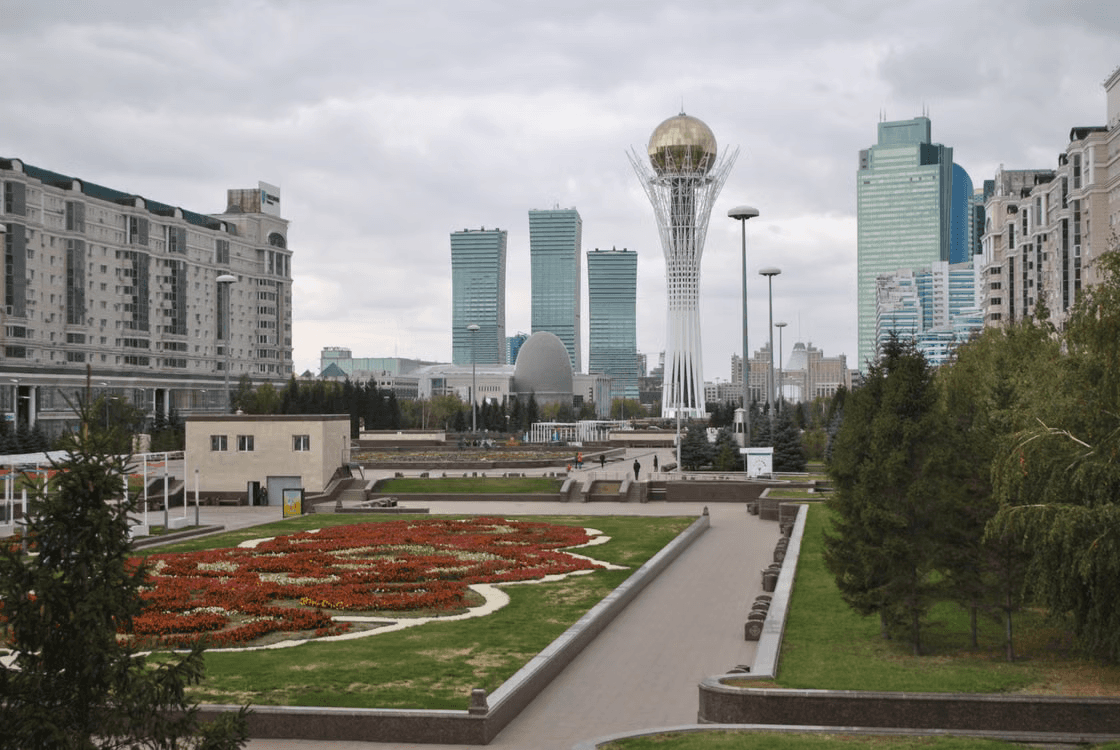
In Kazakhstan, the tax rate depends on the player's citizenship
The monthly calculation index is approved in the country's annual budget. In 2026, the MCI equals 4,325 tenge, or $8.89. The 10% rate applies to winnings up to $40,000.
The tax rate on winnings is regulated by Article 682 of the Tax Code of Kazakhstan.

Poker Taxes in Cyprus
No tax is taken on poker winnings in Cyprus. Players have been exempted from obligations to the state treasury. All budget contributions have been shifted to organizers. Cyprus's tax legislation creates attractive conditions for tournament series. The country hosts stops of the World Poker Tour, European Poker Tour, and Triton Poker. The situation with online poker is different. Cyprus does not issue licenses to rooms: only offshore brands operate on the island.
Cyprus and rooms do not exchange information. Therefore, players decide for themselves whether to legalize their poker income. The winnings of professional players may be counted as regular income. A progressive taxation scale applies to them. It includes 4 levels:
20% is paid on annual income from €19,500 to €28,000.
25% — on annual income from €28,000 to €36,300.
30% — on annual income from €36,300 to €60,000.
35% — on annual income above €60,000.
If a person earns less than €19,500, they don't pay income tax.
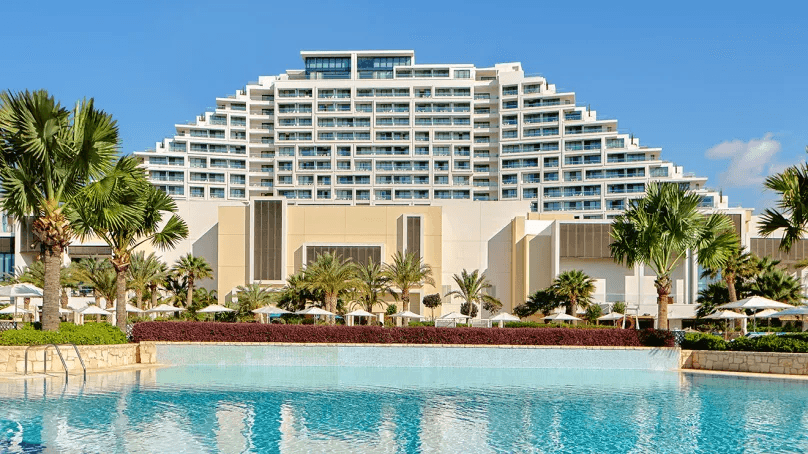
Single successes online will not attract the attention of Cyprus's tax service. However, systematic transfers of large sums may be recognized as professional income
Let's note the special legal status — non-dom — for foreigners who move to Cyprus. It exempts them from several taxes. For example, they don't pay taxes on dividends or bank deposit interest. The status is granted for 17 years from the date of moving to Cyprus. To acquire non-dom status, you need to spend 183 days on the island during a year.
Cyprus does not have a unified tax code. Information on rates is included in the law "On Income Tax."
Poker Taxes in Dubai and the UAE
Good news for poker players — in the United Arab Emirates, you don't need to pay income tax. Local legislation does not provide for personal income tax. Therefore, nothing will be withheld from winnings either.
The bad news — there are no casinos or licensed rooms in the country. Gambling was legalized for tourists in the UAE in 2023. Licenses are issued to operators by the General Commercial Gaming Regulatory Authority. The first licensing documents were issued to Wynn Resorts. The casino will launch in 2027.

Online poker is banned in the UAE, and using workaround tools can result in fines up to $500,000
There's no need to worry about legalizing income from offshore rooms either — legislation prohibits playing on them. Violators face criminal prosecution. Therefore, Dubai and the UAE are not suitable as a base for poker players.
Conclusion
The most attractive tax regimes are in Montenegro and Cyprus. Both states have exempted players from any costs. UAE legislation has no personal income tax, so nothing needs to be paid on poker either. However, the country can't be called attractive for players: the UAE has neither casinos nor online rooms.
The costs for poker players from Russia depend on their legal status. Individuals legalize gambling income on a progressive scale with rates from 13% to 22%. The percentage depends on the amount won. A less costly option is provided by individual entrepreneur status. With an IP, poker income in Russia can be processed at a rate of 6%. There's also the self-employment option, where 4-6% goes to the country's budget. However, the question of applying NPD to poker sparks debate.
How to Learn to Play Poker
Tax optimization is one way to increase poker income. Other aspects also affect a player's final results: choosing a room with suitable promotions, avoiding unprofitable tournament types, and reducing costs on deposits and cashouts. However, over the long run, a player's profit is determined by their skill level. To move up in stakes and increase income, a poker player must work on themselves. FunFarm offers the most effective training methodology.
We recommend beginners take the FF Start course. The 30-lesson program will provide the student with basic knowledge of poker. Key course topics: mathematics, opponent types, push/fold, and final table strategy. At the end of the training, students take an exam. Graduates are admitted to FF Player Path. Over the 8-month advanced course, students overcome microstakes and reach a decent earnings level.

Free course · FF Start
Play in control
Understand how to assess risk, money and the mathematical side of poker.