How poker is fighting time-stalling
How poker organisations are fighting tanking, and who has proposed the most advanced solution so far.
The sixth day of the WSOP Main Event will be remembered not only for its tense battles and the elimination of favourites, but also for a loud scandal surrounding stalling. Four-time bracelet winner Lauren Klein tanked for 15 minutes in an attempt to secure a $20,000 pay jump. Against this backdrop, the WSOP organisers took an unprecedented step the very next day and introduced shot clocks from the earliest levels for the first time in the series' history. The decision split the community — some supported it, others criticised it. In this article, we'll tell you how poker has dealt with stalling over the years, and try to figure out how effective the system really is.
The era before shot clocks
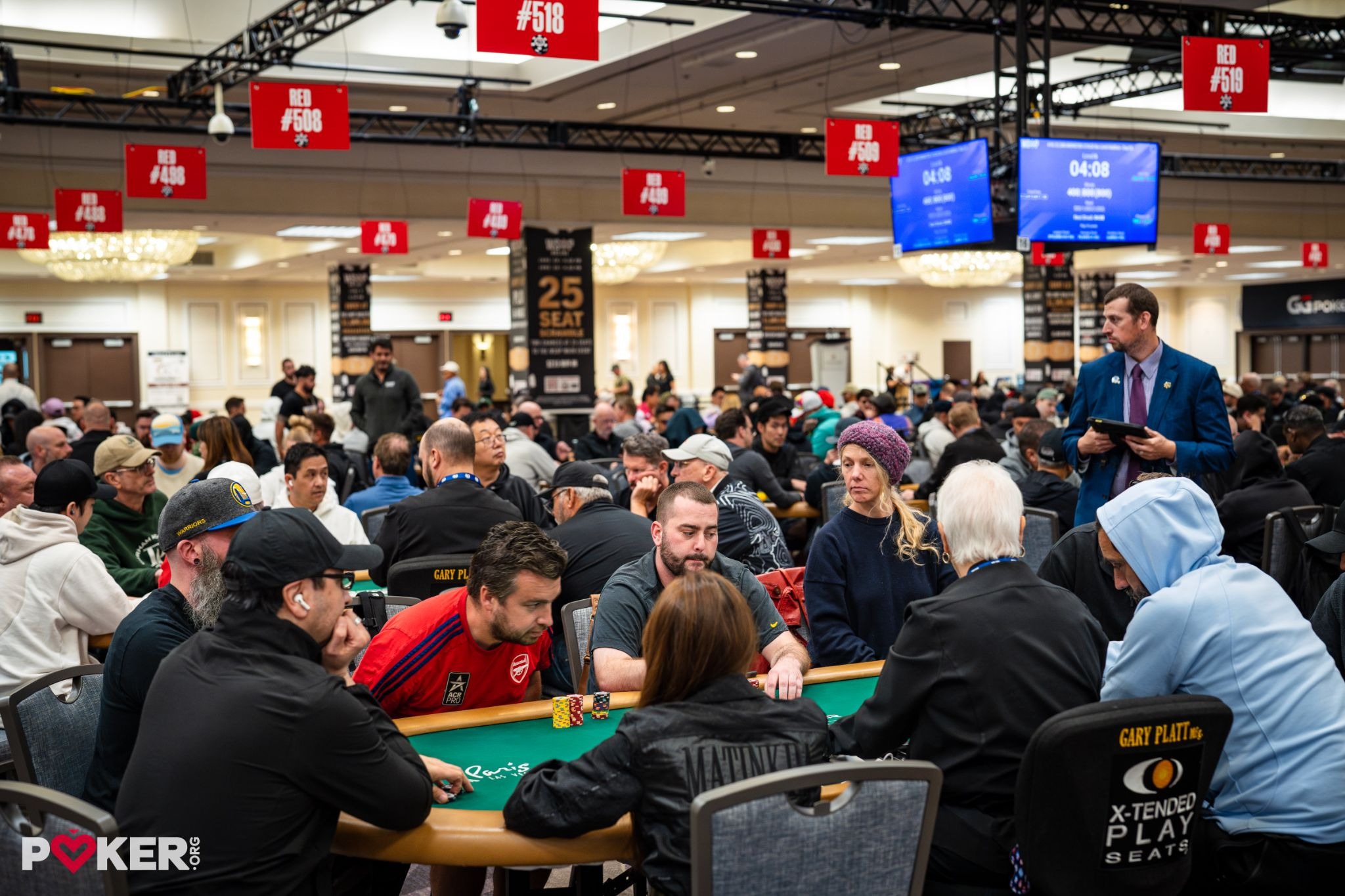
Photo: PokerOrg
For many decades, poker players' punctuality was ensured not by rules set down on paper, but by social regulation. All major tournaments operated on the principle that every player has a reasonable amount of time to make a decision. However, no boundaries for this «reasonableness» were ever defined.
Excessively long deliberations could be countered by the opponents of a tanking player. Back in the 1980s, the practice of calling for the clock came into use. The dealer or floor could approve this request, after which the player would be given roughly another 60 seconds to act. If they failed to make a decision, the hand would be declared dead.
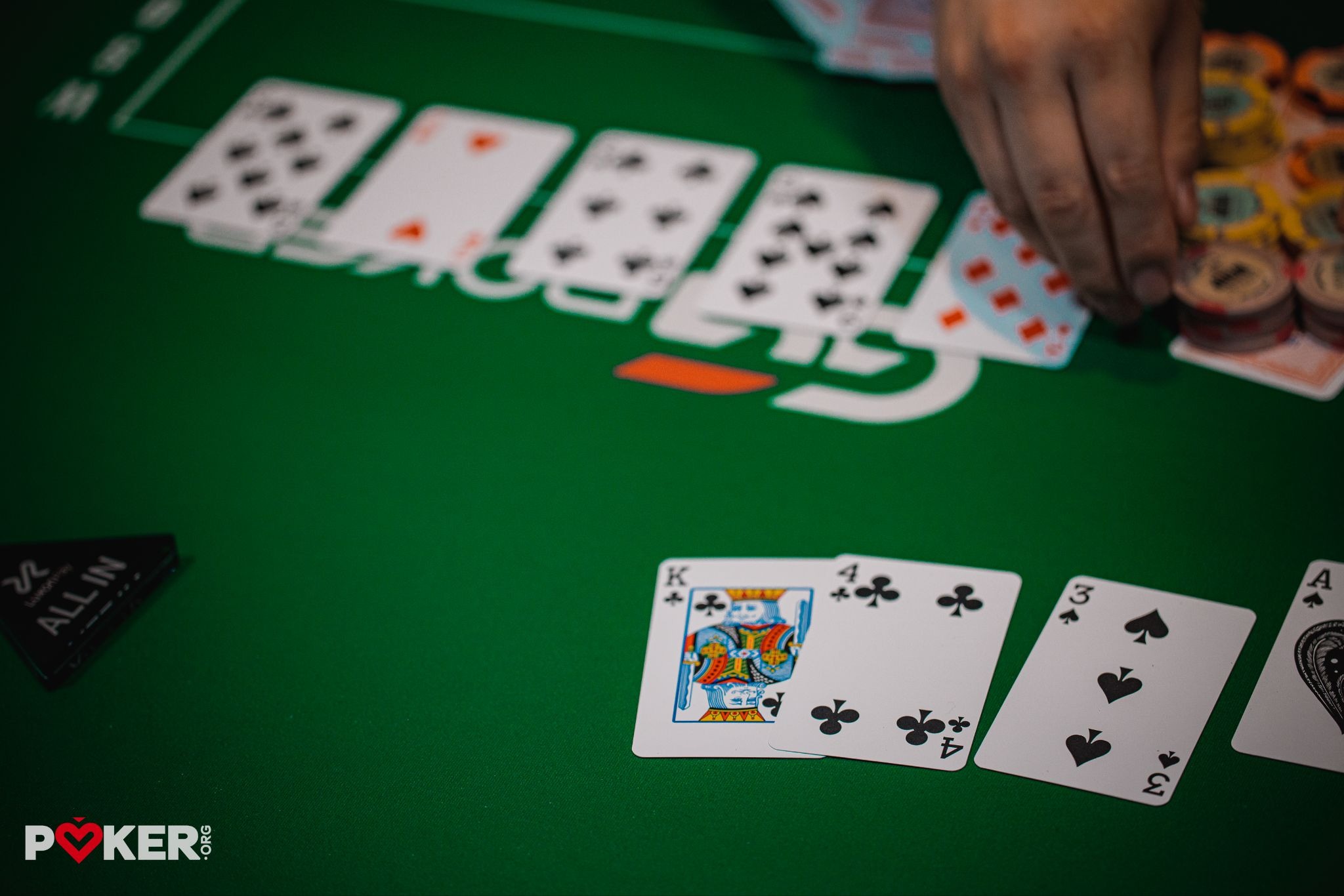
Photo: PokerOrg
This system had many loopholes. Some players might call for the clock after just 40 seconds, while others were willing to wait several minutes. Moreover, calling for the clock was considered bad etiquette and a sign of aggressive behaviour at the table, especially when it came to veterans or well-known players. And, of course, stalling was often beneficial to everyone at the table, since they too could benefit from a pay jump created by eliminations happening at other tables.
The problem intensified in the 2010s with the emergence of solvers, which pushed players toward deeper analysis of a growing number of situations, along with rising buy-ins (and, accordingly, the cost of making a mistake) and the spread of tanking. Players began deliberately stalling on the bubble or before pay jumps in order to win more money.
The «main characters» of slow play and tanking

Photo: Tambet Kask
The «ambassadors» of slow play during this period became Jordan Cristos, David «Doc» Sands and Marvin Rettenmaier. To be fair, although Sands and Rettenmaier irritated their opponents with their slow style of play, they were nonetheless strong players who spent a long time analysing hands and thinking through their decisions. Cristos, on the other hand, earned the nickname «King of Tanks» and repeatedly faced criticism from Daniel Negreanu and other regulars for his constant stalling.
And the central figure in one of the most notorious slow-play stories was, of course, Will Kassouf. At the WSOP Main Event 2016, the Brit combined regular stalling with constant chatter aimed at his opponents, trying to rattle them and pick up tells from their facial expressions and reactions.
In many hands, Kassouf would stay silent for several minutes, then suddenly start talking actively, only to go back into tank mode and start bombarding his opponent with questions again. The clock was called on him repeatedly, and eventually WSOP Tournament Director Jack Effel issued him a one-round penalty.
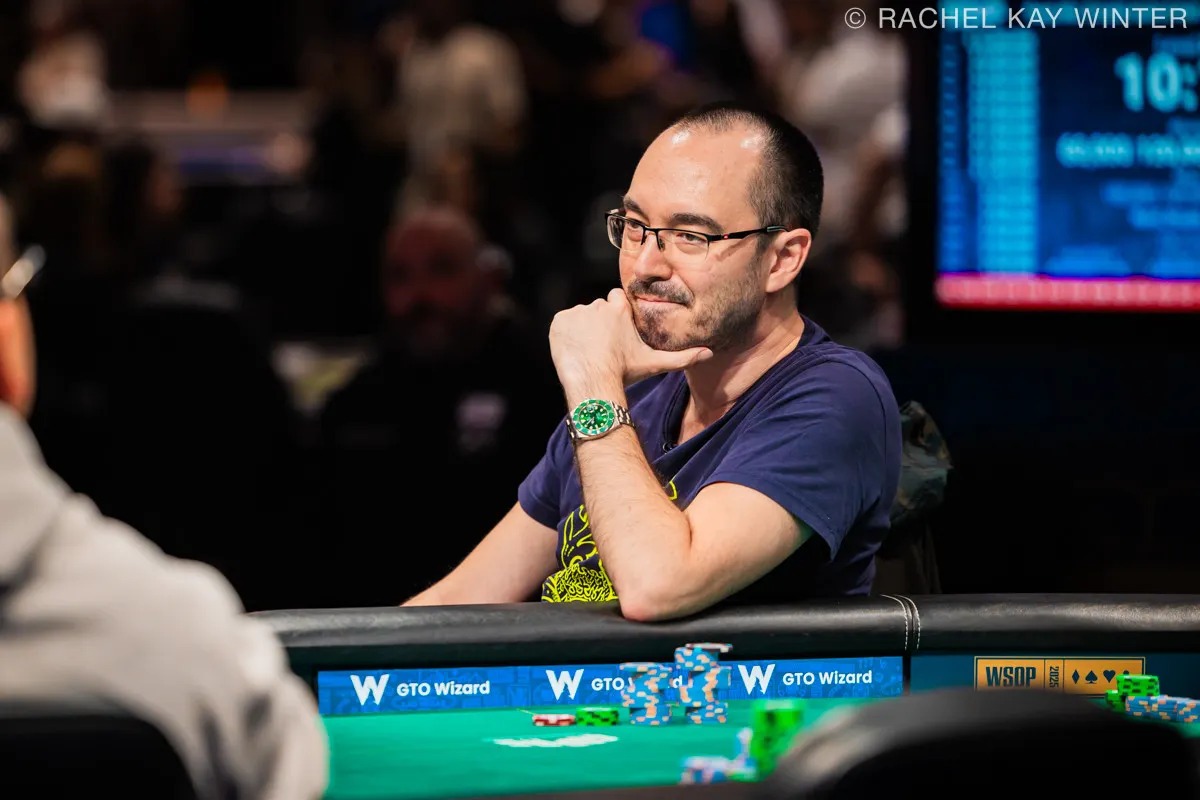
Photo: Rachel Kay Winter
The whole saga culminated in a hand between Kassouf and Griffin Benger, who lost his patience and directed the now-famous words at the Brit: «You're an abusive person. Check your privilege». That hand, incidentally, was won by Benger with A♠️A♣️ against Kassouf's K♠️K♣️. The Brit finished in 17th place and earned $338,288. Thanks to the ESPN broadcast, the problem of slow play became the subject of widespread public attention for the first time.
It's worth noting that in 2025, Kassouf played in the same style. His opponents called the clock on the Brit 23 times, and he ultimately busted out in 33rd place amid a scandal. Bracelet winner Isaac Haxton also made headlines for stalling in pursuit of a pay jump, deliberating for around six minutes to move up from 99th to 98th place. In the end, his table neighbour Yuchen Chen called the clock on him, and Haxton was eliminated in 99th place after losing the hand.
The introduction and evolution of shot clocks
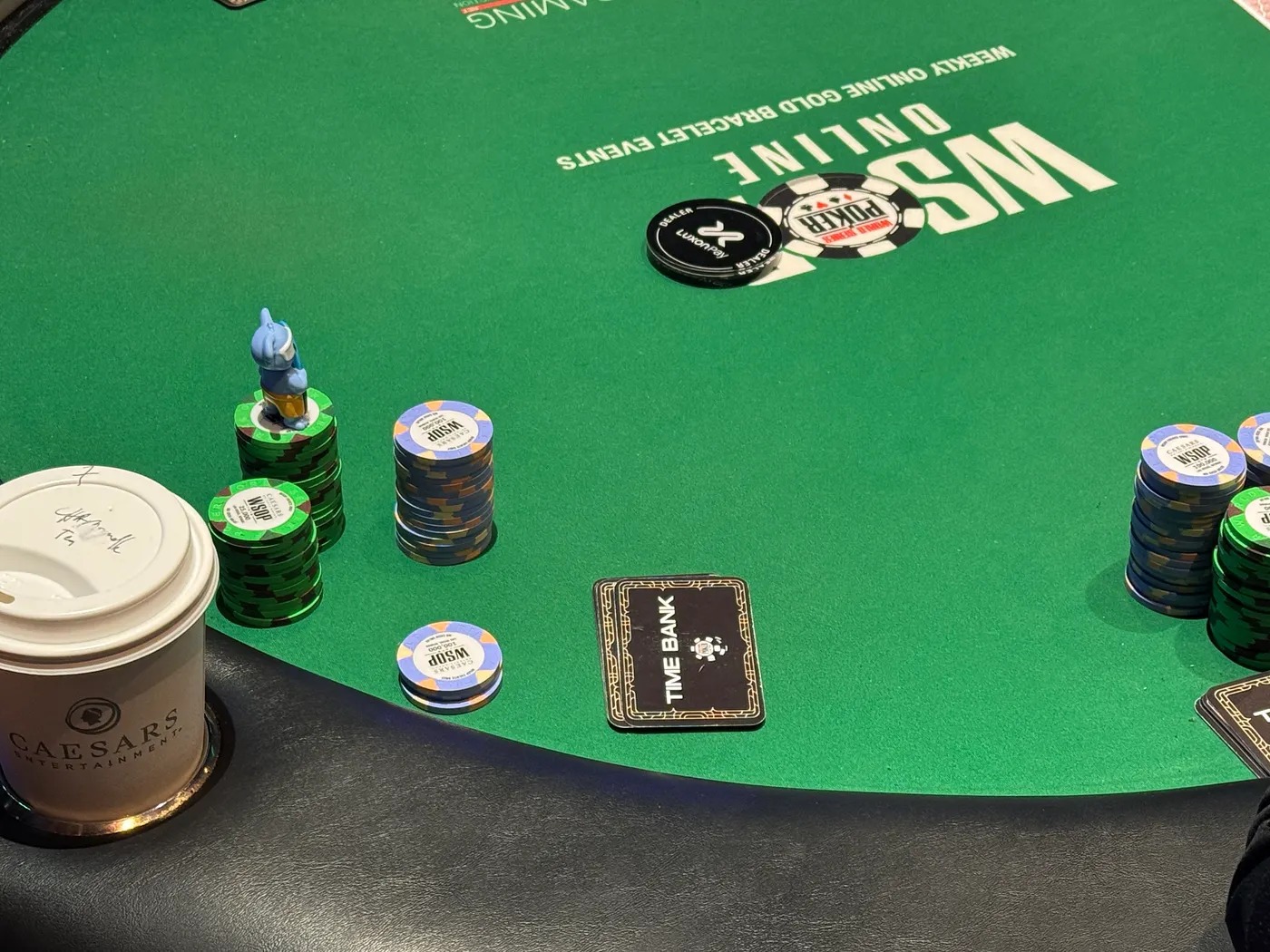
Photo: PokerNews
The first systems limiting decision-making time appeared a year before Kassouf's performance at the WSOP Main Event. In 2015, they were used at the British club Dusk Till Dawn and at the Super High Roller Bowl with a $50,000 buy-in.
A room in Nottingham decided to introduce shot clocks in regular live tournaments. Responsibility for timekeeping rested entirely on the dealer, who counted down 20 seconds after each turn passed. If a player failed to make a decision, a single 60-second time bank was automatically activated, after which the hand was declared dead if no action was taken. Poker players supported this innovation, and tournaments at Dusk Till Dawn began running faster.
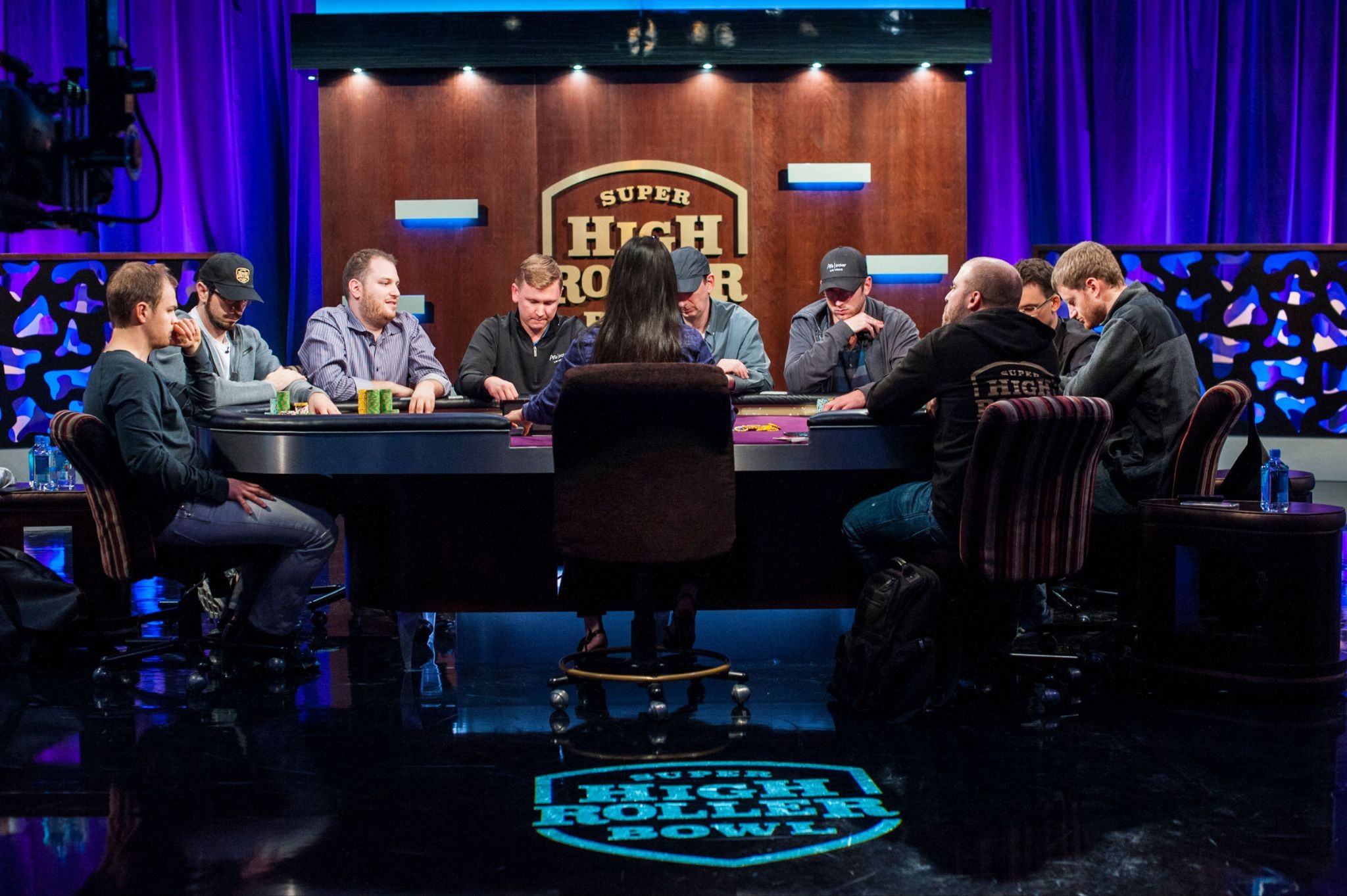
Photo: PokerNews
The Super High Roller Bowl in Las Vegas offered a more advanced format. Players had a minute for each decision plus three 60-second time banks, after using which up they could not exceed the set limit. In 2016, the rules at the SHRB were tightened slightly — 40 seconds per decision and five one-minute time banks.
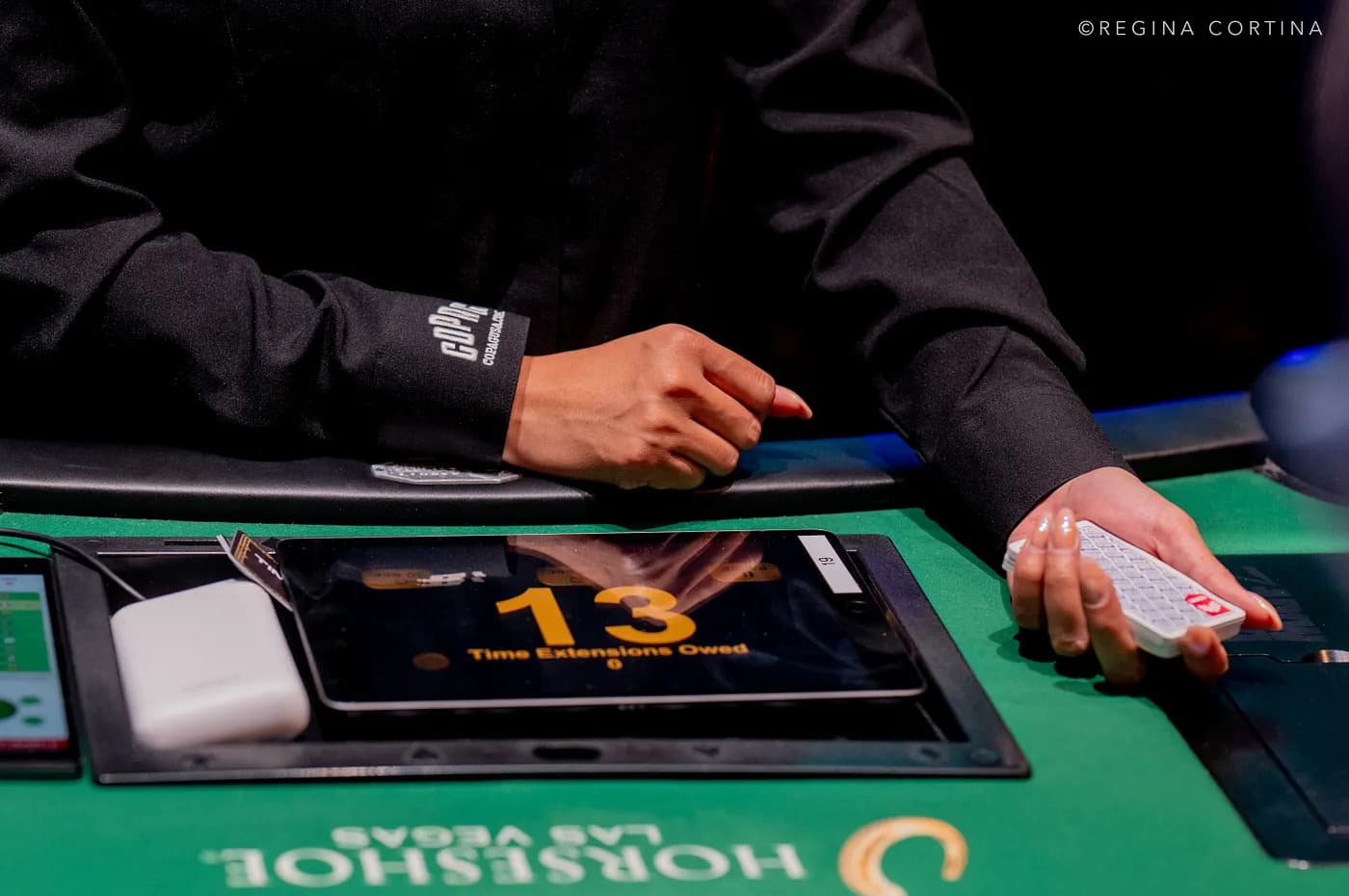
Over the following 2-3 years, all major poker series adopted the Super High Roller Bowl system with minor changes. In 2017, the World Poker Tour presented the "Action Clock" at all main tour events. This mechanic is introduced one level before the bubble and remains in effect until the end of the event. In its latest variation, it limits decision time to 15 seconds preflop and 30 seconds postflop, and also allows players to use 30-second time banks.
The WSOP introduced shot clocks in its high roller tournaments in 2018. However, they only apply to 12 events out of 100, while in the rest the World Series still does not use automatic time counting. In the vast majority of events, poker players regulate the pace of play themselves.
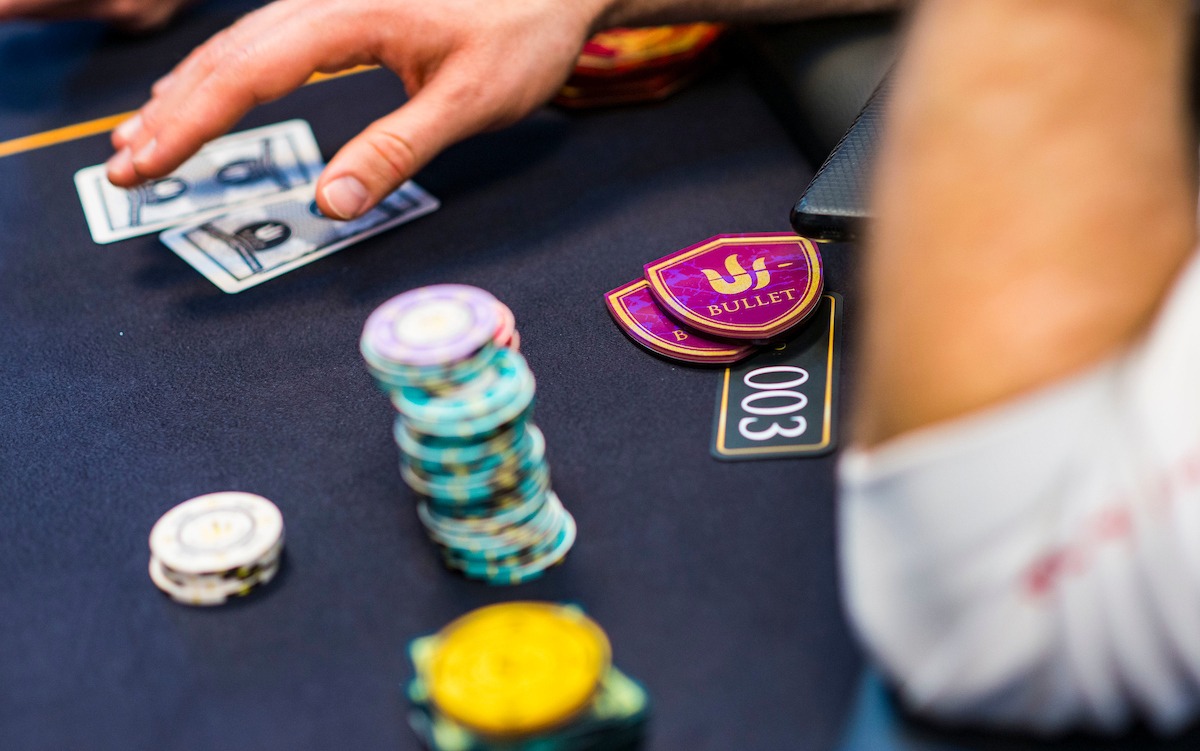
Photo: Triton Poker Series
Triton Poker can be called the flagship when it comes to shot clocks. The series was created in 2016 and, some time later, introduced a system similar to the one used by the PokerGO Tour. Players were given roughly 20 seconds to decide preflop and 25-30 seconds postflop, and also had the option to use time bank cards.
Although this concept was not new, Triton took a more disciplined approach to timekeeping. The organisers aimed to ensure the timer started automatically, players did not abuse time banks, dealers worked as consistently as possible, and spectators could see the players' remaining time on screen.
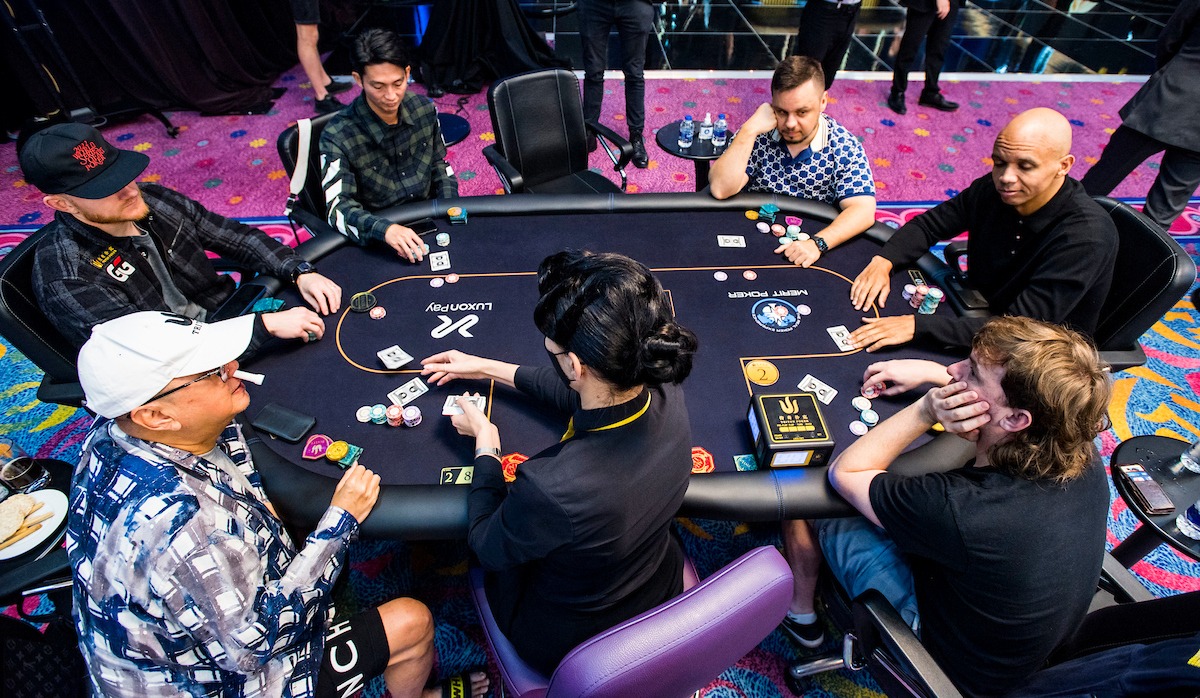
Photo: Triton Poker Series
In March 2026, Triton took shot clocks to a new level, introducing the Triton Tempo system. The series did away with time bank cards, and players instead received a single personal time reserve for the entire tournament, from which the seconds used were deducted automatically. After the late registration closed and before the final table, poker players received an additional 100 seconds added to their bank. A fixed amount of time is still allotted for each action.
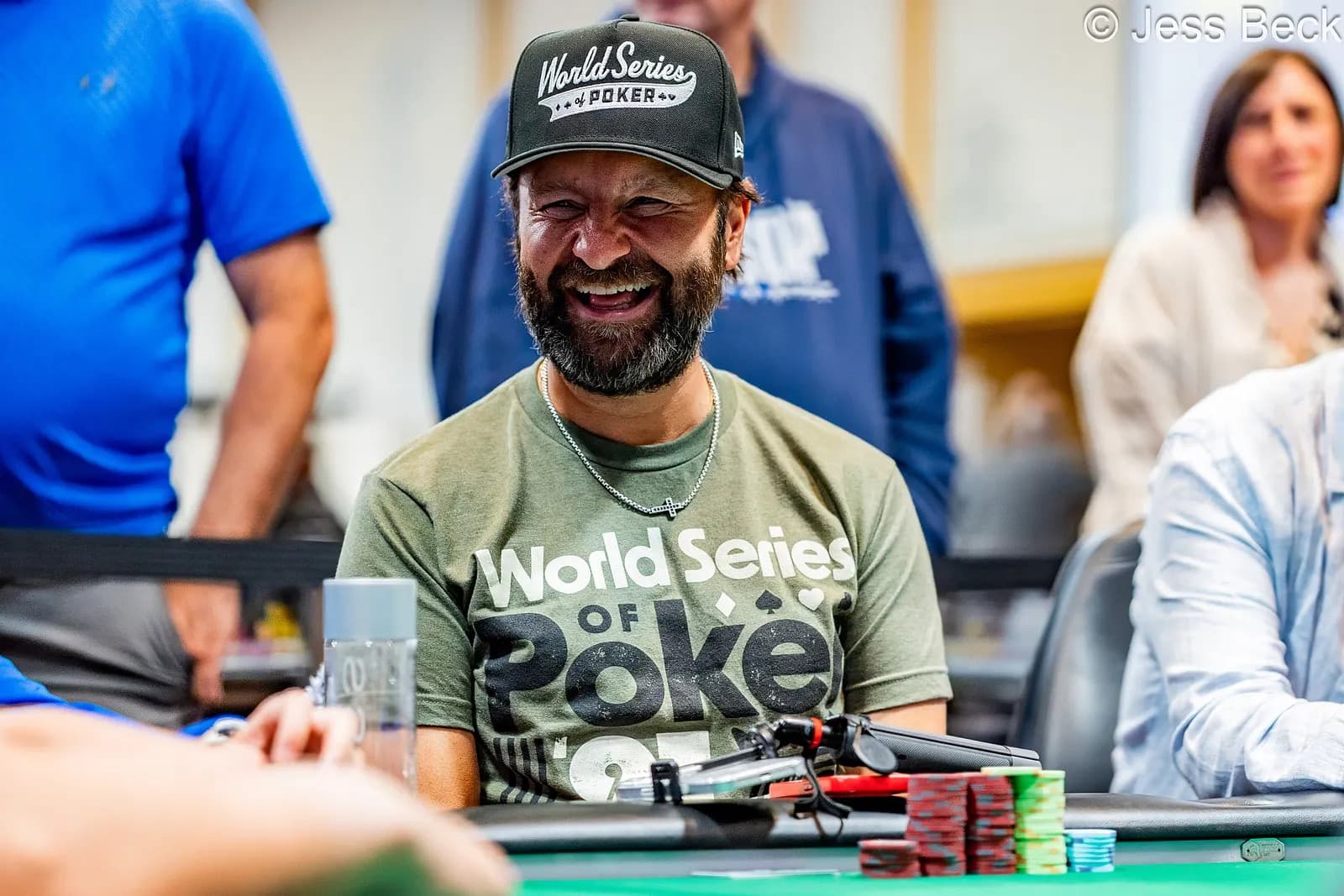
Thanks to this mechanic, fast players can save up more time for the decisive stages of tournaments, while slow-play enthusiasts soon find themselves under pressure from the clock, forcing them to act more actively. A vocal supporter of shot clocks, Daniel Negreanu, praised Triton for the innovation and called it a game changer.
Will the WSOP change its approach to timekeeping?
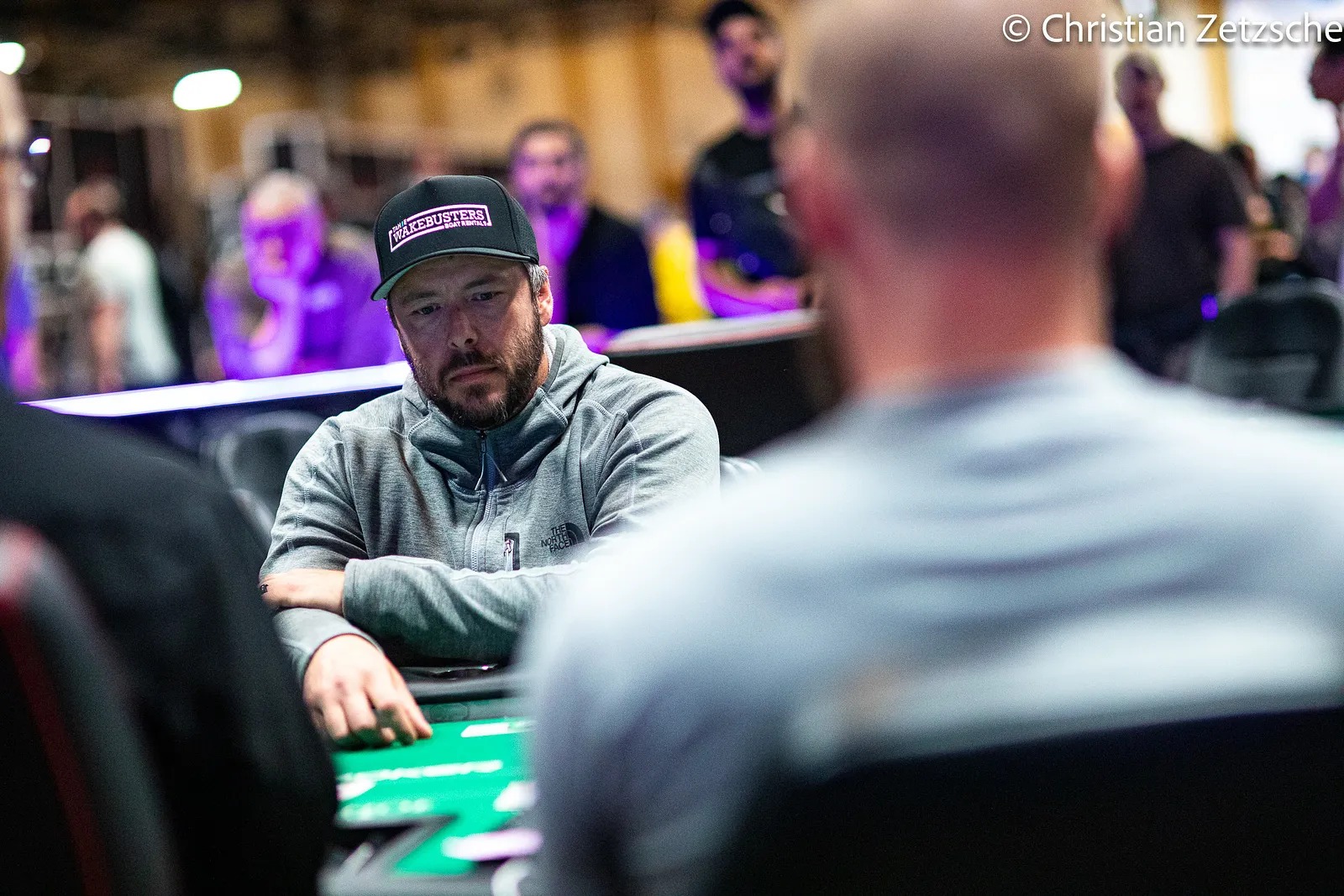
Photo: Christian Zetzsche
The World Series organisers have already reacted to Loren Klein's insanely long tank. The four-time champion himself gained no benefit from it, ingloriously busting in 72nd place without squeezing out a pay jump. As for the WSOP, it introduced shot clocks starting with the very first hands the following day.
However, not everyone was pleased with this decision. Two-time bracelet winner Chris Brewer wrote on his X account:
"The Main Event structure at the WSOP is now completely different. It's like turning the World Chess Championship from classical into blitz. Just a terrible, deeply unfair decision for all the amateurs who are still in the field."
WSOP and EPT winner Galen Hall pointed out the poor timing of the decision:
"I'm definitely in favour of a shot clock in the Main Event (and switching to 8-max as soon as possible), but adding it in the middle of the tournament is insane."
Nine-time WSOP champion Shaun Deeb reacted more calmly and even claimed that amateurs benefit from this decision:
"The shot clock is a necessary evil at this stage of the tournament because players were abusing time delays. Pros think longer and tank more often than amateurs. I think it's better for the amateurs, because the regs won't be able to mull over a decision for 7 minutes."

Photo: PokerOrg
It is not yet known whether the shot clock will be in effect at the final table. We'll find out the answer to that question on 3 August, when the 9-max starts. However, this first-ever introduction of an automatic time clock in the Main Event may signal the WSOP's readiness to fight slow play more actively.
Read next
# The Story of Fedor Holz: From Prodigy to Elite High Roller

Britney Jing accused of failing to repay an $18,000 debt
Daniel Negreanu made his third WSOP Online final table in a week