RFID system in poker — a loophole for cheaters?
RFID sensors are indispensable devices in modern poker broadcasts. However, leading players are once again concerned about its security. Let's look into the possible risks.

The RFID sensor system has been used in poker broadcasts for over a decade now, helping viewers get a glimpse of players' hole cards. It once found itself at the center of a major cheating scandal, and at the 2026 World Series a dispute around it was sparked by Martin Kabrhel and Sam Soverel. We'll explain how this technology works, and whether it can provide an unfair advantage at the table.
What is the RFID system and how did it come to poker?
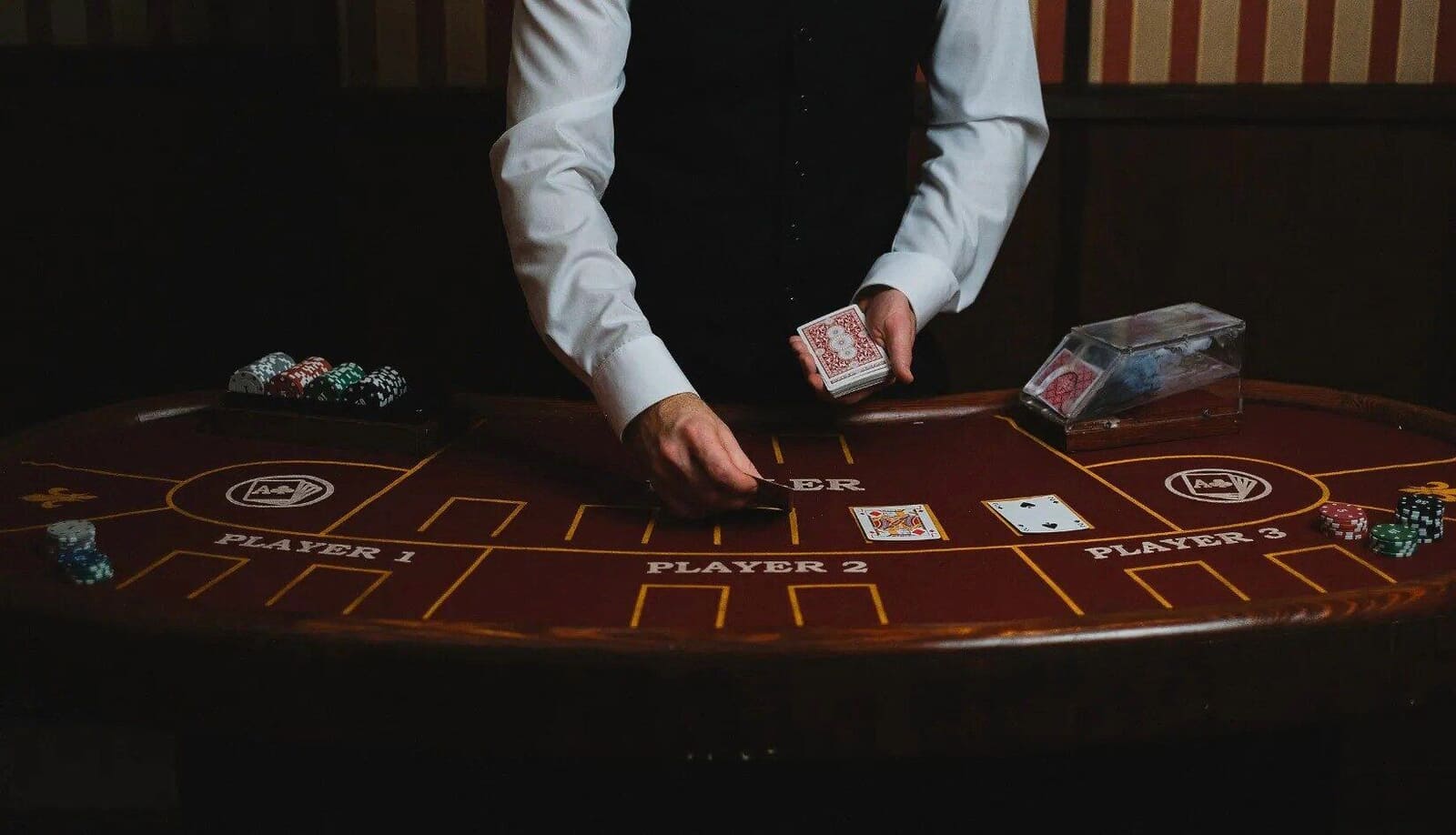
Photo: RFIDCard.com
RFID (Radio Frequency Identification) is a radio-frequency identification technology that enables contactless data transmission via radio waves. It's believed to be based on the principles of the "friend or foe" identification system developed back in 1937. The modern radio-frequency identification system itself was patented by Charles Walton in 1983. Various versions of this technology are used in retail, logistics, and toll roads.
RFID works thanks to special tags and readers that receive an identification code from these tags. Such a system can recognize data even at a distance of several meters or through obstacles, which has also found application in poker. Under the felt of poker tables are a reader and antennas covering the zones near each seat. Inside the cards and chips are microchips with a unique code. It takes the antennas only 50-120 milliseconds to read the data from a card and send it to the local system, from where it's then taken for the broadcast.
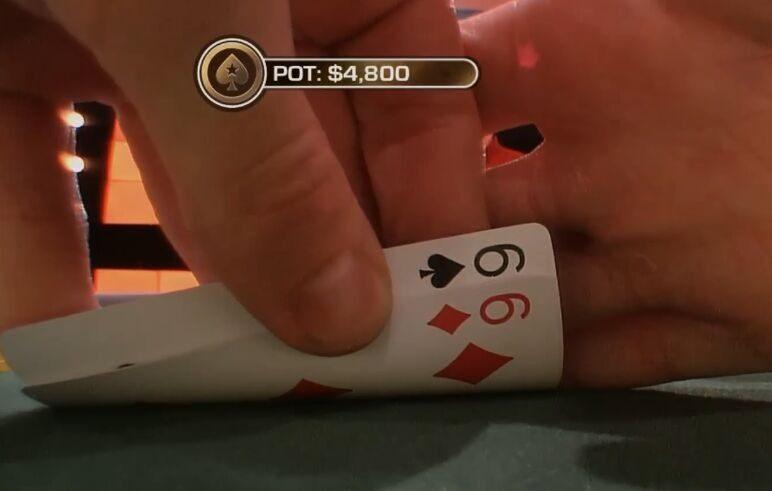
Photo: frame from the Big Game show broadcast
Tables with RFID sensors began to be used in poker in the early 2010s and quickly became the standard for top broadcasts. They replaced the miniature cameras invented by toy creator and avid poker player Henry Orenstein. These cameras were first used on the Late Night Poker show in 1999 and sparked a boom of interest in poker. Note that viewers always see the broadcast with a delay, so that the shown hole cards can't influence the course of the hand.
The dispute between Kabrhel and Soverel

Photo: Jess Beck
Discussion around the RFID system flared up after a controversial hand occurred between Martin Kabrhel and Sam Soverel at the World Series $100,000 High Roller tournament. Moreover, the matter didn't concern cheating or the cards themselves, but rather where the cards should be located.
Soverel refused to place his cards on the reader until the hand was over. The four-time WSOP champion explained that the rules require the data from the cards to be obtained before the hand ends. However, there's no technical need to scan them right at the beginning. Kabrhel was unhappy with his opponent's actions and called the floor. But the casino staff confirmed that Soverel has the right to scan his cards at the end of the hand.
Kabrhel and Soverel's dispute
Alex Foxen, holder of four bracelets, also shared his opinion on the use of RFID sensors while at the table. The American regular sided with Soverel: "I don't think you can force him [to scan the cards]. The main thing is that the cards end up being scanned. He just wants to wait until the end of the hand. To me that seems reasonable." When Kabrhel made a pointed remark about special conditions for Soverel, Foxen replied that any player has that right.
Nick Schulman later joined the discussion of the incident. The Poker Hall of Famer also expressed support for Soverel on his X account and noted the openness of the WSOP organizers in the situation regarding possible cheating.
"I want to say that I have a lot of respect for how Soverel handled himself last night. I also want to give credit to the WSOP for publishing this episode. Most organizers start getting nervous at the mere mention of cheating and prefer to sweep everything under the rug. I think their decision not to hide what happened, but to openly share the footage, speaks to their integrity. This is the biggest threat to the game we love, so it's nice to see it being taken seriously."
Should the RFID system be abandoned?
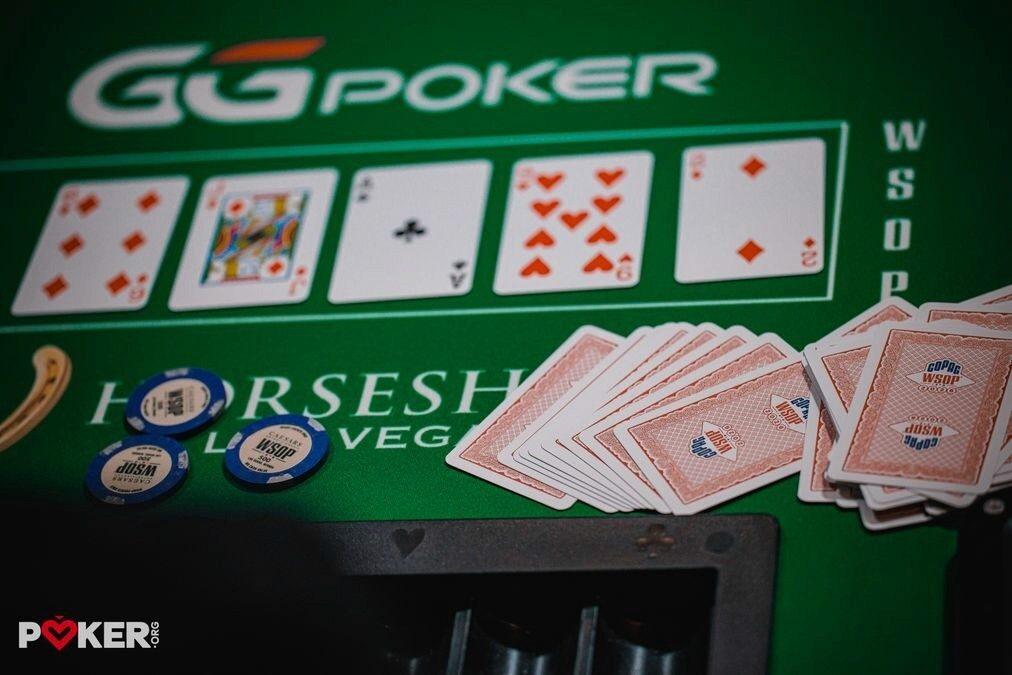
Photo: PokerOrg
World Poker Tour and WSOP champion Joao Vieira, discussing the Kabrhel-Soverel dispute, ruled out the possibility of cheating on the American's part. Moreover, the French professional, who also has extensive experience in poker broadcast production, proposed several changes that need to be implemented in the streams.
First, all poker organizations should make sure that dealers don't throw cards to players, but instead slide them across the felt of the table. This should prevent the use of miniature hidden cameras that, with the help of AI software, could read the cards as they're being thrown to a player.
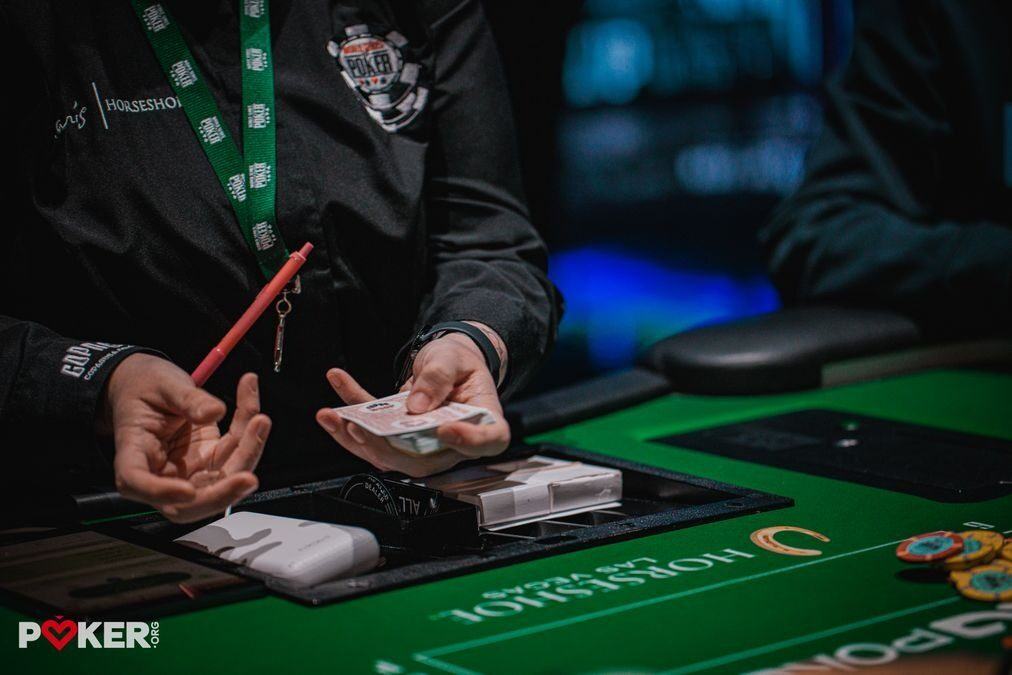
Photo: PokerOrg
Second, before each street the dealer should shuffle the cards instead of the standard cut check. This approach would provide additional protection against a potential hack of the shuffle machines. These devices store information about the exact arrangement of the cards in the deck, and stealing this information could help determine who will get the winning combination preflop.
And, most importantly, Vieira advocates abandoning RFID sensors and returning to the old system with individual cameras for showing hole cards. In the French poker player's opinion, the existing technology isn't protected against hacking, and information about the cards should only become available after the hand is finished.
— "After each hand is finished, the player would show their cards to a personal camera. As a result, viewers would continue to see the hole cards in the broadcast exactly as they do now, but no person and no program would be able to access this information in real time during play."

Photo: PokerOrg
Professional player and commentator Derek Kwan has also expressed doubt about the necessity of using radio-frequency identification. However, he doesn't advocate a return to cameras, but believes that modern computer technology can determine the hole cards.
— "We've already reached the level where RFID is no longer necessary, since computer vision systems are capable of recognizing almost anything... Yes, production still remains a potential weak link, but it's enough to implement new security procedures, ban electronic devices at the table, and adopt a number of other measures to preserve the integrity of the game."
Postlegate: how the RFID system was involved in a major cheating story

Photo: WPT Enterprises
One of the biggest scandals in poker broke out in 2019. Mike Postle earned about $250,000 over the course of a year in low-stakes cash games at Stones Gambling Hall casino. He amazed viewers and broadcast commentators with incredible hero calls, extremely non-obvious folds, and raises with the thinnest of value. A feature of the Stones Live streams was the use of cards with RFID sensors, which transmitted card data to the production team and commentators.
Veronica Brill watched Postle's fantastic run as an opponent and commentator. She suspected something was wrong and, back in March 2019, told her suspicions to Stones Live broadcast director Justin Kuraitis, but he ignored her message. Brill continued monitoring Postle's play and publicly accused him of cheating in September 2019. The poker player backed up her words with an 18-minute video showing the cash game player's suspicious actions.
Professional player and poker blogger Joey Ingram, as well as a huge audience of enthusiasts that became known as the "Legion," joined the investigation. They studied the stream footage and concluded that Postle got access to his opponents' hole cards using a phone he hid on his lap.
According to coach Matt Berkey's theory, Postle used simple URL extraction software and a standard player to see his opponents' cards and the probability of winning the hand in real time. The coach conducted experiments with RFID technology and got the same blue screen that was visible on Postle's phone in the streams.
In addition, it was suggested that Postle had an accomplice who was part of the broadcast technical team. This person had access to the inner workings of the RFID system and passed the data to the poker player. However, the accomplice's identity remained unknown.

Photo: InkedIn
In October 2019, 24 players filed a $30,000,000 class-action lawsuit against Postle, Kuraitis, and Stones Gambling Hall. The number of plaintiffs later grew to 88 people. However, in the summer of 2020 the court sided with the defense and closed the case. Moreover, in Postle's case it was closed with prejudice, barring re-filing. The plaintiffs continued to sue the poker room for a refund of the rake paid, but then 60 of them agreed to a settlement. Veronica Brill refused to settle with the defendants.
Mike Postle later filed a $330,000,000 countersuit against notable poker players and media, including Brill, Daniel Negreanu, Phil Galfond, and ESPN, accusing them of defamation. In June 2021 he withdrew this lawsuit himself. And in January 2022, a confidential agreement appeared in Postle's bankruptcy filings that closed the last remaining lawsuit connected to the Stones Live scandal. The player was never found guilty of cheating and never paid anything to the affected opponents.
What is the main vulnerability of the RFID system?

Photo: PokerOrg
Manufacturers of radio-frequency identification technology claim they have a high level of protection. Card data is stored with read and write protection, and only the computer built into the table has direct access to it. In addition, these systems use encryption and authentication of communication between the tags in the cards and the readers to prevent interception or spoofing of the signal. Additional protective mechanisms monitor for possible anomalies that flag suspicious activity in the system.
Theoretically, it's possible to hack the RFID system, since no technology is 100% protected against this. But the main risk, as follows from Postle's story and Vieira's concerns, lies in the human factor. Broadcast team staff may have real-time card data and could collude with one of the players.
However, going back to the Kabrhel-Soverel dispute, there were no grounds in that situation to suspect the American of gaining such an unfair advantage. Perhaps Martin Kabrhel showed extreme vigilance in a situation where a big win was at stake. But it's also possible that the Czech regular, as is his habit, was trying to get under his opponent's skin or simply draw attention to himself.
Read next

Renan Bruschi moved into sixth place all-time in WCOOP titles, while IgammilI€120 became a 7-time champion of the series

# Phil Ivey: Biography, Winnings, and Playing Style

Veldhuis Ran Over Two Opponents on the River with One Out