The Psychology of Rivalry: How Great Champions Use Poker to Test Their Character
Behind the scenes of the biggest arenas, many athletes carry their talents over to the poker table. Discover in this article why poker has become an extension of world champions' sporting mindset, and how their athletic skills help them read opponents.
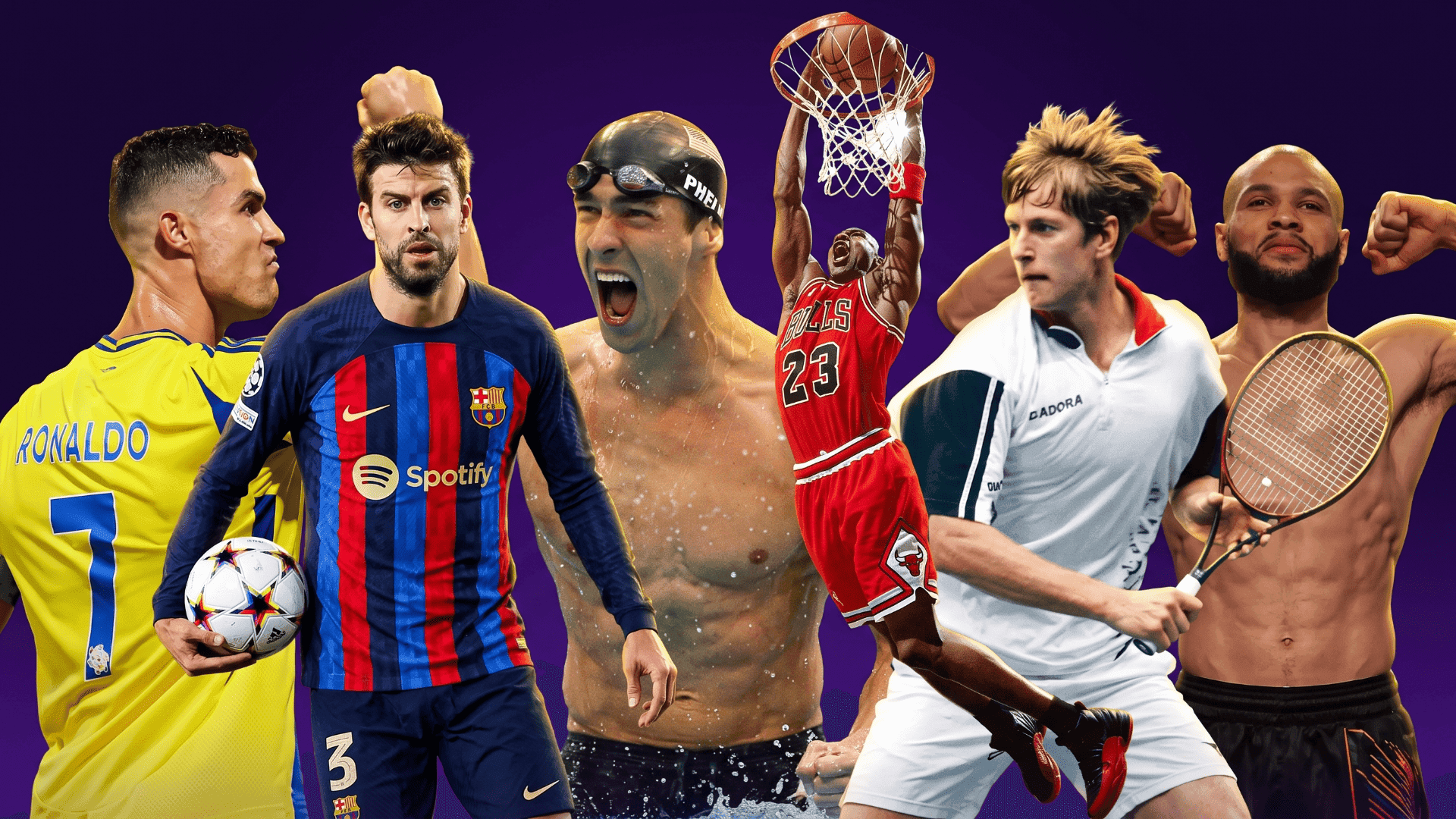
What do an NBA legend, the planet's best swimmer, an elite boxer and world football stars have in common? They all play poker. We explain how their sporting background helps them adapt to the poker community and why a winner's character works just as effectively on the stadium as it does at the poker table.

New breakdowns in your inbox
Subscribe to the FunFarm newsletter: fresh Poker ABC articles and material that helps you grow as a player.
Michael Jordan: a passion for winning and a challenge to Phil Hellmuth
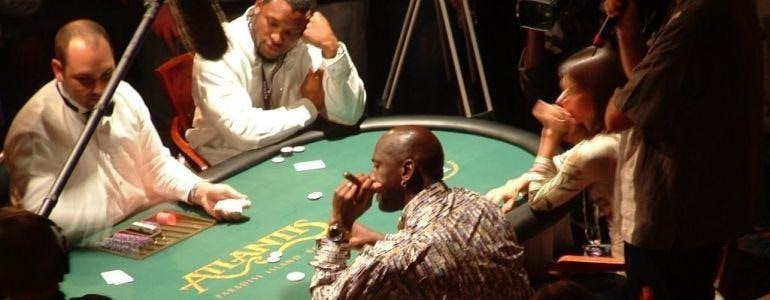
Michael Jordan never hid the fact that his main driving force was a maniacal desire to win at everything, from the basketball court to golf or a strip coin toss. Poker became, for His Airness, an extension of this philosophy.
"It's not a problem for me with cards, it's a need to win," Jordan succinctly summed up his approach.
In 1992, during the trial of underground game organiser Slim Bouler, the IRS obtained Jordan's personal cheque for $57,000. The basketball player had to admit under oath that this amount was a direct settlement for a poker loss incurred over a weekend. But money was the least of Michael's concerns — cards served as a tool for psychological pressure.
At the 1992 Olympics in Barcelona, the legendary US basketball team, nicknamed the Dream Team for its star-studded roster, played poker every night. NBA MVP Charles Barkley, who was part of that team, recalled that Jordan used his financial superiority as a weapon. He mercilessly attacked Scottie Pippen and Magic Johnson, putting mind-blowing sums on every hand, simply to mentally dominate his teammates and show who was in charge.
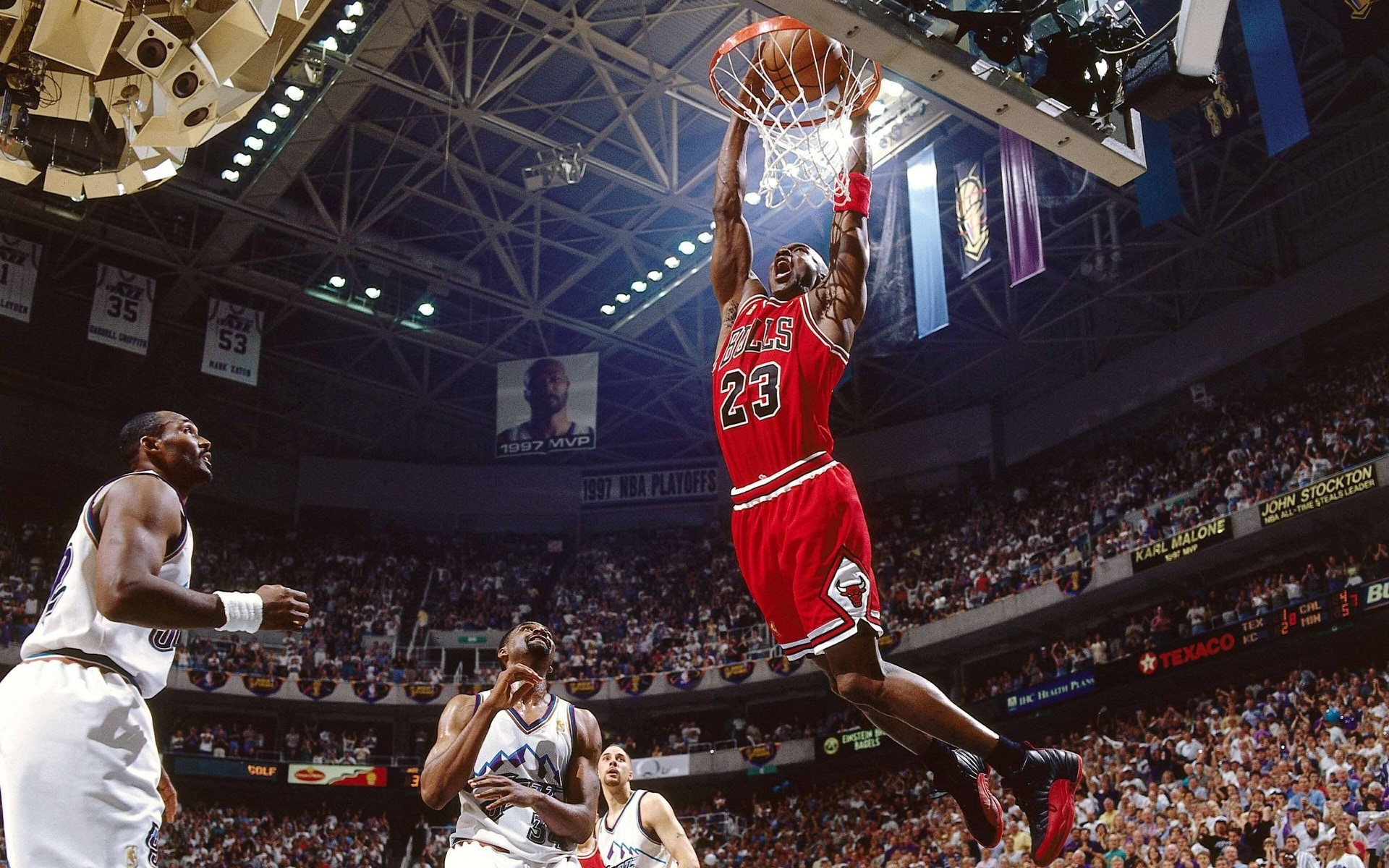
Jordan's psychological aura was so powerful that even professionals folded before it. Phil Hellmuth, holder of 17 WSOP bracelets, admitted that Michael once personally challenged him to a heads-up match at sky-high stakes. Hellmuth turned down the offer, something he still regrets to this day. Phil himself explained it as simply not having cash on hand at the time, though in poker circles it's still believed that the most decorated player on the planet simply got scared.
Cristiano Ronaldo in poker. Cold calculation and focus training
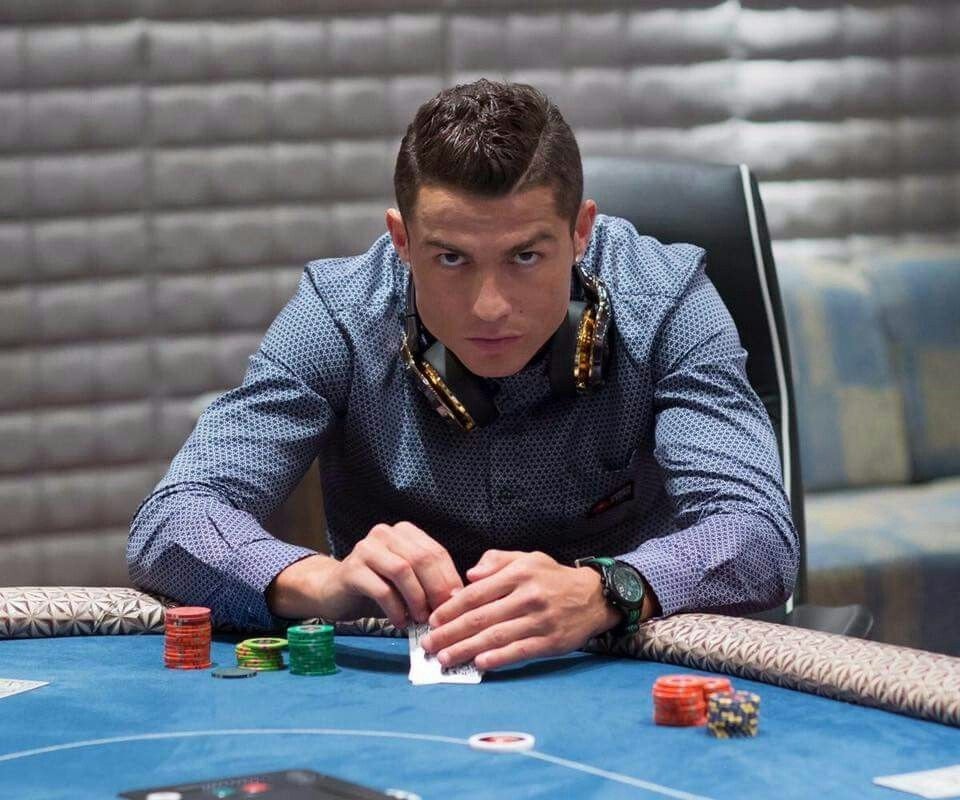
If Jordan sought domination at the table, Cristiano Ronaldo came to poker for concentration training. The Portuguese became hooked on hold'em back at the dawn of his career at Manchester United, and in 2015 he officially became the face of PokerStars, turning a hobby into a professional partnership.
"The ability to bluff, read your opponent's body language and get under their skin — that's what professional poker players do. But those exact same skills are necessary for me on the football pitch, when I go into a dribble and try to confuse the defender. Being good at one sport gives you huge advantages in another. At the poker table I feel the same rush of adrenaline and focus as I do on the football pitch. Having to make split-second decisions under pressure is something I absolutely love," Ronaldo admitted.
The footballer's genuine interest in cards is also confirmed by an old story from American high-roller Daniel "Jungleman" Cates. In 2010, Ronaldo contacted Cates via Skype. To test his skills in Pot-Limit Omaha, Cristiano proposed playing a heads-up match at the symbolic limit of $1/$2. Cates later described the game like this:
"We played mostly for fun. He likes poker and the thrill of it, but he plays smart. He got in touch with me, we chatted a bit and decided to play. I wasn't playing to win money off him, but it was pretty rough losing to him."
Read also:
Betting Formats in Poker: What's the Difference Between No-Limit, Pot-Limit and Fixed-Limit
In 2016, at the charity show PokerStars Duel, Ronaldo faced off in a heads-up match against Breaking Bad star Aaron Paul. While the actor reacted emotionally to every card, Ronaldo maintained an ice-cold expression. The Portuguese won the final hand, and the entire prize pool of the match, £15,000, was donated to charity.
Ronaldo's public poker career ended along with his advertising obligations, and the footballer no longer appears at open live series.
Those close to the athlete confirm that Cristiano continues to play poker regularly among a close circle of friends, using cards as a way to mentally unwind from football.
Learning at FunFarm, from any level
Boxer Chris Eubank Jr. Trash talk and psychological pressure at the table
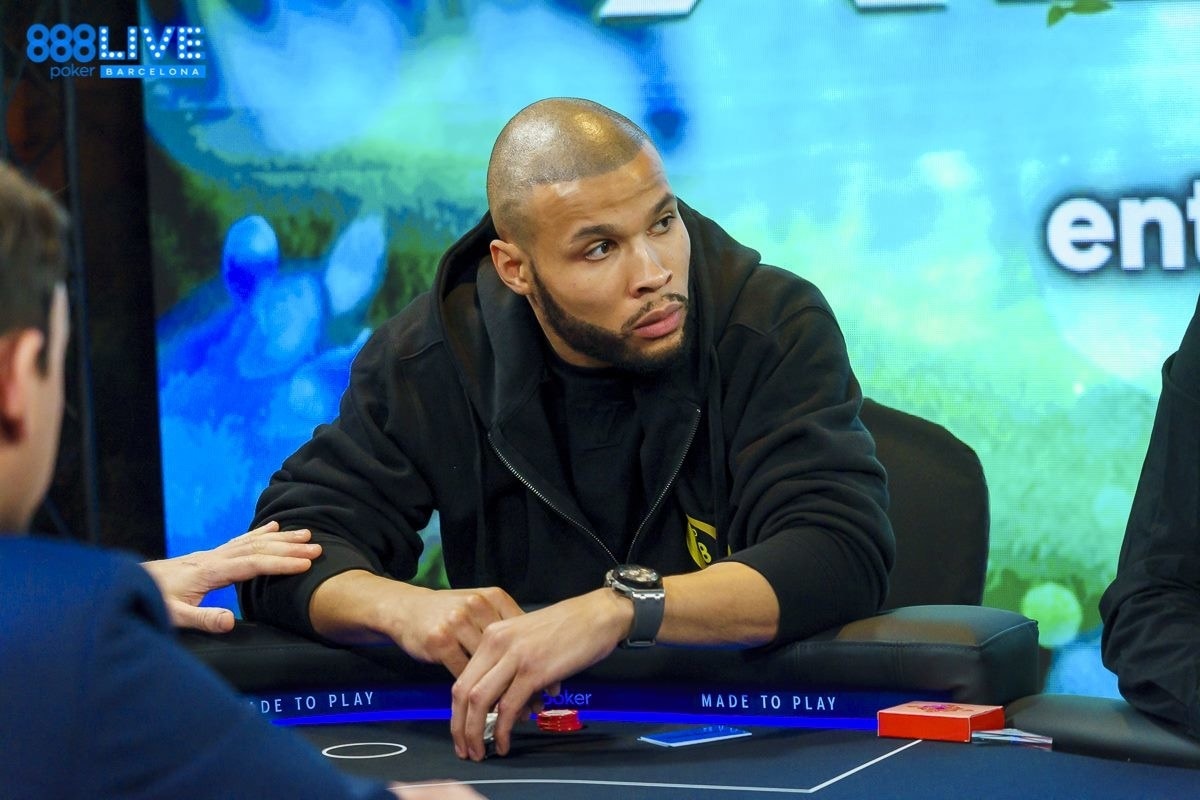
British boxer Chris Eubank Jr is used to settling matters in the ring, face-to-face with danger. At the poker table, he uses similar tactics, trying to put psychological pressure on his opponents.
At the start of 2025, a major media scandal erupted around his poker hobby. During a pre-fight press conference, his ring rival Conor Benn publicly claimed that Eubank had agreed to the fight purely for the money, having lost $5,000,000 to footballer Neymar in private high-stakes sessions. The news instantly spread through the world's sports media. Some time later, at the EPT Monte-Carlo, Eubank denied the rumours about the debt, but confirmed that he does indeed regularly play with the Brazilian striker at very high stakes.
Eubank's playing style is built on psychological pressure. He often uses an intense «eyes-to-eyes» stare, forcing opponents to make difficult decisions. For the Briton, poker remains a test of mental endurance, where a big bet works in a similar way to a heavy punch in the ring.
«In the ring, you test a man with a punch, and at the table — with a huge all-in. I like to see whether an opponent is ready to go all the way, or whether he'll break and fold his cards».
Swimmer Michael Phelps: escaping depression and seeking a competitive adrenaline rush
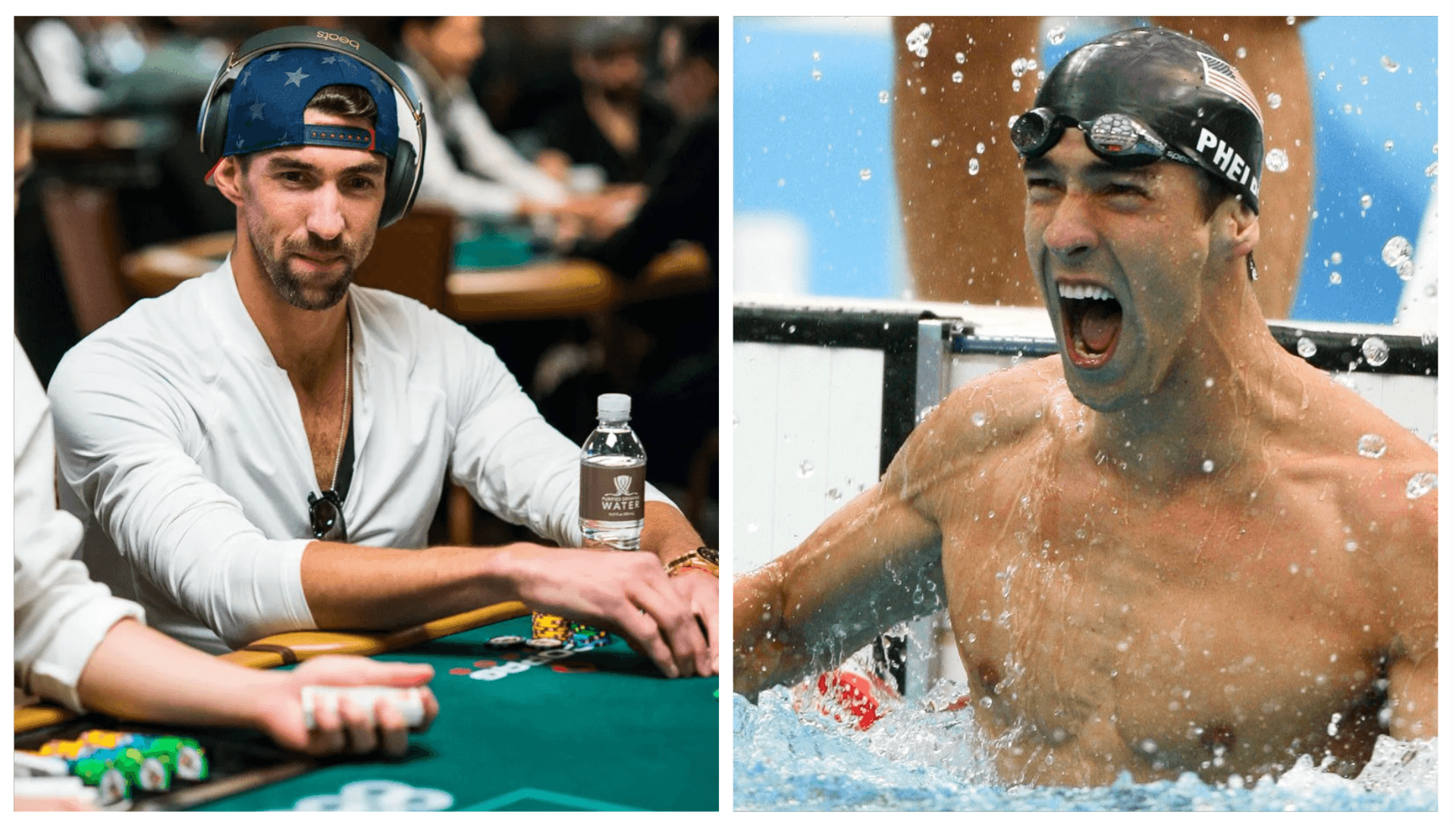
The most decorated Olympian in history, holder of 23 gold medals, Michael Phelps, after retiring from top-level sport in 2016, faced a problem common among great athletes — depression. When your body has spent years growing used to extreme doses of competitive adrenaline, ordinary life starts to feel empty. Poker became a genuine escape for Phelps.
«When you're standing on the starting block, you're alone against everyone. It's the same at the poker table. There's no team you can blame for a failure here. Everything depends solely on your own decisions and mental toughness». Poker brought back for Phelps that competitive fire that had accompanied him throughout his sporting career.
At the same time, Phelps, like Chris Eubank Jr, positions himself primarily as a cash game player. His results in open live tournaments have been sporadic. According to The Hendon Mob database, the total sum of his official winnings is $11,909. The swimmer's main poker achievements happen behind closed doors. The most famous confirmed result of his poker career remains a session at Caesars Palace casino in Las Vegas, where Phelps won more than $100,000 in one evening in a private cash game.

Gerard Piqué: high IQ and high-roller final tables
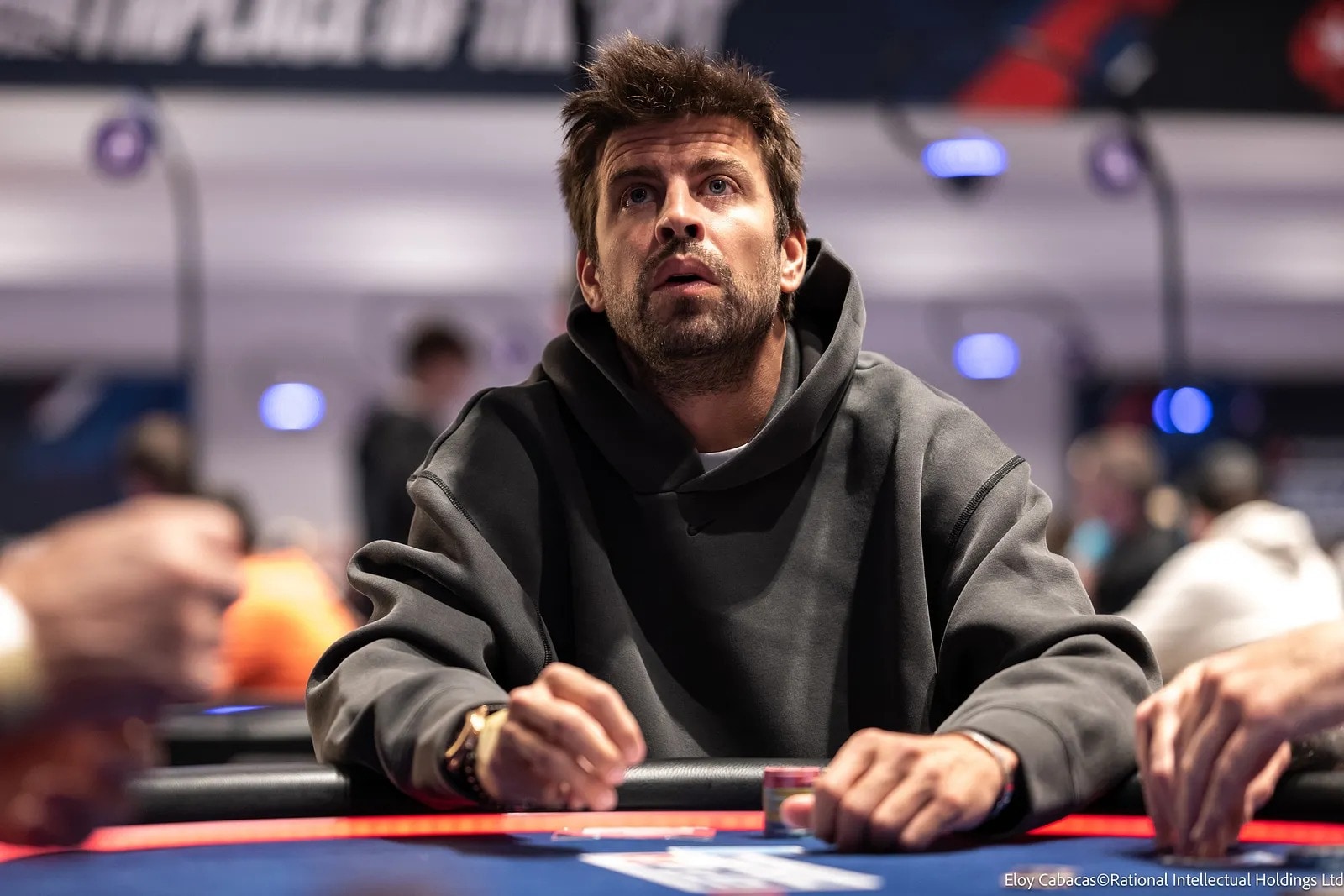
Former Barcelona defender Gerard Piqué has always stood out among his football colleagues for his high intelligence. For him, poker became a deep tactical process, in which he found a direct continuation of footballing strategy.
Piqué is the most successful footballer in the history of live poker. The total sum of his official winnings is $738,611. The footballer has several official EPT final tables to his name, and his biggest win amounts to €352,950 for second place. The defender secured this best cash at the home EPT Barcelona series in 2019, in a one-day high-roller event worth €25,000.
The footballer openly draws parallels between behaviour on the pitch and at the poker table, assessing actions through risk control at different positions:
«On the football pitch, you never know what will happen next, and it's exactly the same in poker. You may have your own strategy and a clear plan, but you don't know what your opponent's cards will be, and you have to adapt to every second. During a match, you have to make risky decisions. But on the pitch, you need to control that risk precisely. If you're a striker, you can afford a high level of risk — if you lose the ball, the whole team is behind you. But if you're a defender or a goalkeeper, the price of a mistake is critical, because losing the ball will lead to a conceded goal. In poker, everything works the same way — you have to assess risk every single second and weigh it against the potential reward».
Yevgeny Kafelnikov: from world number one to Main Event final tables of the World Series
A competitive character and competitive skills help not only Western champions adapt at the poker tables. The most striking example in the Russian-speaking community is Yevgeny Kafelnikov.
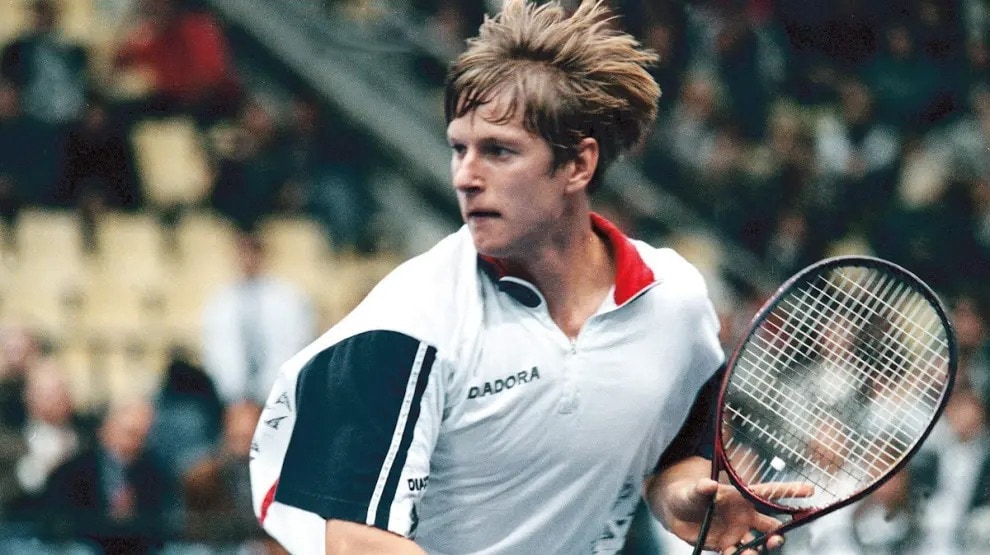
The former world number one and Olympic tennis champion threw himself headlong into poker right after ending his career in 2003.
According to The Hendon Mob database, the total sum of his winnings is $193,905. He secured his biggest win of $100,000 for third place at the Pacific Poker UK Open, and at the WSOP 2005 in Las Vegas, he managed to reach the final table of the $1,500 Seven Card Stud event, finishing in ninth place.
In August 2017, Poker Hall of Fame member Mike Sexton publicly challenged Kafelnikov to a heads-up duel as part of the MILLIONS Russia festival in Sochi. Yevgeny accepted the challenge, creating one of the loudest media precedents in the history of the Russian-speaking community.
The tennis player himself noted that poker demanded a complete overhaul of his thinking from him:
«Tennis is about the physics and geometry of the court, while poker is pure, cold mathematics».
Read also:
Sport in a poker player's life
Poker has long since become a professional discipline. For great champions, it has become a mirror of their character. These stories prove once again: composure, the ability to read an opponent, the readiness to take a hit, and the ability to sense the moment are equally effective both on sporting arenas and at the poker table.
Free course · FF Start
Reading about poker? Time to play
The free FF Start course: rules, positions and your first decisions at the table in one clear system.