How to regain confidence after a downswing and beat tilt
Every poker player suffers from bad luck from time to time. And the longer the streak, the harder it is to regain your former confidence in your own abilities. But there are still plenty of solutions to this problem.
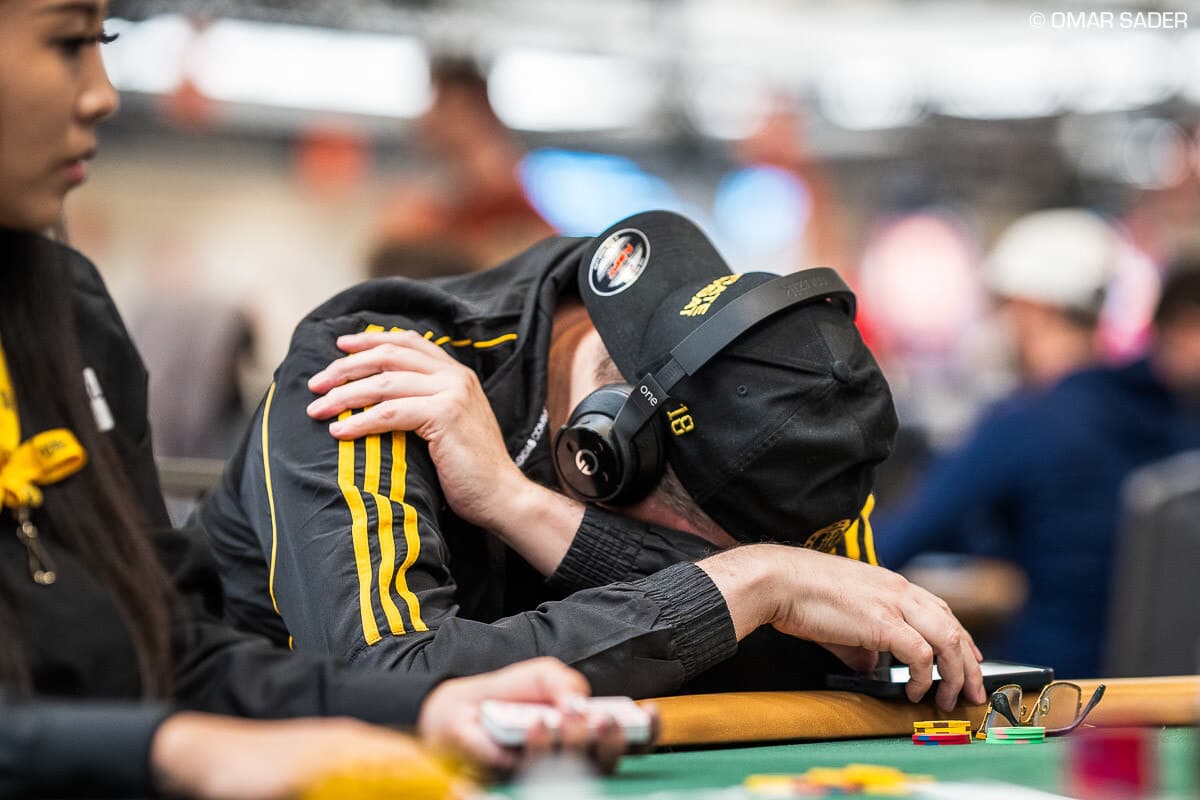

Tatiana develops mental support courses and leads a team of psychologists and mental coaches. Thanks to her attentiveness and professional approach, the school and fund have a mental care department that helps players maintain balance and stay resilient and motivated.
Psychological resilience in poker matters no less than technical skill. Yet at times staying calm and focused turns out to be even harder than correctly reading a spot at the table and making a decision. The toughest test of a player's psychology is a downswing — a losing streak. We've collected the stories of several regulars who shared their ways of coping with such episodes. And FunFarm's head psychologist Tatiana Barchukova helped us analyze their advice.
Before moving on to the players' cases themselves, we think it's important to note that downswings affect everyone differently. Some lose the motivation to come back to the tables, while others start ramping up their volume excessively. For some, bad beats bring up thoughts about the general unfairness of it all; others start doubting their own level.
With that in mind, it's worth remembering that there's no universal recipe for dealing with a downswing. Methods that work well for one person may turn out to be useless for another. That's why we've tried to look at the widest possible range of approaches and weighed up their pros and cons.

New breakdowns in your inbox
Subscribe to the FunFarm newsletter: fresh Poker ABC articles and material that helps you grow as a player.
From the peak to rock bottom
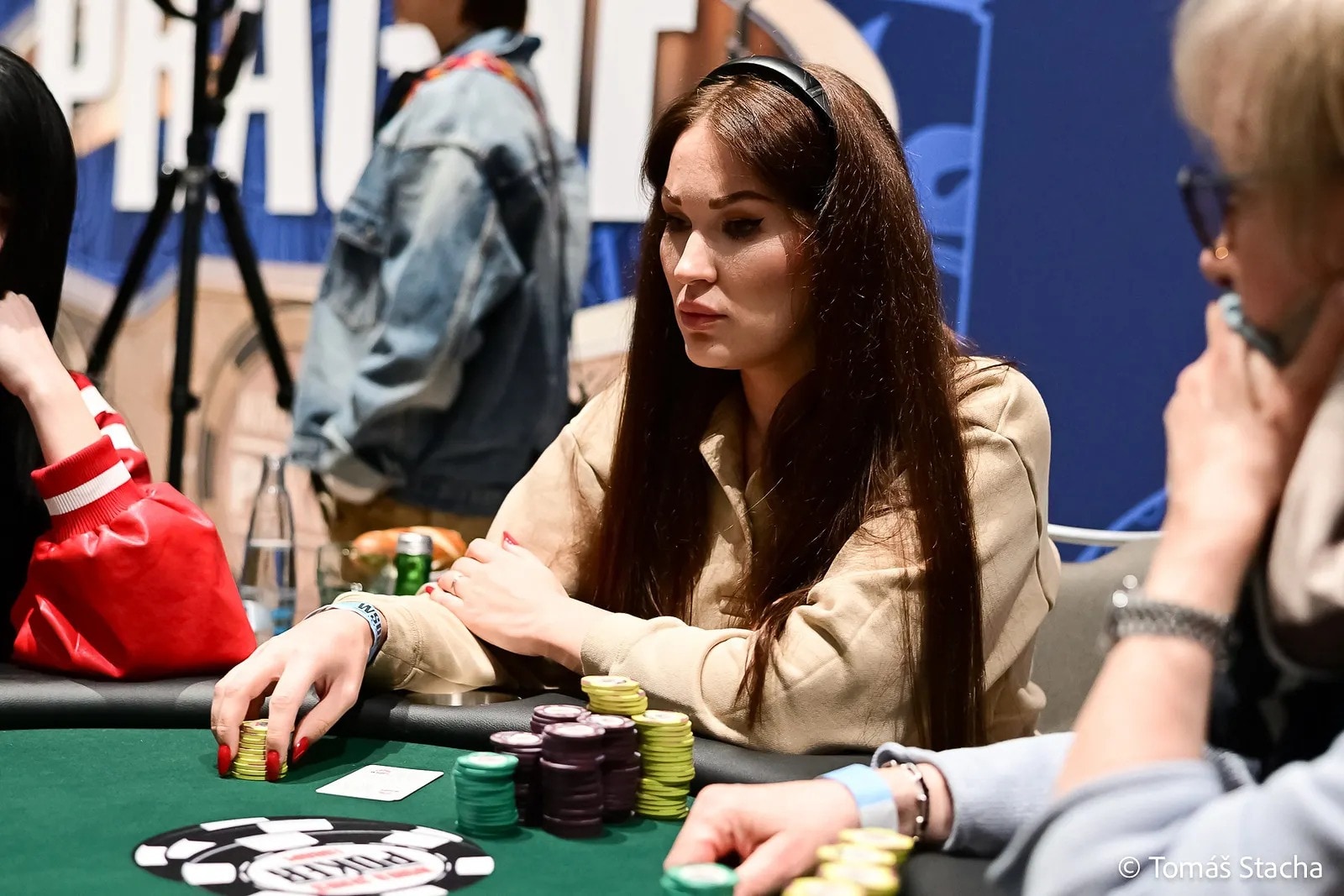
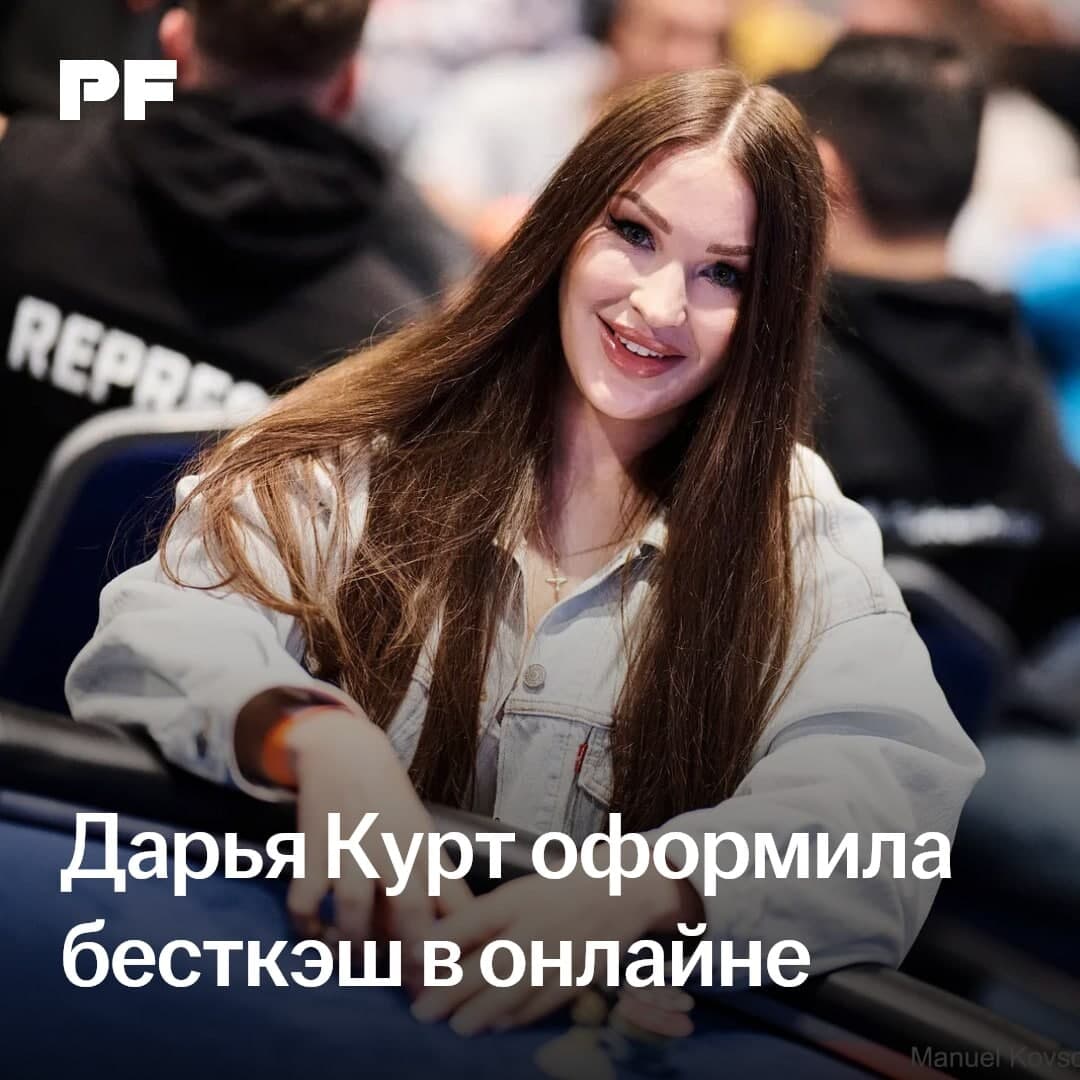
The most recent story of fighting a downswing in the Russian-speaking community was shared by Darya "Darya Kurt" Krashennikova. In her case the streak was especially painful, since it came right after a successful period.
This summer Krashennikova had a good run at the World Series in Las Vegas, where she booked five cashes totaling over $58,000. On top of that, she took home $69,685 for winning the $2,500 LIPS Ladies High Roller at the Venetian series. Those results, the player says, made her feel invincible.
Her return to online, however, was extremely tough. Over the first ten days of August she lost $10,000, but took it calmly. The psychological blow came with the losses that followed and with poor play, at what seemed like her usual volume. She finished the month with a winrate of 2 BB/100 and a $15,000 loss. Not a trace of that earlier feeling of invincibility remained:
"All my confidence evaporated; by the end of the month I felt awful. In 30 days I went from the peak of my career to rock bottom. I felt like a worm squashed into the dirt on the asphalt."
To cope with this downswing, Krashennikova changed her approach to the game. She cut down the number of tables, removed tournaments with huge fields from her schedule, and began adding individual work on her game alongside team sessions. Her average buy-in dropped from $65 to $50 because the major series had finished.

At the same time Darya worked on restoring her mental state. For that she took a break and stopped forcing herself to play in order to rebuild her bankroll. That kind of drive, on top of poor psychological form, only led to tilt and further losses.
Krashennikova was also able to soberly assess her level, which she had started doubting because of the downswing. After one of her followers asked about her winnings, she revealed that over the past three years she had earned $300,000. That made Darya realize she is in fact a solid regular, and that, too, may have had a positive effect on her winrate.
In addition, the player drew two more conclusions that were important for her. First, there's no need to fear being judged for mistakes, because other players don't pay attention to them. And second, downswings are inevitable; sooner or later they catch up with everyone.
The work on her mindset and the change in her approach to sessions paid off. In the end Krashennikova managed to overcome the downswing and bring her winrate up to 11 BB/100.
Tatiana Barchukova:
"A vivid example of a situation where self-assessment of one's own skill became tied to results. Practically every player evaluates themselves this way at the stage of first getting to know poker. As they gradually get deeper into the specifics of the profession, most learn to separate the quality of decisions from their outcomes. But no one is immune to the old self-assessment model resurfacing during emotionally significant periods.
For Darya this happened after a series of big wins in Vegas. Against a backdrop of intense emotions and success, the results became confirmation of her own exceptionalism. And when she returned to online and ran into a string of losses, the usual anchor of an objective assessment of her skills became less accessible. As a result, the outcomes started to be perceived not just as a bad run, but as evidence that she had lost her professional level.
Darya handled it very wisely: she noticed and stopped the automatic 'get the bankroll back at any cost' reaction. Because in that situation the price of chasing was measured not only in effort and time spent, but in the quality of the decisions she was making."
Starting from a new zero
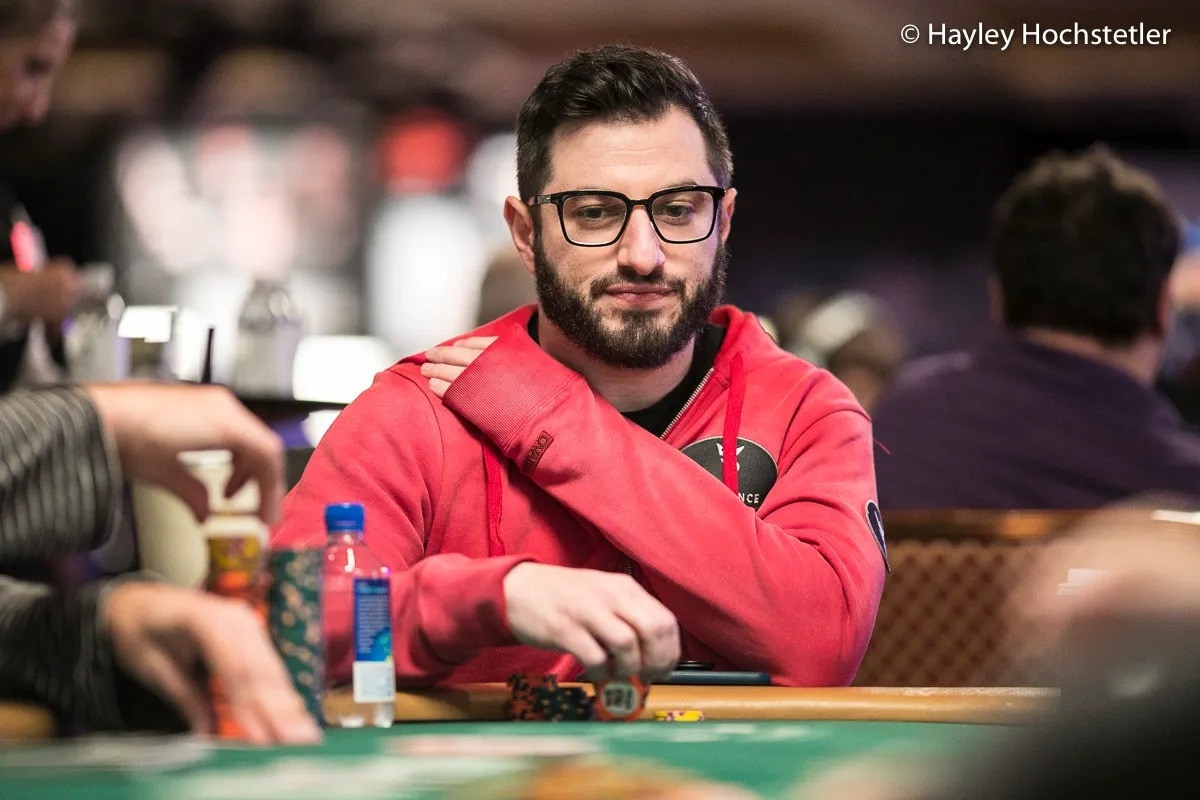
Three-time WSOP bracelet winner and well-known coach Phil Galfond is thoroughly familiar with brutal downswings. In 2011 he lost $2.5 million after deciding to learn 2-7 Triple Draw straight away at high stakes. One of his ways of dealing with drawdowns was borrowed from the financial world. He called it resetting the maximum, or resetting the "watermark."
In nature, watermarks on trees and rocks can be left by rivers after they flood and then return to their banks. For a long time they mark the highest point the water reached. Hedge funds use a similar term for the peak value of assets. And if it falls, the fund manager has to bring it back to that level.
Here's how Galfond described the way this principle works in poker:
"You sit down to play, win $1,200, and then lose $1,000 of it back. In the end you're not only up $200 for the session, you're also $1,000 below your peak result. In my view, the most important thing in fighting a downswing is to reset that high-water mark."
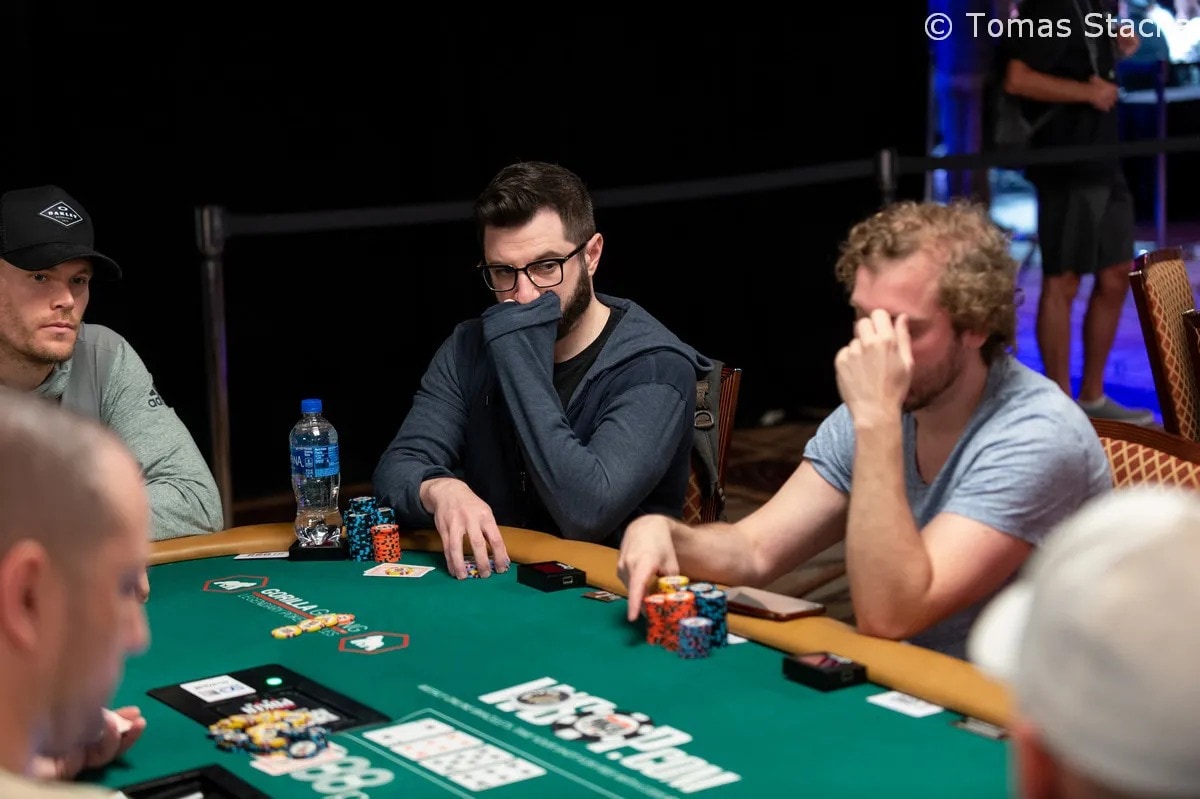
Why is such a reset necessary? In Galfond's opinion, climbing out of a hole is emotionally hard and doesn't generate any enthusiasm. The brain doesn't reward us for going from -$60,000 to -$18,000 nearly as much as it does for reaching a new positive high.
This is where the reset helps. Your current bankroll at a certain point in the downswing becomes the new zero, the new point of reference. And now the mark that used to mean -$18,000 shows a profit of $42,000.
That said, it's important not just to look at your bankroll in a new way. On that basis you need to reassess your possibilities again, set new goals, and work out a plan to achieve them. This helps you stop fixating on the thought that your old goals have become unattainable, and stop comparing your current position with your previous peak.
Tatiana Barchukova:
"I like this approach, because it deals with one of the psychological traps of a downswing — fixation on the previous maximum. When a player constantly compares their current position with their peak result, even objective progress can be perceived as failure. For example, reducing a drawdown from $60,000 to $18,000 is substantial forward movement, but psychologically the person is still in the red, which means background anxiety doesn't go anywhere and keeps quietly affecting their play.
Changing the point of reference works well here. We don't change the actual financial situation, but we change the frame through which we evaluate our progress. That allows you to shift attention from an unreachable peak of a past result to current possibilities and near-term goals.
At the same time, it's important that the reset doesn't turn into an attempt to devalue previous losses or pretend they don't exist. The point is different: to stop using your past maximum as the sole criterion of success and to build a realistic plan for further work based on what's possible in the current situation. That creates opportunities to reinforce self-esteem, and from the previous story we already understand what kind of effect that can have on your game."
"You need to live through a downswing in advance"
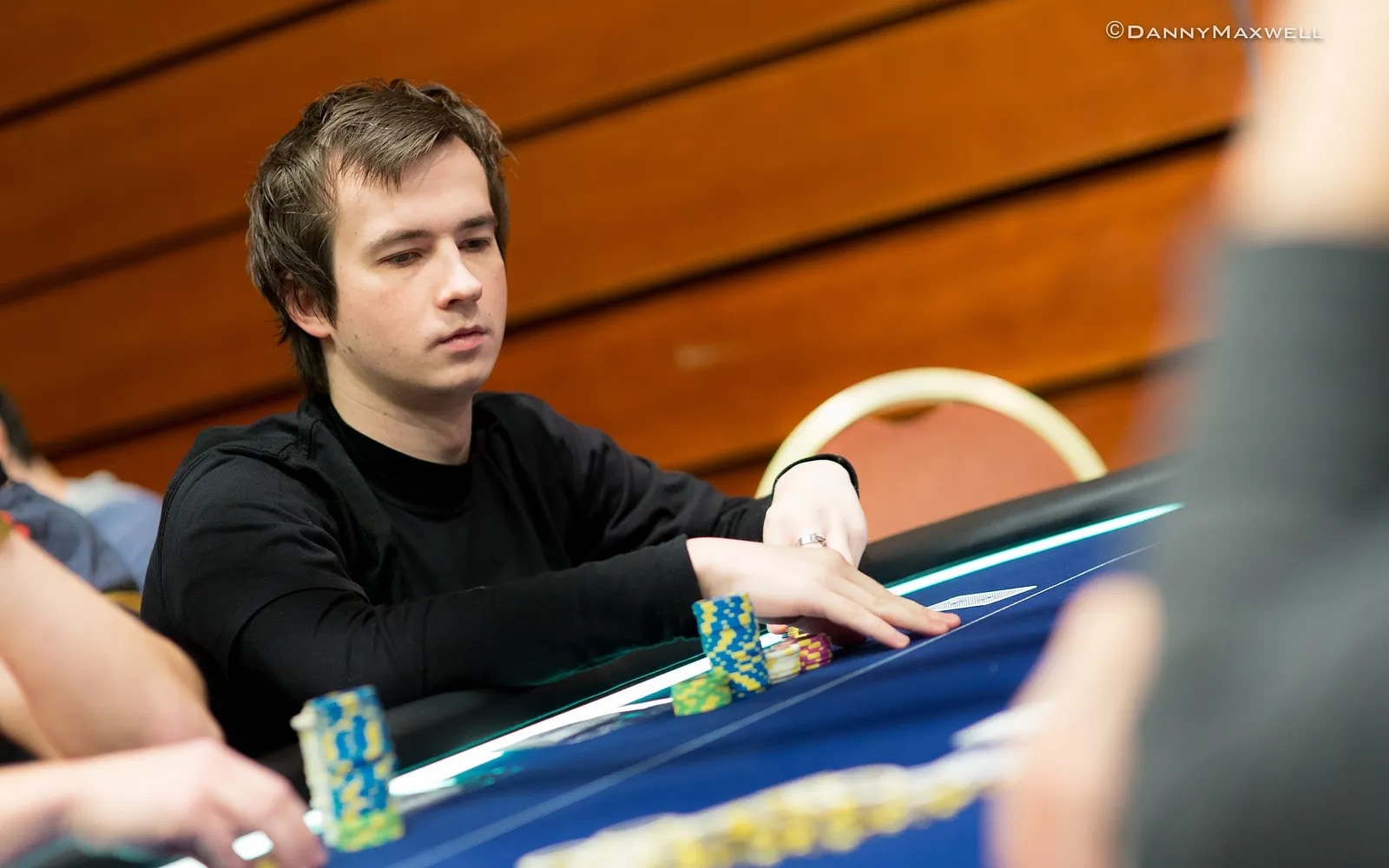
Andrey "TylerRM" Streltsov said in one survey that he is very prone to tilt. Even little things can set him off, from software lag to the sound of a lawnmower outside his window. And yet the Belarusian regular came up with a fairly simple formula for dealing with downswings:
"To handle a downswing easily, you need to live through it in advance. If you've already had a streak of 100 buy-ins, then losing a hundred buy-ins in the future won't even register in your emotional state — you'll handle it easily. The problems start when the depth of the streak is something you haven't faced before."
It's precisely the fear of the unknown during another downturn that, in Tyler's opinion, becomes the main source of anxiety and stress. And that's why the experience of having lived through downswings has a positive effect on mental stability.
Moreover, Streltsov rates technical skills above emotional state. It's technical skill that has the decisive influence on a session's result. That's why he advises devoting more attention to reviewing hands and improving your game in order to get through bad runs.
Tyler also said that additional, more stable sources of income help in coping with downswings. The earnings from them may be smaller than from poker, but even a small financial cushion makes it easier to handle tournament losses.
Tatiana Barchukova:
"The experience of going through difficult periods really can increase psychological resilience. Anxiety is largely amplified not only by the loss itself, but by the unknown: how deep it will turn out to be, how long it will last, and whether I'll be able to handle it. When a player has already faced serious drawdowns and knows they're capable of getting through them, the uncertainty becomes less frightening.
But it's important not to confuse adaptation with invulnerability. Every new streak can turn out to be deeper than the last, so it's useful not only to accumulate experience but also to develop skills for managing your emotional state in advance, alongside your playing skills.
In a state of anxiety the mind starts throwing up cognitive distortions more actively, and automatic stress reactions affect how you assess a situation and make decisions. It's exactly at that moment that the ability to manage your state is what lets your playing skills show themselves in full."
Learning at FunFarm, from any level
A simple truth
Imants "PekarStas" belongs to that rare category of poker players who have never had problems with tilt over their career. By his own admission, he managed it thanks to realizing one truth:
"The money I lost to coolers will come back like a boomerang over time, and the cooler will go my way. But the money I lose on tilt, in a rage or out of my mind, no one is going to give back to me, and I'll have to find a second 'sucker' like that."
PekarStas believes you need to be ready for bad beats from recreational players, since that's part of the nature of poker and you simply have to accept it. And a downswing can even be prevented — the main thing is not to lose even more money on tilt trying to win back what you've already lost. In such situations Imants recommends getting away from the game, replacing a session with a walk or other useful activities.
We covered how to mentally prepare for painful bad beats in a separate article:
Coolers in poker
Tatiana Barchukova:
"Yes, this really is a simple truth. A professional player most likely understands it perfectly well himself with the rational part of his mind. But in the moment, unconscious irrational attitudes often kick in and turn out to be stronger than rational arguments. And sometimes, to shift your habitual train of thought a little, it's enough just to hear the right words in the right formulation.
I like the quote about how casinos treat recreational players:
"A casino will never throw out a player who has won a jackpot — on the contrary, it will bring him a cocktail on the house. Because it knows its math and is interested in the player coming back and continuing to believe in his own success."
A professional player also knows that his math works over the long run.But it's important that thoughts like these don't just make you feel better in the moment, but build a clearer understanding of what we can influence and what we can't. A player can't control how often he gets beaten, but he can influence how much money he loses through emotionally driven decisions.
What matters here is not just accepting the inevitability of coolers and bad beats, but to stop spending resources fighting what can't be controlled and to direct them toward what really does depend on the player: the quality of decisions, risk management, and his own behavior."
System vs procrastination
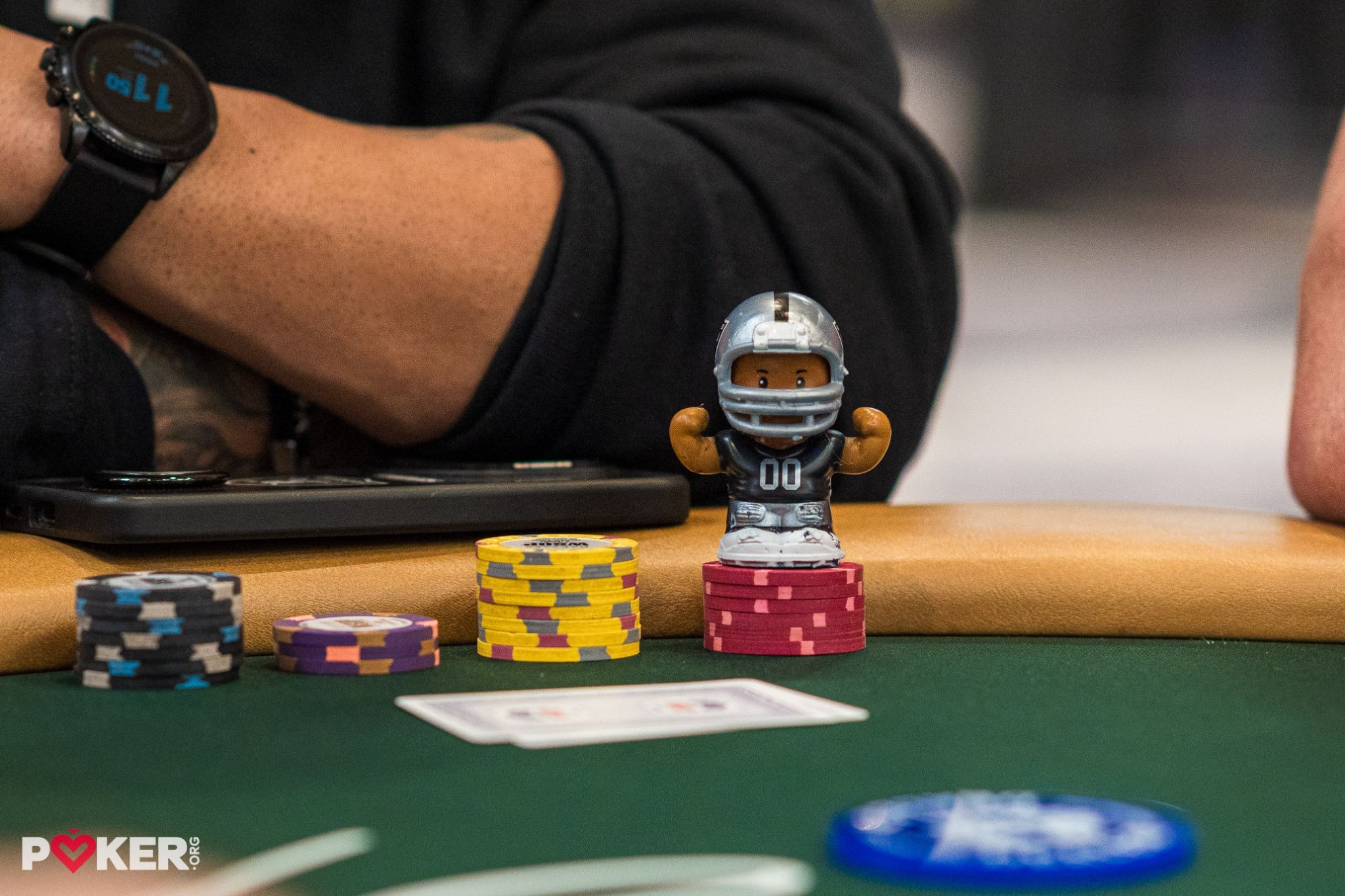
Downswings often lead to a complete loss of any desire to play poker. And then making yourself start a session becomes very hard, and procrastination sets in. Though of course this phenomenon can have other causes too.
A GipsyTeam user with the nickname "try2scareme" shared his story of overcoming apathy in a blog. In his case procrastination developed because of the pressure of his own expectations and the fear of failing to hit his volume target. As a result, he regularly put off sessions he usually played in the evenings by several hours.
His salvation in this situation was a new approach to his daily routine. Instead of one long session, try2scareme started playing two shorter ones: in the morning and in the evening. Thanks to that he began putting in 6-8 hours of play a day in a format that was comfortable for him. Over a week the regular played 13,000 hands at NL25-NL50 and booked a profit of $197.
The most important result of this restructuring, by the hero's own admission, was the return of his enjoyment of poker:
"For the first time in a long while I don't have the feeling that every day I have to fight myself and force myself to sit down at the tables. I've started enjoying the process itself again."
Tatiana Barchukova:
"This is more of an individual case than a universal piece of advice. Procrastination can have completely different causes, and the solution largely depends on what exactly lies behind the putting-off. In try2scareme's case it was the pressure of his own expectations and the fear of failing to hit his volume target. That's why changing the schedule helped reduce the load and made starting a session psychologically more comfortable.
But if the cause is a loss of interest in the game, fear of failure, exhaustion or, say, difficulties with concentration, simply changing the schedule may not produce the desired effect. That's why it's important not to try to fight procrastination as a standalone problem, but first to work out what function it serves and what it's helping the person avoid. Then the solution will be far more precise."

On the importance of personality
It's worth noting that the same mindset advice isn't equally effective for every individual player. It's very important to take individual psychological traits into account to achieve the greatest effect.
This was discussed, for example, by a cash regular with the nickname "Crownless" in his GipsyTeam blog. His main problem was procrastination. The hero drew the motivation he needed for regular sessions and study from public marathons with specific targets for hand volume and material studied.
However, a month-long distance turned out to be too long for him, and he kept putting the work off. So Crownless decided to shorten the timeframes to a few days:
"For some reason I thought 30 days was a fairly short period for me, even though experience showed me the opposite time and again. No deadline with the threat of losing the marathon — no motivation. What there is, though, is a pile of wasted time. It's silly to turn a blind eye to the fact that you're a sprinter and imagine yourself a marathon runner, or that you'll become one tomorrow/on Monday/if you want it really, really badly."
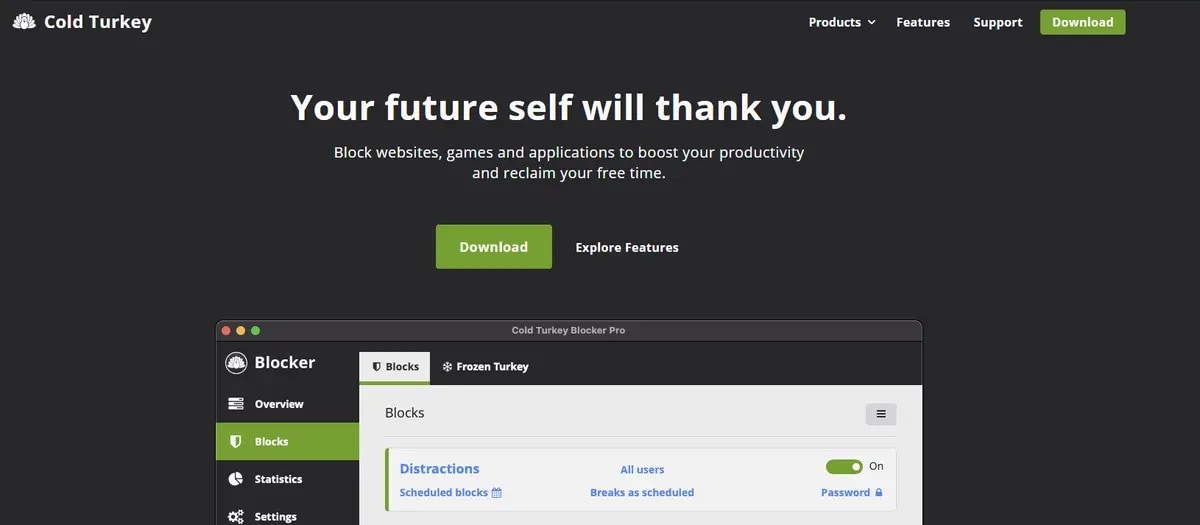
A problem for many procrastinators in today's world is access to quick dopamine. It's very tempting to zone out on short-form social media videos or get distracted by YouTube clips instead of doing what matters. Crownless fought this too, using specialized software.
The hero installed programs like Cold Turkey on his PC and smartphone, which limited the time he could spend on social media, for example. That allowed him to concentrate on a playing session or on studying theory. By his own admission, this not only increased his productivity but also improved how he felt.
Coping with burnout and tilt on your own is hard, though, even if you do self-analysis and understand your weaknesses. When Crownless realized his own efforts weren't enough, he turned to a psychologist for help. The specialist helped him build a "staircase" with a gradual increase in load at each step. Thanks to that solution the hero's motivation and energy went up, and his resistance to getting started disappeared.
Tatiana Barchukova:
"This story is exactly what illustrates why there are no universal recipes when working with procrastination, and how a psychologist can help.
The thing is, we usually notice the outward manifestation of the problem well: we put off sessions, we can't concentrate, we lose motivation. But on our own it can be hard to look objectively at our own habitual reactions from the standpoint of psychological mechanisms. We tend to explain our actions through already-formed ideas about ourselves, without accepting the fact that our thinking has already changed. That's why a person can spend years trying to solve a problem one way, without noticing they're working on completely the wrong cause."
Four underrated ingredients of success
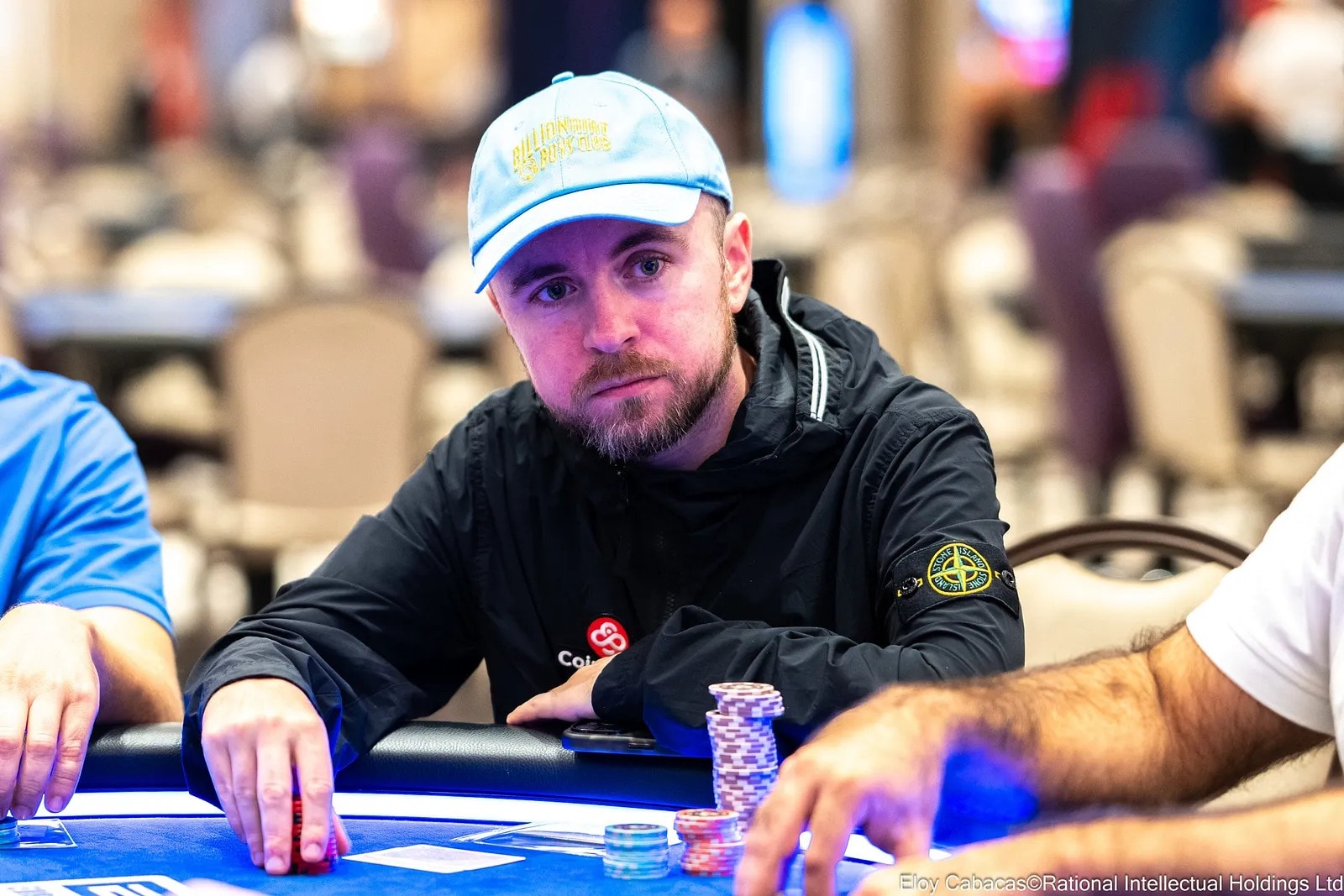
British pro and coach Patrick "pads" Leonard has run into downswings and heavy losses more than once. He has said that in a single 2-hour session he lost 30% of his bankroll and went outside into the rain on tilt, and that after losing $50,000 in Monaco he didn't want to go back to the casino again.
Leonard admits that for a long time he was too focused on the technical side of poker and didn't give the psychological component the attention it deserved. Later on, though, he worked out four important rules that play a big role in achieving success.
In Pads' opinion, you need to get rid of negativity in your environment. If your group includes people who are overly negative and complain a lot, there's a high chance you'll pick up that behavior pattern after your own setbacks. Yes, complaining about unfairness will help you feel better and at least partly shift responsibility off yourself, but it won't let you change the situation.
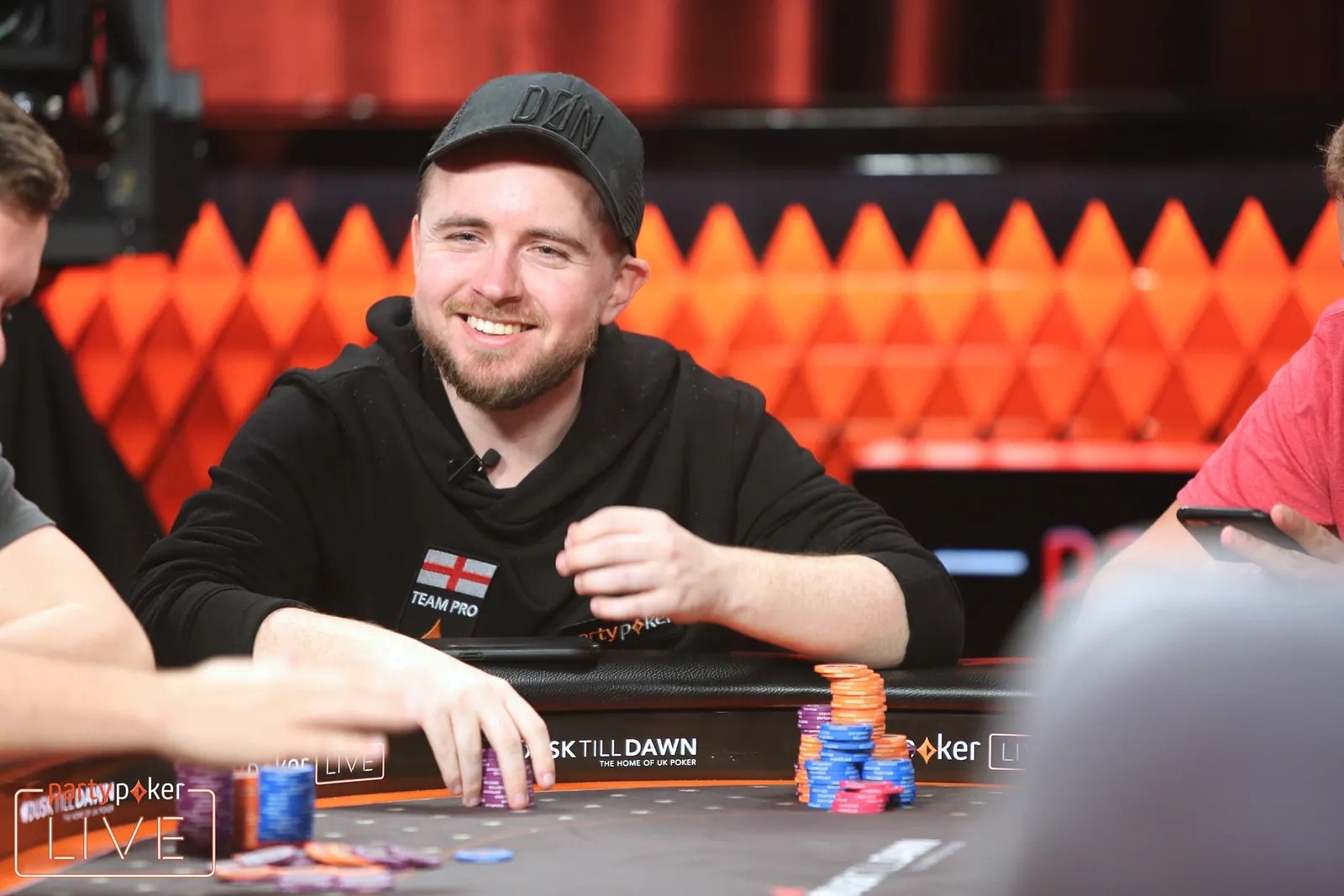
Leonard is also convinced that you need to be obsessed with what you do in order to succeed. He rates that degree of passion above balance in life. Thanks to it he's able to maintain concentration for hours while working. If you haven't found that kind of passion yet, the high roller advises taking a pause and reconsidering your priorities to find the right field.
In addition, the regular recommends building a clear daily regimen: a sleep schedule, specific rituals at the start and end of the day, the frequency and structure of sessions and study. Pads believes such a carefully worked-out plan will help you unlock your full potential and avoid falling apart during downswings.
We covered how to keep your concentration and switch on your A-game here:
A, B, C game: how to stop giving your blinds away to your inner monkey
Patrick Leonard's final, fourth rule states: don't let success destroy you. During upswings comes a feeling of invincibility that can make you seriously complacent. Then it's very tempting to play and train less and forget about your sleep schedule. The British high roller advises working even harder in such cases and not forgetting which principles got you to success in the first place.
Tatiana Barchukova:
"Of Patrick's four rules, I'd fully agree with the third and fourth. A stable regimen and habits really do help maintain your capacity for work during difficult periods. And during upswings it's especially important not to lose your head, not to overestimate your abilities, and not to abandon the principles that helped you get your results.
I'd only partly support the first rule. On the one hand, discussing setbacks with other people can be an important way of releasing emotional pressure. The chance to share what you're going through, get support, and see that you're not the only one facing difficulties is useful in itself. On the other hand, if communication within your circle comes down exclusively to complaining, looking for someone to blame, and discussing unfairness, that really can entrench a helpless position instead of a search for solutions.
But I would argue with the second rule. Obsession with what you do can be a powerful source of motivation, and perhaps that approach works well for Patrick himself. But it shouldn't be transferred to all players. Constant maximum involvement, especially if it's achieved at the expense of other areas of life and of recovery, can lead to exhaustion and burnout quite quickly.
Poker is an inexhaustible source of emotional dissatisfaction, and if you make it the one and only way of getting enjoyment, your emotional reserves will soon be depleted and the psyche will start rescuing us from it through procrastination and devaluation. For long-term professional development, what matters is not maximum intensity of work, but the ability to sustain it over many years."
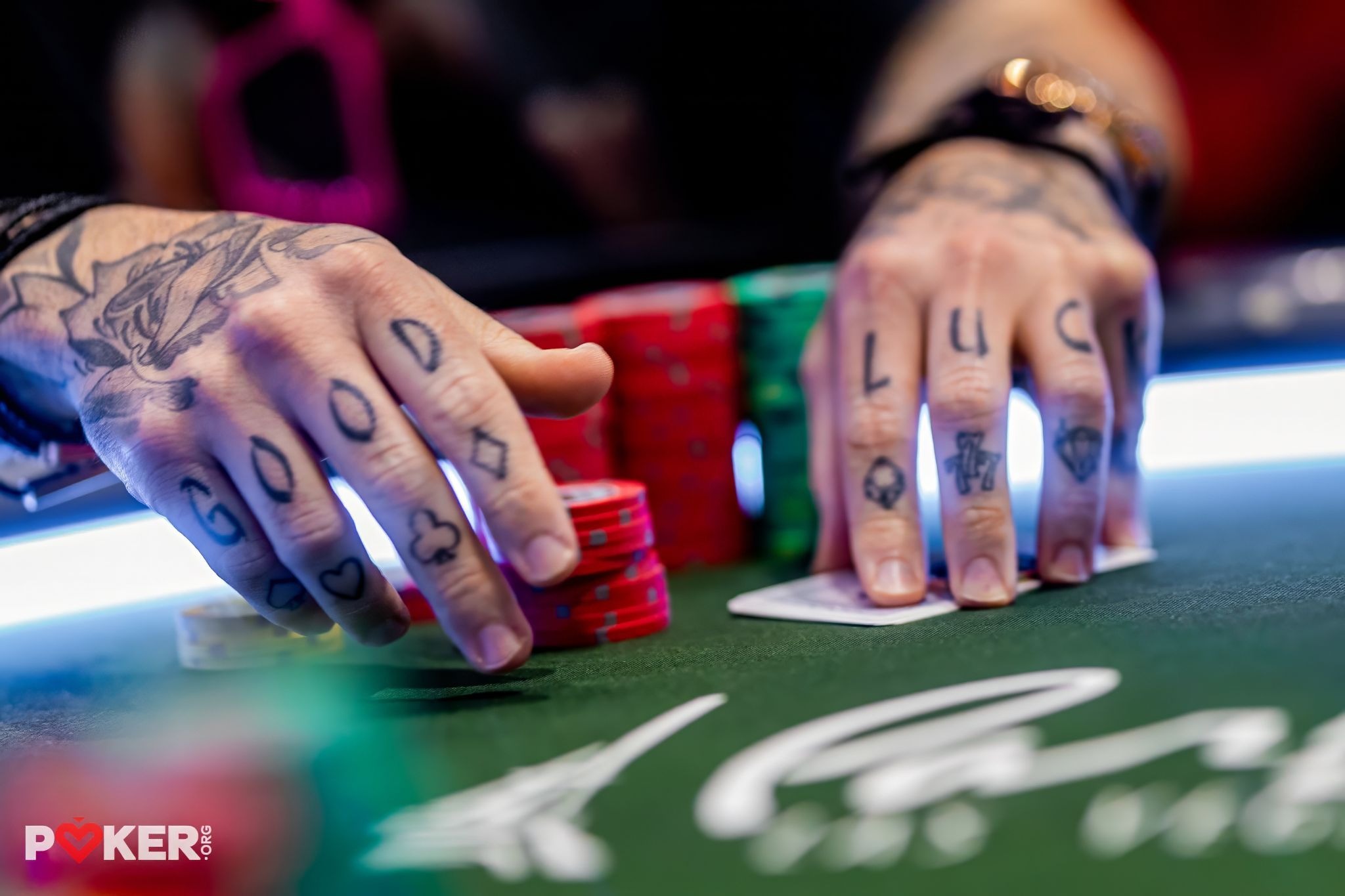
Let us remind you once again that not all of this advice will be equally effective for every player. For example, if during downswings you feel that the game is unfair, then recommendations to work harder may only cause even more irritation. It may happen that the increased effort doesn't improve the situation, and then that will merely confirm your inner belief about unfairness.
To avoid stepping on these psychological rakes, you need to work on your emotional intelligence. In modern poker these skills matter no less than technical skills and knowledge of strategy. They'll help you not only cope with downswings but also gain an edge over less resilient opponents.
Free course · FF Start
Strong play starts before the flop
Master starting hands, position, bet sizes and the core preflop scenarios.