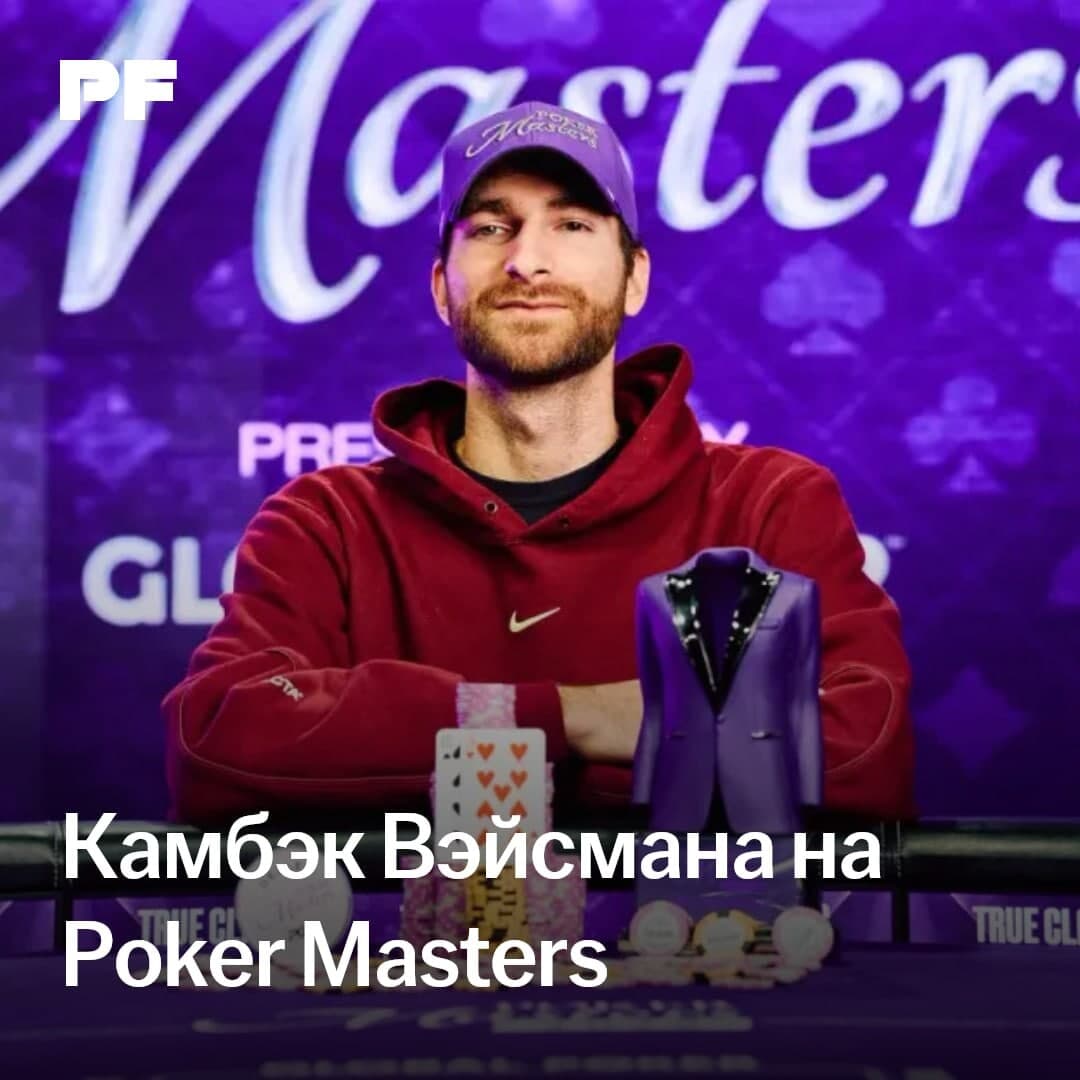
Poker marathons from "Jesus" to "RomeOpro"
Marathons have been a notable part of the poker industry for many years. Many players have announced bankroll-building challenges, pursuing different goals. Some taught the importance of managing your finances, some tried to prove that the poker dream is alive, and for others it was simply a sporting challenge. Let's talk about a few such stories.
Over the past few months, the Russian-speaking poker community has been keeping a close eye on the marathon run by Roman "RomeOpro" Romanovsky. In March, the famous online regular announced his intention to build up from $10,000 to $10,000,000 in a year in order to settle his debts. After 130 days and almost 28 thousand MTTs, his bankroll has grown to $270,000. The final goal is still a long way off, but Romanovsky still has time. The most intriguing part is that you can follow his progress online and in real time.

New breakdowns in your inbox
Subscribe to the FunFarm newsletter: fresh Poker ABC articles and material that helps you grow as a player.
The RomeOpro charity marathon
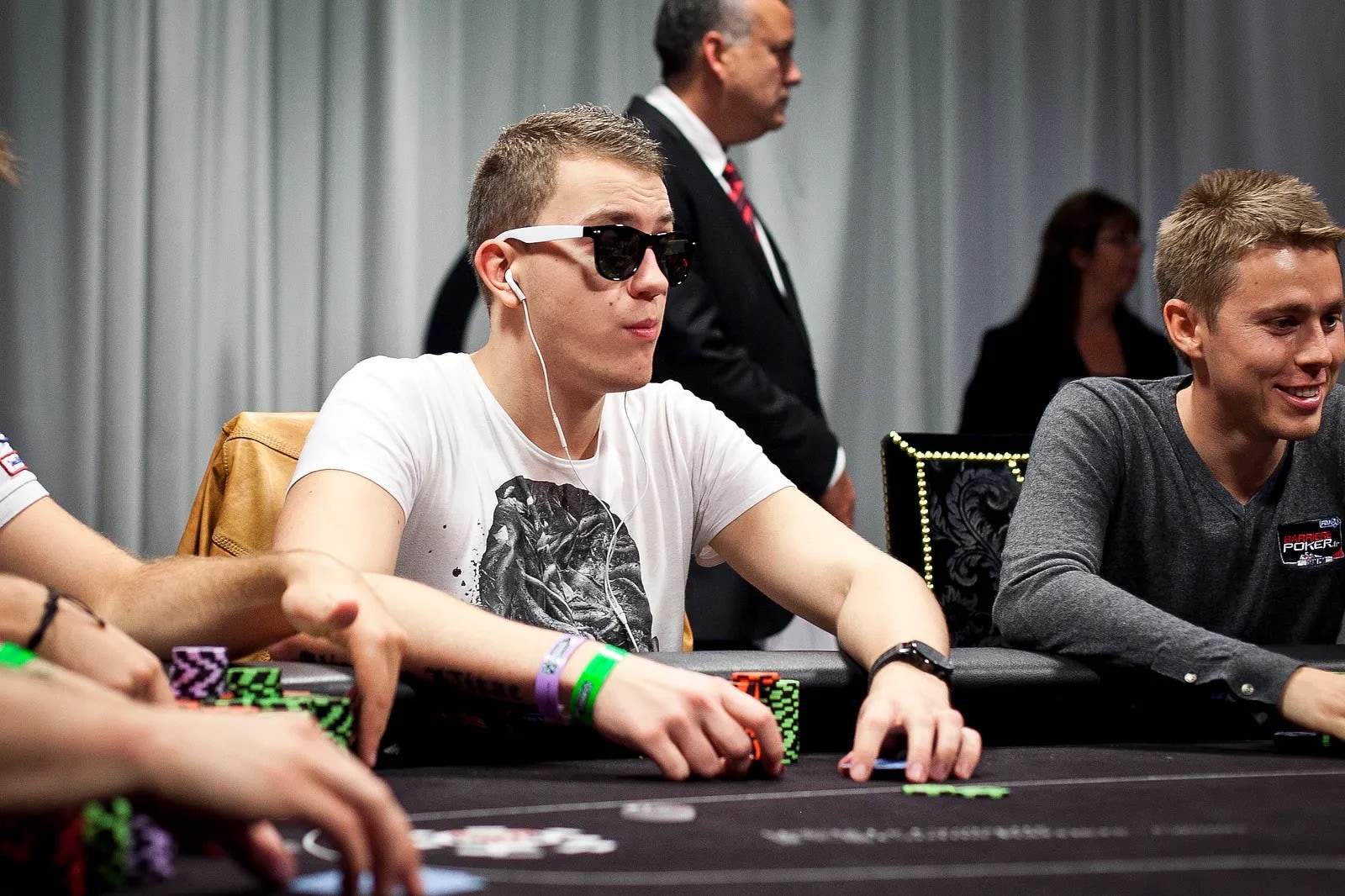
The current marathon is far from the first in Romanovsky's career. As long as 11 years ago, the Ukrainian player was setting up challenges like this in pursuit of noble aims, donating a significant portion of his winnings. The most famous RomeoPro charity marathon, though, started in August 2016.
Initially, the goal of the marathon was to reach $600,000 in profit starting from a bankroll of $66,666, and to give 2/3 of the winnings to charity. Romanovsky planned to get to that mark exclusively through MTTs on various sites. Later on, the profit target was raised several times, eventually settling at $1,500,000. The share of funds set aside for donations grew to $1,000,000.
That marathon stretched over three years and inspired many other players, who also decided to give between 10 and 66 per cent of their profit to various charitable organisations. Things didn't start out all that easily for Romanovsky. In the first few days he lost $12,000, but he managed to turn the situation around before the end of the very first month.
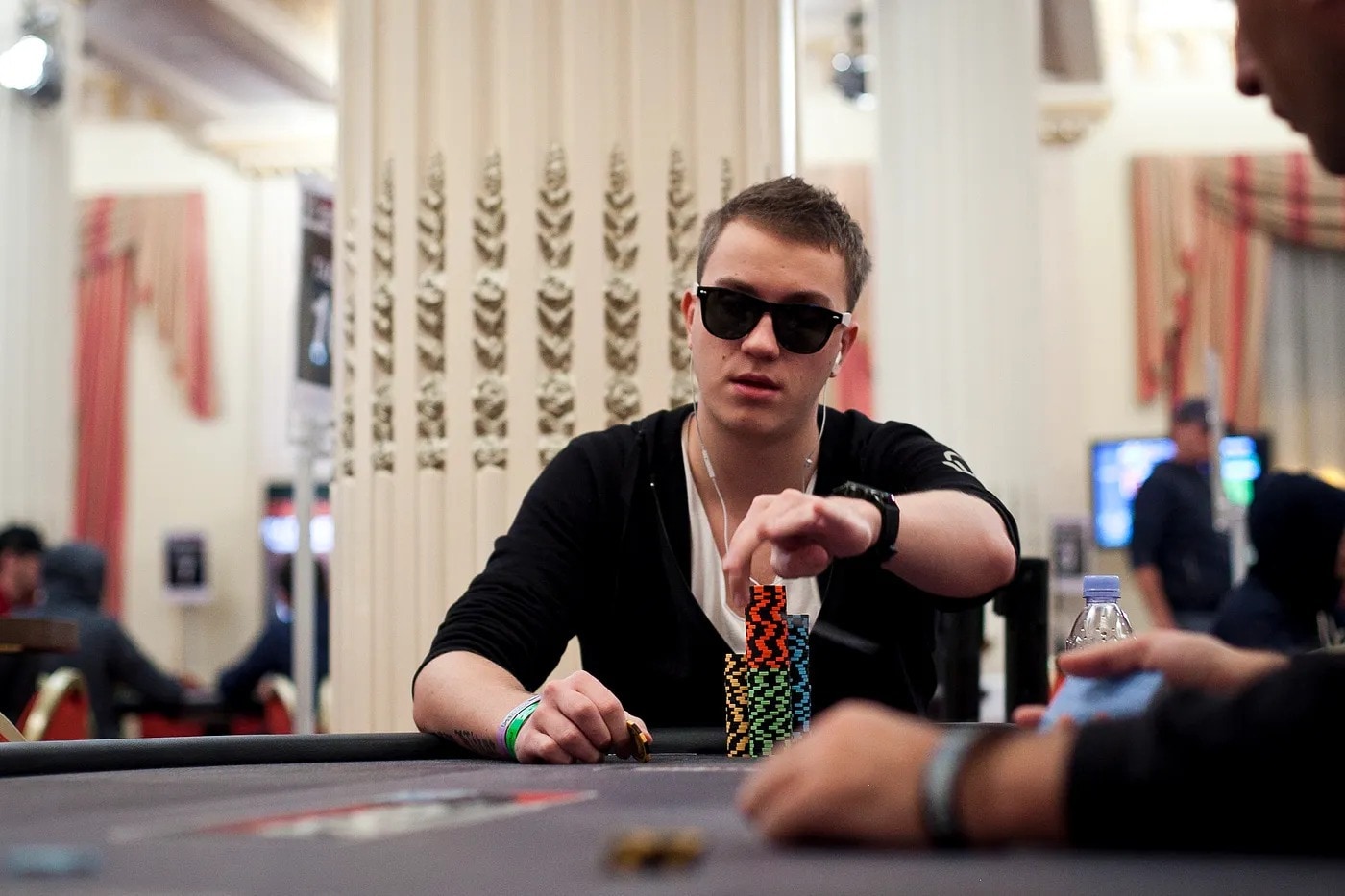
On day 18, RomeOpro managed to get up to his expectation and took down his first five-figure score. The Ukrainian regular earned $12,678 by finishing fourth in The Volcano with a $600 buy-in. And a few days after that, Romanovsky recorded the first six-figure result of his career. He received $214,929 for second place in the $700 Sunday Million at WCOOP, losing heads-up to Argentina's "leitalopez". The South American took home just under $300,000.
In May 2017 and March 2018, Romanovsky updated the goals of his marathon. And by the autumn of 2018, the online regular was telling PokerNews in an interview that he had reached $1.1 million in profit. That became possible thanks to a run of big scores. First, PomeOpro collected a total of $66,000 for wins in the $1,050 Sunday Warm Up High Roller and the $1,050 Whale, and then he became champion of the XL Eclipse series main event, taking $187,500.
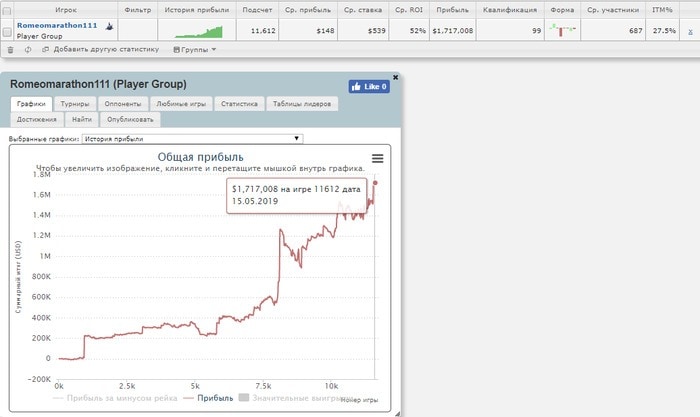
In May 2019, Romanovsky exceeded even the last target he had set himself. His winnings passed $1.7 million. After that he announced that the marathon would soon be over, and in September he played the last session of his career (at that point). The challenge produced a charity pool of $1,000,000. At the end of 2019, RomeOpro wrote on his blog that he would first spend at least 5-7 years on education, and only then decide which organisation he would donate the marathon money to. So far, Romanovsky has not announced a decision on the matter.
From Zero to Hero
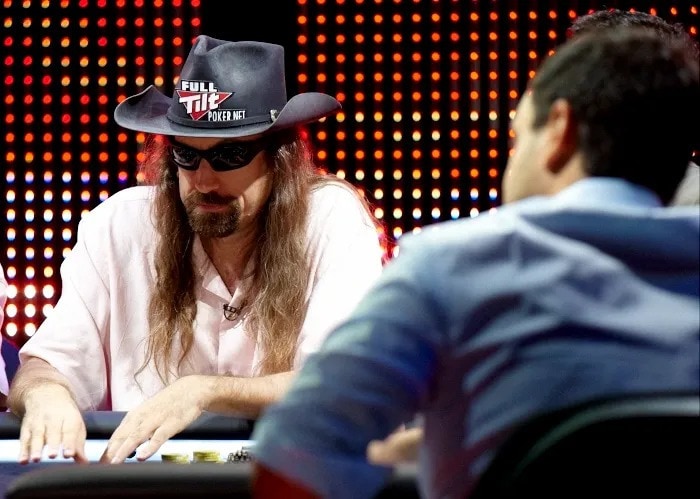
Now let's go back 20 years and look at how poker marathons began. The first challenge of this kind — or at least one of the first — was carried out by Chris "Jesus" Ferguson. At that point he was already a WSOP main event winner and the owner of five more bracelets, as well as a co-founder of Full Tilt Poker. And it was precisely on the platform of that room, so popular in the noughties, that Ferguson decided in 2006 to stage a marathon, which he called "From Zero to Hero".
Jesus had an educational purpose in mind. He wanted to prove that with sensible bankroll management any player can build up from 0 to $10,000. The rules of the marathon were strict:
• never enter a cash game or Sit-n-Go for an amount exceeding 5% of the total bankroll, with the exception of the lowest stakes up to $2.50;
• never register for an MTT if the buy-in exceeds 2% of the bankroll. The exception is $1 tournaments;
• leave a limit or no-limit cash game on the blind if the pot at the table exceeds 10% of the bankroll;
• only take part in satellites if the buy-in of the target tournament fits within the 2% rule.
"You can sharpen your skills at lower stakes until your bankroll lets you move up and try to establish yourself at higher stakes again. These rules also protect you from losing all your money during a bad run.
Moving down to lower stakes is hard for many players. They see it as a defeat, and their ego starts getting in the way. Many want to stay at the same level and win back their losses. But that can lead to pretty serious tilt, which is capable of wiping out a bankroll in an instant," — that was how Ferguson explained the necessity and importance of the marathon's conditions.
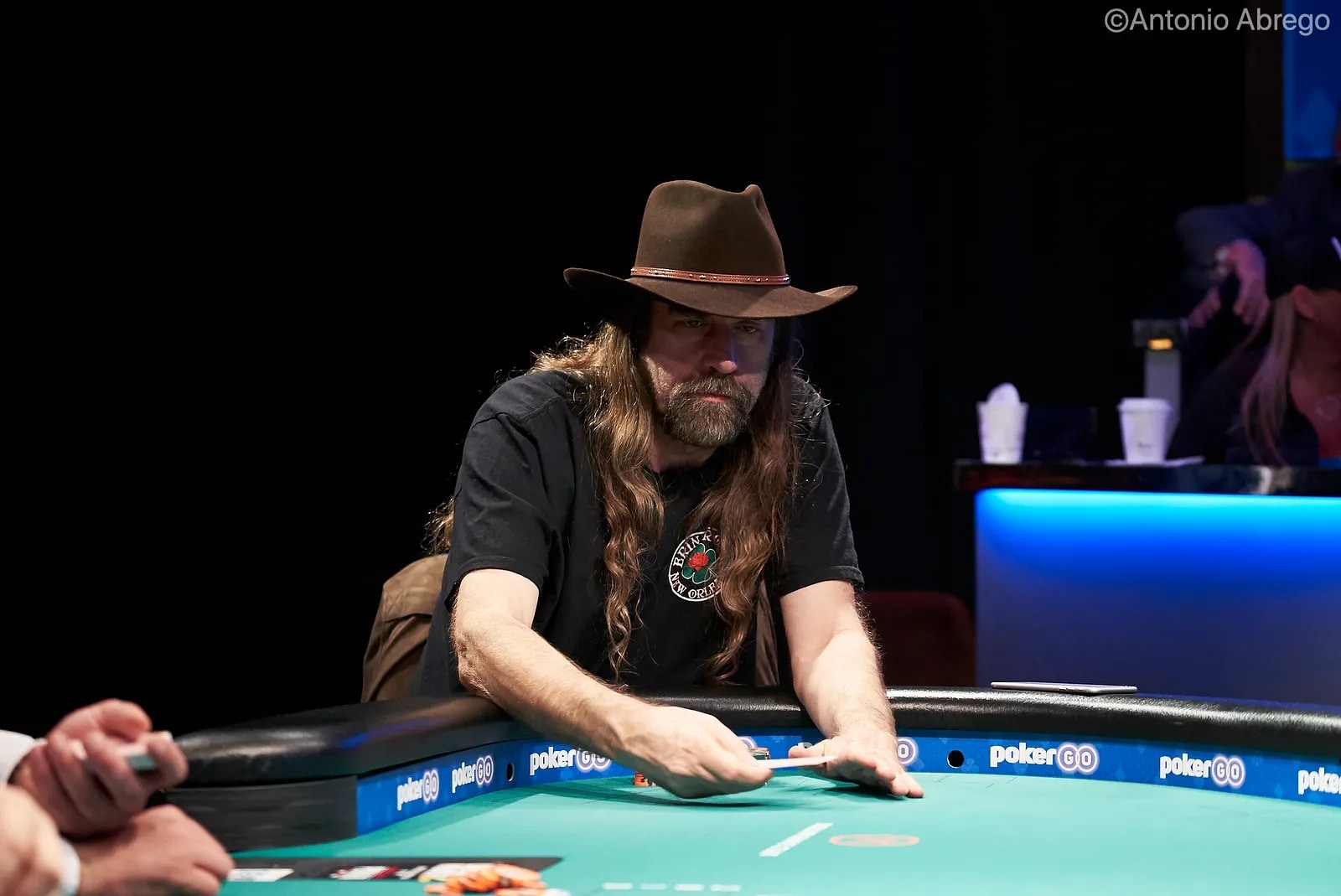
At first, Ferguson had to play exclusively freerolls, which he still had to manage to enter. The tournaments filled up in literally 90 seconds, so the WSOP champion set alarms to make sure he could register in time. His opponents at the tables thought he was just messing around, but Jesus took the freerolls extremely seriously.
It took Ferguson more than seven months to stabilise his bankroll at around $6.5. The first breakthrough came in November 2006, when he won $104 by finishing second in a $1 event with 683 entries. Over the next six months, Jesus played low-stakes SNGs, gradually growing his bankroll to $500. This allowed him to move into cash games.
But he only truly began closing in on his goal in the summer of 2007. In mid-July he won more than $1000, performing well at the cash tables and reaching the final tables of five $5 buy-in MTTs. A real surge followed just a few days later. On 22 July, the WSOP champion earned $2756 and then caught an upswing.
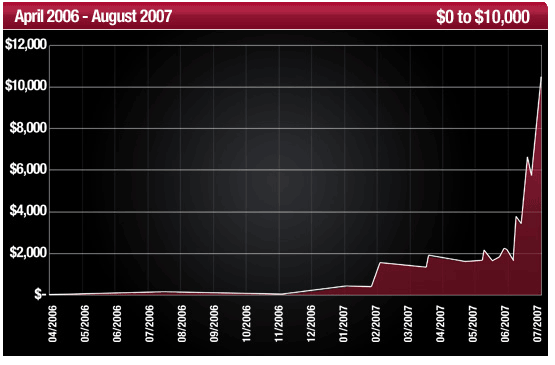
On 26 July, Jesus grew his bankroll by $5538, and by 3 August he came very close to his goal, stopping at $9576. He managed to complete the marathon on 14 August. Already that morning, Ferguson's bankroll had gone past $10,000, but he decided to end the session. A few tournaments later, the player locked in his final result — $13,813. After finishing the challenge, Ferguson donated $10,000 to the Save the Children fund.
Soon after, Chris Ferguson announced a new bankroll-building marathon, aiming to go from $10,000 to $100,000. By October 2007 he had already reached $30,000, but then he ran into a downswing and dropped back to his starting amount. The first breakthrough came in the autumn of 2009, when Jesus climbed from $20,000 to $50,000 in a short time and managed to establish himself at the new stakes.
The summer of 2010 proved key for the second phase of the marathon. That's when Ferguson finished fifth in FTOPS XVII Event #13 and earned $68,854. Thanks to this win, the player's bankroll not only reached $100,000, but also broke through the $120,000 mark, which he held onto until the end of the year.
Learning at FunFarm, from any level
The challenge that became a brand
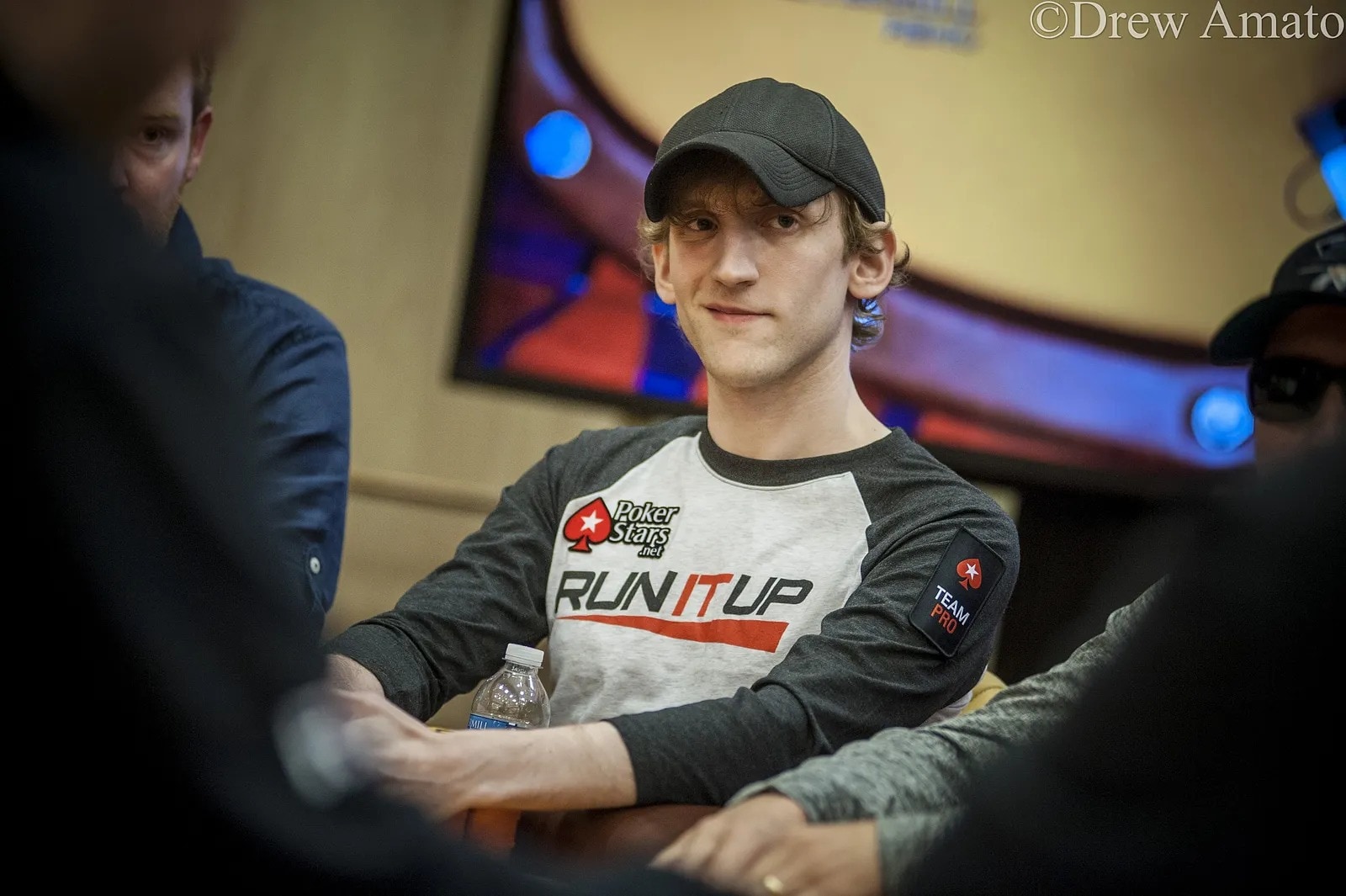
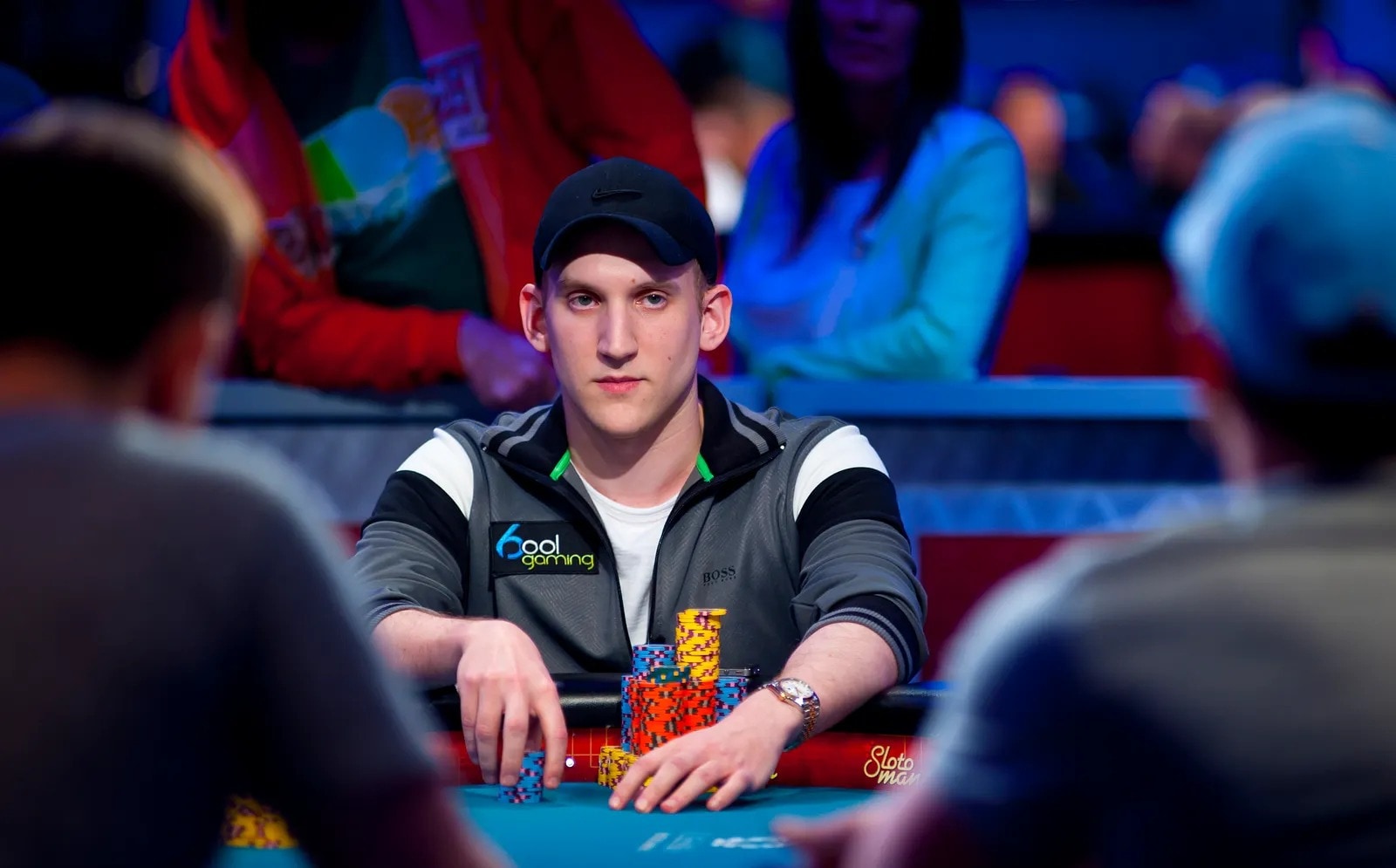
If Chris Ferguson is the founding father of bankroll marathons, then Jason "JCarver" Somerville became the godfather of poker Twitch. He was a notable player at the turn of the 2000s and 2010s, and in 2011 he even won a WSOP bracelet. However, after "Black Friday" in April of that same 2011, the American was left out of online poker for a couple of years.
Somerville returned to the game in 2013, signing a contract with the Ultimate Poker room alongside Antonio Esfandiari and Jonathan Little. JCarver, together with other poker players, started filming the Run It Up project, within which he gave interviews and commentated on games. But the main format of the project became the bankroll challenge. The goal of the marathon was to build a bankroll from $50 to $10,000.
However, this wasn't a marathon in the classic sense, with regular reports after sessions. Run It Up took the challenge as a concept, building educational and entertaining content around it. Somerville's videos invited viewers to watch and learn while the player grew his bankroll.
"It seemed to me that videos featuring low-stakes bankroll challenges could be an interesting and unusual way to engage with both local and international poker fans and create engaging content. I still enjoy working on this project to this day," Somerville said about the idea behind Run It Up.
In 2014, Ultimate Poker shut down, but this didn't affect Somerville's project. By that point, a large and dedicated fan base had formed around it. In May of that same year, the first live Run It Up Reno tournament took place in Nevada. These events are still held today. They feature unconventional formats and attract hundreds of participants. The project's website even has leaderboards ranking players by number of titles, final tables, and ITM finishes.
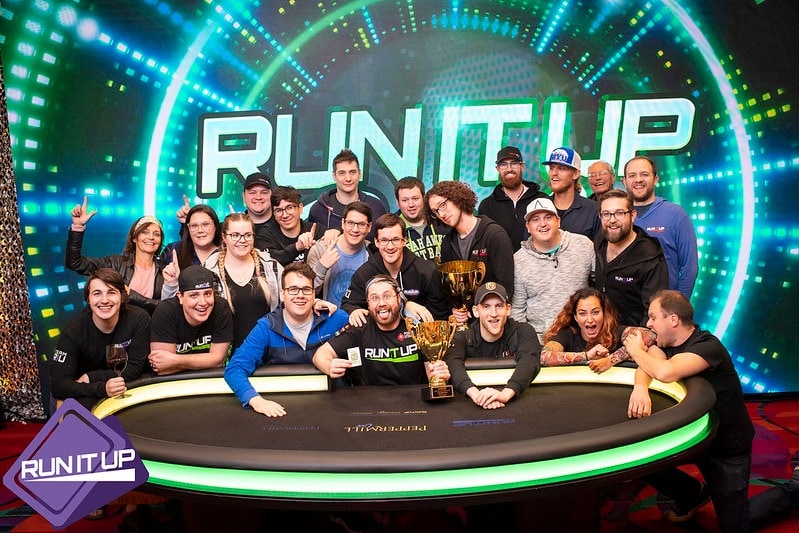
And in 2015, Somerville moved from the US to Canada, became a PokerStars ambassador, and moved Run It Up to Twitch. The poker player's streams grew rapidly and set records. For instance, one of the WCOOP final tables was watched simultaneously by 37,000 viewers.
The success of Run It Up undoubtedly paved the way for other poker bloggers on Twitch. In this way, Somerville turned the bankroll challenge idea into a project that went far beyond an individual challenge and inspired a new generation of marathon streamers.
One session that ended a marathon lasting 2 years
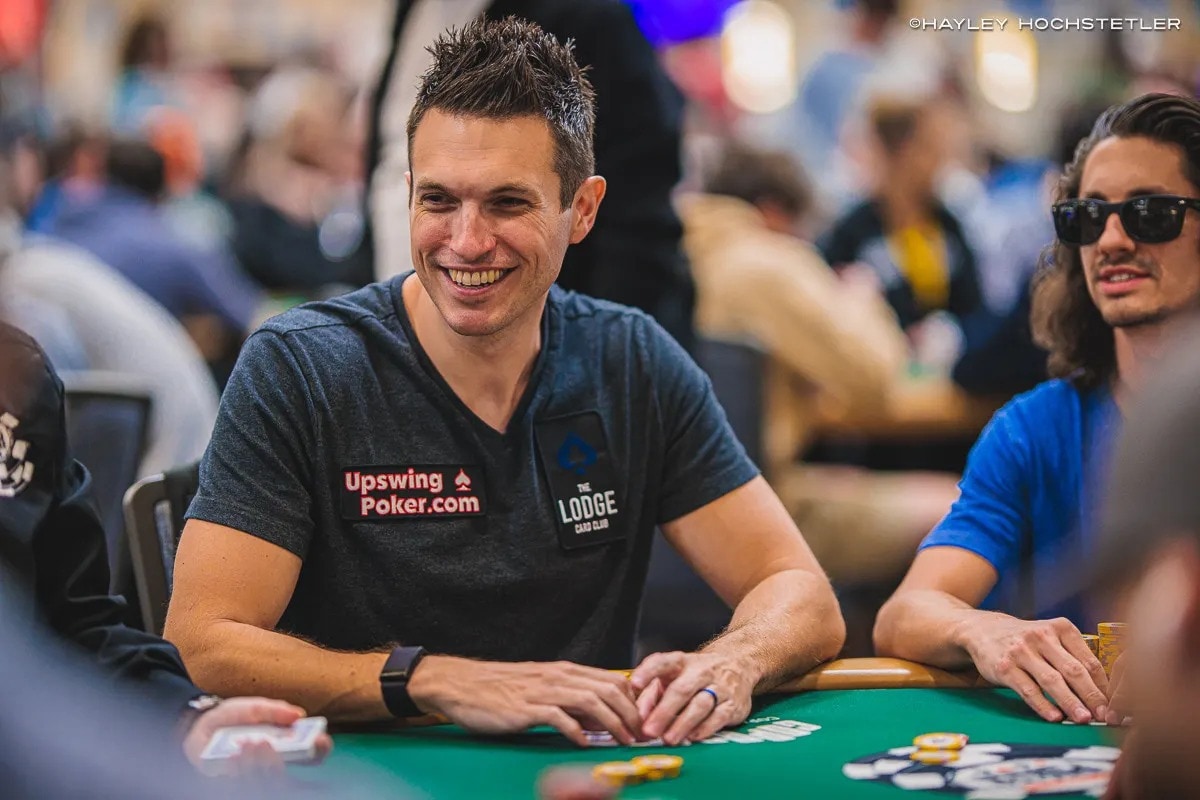
It was on Twitch that our next hero streamed his classic marathon. Doug Polk ran a poll among his subscribers, and they voted for a challenge to build up a bankroll from $100 to $10,000. To achieve the goal, the three-time WSOP champion chose to play freerolls, $1 buy-in heads-up Sit-n-Gos, and $1 tournaments. For MTTs he committed to keeping his bankroll at a level of 50 to 100 buy-ins, and for cash games — 30 to 40 buy-ins.
The marathon started in August 2016 and stretched over two years. However, during that time Polk only ran 58 sessions. Yet after session 57 on 21 August 2018, nothing hinted that the next session would be the final one. Polk ended the second-to-last stream down $2, with more than $6800 left to reach his goal. But on 22 August the blogger successfully completed his challenge.
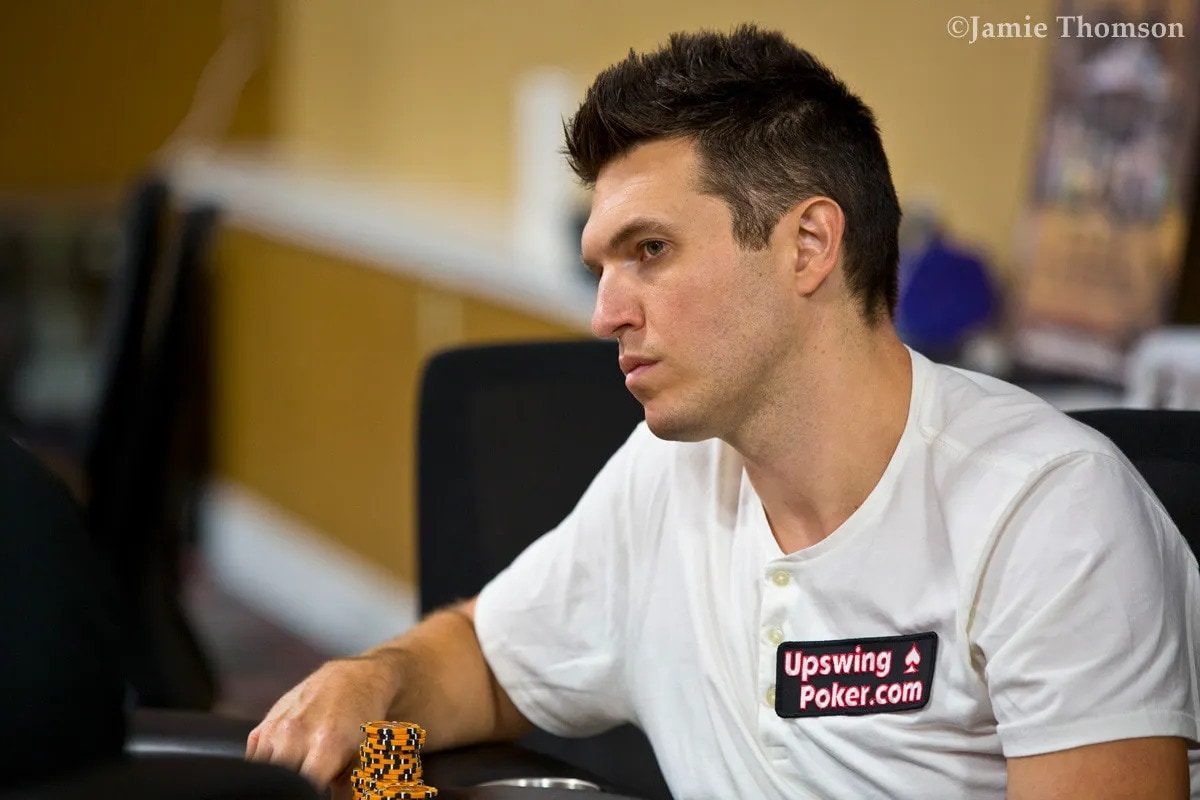
Over the course of the 11-hour session on 22 August, Polk climbed the stakes from NL50 to NL500. After the first four hours, the blogger's bankroll exceeded $4000 for the first time ever. Two hours later he passed the $5000 mark, and an hour after that — $6000. At this point Polk decided to move up to NL500: "If it works, it works. If not, we'll just take a couple of bumps and regroup tomorrow. We're going for the win."
Towards the end of the stream, Polk asked his girlfriend to bring a bottle of champagne and checked his bankroll. It stood at $9638. The WSOP champion decided not to take the risk and moved back down to NL200. He waited for an opponent for heads-up while playing PLO200 on the side, but his patience quickly ran out and he joined an NL500 table.
Playing NL500 took Polk and his viewers on an emotional rollercoaster. His bankroll climbed to $9863, then dropped to $9300, but a significant downswing was still avoided. The blogger returned to NL200 and still managed to complete the marathon. A blazing upswing of $6700 allowed Polk to even exceed his intended goal in a single session.
The final balance came to $10,138. However, Doug Polk warned his viewers not to copy him exactly. He explained that he had used aggressive bankroll management, which could easily turn into a long downswing, and advised using a more cautious strategy.

The "BabyShark" PR marathon
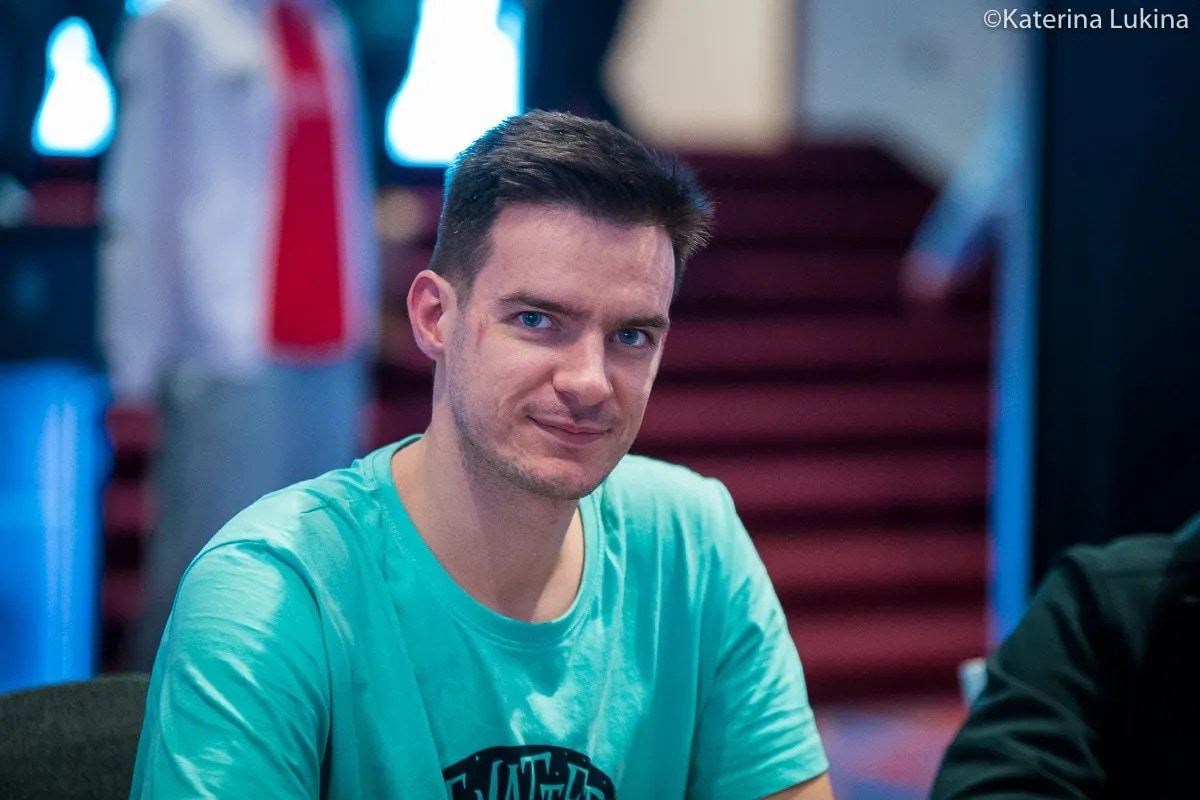
Alongside RomeoPro's charity marathon, Andrey "BabyShark14" Kozlenko was also running his own marathon. The motives of the Ukrainian poker player and streamer were different. He wanted to attract the attention of the partypoker room and become its ambassador, while also proving to sceptics, including the viewers of his YouTube channel, that building up a bankroll from $10 to $10,000 was a perfectly realistic goal.
The challenge started on 1 January 2018. Kozlenko began with centrolls — very cheap satellites into more expensive events. This grind continued for about a month, until Babyshark earned tickets into tournaments with buy-ins of over $100, where he managed to cash and raised his bankroll to the $1000 mark. After that, the streamer started playing tournaments at stakes of up to $11, regularly reaching final tables. This helped increase both his bankroll and the ABI of the events he played.
Kozlenko's success in a centroll and a $5 event, which earned him 2000 PPL dollars, deserves a special mention. This is partypoker's internal currency, and he spent these funds on a trip to Rozvadov in the Czech Republic, where a live series under the room's banner took place in June. There, the Ukrainian player cashed twice and earned just over $3000. Meanwhile, Babyshark was grinding online and over four days reached the heads-up stage of tournaments four times, winning two of them.
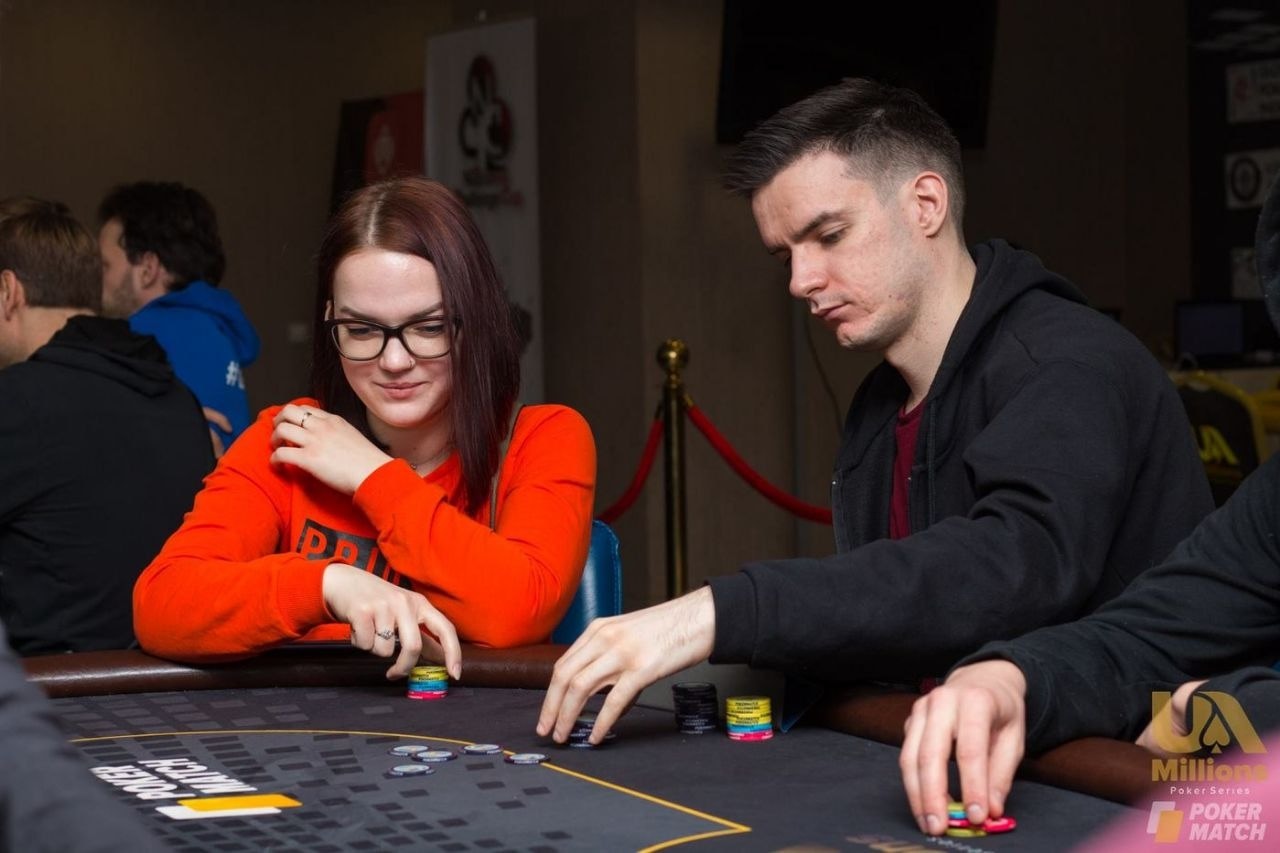
By mid-July, Babyshark had reached the $10,000 mark and immediately set a new goal — $100,000 by the end of the year. He continued to qualify with impressive regularity through cheap satellites into tournaments with buy-ins of over $500, and then cash there too. During the marathon, the player did run into a downswing, but he quickly got out of it and continued building up his bankroll.
Important scores on the way to the coveted hundred thousand were his wins in the $215 Sunday Bounty Hunter and the $109 BIG Bounty Hunter, which together earned Kozlenko more than $40,000. In addition, Babyshark landed his best cash, earning $38,211 for a 79th-place finish in the Sunday Million with a $5300 buy-in, which he also qualified for through satellites.
By November, Kozlenko's bankroll had exceeded $90,000, and the marathon's goal was achieved at the end of December. The finishing touch was a win in a $109 tournament on PokerKing, which earned him $12,500. The $100,000 goal was reached on 27 December 2018, with Babyshark successfully completing the marathon in under a year. However, the Ukrainian regular did not, in the end, become a partypoker ambassador as a result.
Soon after that, Andrey Kozlenko announced the start of a new marathon, the goal of which was $1,000,000. And this challenge is still ongoing. Babyshark regularly publishes new videos in the corresponding playlist on his YouTube channel, where he breaks down the tournaments played.
Building up a bankroll in 60 days
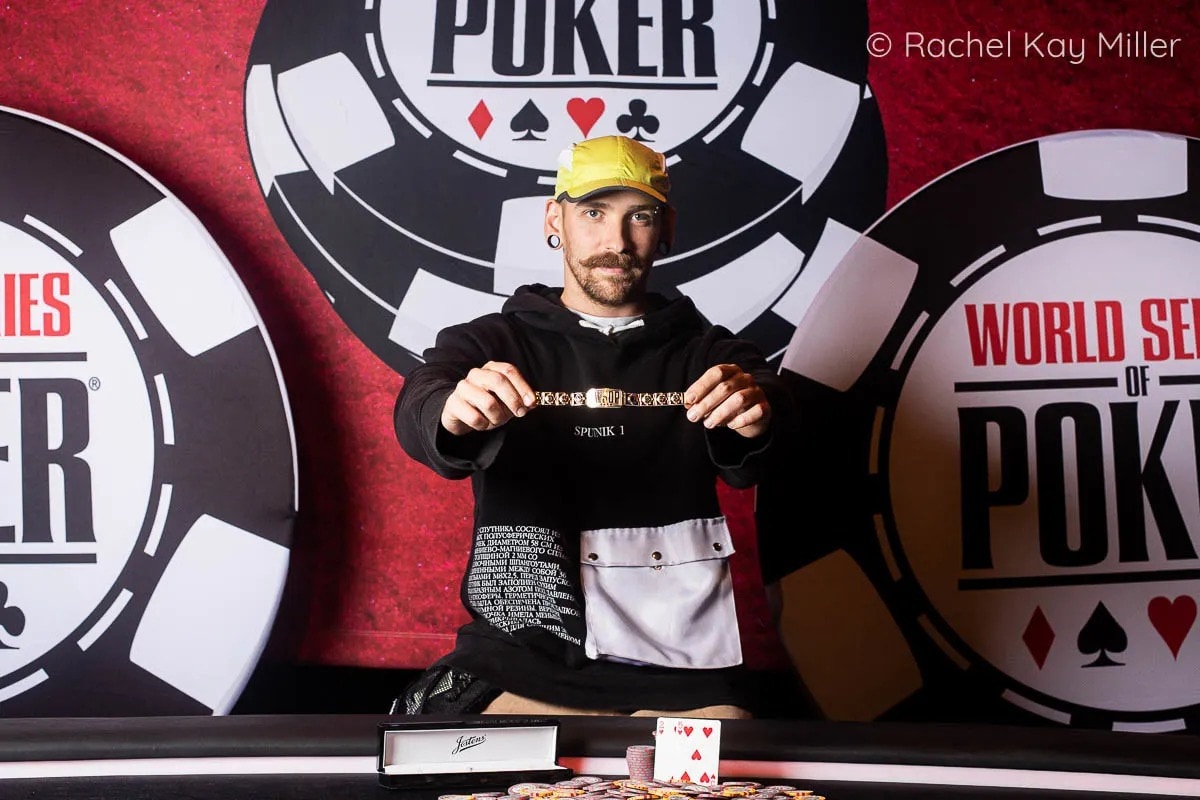
Anatoly «Dykalis» Zyrin is a World Poker Tour and European Poker Tour champion, holder of two World Series of Poker bracelets, a mixed-games specialist and a big fan of bets and marathons. His career has featured plenty of impressive challenges. For example, a winning 26-hour session over 50,000 hands of NL50.
And in that same year of 2018, Zyrin announced the start of a marathon, simply because... he was bored. Video games had stopped bringing him the same enjoyment, and Dykalis decided to replace them with a tournament grind. An added challenge was that he didn't specialise in MTTs. There wasn't really a specific goal. Zyrin decided to move up from cheap events to expensive ones until he got tired of it.
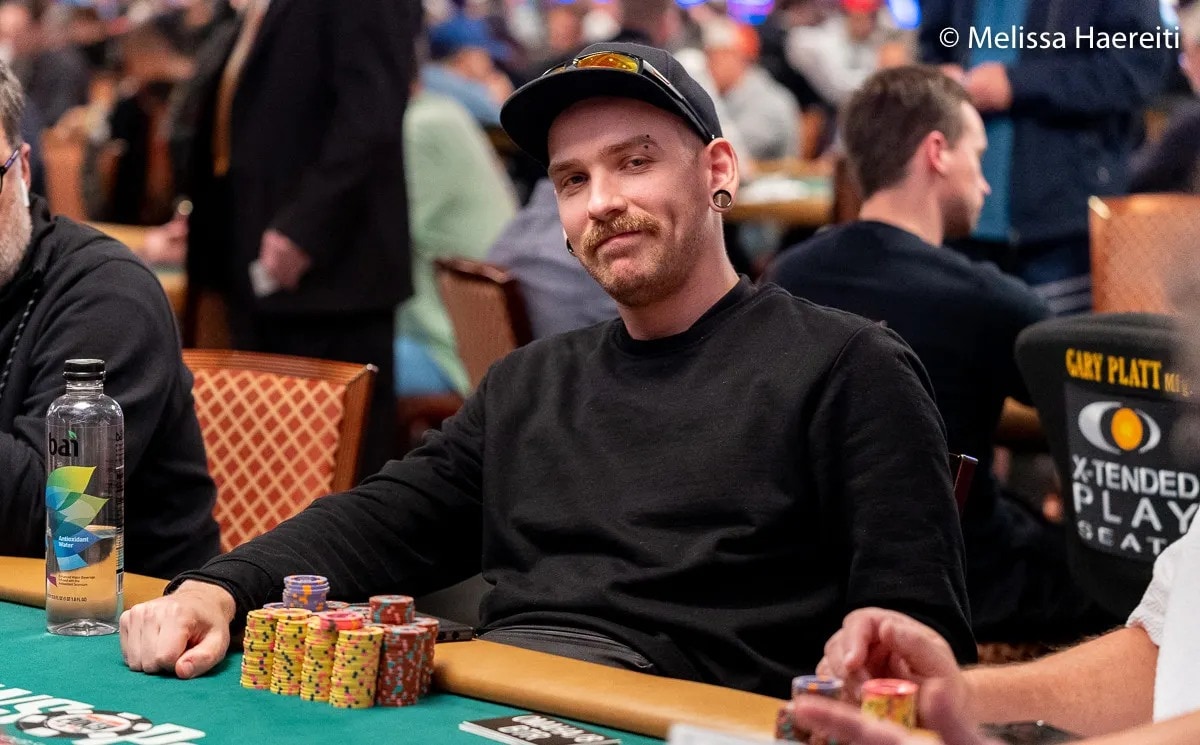
Dykalis started in April 2018 with $100. Already in one of the first days, the cash specialist showed he was also good at MTTs, winning a Zoom tournament for $1.1. Later, one of the events with the same buy-in brought him $280. Over the starting two weeks, Zyrin played 900 tournaments with an average buy-in of $2 at a 56% ROI and built his bankroll up to $732.
But that was only the beginning. In the third week, Dykalis took $872 for winning a knockout tournament, $2.2 Bounty Builder, which he played from his phone. A little later he banked $737 in a $16.5 NLHE Deepstacks. Such results allowed him to increase his bankroll to $3,000 by the end of the first month. During this time, Zyrin played 2,500 tournaments, that is, an average of 80 per day.
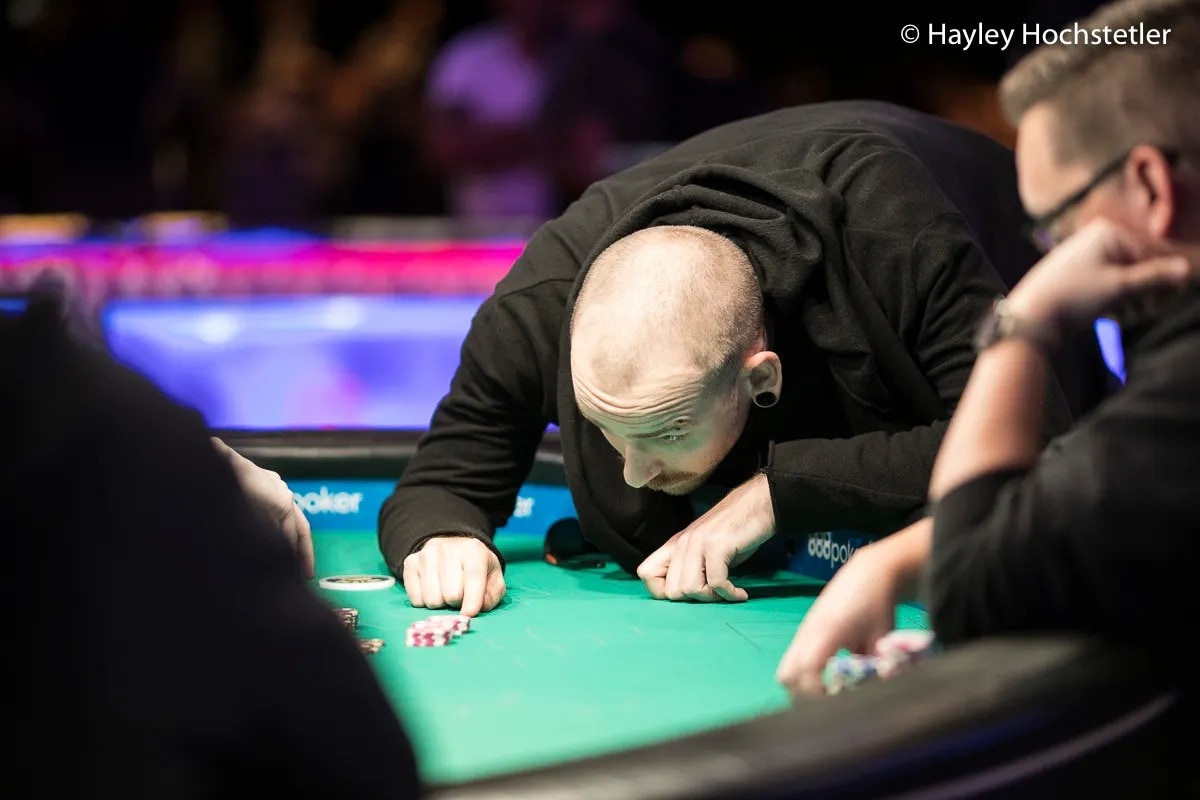
At this stage, the future WSOP champion caught an upswing, and over the following ten days reached the $5,000 mark, and by day 50 the bankroll broke through the $6,000 barrier. But then Dykalis faced a drop in motivation and increased resistance from opponents at higher stakes.
«The initial drive has faded, I'm playing a lot less now, but overall I still enjoy it and I'm not going to stop. Because of the drop in motivation, the quality of play suffers in places. Plus, because of the increase in ABI, the toughness of the field has gone up, so my winrate has dropped to 8 over the last 150,000 hands», — Zyrin wrote in his blog.
However, none of these psychological difficulties stopped Zyrin from booking three of his biggest scores over the following few days, each of which exceeded $1,000. On day 58, the starting bankroll had increased 100-fold! By this point, Dykalis had played 4,621 tournaments with an average ROI of 44.7%.
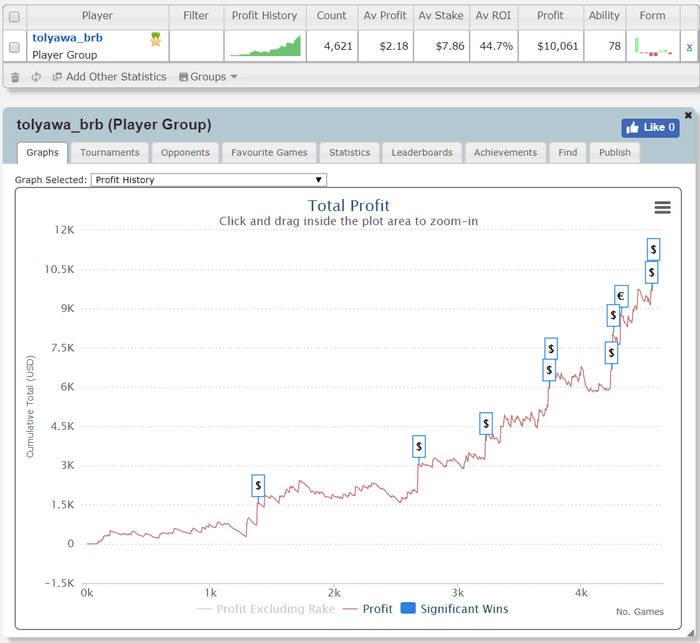
But that wasn't all. The next day, Zyrin won a progressive knockout tournament for €10 and earned €1,436. The marathon came to an end on 18 June. After a small downswing, Dykalis won a $22 6-Max Turbo Progressive KO, taking $2,305 including bounties, and brought his bankroll up to $12,300. Over 60 days of MTT grinding, the cash specialist increased his starting capital 120-fold. At the same time, Zyrin himself acknowledged in his blog that luck helped him complete the marathon successfully.
Of course, these are far from all the famous marathons in poker history. And although many of the stories in our roundup happened many years ago, challenges like these haven't stayed in the past. In 2024, Canadian Kevin Martin launched «Poker From Zero» with a 24/7 stream, and last year that same Doug Polk failed to complete his marathon on ClubWPT World. These challenges continue to live on, which means the future still holds many more stories about breakthroughs from zero to hero.

Free course · FF Start
See poker through a player's eyes
Understand why the pros make the moves they do — and start making those decisions yourself.