WSOP Online Effect — a Boost for the Series or a Blow to Its Prestige?
In 2026, WSOP Online is dozens of tournaments, thousands of players worldwide, and serious disputes within the community. Let's dig into how the series grew to such enormous scale, and what complaints leading regulars have raised.
The WSOP Online series lives a double life. It's split into American and international versions. Today, each of them gives dozens of chances for players around the world to win a prestigious bracelet without having to travel to Las Vegas. This approach has both supporters and opponents. Skeptics even suggest that by 2026 the series has hit the limit on the number of titles that need to be awarded.
The first online bracelets
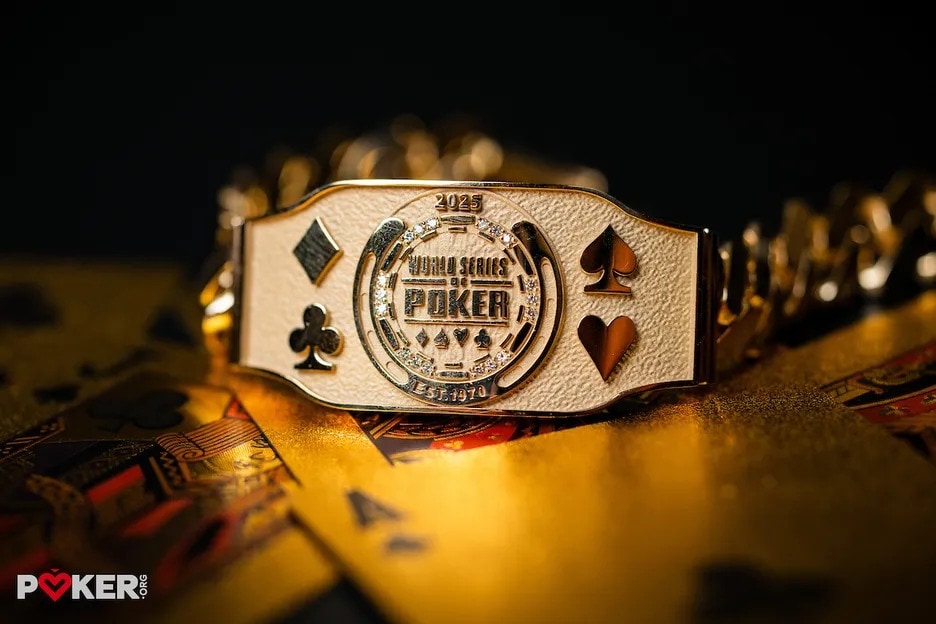
The very first online bracelet was played out in early July 2015. However, the WSOP.com Online No-Limit Hold'em event with a $1000 buy-in wasn't fully played online. Six people made the final table and traveled to Las Vegas to finish the event live.
The event drew 905 entries and a prize pool of $859,750, making it the largest regulated poker tournament in the US at that time. The winner was Anthony Spinella, for whom this bracelet became the first and only one of his career. The American almost skipped the event, but a friend called him an hour after it started and said the field looked weak. Only then did Spinella decide to register.
After two days online, a group of six finalists was formed. The participants were given a short break so they could get to Vegas. The deciding part at the Rio took less than three hours. Spinella knocked out two opponents and won the heads-up against Hunter Cichy, taking home $197,743.
"Of course, it's much more interesting to play and finish a tournament live. I wanted my first bracelet to come from a live tournament, but I'll take what I got," Spinella said after his victory.
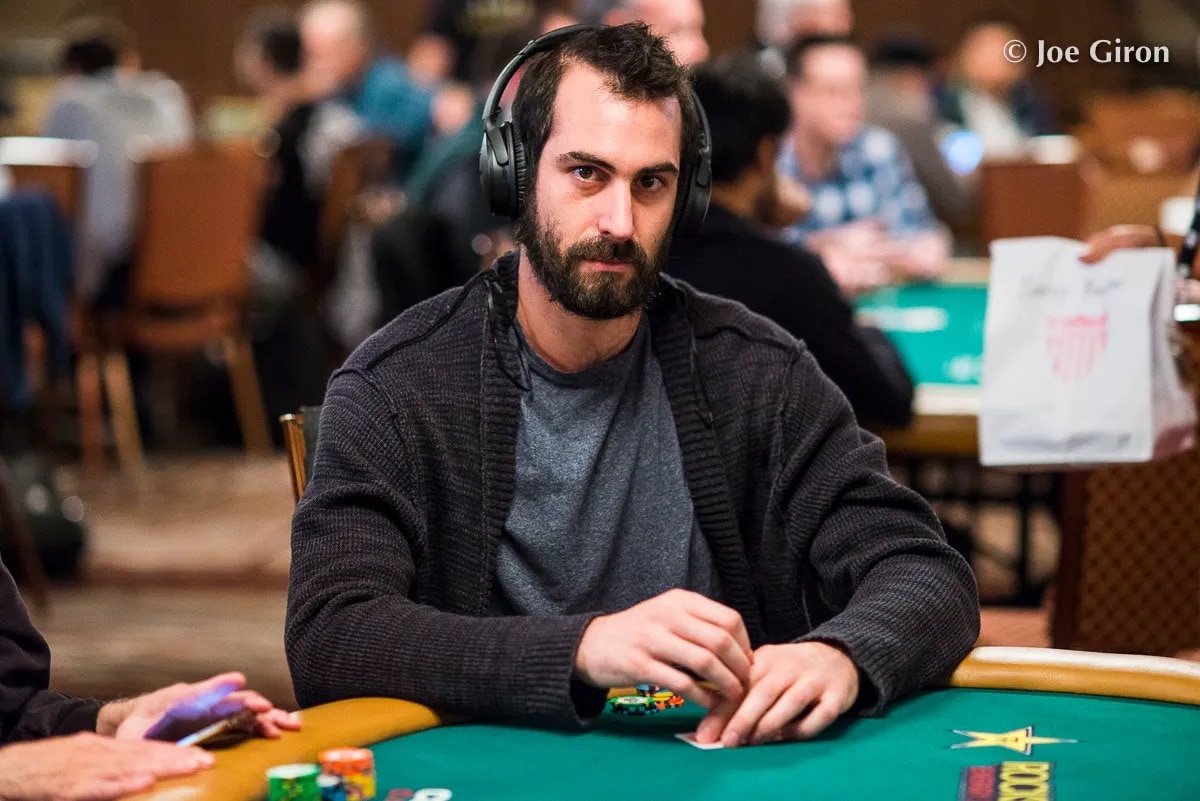
The WSOP press office was pleased with the experiment. A publication on the World Series website stated that the format was destined to become an integral part of future festivals and a possible model for a new poker boom.
In 2016, the tournament ran unchanged and drew 1,247 participants. The champion was Clayton Maguire, who beat Bulgarian Simeon Naydenov heads-up and took home $210,279. And the following year, one event turned into the mini-series Summer Grind Tour. It featured three events with buy-ins of $333, $1000, and $3333.
An important distinction was that all the tournaments were played entirely online. Payouts in the two more expensive events already broke the quarter-million mark. The champion of the $1000 NLH Online Championship, Nipun Java, took home $237,688, while the winner of the $3333 Big Grind NLH High Roller, Tom Cannuli, received $322,815.
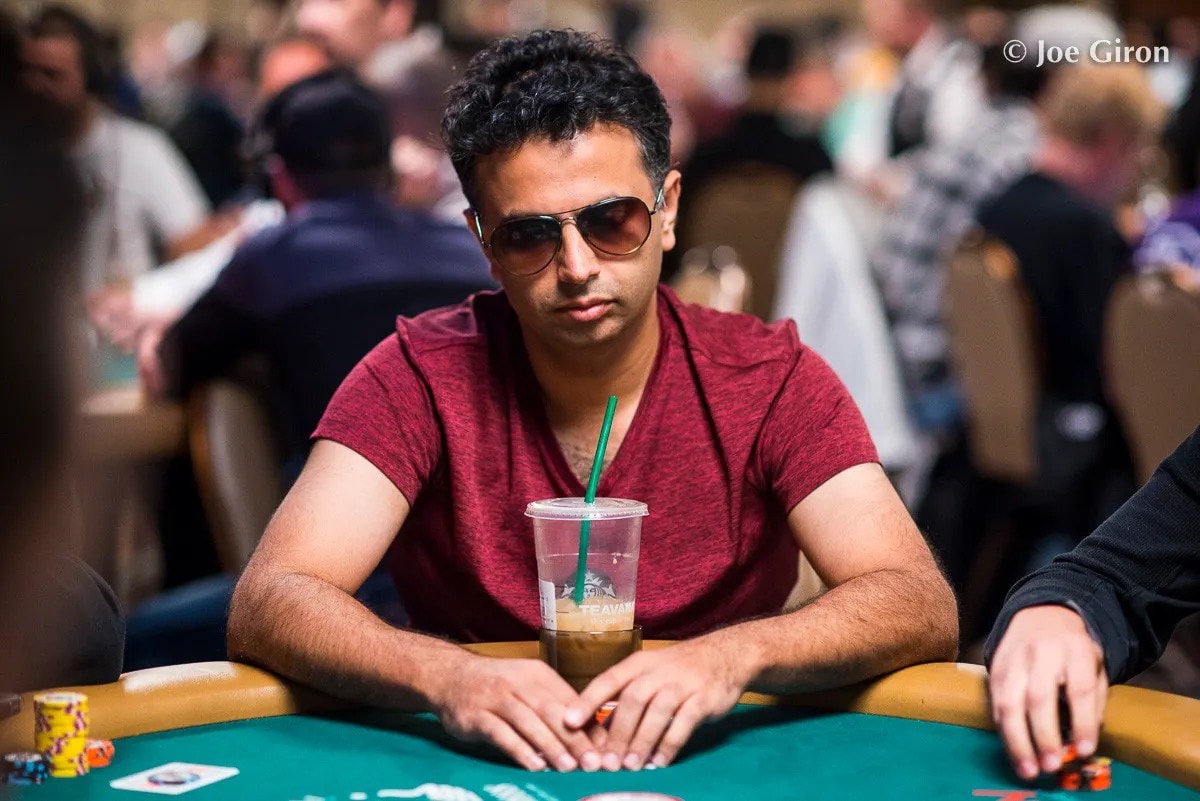
Java, by the way, became the first player in history to win a bracelet both in a live tournament and online. A month before his WSOP Online victory, the Indian poker player, along with Aditya Sushant, won the $1500 Tag Team NLH.
Over the next two years, the number of tournaments continued to grow. There were four events in 2018 and nine in 2019. Fields steadily broke the 1,000-player mark, and one of the events drew 2,972 entries.
In addition, in 2018 Chance Kornuth matched Nipun Java's achievement, adding an online title to his live bracelet. The renowned American regular won the $3200 NLH High Roller, beating David Goodman heads-up. This result earned Kornuth $341,598.
The post-COVID surge
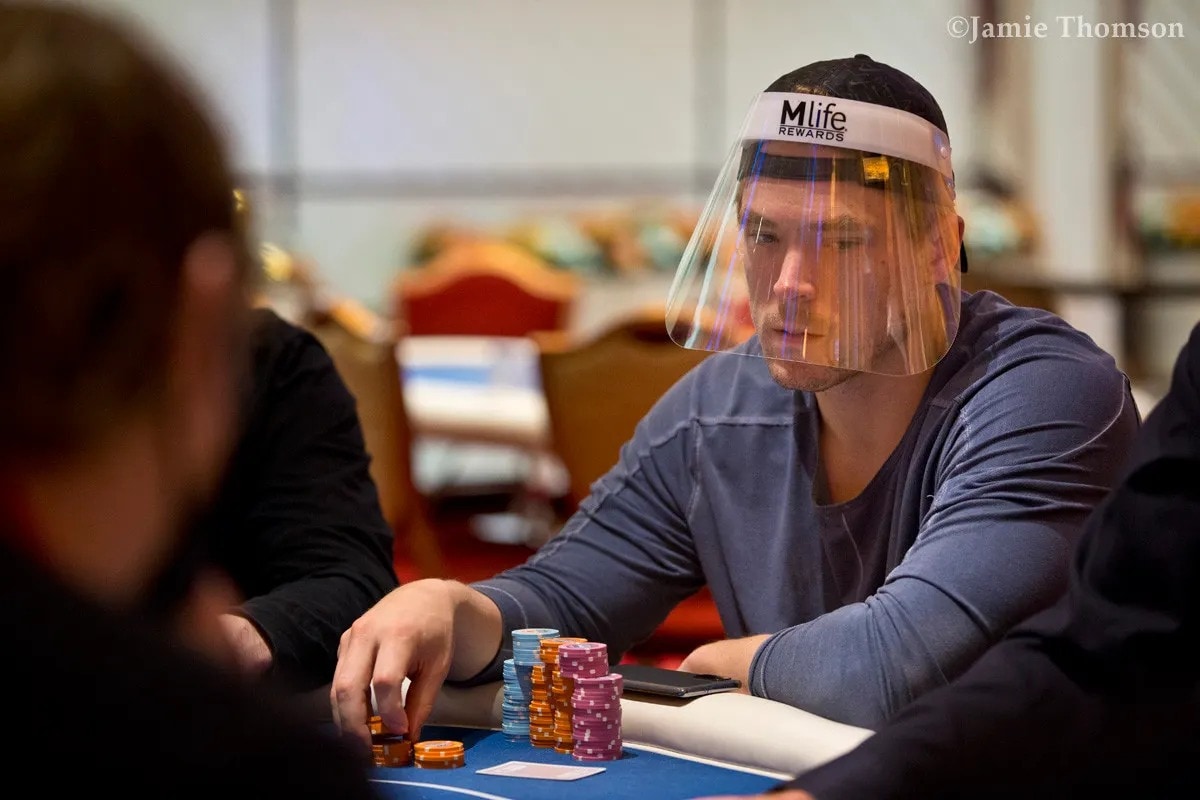
The coronavirus pandemic in 2020 led to massive lockdowns around the world. This, of course, affected the World Series of Poker as well. The traditional festival in Las Vegas was cancelled, but one live bracelet was still awarded.
To make this happen, the organizers had to come up with an unusual format. The Main Event with a $10,000 buy-in was split into two brackets, which were played online. In the international bracket, 674 poker players competed on GGPoker, and the final table of nine was held in Rozvadov, Czech Republic. The winner was Argentine lawyer and professional player Damian Salas, who earned $1,550,969.
In the American bracket, 705 participants from Nevada and New York competed on the WSOP.com platform. The final 9-max took place in Las Vegas and ended with a win for Joseph Hebert, who earned $1,553,256.
On January 3, 2021, Salas and Hebert met in the deciding heads-up match at the Rio in Vegas. The tense battle dragged on for 173 hands, and in the end the Argentine player became champion. Salas took home the main WSOP trophy and an additional $1,000,000.
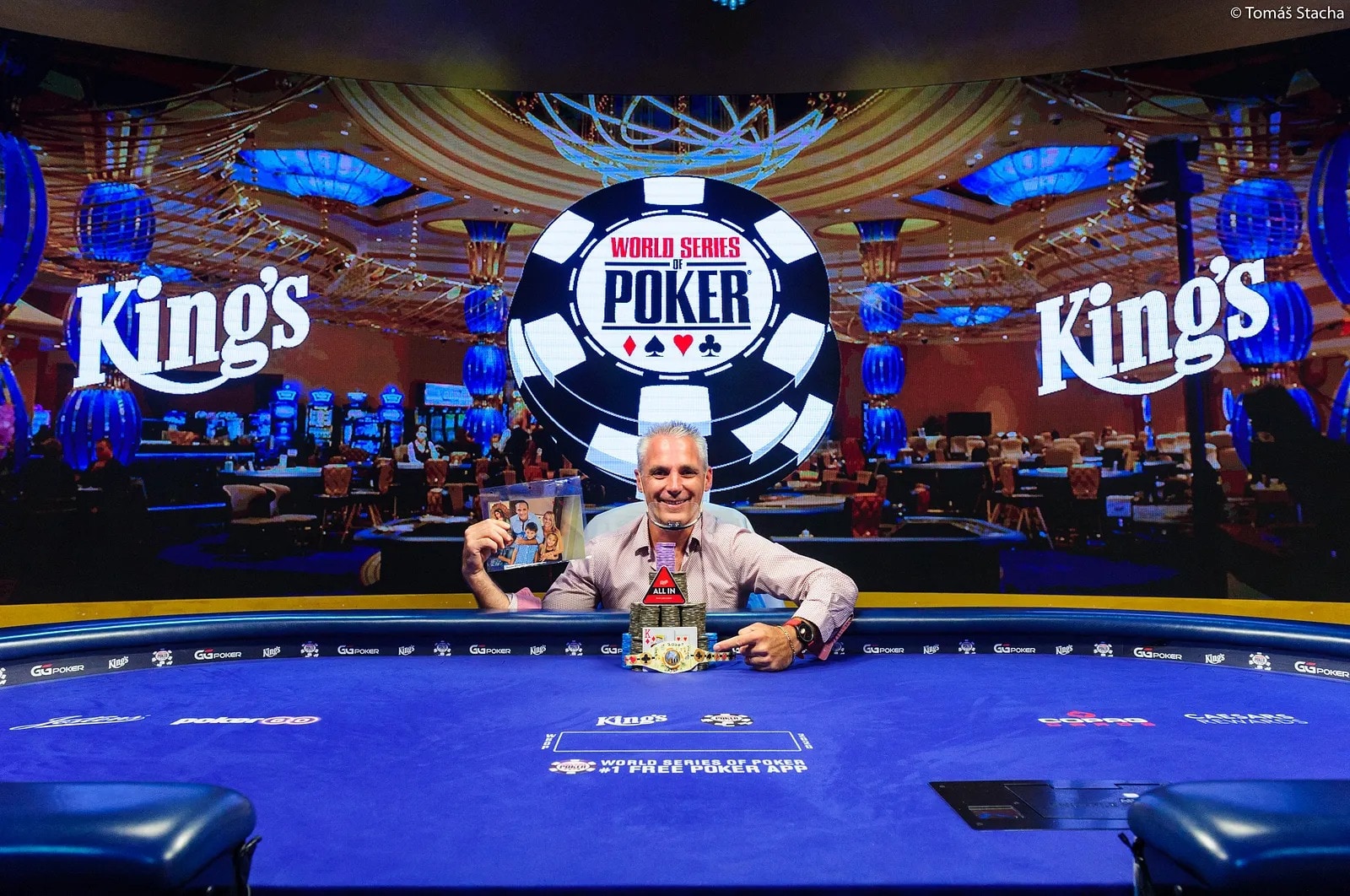
At the same time, the first large-scale WSOP festival was running in parallel. The series' executive director, Ty Stewart, emphasized that the organizers didn't want to leave players without poker for the summer:
"Summer wouldn't be summer without the WSOP. We're thrilled to reopen our doors and remain optimistic about future offline events, but we are even more excited to deepen our relationship with GGPoker and watch history being made online this summer."
In 2020, the WSOP Online schedule had 85 tournaments. Moreover, they, like the field in the hybrid Main Event, were split into American and international brackets. There were 31 events organized for players from the US, and 54 for poker players from the rest of the world.
Let's note the successful performance of Russian-speaking players. Russian Anatoly "Pohitrusha" Suvorov won a bracelet in the $150 GGMasters WSOP Edition, outlasting a huge field of 12,215 entries, while Belarusian regular Roman Afanasenko became champion of the $500 NLH Turbo Deepstack 6-Handed, beating Chance Kornuth heads-up.
The largest sum earned among Russian-speaking poker players went to Konstantin Maslak. The Russian player received $1,189,451 for second place in the $25,000 People's Choice Heads-Up Championship, losing in the final duel to American top reg Chris Brewer.
The online series also featured its own Main Event, with a $5000 buy-in. This tournament drew 5,802 entries and surpassed the $25,000,000 guarantee, forming a prize pool of $27,559,500. The event made it into the Guinness Book of Records for the largest prize pool in the history of online poker.
The champion of the Main Event was Stoyan Madanzhiev, who earned a then-record $3,904,868 for an online tournament. In the heads-up, the Bulgarian beat poker player Wenling Gao, who had qualified for the event through a $500 satellite and turned that investment into $2,700,000 in winnings. After the win, Madanzhiev simply couldn't find the words to express his emotions.
WSOP's post about Madanzhiev's win: https://x.com/WSOP/status/1302432643946962946?s=20
Since then, the WSOP Online series has become an integral part of poker. However, the organizers reconsidered their approach to distributing tournaments. On the international GGPoker bracket, 33 events started being held, and this number has remained unchanged since 2021.
The number of events for players from North America, however, began to increase. In 2021, 52 tournaments were held on WSOP.com, 77 in each of the next two years, then it became 82, and in 2025 the number dropped to 71. This is related to the series expanding into new markets. Pennsylvania and Michigan joined the WSOP pool, followed by the Canadian province of Ontario.
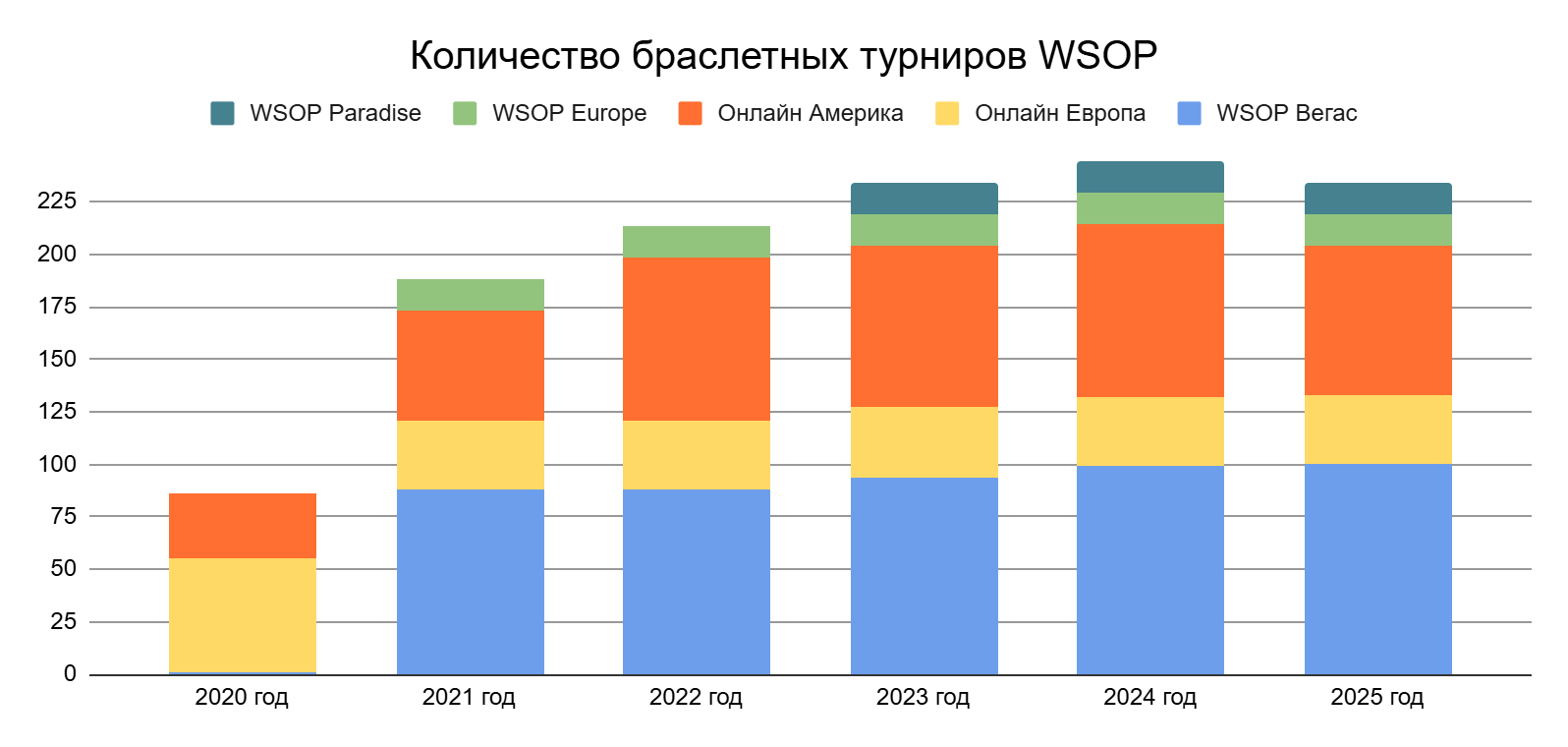
The number of entries kept growing too. In 2021, WSOP Online drew a total of 127,900 participants, and in 2025 — already 164,800. However, these figures are far behind the numbers from the COVID-era festival, which drew 239,700 entries.
The sharp drop in "attendance" after the pandemic also affected the Main Event. In 2021, for the first and so far only time in history, it became an overlay event. WSOP announced a guaranteed prize pool of $20,000,000, and the organizers had to add $563,000 to reach that sum.
Of course, there were also reverse situations, since cheap tournaments drawing massive fields also appeared on the schedule. For example, in 2020, 44,576 poker players took part in the $50 Big 50. However, that insane number was later topped by the $215 Mystery Millions event, which grew year after year. In 2022, the event drew 51,003 entries, and in 2025 — 53,758!
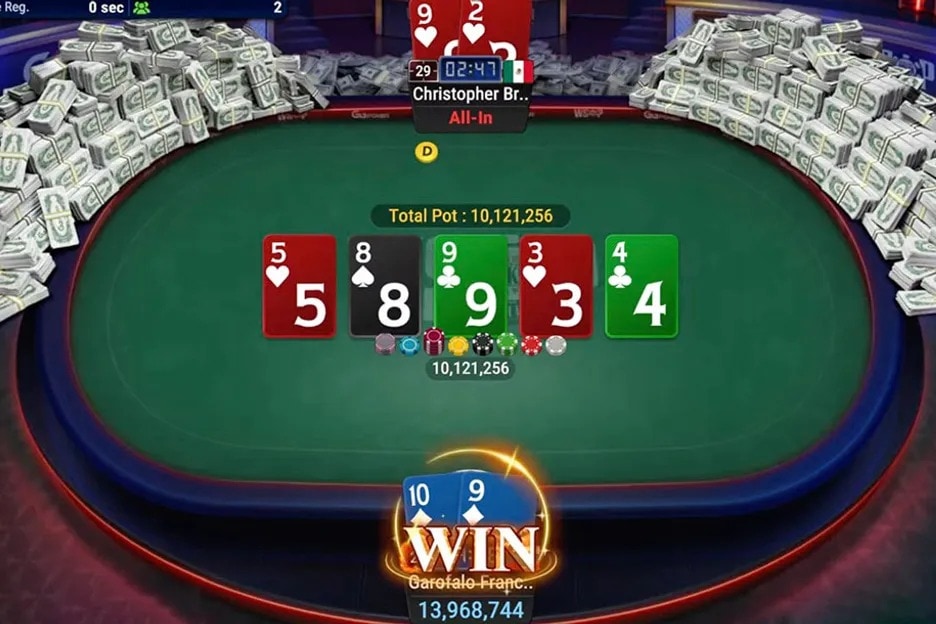
The most expensive tournaments remain the $25,000 events. A scandal in 2024 was linked to one of these. Francesco "forzaitalia" Garofalo, unknown to anyone at the time, became champion of the GGMillion$ Super High Roller, making it past real stars at the final table: Ole Schemion, Dimitar Danchev, Adrian Mateos, Patrick Leonard, and Bryn Kenney. In the heads-up, the Italian outplayed Chris Brewer and took home the top prize of $1,122,201.
However, a few weeks later, players began receiving additional payouts for this tournament. The reason was that GGPoker banned Garofalo for the most serious rule violations and redistributed the prize money. However, the platform didn't specify exactly what the Italian had done, which led to theories about multi-accounting, real-time assistance (RTA), or collusion.
Learning at FunFarm, from any level
Reaching a plateau
As we could see in the chart above, the expansion of the pool in the US led to an unprecedented increase in the number of online bracelets. From 2020 to 2024, 505 trophies were awarded online versus 464 in live events.
It seems this explosive growth has peaked in recent years, and now the number of tournaments will decline. In 2025, the number of bracelet online events dropped from 115 to 104, though this was related to Pennsylvania joining the common American pool. As a result, WSOP no longer needed to hold separate tournaments for players from that state.
This year, at least 96 online bracelets will be awarded. 30 bracelet tournaments were held in the summer for poker players from the US, and in August an international festival started with 33 titles on the line. And a week ago, Caesars Entertainment, which operates WSOP Online in the United States, announced that another series with 33 bracelets will be held for American players from September 27 to November 10.
Events for poker players from Ontario may also return. Over the last three years, WSOP held eight such events. If their number stays the same, then in 2026 online series will once again award 104 bracelets. However, back in late August, GGPoker reported that they had not yet made a final decision regarding tournaments for the Canadian pool.
Figures from recent years show that bracelet online tournaments have stopped growing at the same rapid pace and have reached a plateau. It's possible that further expansion of the series would simply be impractical, especially given the debates within the community around online titles.
Controversial bracelets
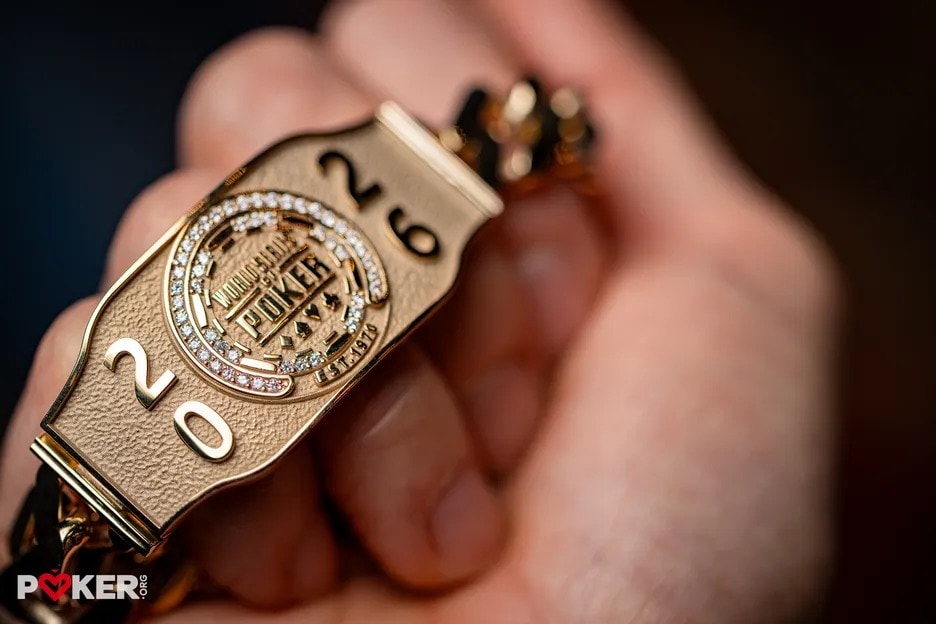
The rapid growth in the number of bracelet online tournaments was, of course, a forced measure amid the pandemic. Before it, as we've seen, WSOP Online had been growing in scale in small steps. And, naturally, professionals at first welcomed this innovation with joy.
Daniel Negreanu compared the launch of the online series to the boom of the 2000s and welcomed the wider accessibility of World Series titles:
"It reminds me of the era of the poker boom. Now, anyone who dreamed of winning a real WSOP bracelet can do it anywhere in the world. Nothing compares to the feeling of winning a WSOP bracelet, and GGPoker is opening up that opportunity for everyone."
Fedor Holz agreed with Negreanu's position. The German top reg also admired the fact that players from around the world got the chance to compete for a bracelet without leaving home.
However, opinions in the community soon diverged. Already, Stoyan Madanzhiev's win in the WSOP Online 2020 Main Event raised a question: can he be considered a true champion of the World Series' Main Event? The reason for the skepticism was that, unlike the live Main Event, that tournament allowed two re-entries. This discussion was closed by Damian Salas's subsequent victory.
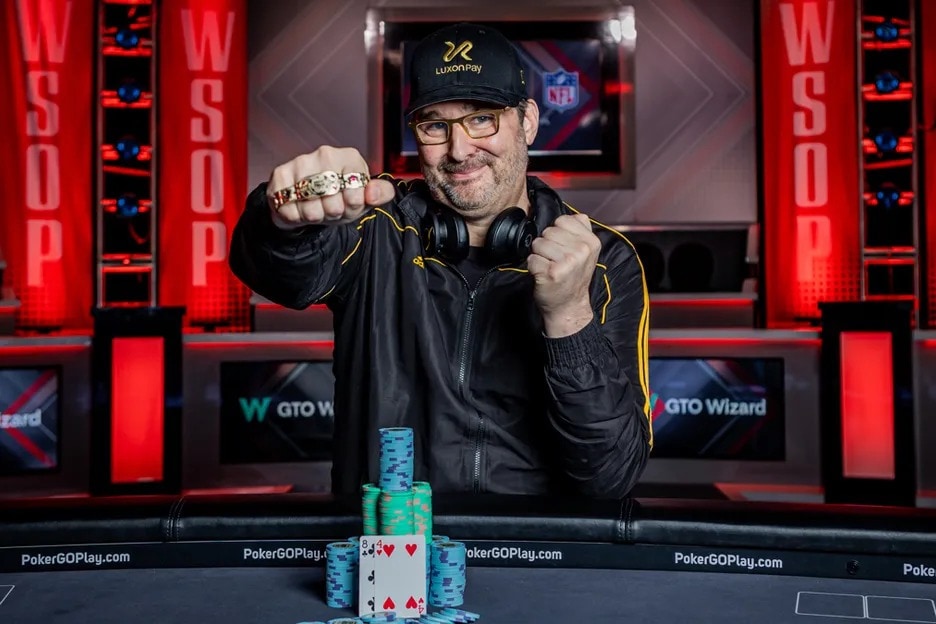
Another dispute, which hasn't died down to this day, concerns the prestige of the bracelets. Many professionals believe that awarding almost 300 titles a year devalues them. For example, 17-time WSOP champion Phil Hellmuth last year suggested limiting it to a hundred bracelets a year:
"We need to award 50 bracelets in Vegas, 10 in the Bahamas, 10 in Europe, 10 in Asia, and 20 online. If they keep handing out 300 bracelets a year, they'll seriously devalue them. Many of us believe the World Series isn't as valuable as it used to be. And if they keep handing out 300 bracelets a year, eventually they won't be worth anything."
British regular and coach Patrick Leonard has consistently criticized online bracelets. He even suggested changing the trophies in WSOP Online tournaments. According to Leonard, gold bracelets should only be awarded for wins at the series in Vegas, while online event champions could be awarded watches instead.
A similar idea was voiced by Jeremy Ausmus, who won two of his six bracelets online. The American professional advocated introducing silver bracelets for WSOP Online champions. This proposal was also supported by Phil Hellmuth, who is fiercely protective of his record for the most World Series titles.
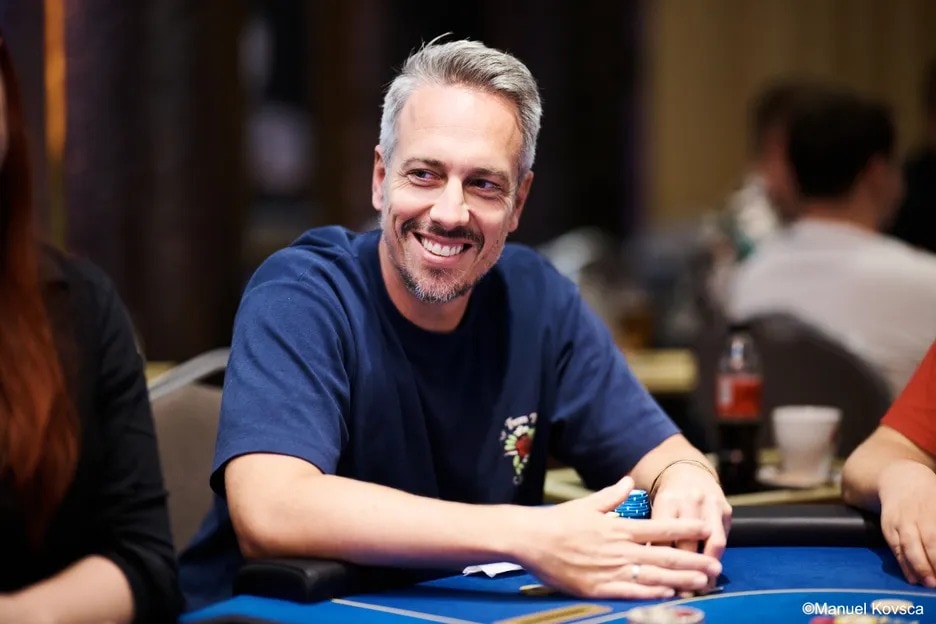
But, of course, there's also an alternative point of view. For example, Dutch regular Lex Veldhuis stated that online champions deserve gold bracelets, since they too face the strongest opponents at the tables:
"Online bracelets are devalued exclusively by people who have never played these tournaments themselves. Can you imagine what the tables look like there? On one side Juan Pardo and Niklas Astedt, on the other Simon Mattsson, Patrick Leonard, and Artur Martirosyan. Is that easy, in your opinion? Trust me, winning a tournament like that is far from simple. Someone who wins against a lineup like that deserves a bracelet."
Legendary WSOP commentator Norman Chad also speaks about the equal standing of live and online bracelets. He too points to the high level of play online. At the same time, Chad stated that separate awards should have been devised for online tournaments from the start, and that, in addition, many security issues in digital rooms need to be resolved. And, of course, that the mostly hold'em-focused WSOP Online schedule should be diversified with mixed games.
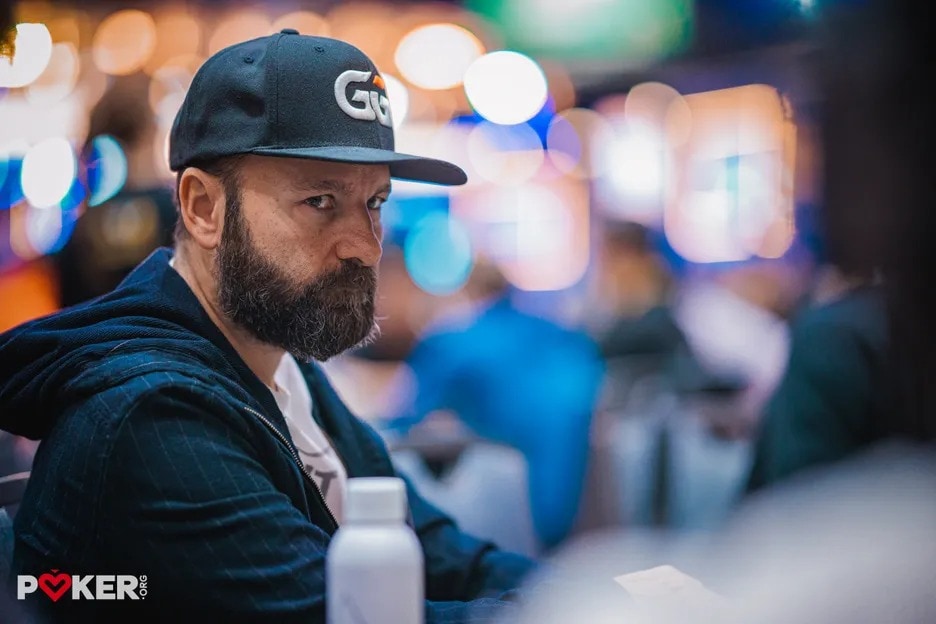
At the end of last year, Daniel Negreanu supported Hellmuth's proposal to reduce the number of bracelet tournaments. However, the Canadian said it would be better to limit it to 150 events and not shrink the Las Vegas festival down to 50 events. With such a reduction, mixed-game tournaments, which Hellmuth himself loves so much, would be the first to suffer.
At the time, Negreanu also said that he himself doesn't play WSOP Online, since online events make him uncomfortable. However, it seems Daniel has changed his mind, since this year he specifically traveled to Vancouver to properly play through the online series. And he did quite well — the Canadian regular made the final table of three tournaments within a week and ended up earning $559,361, even though he didn't win his ninth bracelet.
Should we expect changes?

As we can see, even top players are advocating for a reduction in the number of bracelets. Statistics from the last two years also tell WSOP organizers that the growth of the online series has stalled. However, the owners are unlikely to want to drastically cut the number of online tournaments or, in line with other proposals, introduce new trophies for champions.
Many players from around the world are drawn to WSOP Online precisely by the chance to join the elite club of gold bracelet holders — poker's top award. If the organizers take away that chance, they're quite likely to face a drop in interest toward the online series and, as a result, a decrease in rake and lost revenue.
For now, it seems WSOP Online will continue to exist in its current form, possibly settling at around 104 bracelet tournaments a year. And while one part of the community keeps complaining about this number of events, many other players will keep trying to make their dream of a World Series title come true.

Free course · FF Start
Reading about poker? Time to play
The free FF Start course: rules, positions and your first decisions at the table in one clear system.