Poker Cinderellas. The biggest sensations of WSOP Main Events
The final table of the World Series Main Event is a coveted goal for many poker players. But it's not only seasoned pros who make it under the spotlight — sometimes the most unexpected heroes do too. Here are a few of these sensations.
The final table of the 2026 World Series of Poker Main Event has begun. It features neither the established favourites Shaun Deeb and Michael Mizrachi, nor the legends Phil Hellmuth and Daniel Negreanu, but it does have several new faces. The most notable of them is chip leader Lucas Jumalon. Simply by reaching the final table, the 22-year-old American has added himself to the list of WSOP sensations. And Lucas is in excellent company there.
The architect of the poker boom

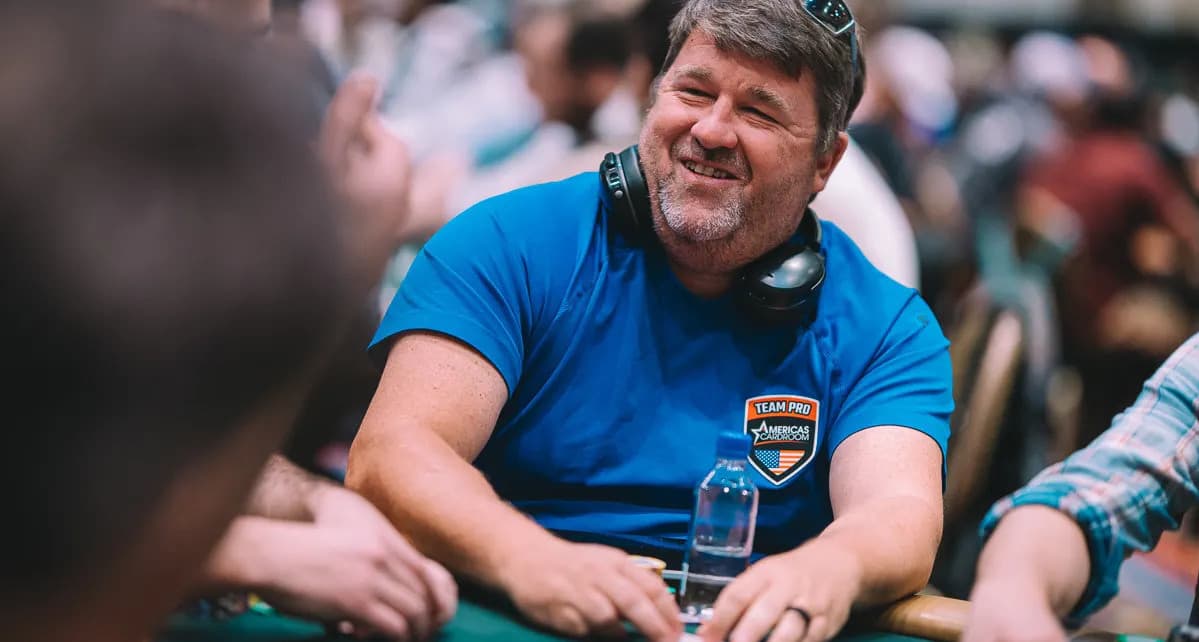
It is impossible to begin a story about WSOP Main Event sensations with anyone other than Chris Moneymaker. It was his meteoric breakthrough to the very top that gave an enormous boost to poker's popularity in the early 2000s.
Before his triumph, Moneymaker worked as an accountant in Tennessee, and poker was merely a hobby for him. In the noughties Chris began exploring the then very young field of online poker, and it was precisely that which took him to the 2003 WSOP Main Event. What's more, it came as a surprise to Moneymaker himself — he thought he was playing a Sit-n-Go on PokerStars with a cash prize, but the prize turned out to be a seat in a $650 WSOP Main Event satellite. For many years it was believed — and even Moneymaker himself said so — that the first tournament was a $39 satellite. Later, however, PokerStars established that the future champion had played in an event with an $86 buy-in.
In the second satellite, at the 4-max stage, Moneymaker tried to drop out in order to earn the $8,000 he needed at the time. He was prepared to give up the ticket to the WSOP Main Event awarded to the top-3 finishers in exchange for funds to clear his credit card debt. Chris was talked out of it by a friend who promised him $5,000 for a share in the World Series. Moneymaker agreed and won his seat in the Main Event.
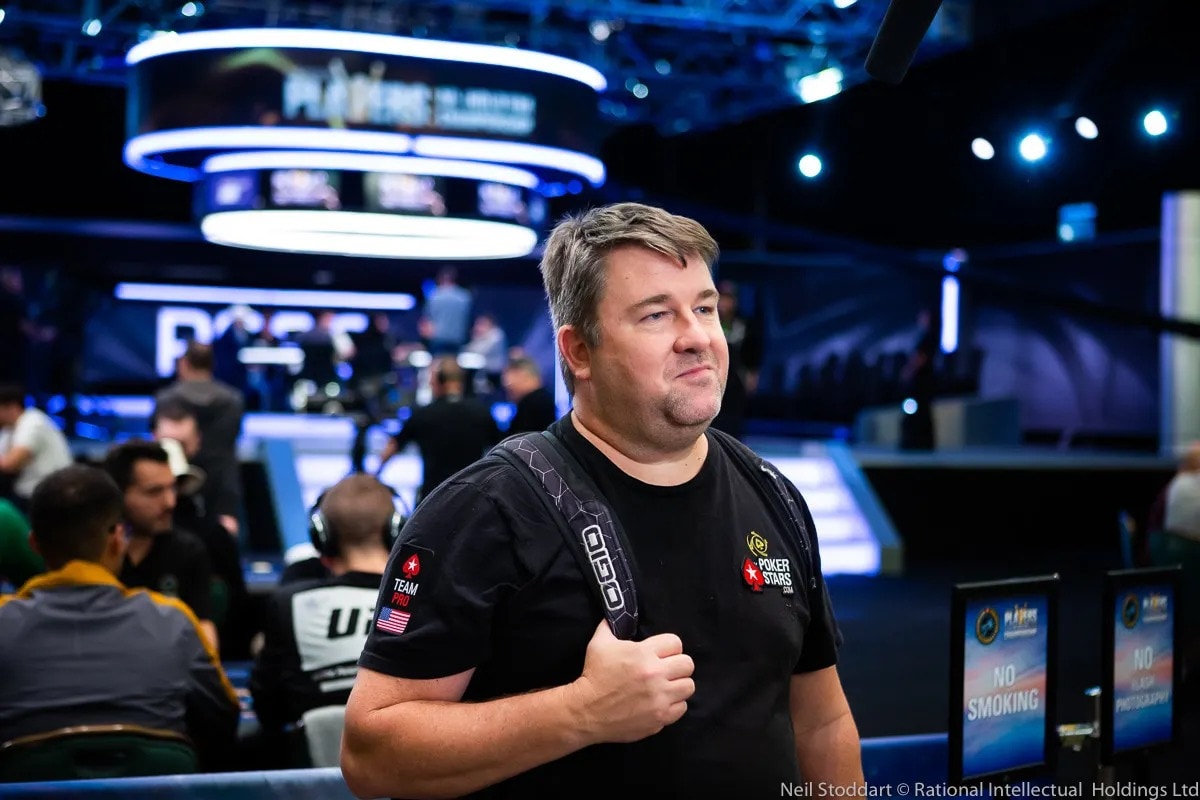
Only the friend himself blew all the money in a casino. Moneymaker was then helped out by his father and another friend. They helped pay for the trip to Las Vegas, buying small shares of his potential winnings for $4,000. Moneymaker made a calm start to the WSOP Main Event, building a stack of 180,000 chips by the second day. Then multiple bracelet winners Johnny Chan and Phil Ivey sat down at his table, and the future champion lost 80,000 chips by the end of the day.
Over the following days Moneymaker climbed to chip leader status and knocked out several opponents, including former Main Event champion Dan Harrington and Phil Ivey himself. In the heads-up his opponent was the professional Sam Farha. And in that duel Chris pulled off one of the greatest bluffs in WSOP history. Moneymaker moved all-in with K♠️7♥️ against Farha's Q♠️9♥️ on a 9♠️6♠️2♦️8♠️3♥️ board, forcing his opponent to fold and increasing his stack to 6.6 million chips.
In the decisive hand Moneymaker, holding 5♦️4♥️, made a full house on the river against Farha's two pair. "That's even better than a fairy tale! It's unbelievable!" — that was how ESPN commentator Norman Chad reacted to the sensational victory of the accountant from Tennessee. Moneymaker claimed the bracelet and earned $2,500,000. On top of that, PokerStars offered the newly crowned champion a sponsorship contract that included trips around the world to play live tournaments.
"I think a lot of people will always think of me as the lucky guy who won the WSOP Main Event. They feel that if I could do it, they can too," Moneymaker said in an interview 15 years after his win.
Moneymaker's life did not change instantly. Soon after the tournament he went back to work at his accounting firm, since nobody yet knew about his triumph. Fame came to him when ESPN aired the episodes about the WSOP Main Event. Only after that did he devote himself entirely to poker.
However, the poker travelling led to a divorce from his wife, after which Moneymaker was left almost penniless. Advertising contracts and public appearances helped him restore his finances. For several years the former accountant toured the world, played poker and threw parties. Marriage to his second wife and the birth of two children prompted Chris to give up that lifestyle and devote more time to his family.
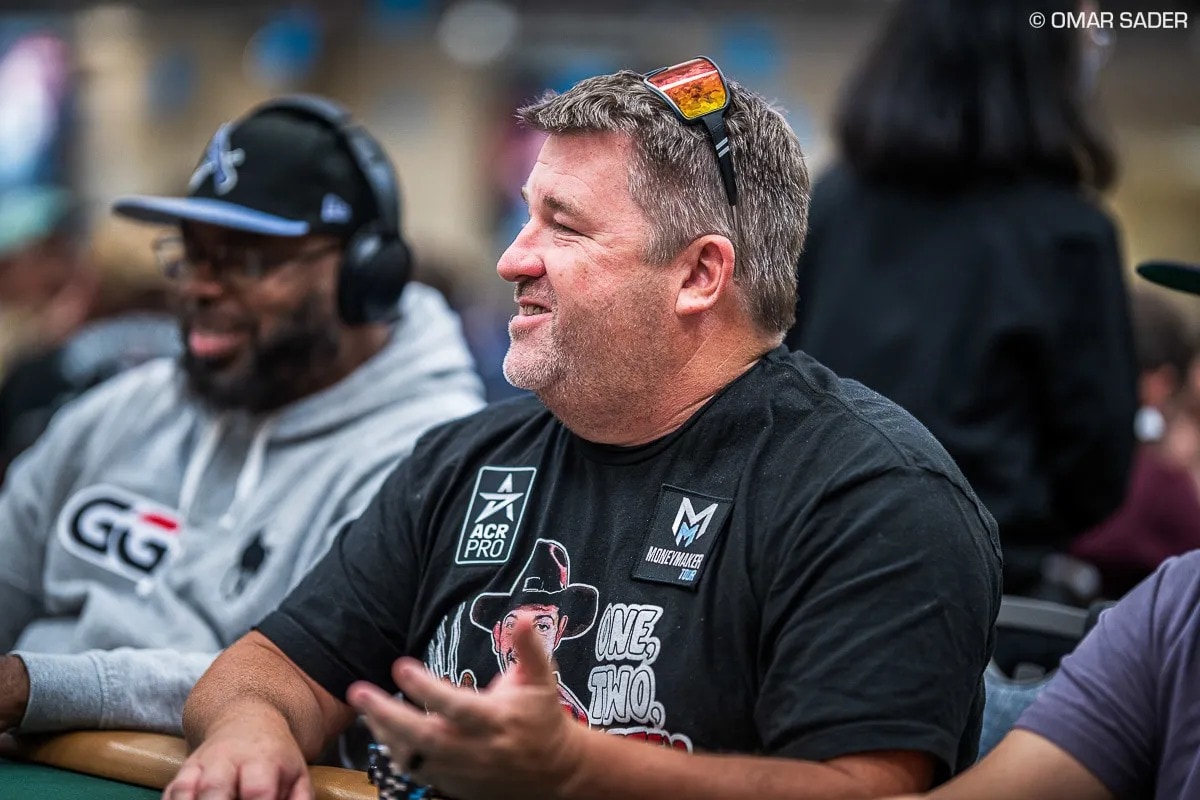
Moneymaker's victory, combined with the WSOP broadcast on ESPN, led to a huge surge in poker's popularity. The phenomenon is known worldwide as the "Moneymaker Effect". While 839 people played the Main Event in 2003, in 2004 that number rose to 2,576, and a year later to 5,619.
«Even in my wildest dreams, I couldn't have imagined how much this would change poker. Honestly, I thought I'd go back to work and play poker from time to time, but it would only be a small part of my life. I was wrong,» — Moneymaker said later.
Two outstanding female poker players
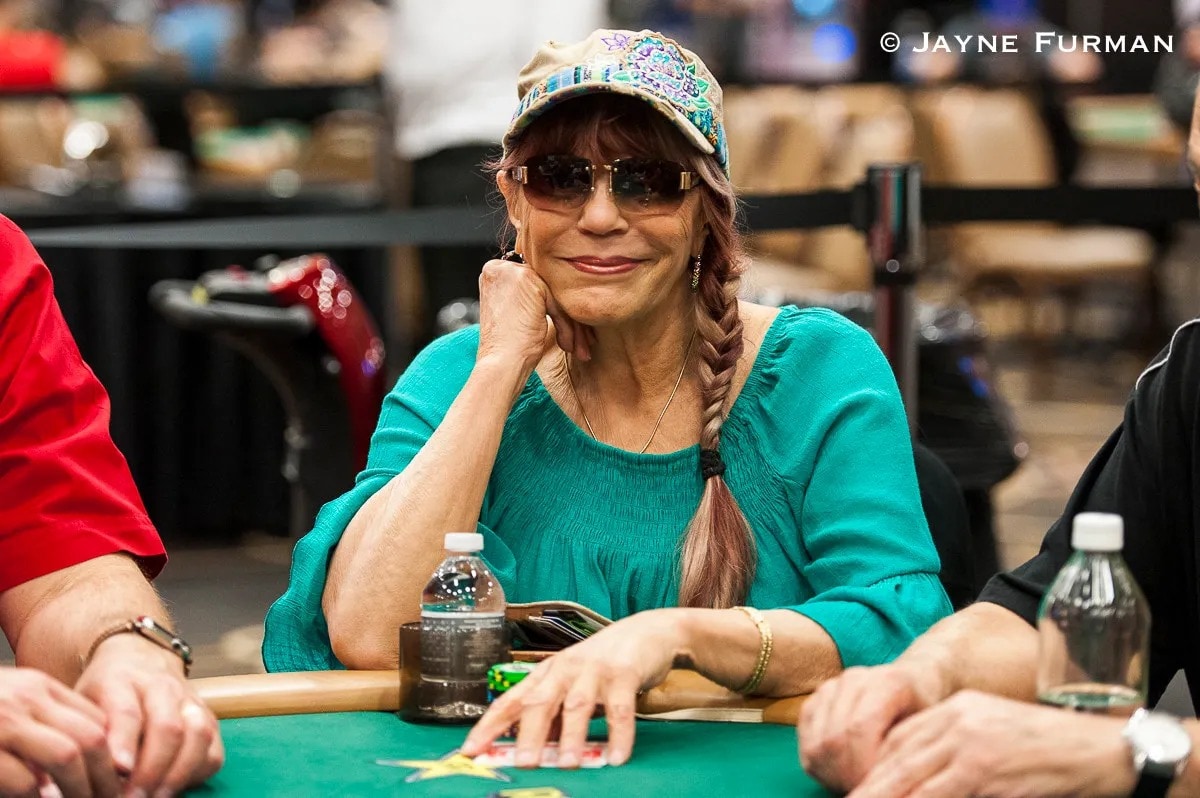
Poker remains an industry dominated by men. However, more and more women are starting to play at a high professional level. And this wouldn't have been possible without the outstanding results of female players in the WSOP Main Event. The first to make herself known on the main poker stage was Barbara Enright.
Enright started playing back in the 1970s in California card rooms, combining cash games with work as a hairdresser, waitress and bartender. However, her cool head, intuition and sharp mind helped her reach a professional level and start supporting her family through poker alone.
In 1986, Enright won her first World Series bracelet, taking down the women's seven-card stud tournament. Eight years later, the poker player repeated that success, but an even more important achievement came in 1995. That year, the WSOP Main Event drew 273 entries, and Enright became the first woman to reach the final table of the event.
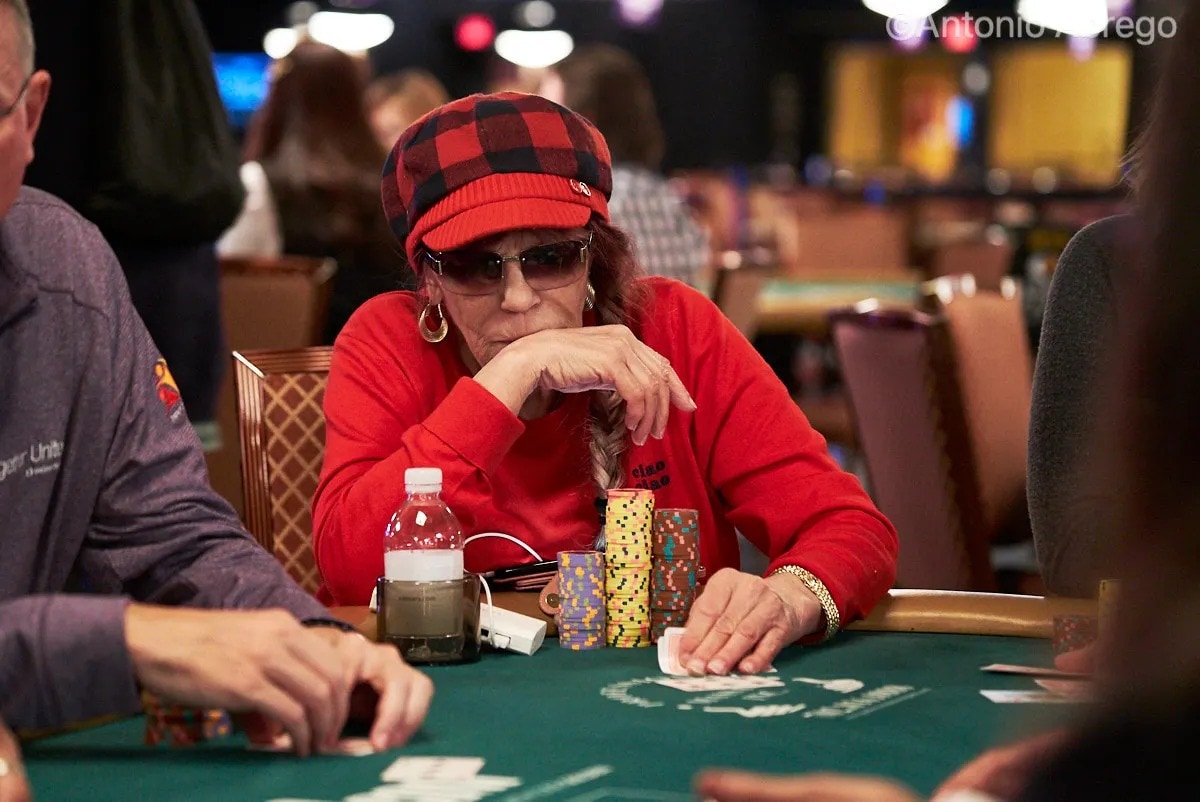
True, Enright had to qualify for the Main Event through a $220 satellite, because the backer she was working with refused to buy half her action. As time would show, that was a bad decision, one that cost the backer $57,000. Enright not only made it to the 9-max stage, but also reached the televised table, where six players remained.
And Barbara Enright didn't bust out due to her own mistake, but rather a painful bad beat. Brent Carter with suited 6-3 outran the poker player's pocket eights, making two pair on the flop. Still, Enright had already written her name into history and earned $114,180. A year later, she would become the first woman to win an open WSOP event, and the first female poker player with three bracelets. And in 2007, Enright was inducted into the Hall of Fame. The first woman to be inducted, naturally.
For a long 30 years, no female poker player could match Enright's achievement and reach the final table of the WSOP Main Event. Gaelle Baumann in 2012 and Kristen Foxen in 2024 both fell just a few steps short of the final table. And it was only last year that the barrier was finally broken by Leo Margets.
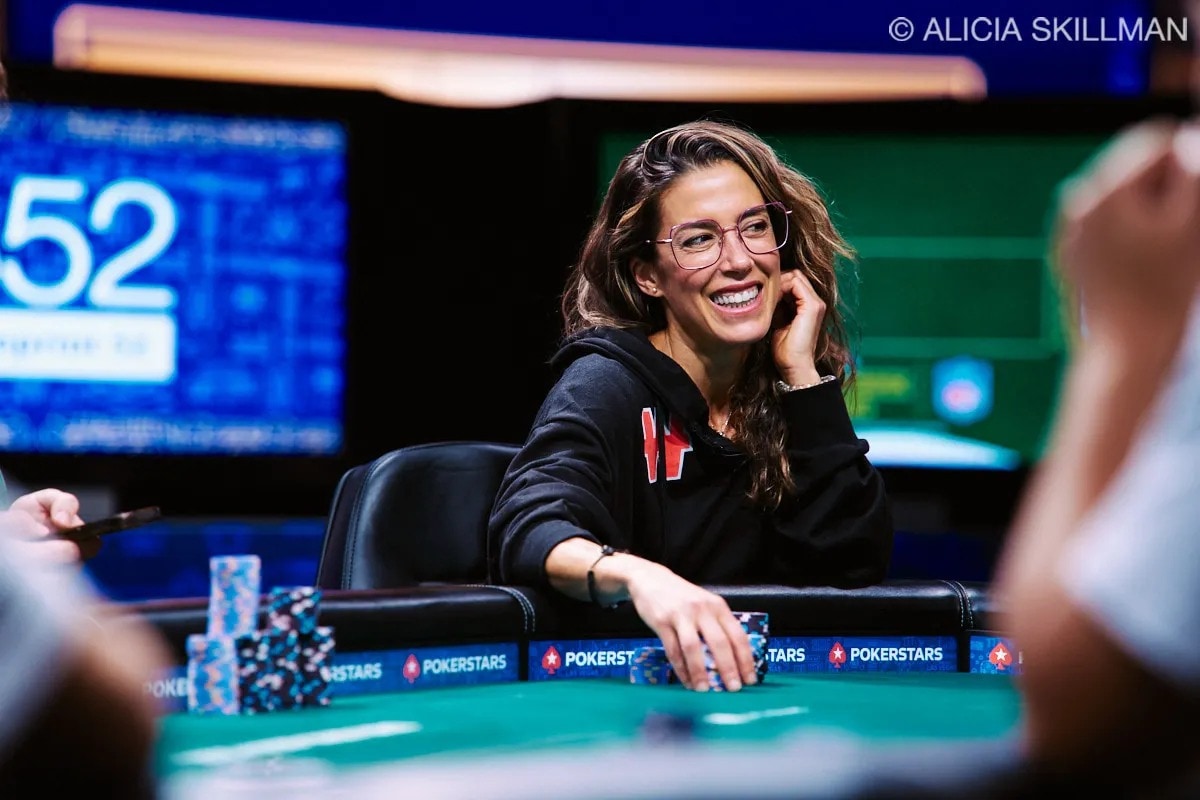
Before poker, Margets worked in sports marketing, but in the late noughties she dedicated herself to the game. Back in 2009, she finished 27th in the WSOP Main Event, ending up as the last woman remaining in the field. In 2021, the Barcelona native won her first bracelet, taking down the $1500 The Closer and earning $376,850.
The 2025 WSOP Main Event drew 9,735 entries — 35 times more than in 1995! Margets started the tournament steadily, but gradually built up her stack. By the end of day five she had cracked the top hundred, and on day six she was once again the last woman left in the field. She reached the final table in fifth place with a stack of 33 BB, while chip leader John Wasnock had 68 big blinds.
Margets' elimination was also quite dramatic. The Spaniard shoved with A♥️10♥️ for a huge pot against Kenny Hallaert's 6♥️6♠️. The turn J♥️7♠️5♠️A♠️ gave Margets a pair of aces and a burst of joy from her rail. However, the poker player and her supporters quickly realised Hallaert had a flush draw. And it hit on the 9♠️ river. Leo Margets finished in seventh place and earned $1,500,000 — the largest prize ever won by a woman in a single Main Event.
Yes, Barbara Enright and Leo Margets made deep runs in the World Series' main event already as respected and successful poker players, but the exceptional nature of their achievement speaks for itself. The share of women in the WSOP Main Event remains small — just over 4.5% — but the situation is improving. 2026 became a record year for the number of women who played in the Main Event. 431 women took part in the tournament, compared to 369 in 2025. Perhaps it's the examples of Enright and Margets that are inspiring more and more women to play poker at the highest stakes.
The champion who lost his bracelet
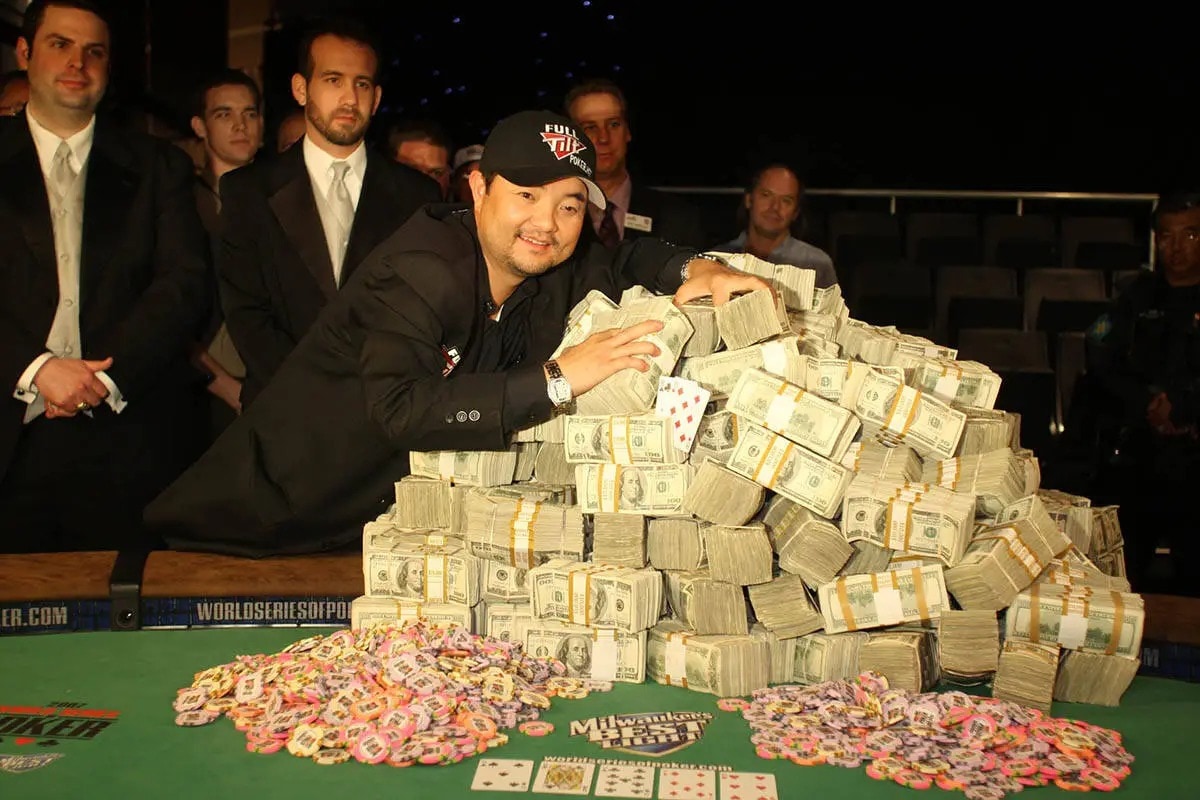
One of the most incredible stories of victory in the Main Event belongs to Jerry Yang. He was born in Laos in 1967. When communists came to power in the country in the 1970s and civil war broke out, Yang's family fled to Thailand, where they spent four years in a refugee camp. There, the future poker player lost his brother and sister.
At the age of 13, Yang moved to California, where he finished school, college and graduate school. He worked as a psychotherapist and social worker, and only started playing poker in 2005. The future WSOP champion mainly played low-stakes games at a casino near his home. And he qualified for the 2007 Main Event through a live satellite for $225.
The World Series' Main Event in 2007 attracted 6358 entrants — the second-largest field at that point. Phil Ivey and John Juanda were among the favourites, but they failed to reach the final table. Jerry Yang made it there with the eighth-largest stack. And before the start of the 9-max, the amateur promised to donate 10% of his winnings to the charities Make-A-Wish, Feed the Children and Ronald McDonald House. He kept his word.
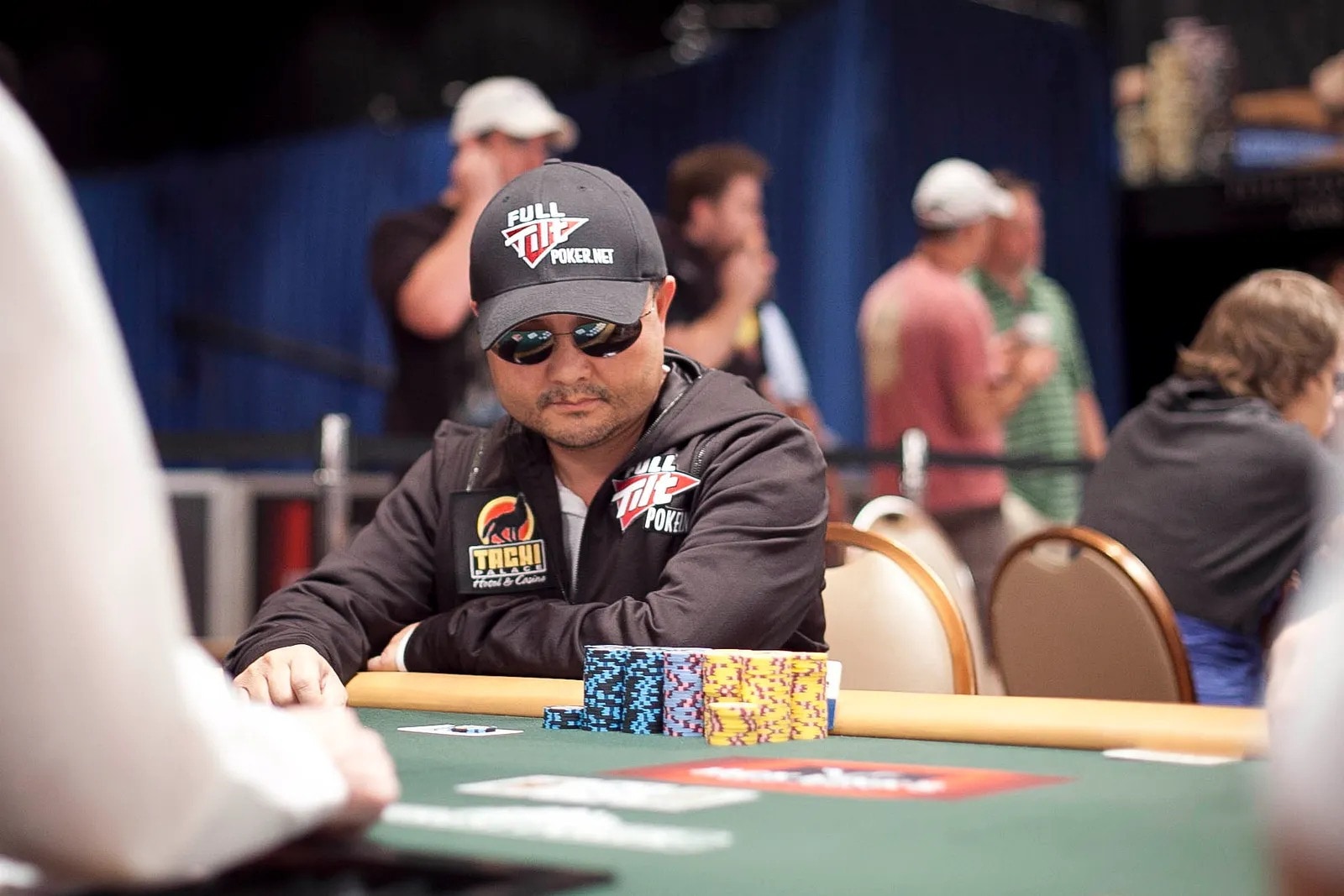
Yang started the final table with aggressive pressure through large bets and all-ins. Chip leader Phillip Hilm twice decided to test him for a bluff and both times ran into genuinely strong hands. The Dane ended up unexpectedly busting in ninth place, and the Laotian immigrant took over the lead.
Another characteristic trait of Jerry Yang is his emotionality and open religiousness. After big pots, he often thanked God and prayed right at the table. Yang played his big stack skilfully and made it to heads-up against Canadian Tuan Lam.
In the decisive hand, Lam got it in with A♦️Q♦️ preflop, and Yang called with pocket eights. On the Q♣️9♣️5♠️ flop, the Canadian made a pair, but the 7♦️ turn gave his opponent a straight draw. On the 6♥️ river, Yang's straight came in, and he became champion, earning $8,250,000.
But the Main Event victory didn't mark the start of a long and successful career for Yang. After it, he didn't have a single six-figure cash. And in 2013, the champion faced serious financial troubles. The US Internal Revenue Service (IRS) seized part of his property for unpaid taxes.
Yang owed roughly $900,000 and managed to pay off only part of that amount. To cover the remaining $571,000 debt, the IRS seized 16 valuable items from the poker player and sold them at a public auction. The list of confiscated property included his 2007 WSOP champion bracelet, an additional bracelet engraved with "WSOP Champ 2007" and a Corum watch presented to all finalists of the Main Event.
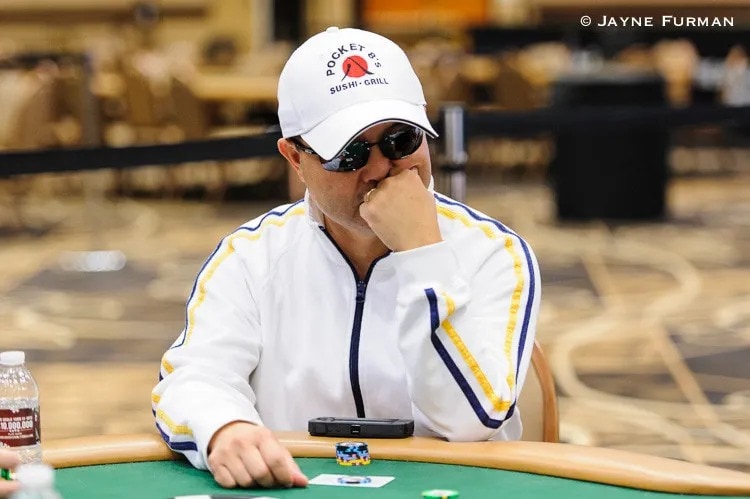
Rumours spread in the poker community that Yang had gone completely broke. He then gave a lengthy interview in which he admitted that his tax problems arose from his own mistakes in managing his finances. According to the poker player, he made poor investments and trusted the wrong advisers. In addition, his financial state was affected by the fallout from the 2008 crisis and large donations.
It was reported that Yang's bracelet was purchased for $30,000 by a sports memorabilia collector. For comparison, 2008 WSOP Main Event champion Peter Eastgate sold his bracelet for $147,500 in 2010. As for Jerry Yang, having lost his trophy, he keeps on grinding. In 2025, he recorded what is so far his latest live cash, winning $13,234 at the WSOP $3000 No-Limit Hold'em event.
Russia's hero of the WSOP and WSOP Europe
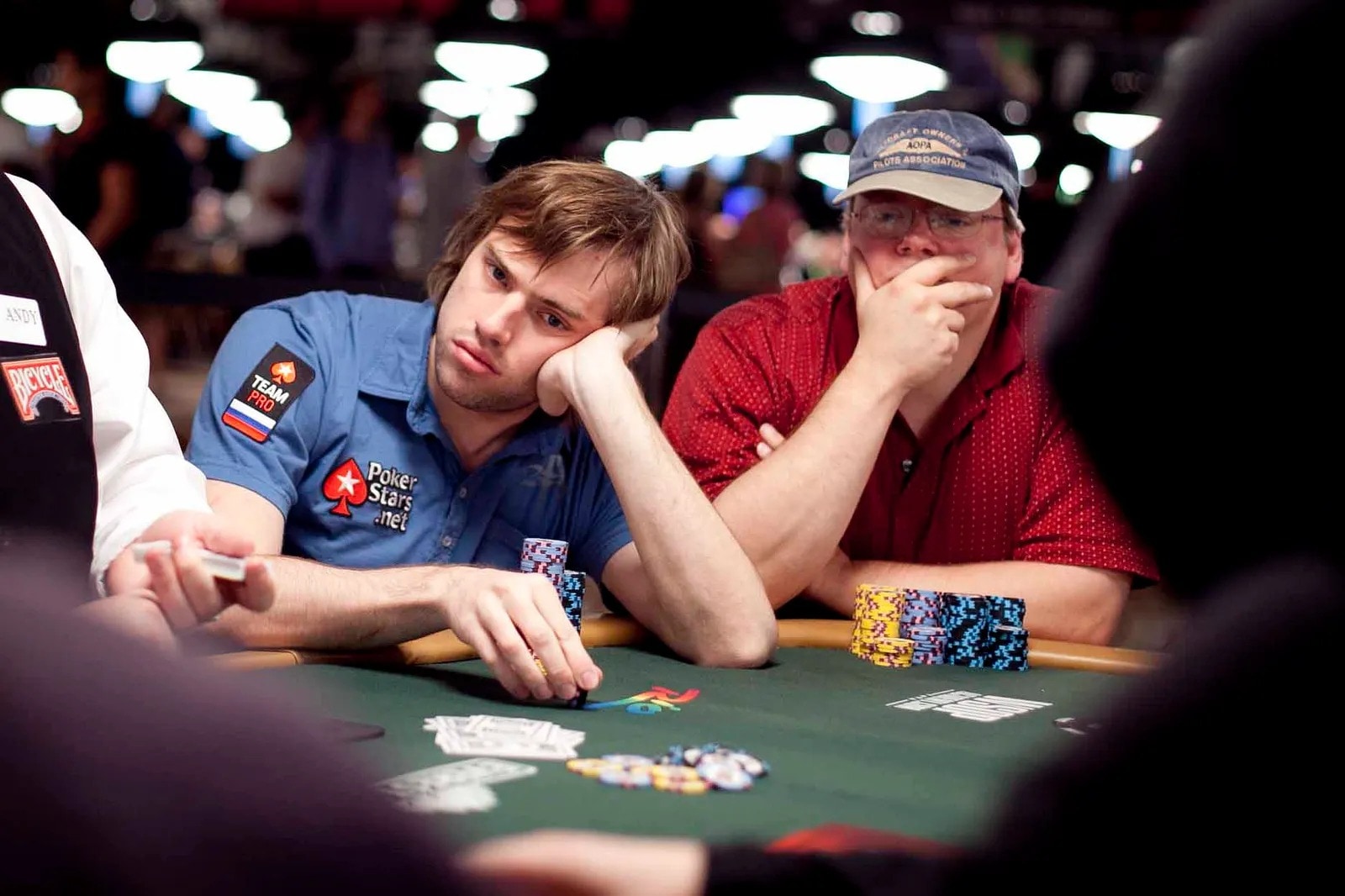
2008 also brought a sensation to the World Series' Main Event. And it was created by Russian player Ivan Demidov. He was a professional esports player, playing StarCraft and Warcraft III under the nickname SouL, and he came to poker at a friend's suggestion.
In 2007, Russian player Alexander Kravchenko won a WSOP bracelet in the $1500 Omaha Hi-Lo Split 8 or Better event, and that inspired Demidov to take poker seriously. A year later, he made his own debut at the World Series, where he ground through tournaments one after another and stopped two steps short of the final table in the $1000 NLH, finishing 11th.
In 2008, the WSOP organisers introduced the concept of the "November Nine" for the first time, under which the Main Event was paused for several months after the finalists were determined. Demidov made it to the 9-max with the second-largest stack, trailing only Dennis Phillips.
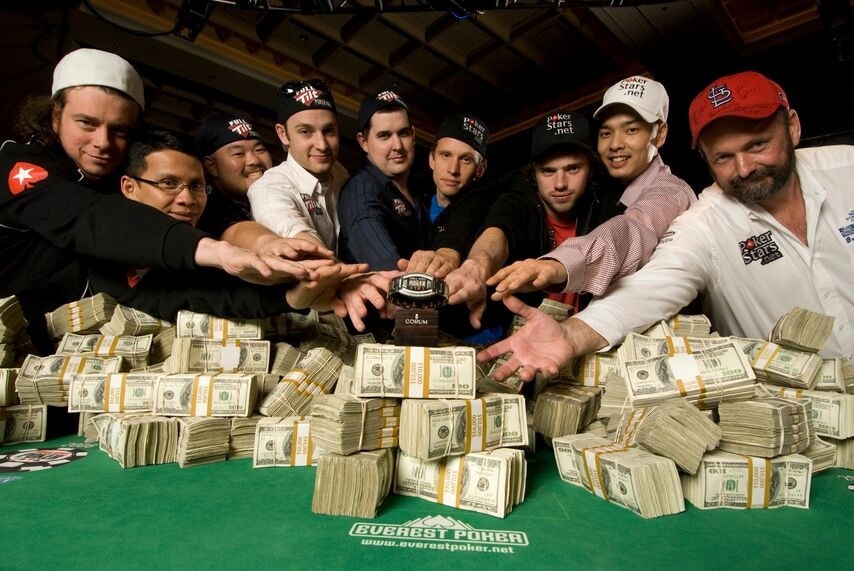
During the break before the start of the "November Nine", Ivan Demidov had a fantastic debut at WSOP Europe. In London, he also made it to the final table and finished third. The Russian became the first player in history to reach the final tables of both the American and European Main Events of the World Series in the same year.
In November in Las Vegas, Demidov also played confidently at the final table and made it to a heads-up against the Dane Peter Eastgate. Their showdown stretched on for almost three hours, and Eastgate gradually built up his advantage. In the decisive hand, Demidov went all-in on the river 2♦️K♠️3♥️4♣️7♠️ with 4♥️2♥️ and got a snap-call from his opponent. Eastgate made a straight with A♦️5♠️ and claimed the title.
It has to be said that Eastgate's title was just as sensational as Demidov's results in Vegas and London. The 22-year-old Dane became the youngest main event champion, despite not having won a single trophy before the tournament and having only modest cashes at European festivals.
Ivan Demidov received $5,809,585 for second place. Or rather, he should have received it, but the money ended up with his backer Sergei "Gipsy" Rybachenko. "Second place completely changed my life, but not because of the money, because I never got it. It's a long and dark story, but in short: my backer didn't pay me, and I ended up with nothing," the poker player said in a 2015 interview.
Under the terms of their deal, the player kept 20%, while the backer got 80% along with the makeup. But after the main event ended, Demidov never received the money. Amid this, rumours even circulated that Rybachenko had lost it in high-stakes games. However, in that same year, 2015, Gipsy revealed that he and Demidov had managed to reach an agreement and preserve their friendly relationship. The backer gradually paid off his debt to the poker player, though the details of the arrangement were never disclosed.
A triple sensation and Cada's record
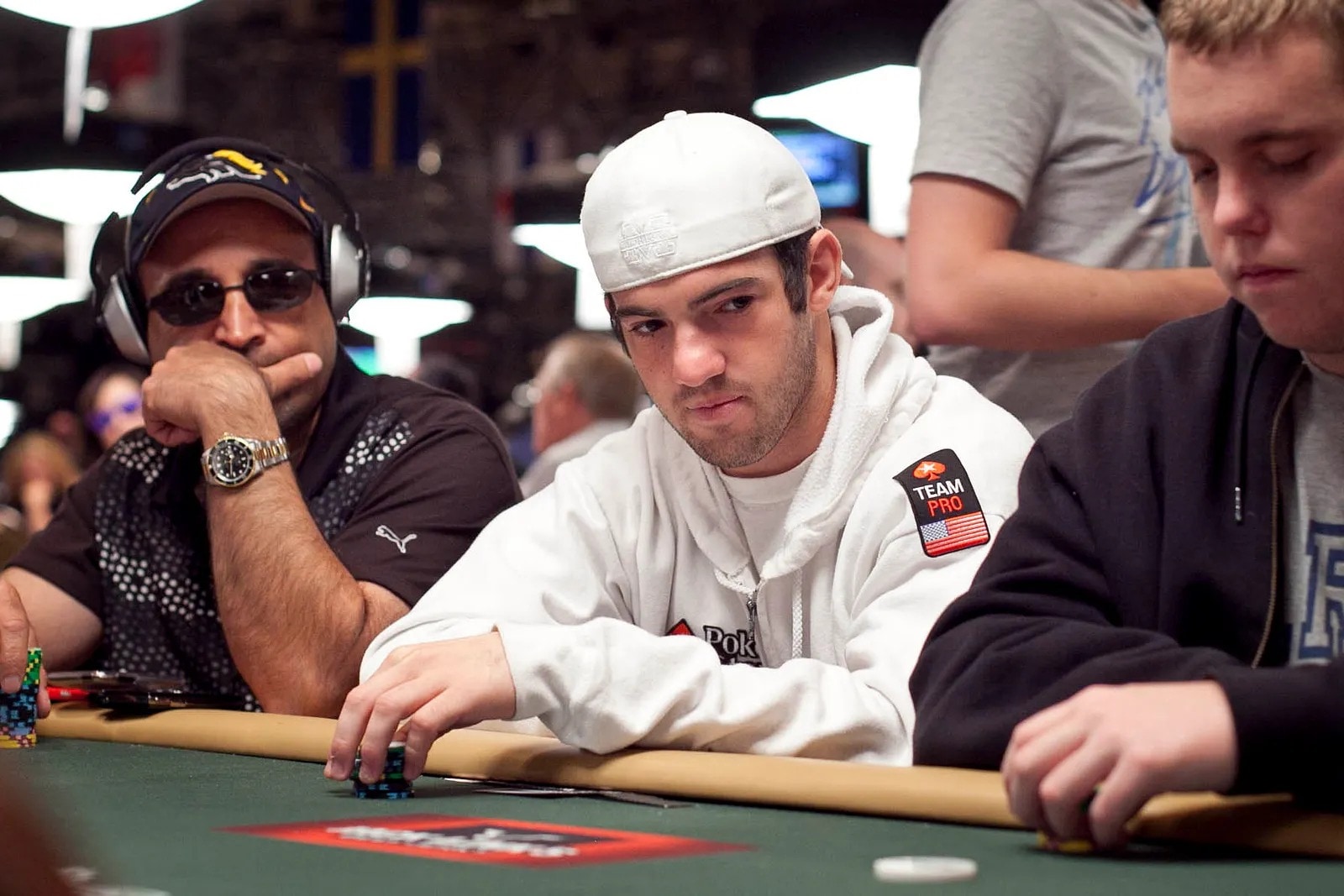
The WSOP 2009 Main Event became even more sensational. The top 3 were made up of a former student making his debut, a lumberjack, and a 21-year-old online pro. They made their way through a field of 6,494 players, and the final table featuring them lays claim to being the greatest in history. In fact, that's the very question the World Series itself raises.
The tragic hero of this final table was Antoine Saout. The former engineering student from France started playing poker roughly a year and a half before the WSOP 2009, having racked up only a couple of small cashes in Spain. He made it into the main event via a $50 satellite from Everest Poker.
Saout started the final table with the eighth-largest stack, trailing the leader sixfold. But the Frenchman managed to build up his stack and outlast the renowned Phil Ivey and Jeff Shulman. His dream of the title was shattered by a brutal bad beat. In a 3-max situation, Saout called an all-in from Joe Cada holding pocket queens, while Cada had deuces. The American already flopped a set and held up through the turn and the river. The Frenchman soon lost his last chips, getting it in with pocket eights against Cada's A♦️K♠️, which was completed by a king on the river.
Joe Cada is that very online pro who, at 21, was already considered a strong heads-up specialist. And yet he was one of the main underdogs heading into the "November Nine," starting it with the fifth-largest stack. Over the course of the final table, he dropped as low as 2 million chips, but still managed to recover. And the hand against Saout became a turning point for him.
In the heads-up, Cada faced his opposite, Darvin Moon. He ran a small logging company in Maryland, didn't use a computer, and qualified for the main event through a small live satellite in West Virginia. The amateur lumberjack came into the final table as chip leader, without ever having risked his entire stack on the way there.
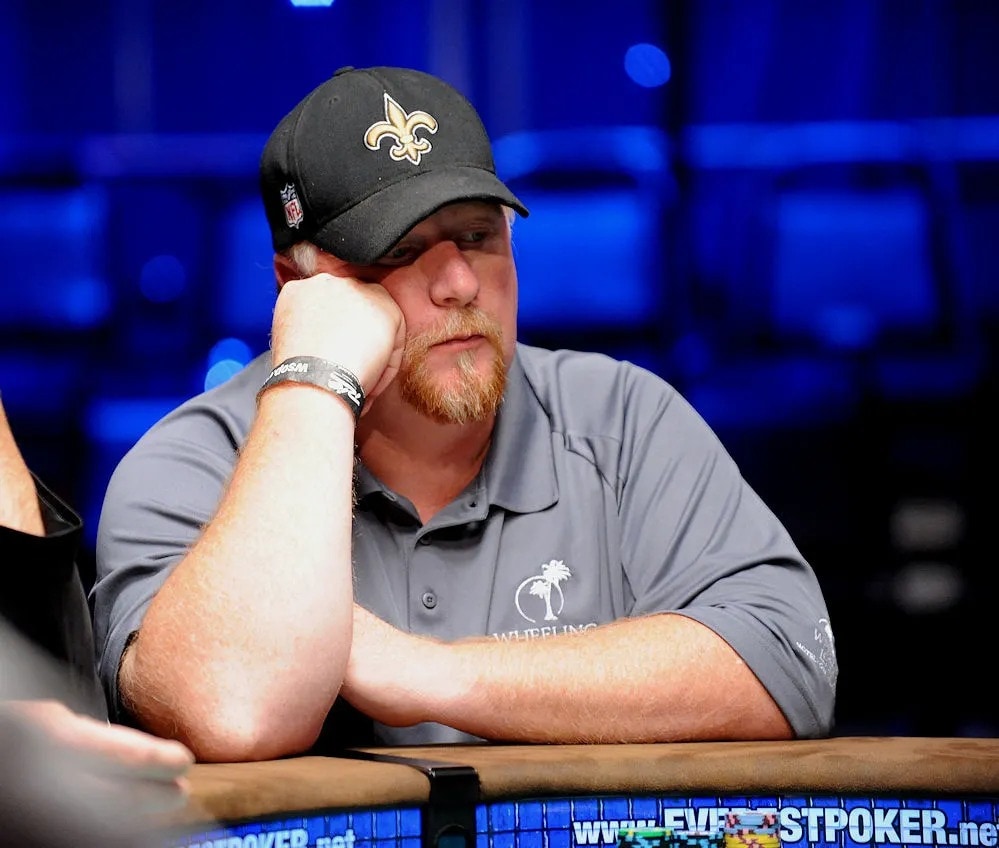
Photo: PokerNews
At the final table, which lasted more than 17 hours, Moon continued to dominate and eliminated several opponents, including Phil Ivey. During the heads-up against Cada, he started off with a significant chip deficit and managed not only to come back but also to build up a threefold lead. And yet the young online pro broke his stubborn resistance.
The key hand was one in which Moon bluffed with 8♠️7♠️ on the turn 10♣️5♦️9♥️10♦️ and got a call from Cada holding J♥️9♦️. After the river 3♥️, the 21-year-old player took down the pot. Soon after, the fate of the title was decided as well. After Cada's all-in with 9♣️9♦️ and Moon's call with Q♦️J♦️ on the preflop, almost 150 million chips were on the line. The flop 8♣️2♣️7♠️ and the turn K♥️ preserved the online pro's advantage, and the 7♣️ on the river sealed his victory.
Darvin Moon received $5,182,928 for second place and returned to work as a logger in Maryland. He occasionally appeared at major tournaments, preferring local games, and stayed true to this lifestyle until his death in 2020. Joe Cada took home $8,547,042 and became the youngest Main Event champion. This record still hasn't been broken. He later added three more WSOP bracelets to his collection. As for Antoine Saout, who received $3,479,670 in 2009, eight years later he reached fifth place in the World Series Main Event and won $2,000,000.
The bet that brought in $5 million
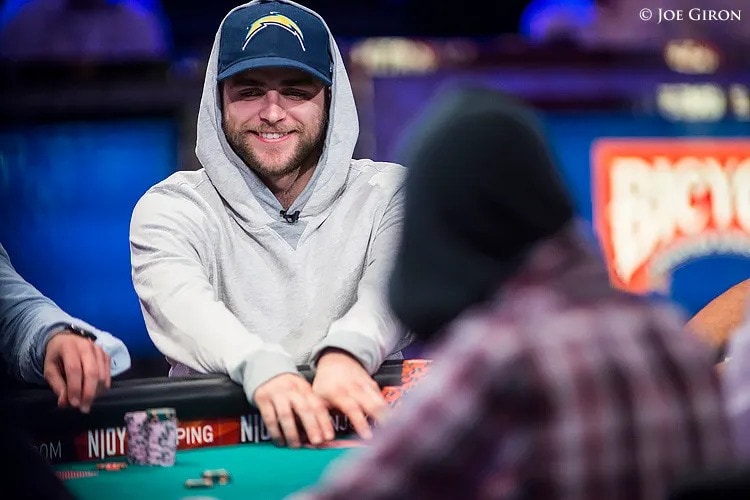
One of the most unusual stories in the WSOP Main Event was given to the poker community by Felix Stephensen in 2014. The Norwegian, known by the nickname "FallAtyourFeet", specialised in online Omaha games at $25/$50 stakes, occasionally moving up to $200/$400. In live tournaments Stephensen had only a couple of small cashes, and he didn't even plan to go to the World Series.
Everything changed because of a bet on a football match. The World Cup was taking place in Brazil at the time, and Stephensen bet $1000 at odds of 60 to 1 on the Netherlands beating Australia 3:2. The match ended exactly that way, the Norwegian won $60,000 and put $10,000 towards entering the WSOP Main Event.
Stephensen made it through a field of 6683 players thanks to disciplined play. For a long time he held a middling stack and only started to build chips quickly in the late stages. He came to the final table in second place. The "November Nine" also started well for the online pro, as he briefly pulled ahead into the lead, but then lost the initiative.
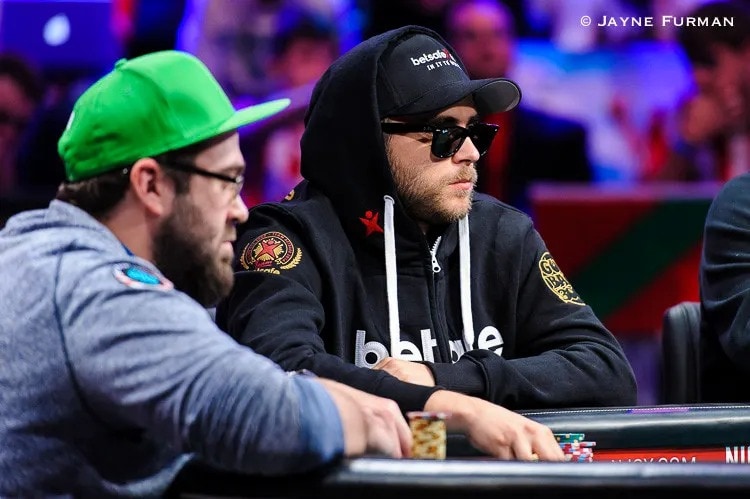
The 2014 WSOP final table didn't feature a single bracelet holder, and the Main Event top 3 turned out to be unique once again. For the first time in history, every position on it was filled by Europeans. Besides Stephensen, the podium included Jorryt van Hoof of the Netherlands and Sweden's Martin Jacobson, who started the 9-max final table with the eighth-largest stack.
Van Hoof led in chips for a long time, but Stephensen doubled up through him in a big pot, and the Dutchman began losing chips until he was eliminated in third place. The heads-up between the Norwegian and Jacobson lasted about an hour. The Swede had prepared brilliantly for the final table during several months of a break, studying every opponent's hands, and put that knowledge to use in play.
Stephensen managed to pick up small pots, but the big pots went to Jacobson. In the decisive hand, the Swede with pocket tens called Stephensen's all-in with A♥️9♥️. Already on the 3♠️9♣️10♣️ flop, Jacobson made a set. The K♦️ turn and 4♣️ river preserved the Swede's advantage and brought him the bracelet. Stephensen earned $5,147,911 for second place at his debut World Series.
Of course, this is only a small part of the sensations the poker world has seen in World Series Main Event finals. There were players with minimal prize money like Jay Farber or John Wasnock, who seemed to appear out of nowhere and pull off seven-figure scores. There were also young players like Jake Balsiger and Michael Deuk, who broke through into the top 3. Almost every year the WSOP Main Event reveals unexpected heroes to us. So there's no doubt that we'll see many more such stories in the future.