Stories of players for whom one tournament split life into 'before' and 'after'
How can poker change your life in a single moment? Honest stories of players that sound like ready-made scripts for TV series.

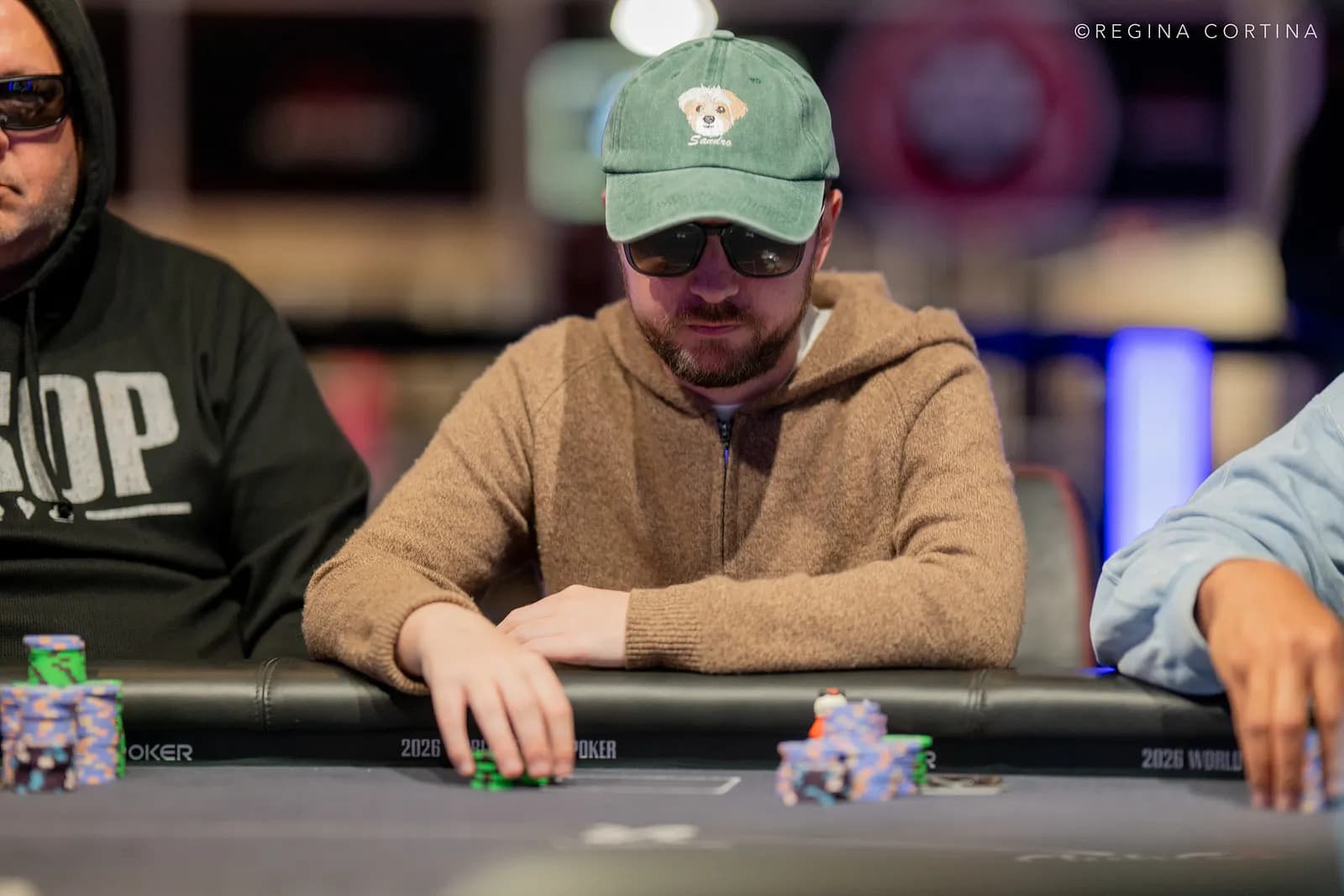
Everyone has heard the story of Chris Moneymaker — the humble accountant who won millions in 2003 and turned the industry upside down. But did you know there are other heroes for whom a single game split life into "before" and "after"?

New breakdowns in your inbox
Subscribe to the FunFarm newsletter: fresh Poker ABC articles and material that helps you grow as a player.
Darvin Moon — the lumberjack with no internet
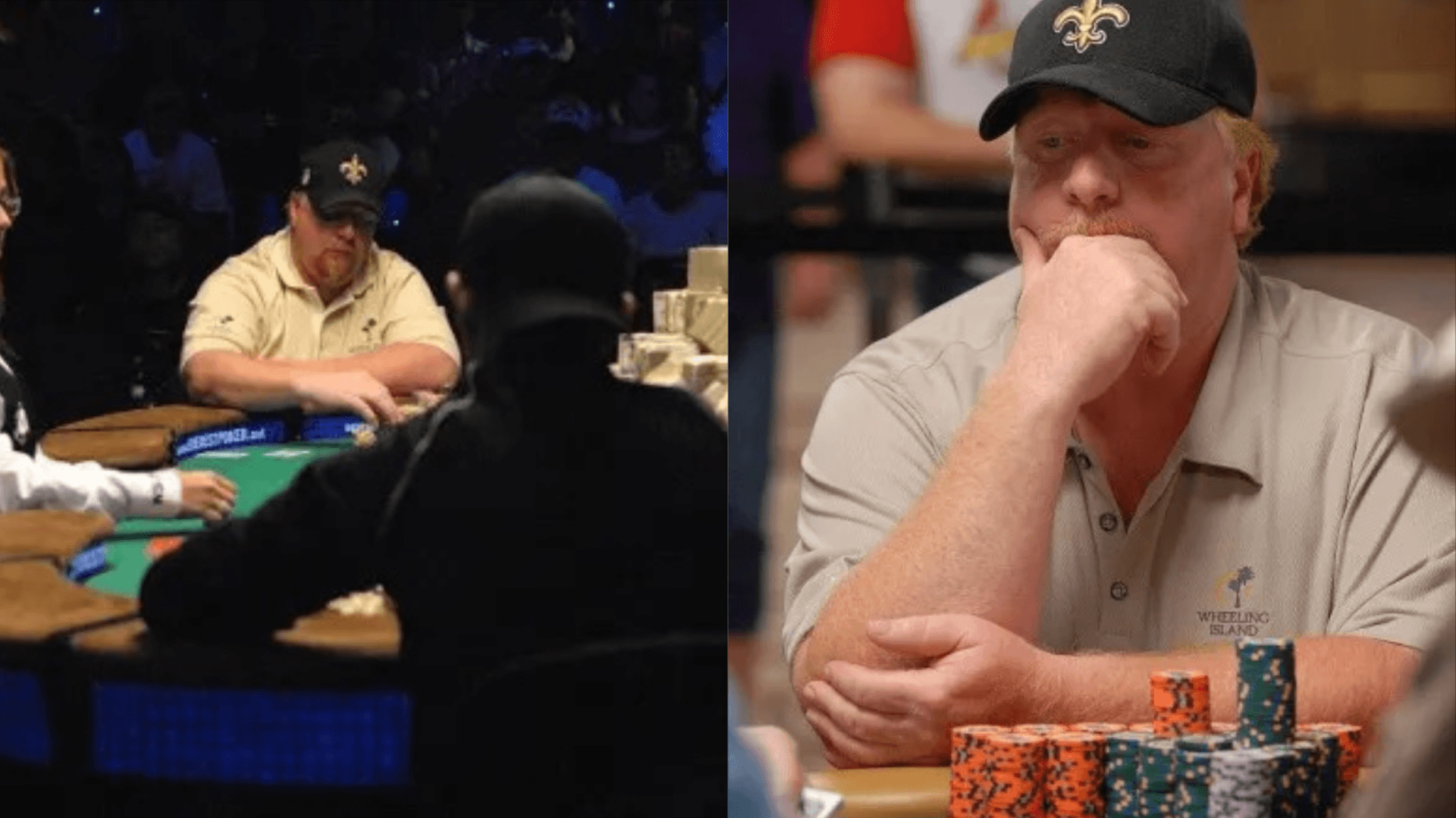
Darvin Moon was a 45-year-old owner of a small logging business from a remote county in the state of Maryland, living with his family in a modest trailer.
In 2009, Moon qualified for the WSOP Main Event in Las Vegas through a local live satellite for $130. Before that trip, Moon had never flown on a plane in his life. He couldn't calculate complex pot odds and played purely on intuition, but he still managed to reach the final table as the absolute chip leader. It was there that Moon wrote his name into history, personally eliminating the iconic Phil Ivey. The lumberjack's marathon run ended in an exhausting 17-hour heads-up battle against 21-year-old Joe Cada. Darvin lost the title to the young man who, at the time, became the youngest world champion in poker history, finished second and took home $5,182,928.
Moon had no computer or internet at home, and he made a point of never using credit cards. During the break before the final table, poker rooms offered him million-dollar contracts for advertising on his clothing. Moon became the only person in history to flatly turn them all down, agreeing only to a modest partnership with a local casino in his home state. He played the entire tournament in his old cap of his favourite football team, the New Orleans Saints.
After winning 5 million, Moon didn't quit his job. He went back home, bought a farm, upgraded the family's pickup trucks, paid off debts and kept on cutting timber. Sadly, in 2020 Darvin passed away due to complications following surgery.
Jamie Gold — an anomalous upswing and the "Jamie Gold Rule"
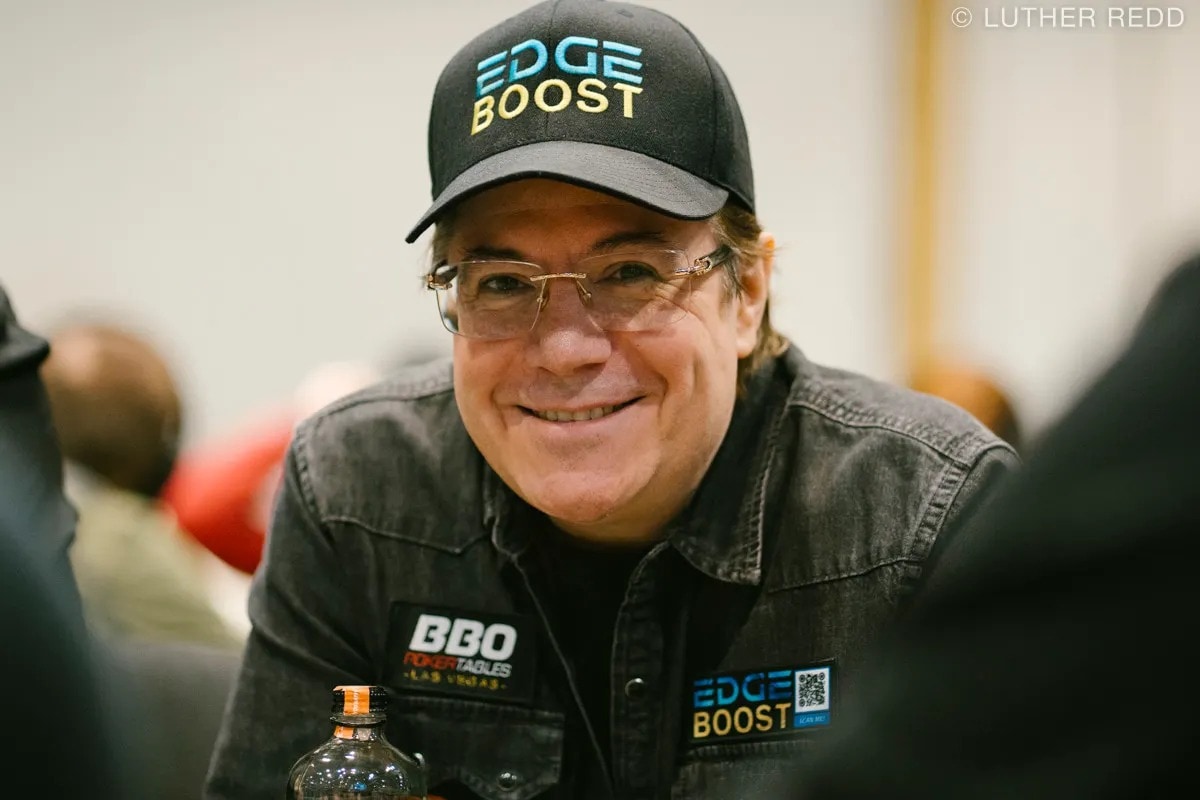
Jamie Gold was a 36-year-old television producer and talent agent.
In 2006, Gold won one of the largest Main Events in WSOP history (8,773 entries), taking home $12,000,000 in prize money. What happened at the tables is still called, to this day, by regulars, the craziest upswing in poker history. Jamie took over the chip lead on day four of the tournament and held sole leadership for five days straight. By the time the final table began, his stack exceeded the combined chip counts of all seven other finalists put together.
Witnesses of that tournament recalled that Gold played adventurous and, from a theoretical standpoint, "minus-EV" poker. Professionals understood that, mathematically, he should have busted out in the early days, yet Gold kept hitting the outs he needed time and again and scooping enormous pots. Jamie's main weapon was psychological warfare — he talked non-stop and openly manipulated his opponents, which forced the WSOP to change the rules and introduce the official "Jamie Gold Rule", banning any talk about the strength of one's hand during a deal.
Immediately after his win, the Nevada District Court froze $6,000,000 in casino accounts. It turned out that Gold had tried to hide funds from his partner Bruce Leyser, whom he had promised half of the winnings in exchange for help securing a sponsorship deal. Leyser provided the court with voice recordings, the money was seized, and the poker room Bodog terminated its contract with the champion. Soon after, Gold, having come to believe in his own genius, sat down in high-stakes cash games against top regulars on the show High Stakes Poker. There, his manipulation strategy completely fell apart. Without his anomalous run of luck, the professionals wiped out his bankroll in just a few sessions, cementing Gold's status as the biggest "luckbox" in history.
Learning at FunFarm, from any level
John Hesp — the grandfather in the colourful jacket
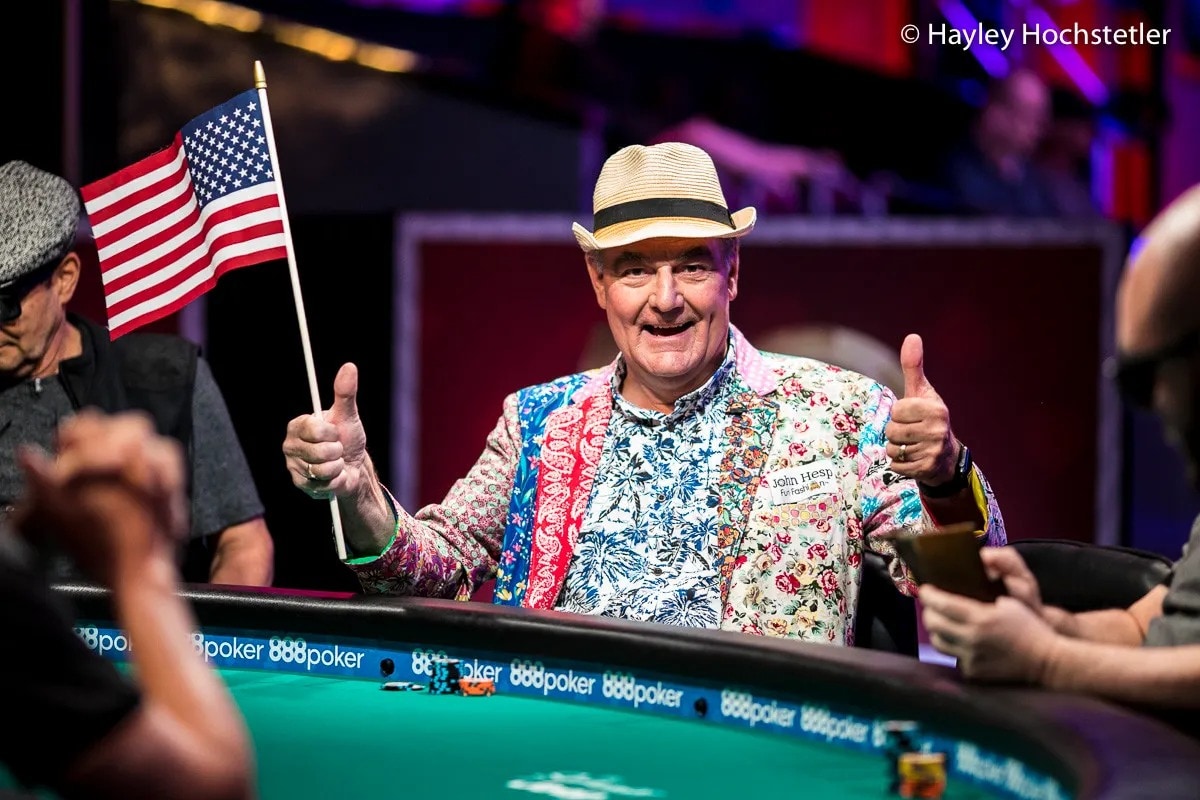
John Hesp was a 64-year-old retiree from England, a grandfather of seven grandchildren, who had spent his whole life playing at a local club on Sundays with a £10 stake per game.
In 2017, John decided to fulfil a dream from his "bucket list" — to play the WSOP in Las Vegas. He withdrew $10,000 from his savings and flew to the US. While the young professionals sat there in their headphones trying to play "correct" poker, Hesp cracked jokes, handed out sweets, and forced his unpredictable "grandpa" style on his opponents.
Regulars simply couldn't read the Englishman's ranges. John kept making mathematically absurd moves that won him massive pots. In the end, John outlasted a field of 7,221 entrants, finishing 4th and winning $2,603,894.
John's visual look became the trademark of that series — he played in a multicoloured jacket and a matching shirt, both of which he had borrowed from a friend.
Having become a millionaire, Hesp flatly refused to turn professional. He celebrated the win with a bottle of beer in his local pub, transferred most of the prize money to his children and grandchildren, and then went off with his wife on a long-planned holiday. Hesp's story so impressed producers that a British film company bought the rights to adapt his biography into a full-length feature film.
Pius Heinz — the student who badly wanted to go home
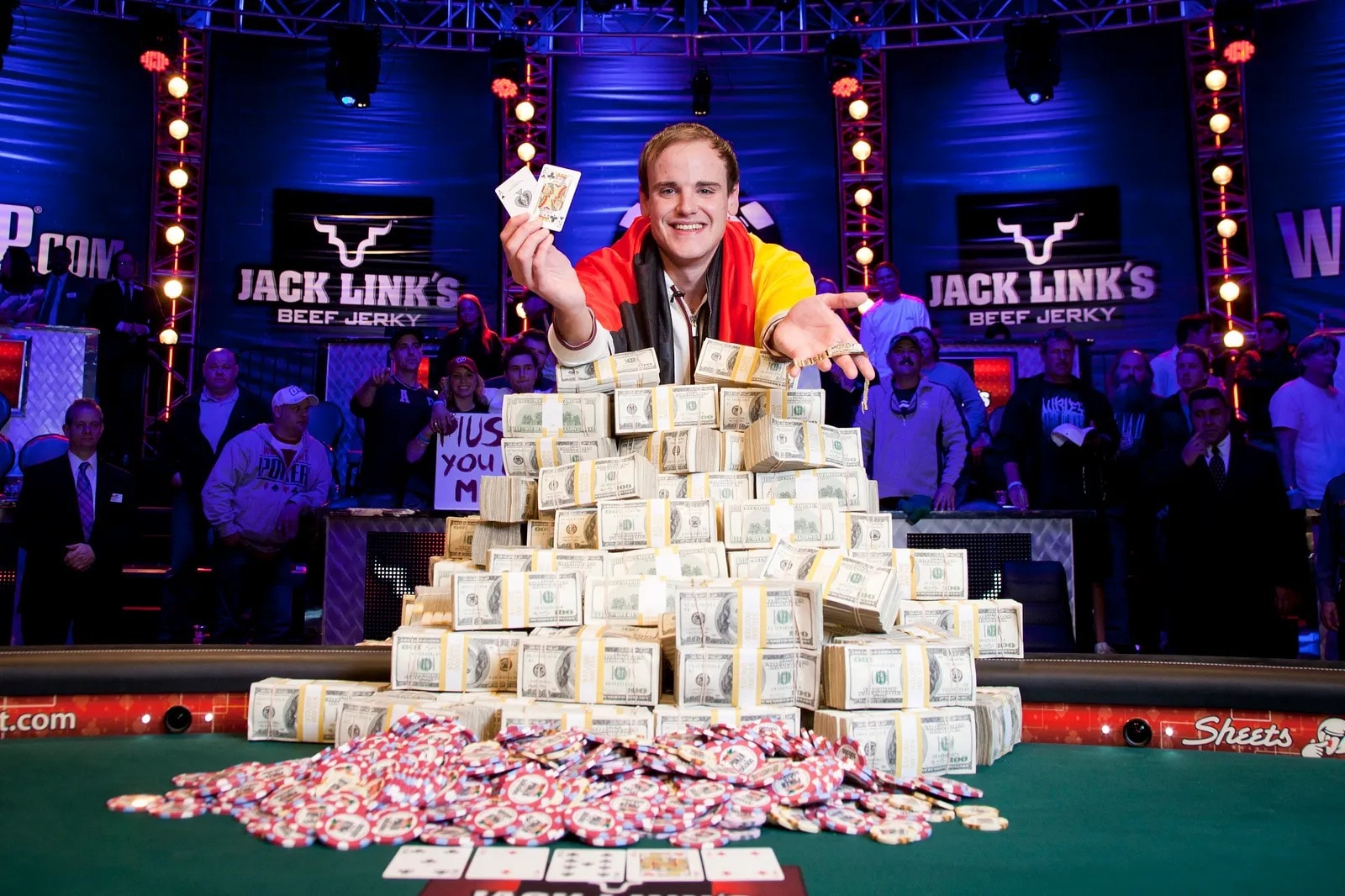
The next hero of our story is 22-year-old German student Pius Heinz, who was studying business psychology in Cologne. As of the summer of 2011, he had flown to Vegas for the first time and was a little-known player in live tournaments — with just one modest cash of $83,286 to his name.
Having flown to Las Vegas for his first WSOP, Heinz became so exhausted after five weeks of play that he registered for the Main Event with a single goal — to bust as quickly as possible and head home. But instead of busting, the German caught an upswing: he made his way through a field of 6,865 entrants, became world champion and won $8,715,638.
Heinz became the first German in history to claim poker's biggest title on the planet. His hyper-aggressive, unpredictable style left opponents stunned — Pius used multi-street barrelling and bluffs, forcing the elite to fold strong ranges. The final heads-up battle against Czech player Martin Staszko lasted 119 hands and took the players almost 6 hours of pure playing time.
After collecting almost 9 million dollars, Pius signed a contract with PokerStars, but quickly realised that professional poker wasn't for him. He couldn't cope with the pressure of fame, all but stopped playing the major series and faded into the background, holding on to the capital he had won.

Ivan Demidov — the "Russian Moneymaker"
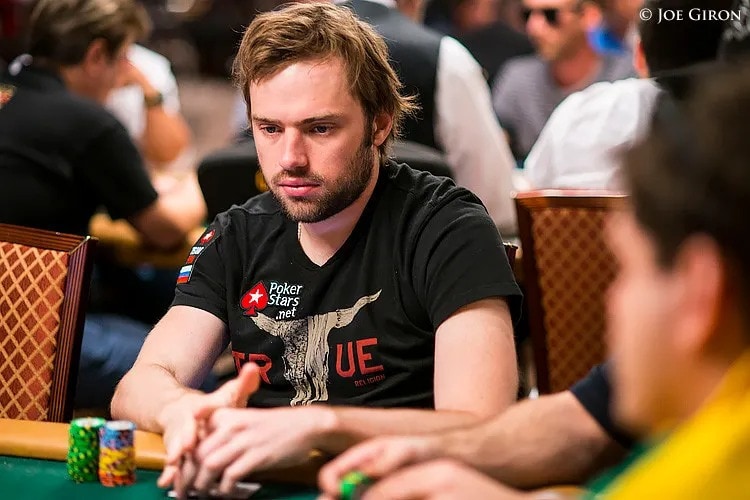
Ivan Demidov is a graduate of the Faculty of Mechanics and Mathematics at Moscow State University who came to poker from professional esports. By 2008 he was already a strong online player, yet in live poker his profile on The Hendon Mob was practically empty.
In the summer of 2008, Demidov flew to Las Vegas for the World Series Main Event. The tournament drew what was then a record field of 6,844 entrants. Ivan didn't have the personal funds available for the $10,000 buy-in, so his entry was fully sponsored by a backer — the well-known Russian player Sergey "Gipsy" Rybachenko. In the end the young mathematician made a historic breakthrough: he battled through a crowd of many thousands, reached the final heads-up against Denmark's Peter Eastgate, finished 2nd and won $5,809,595.
The main innovation of the 2008 event was the launch of the "November Nine" concept. The tournament was halted at the final table stage in July, with a 117-day break announced for the television media split. Throughout those four months Demidov lived under pressure from the sports press.
Having won 5.8 million dollars, Ivan instantly became the leading face of the Russian-language poker industry. He signed a long-term million-dollar contract with Team PokerStars Pro and sparked a global poker boom in Russia and the CIS.
Why luck alone isn't enough
Poker success stories are like Hollywood films, and from the outside it seems that all you need is to catch a slice of luck and life will split itself into a "before" and an "after". But luck favours the prepared — those who can systematically count ranges, work with software and understand the mathematics of the game. These are exactly the kind of professionals trained at FirstFund.
If you already play poker, want to grow professionally, build your bankroll and be part of a strong community, join our fund.

Free course · FF Start
Reading about poker? Time to play
The free FF Start course: rules, positions and your first decisions at the table in one clear system.