How to Make Money Playing Poker: 5 Stories of Ordinary People Who Beat Their Doubts and Became Professionals
5 honest stories of how an ordinary school teacher, a chiropractor and an esports player changed their lives for poker. We break down their real journey, fears and earnings.

The first thing that comes to mind at the thought of professional poker is that it's too difficult, confusing, and an ordinary person won't achieve anything here. In reality, most successful players started out in the simplest professions, far removed from cards. In this piece, we've looked at five stories of regulars who overcame their fears, quit their previous jobs and managed to become professionals.
1. Joe Hachem's story
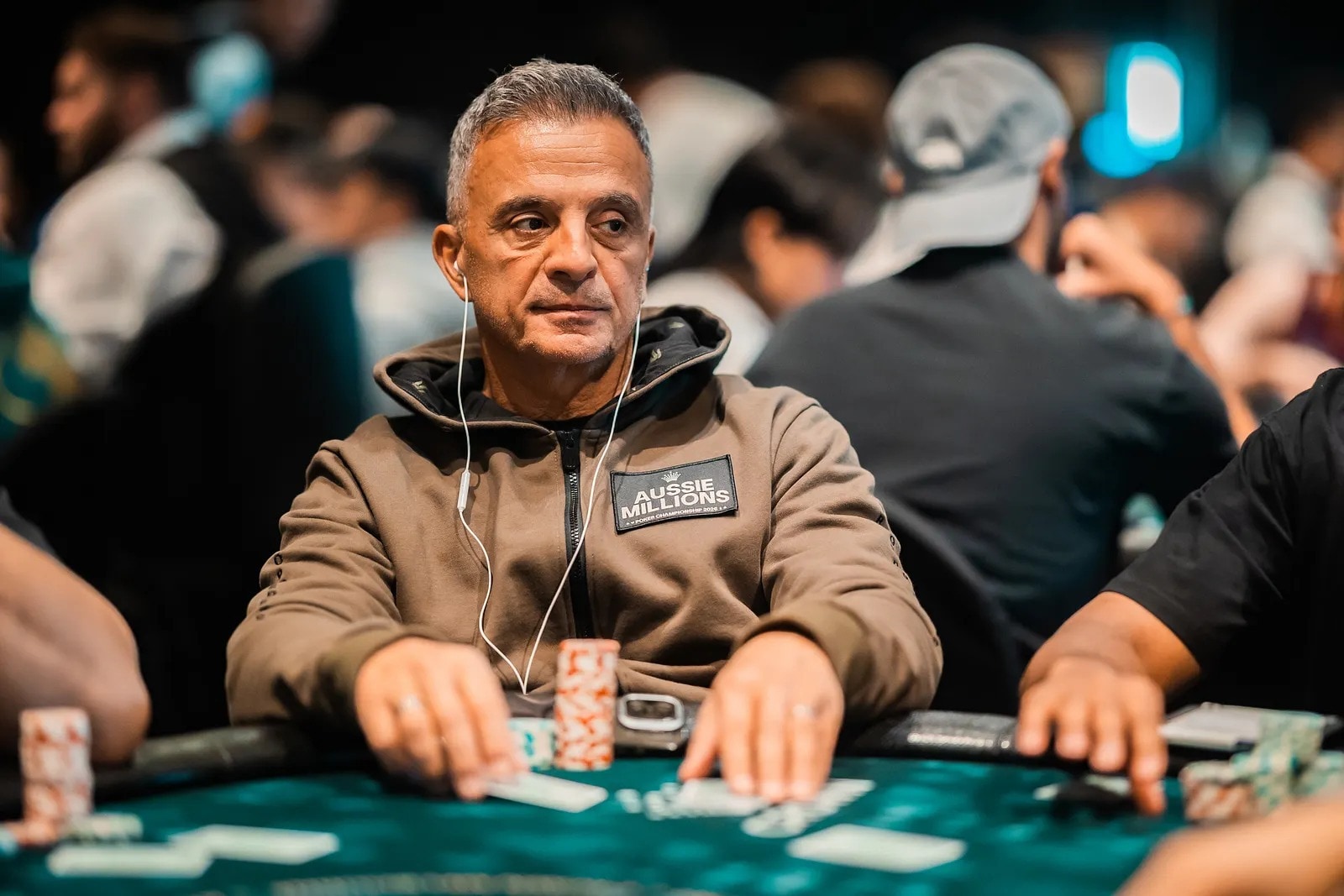
Joe Hachem from Australia worked as a chiropractor for thirteen years. He treated people's backs and joints, providing his family with a stable but average income. Everything changed when Joe was diagnosed with a rare blood vessel disease in his hands. His fingers began rapidly going numb, and continuing his medical practice became physically impossible.
At 36, with four children to support, Hachem was left without a profession. A difficult period of uncertainty followed. Joe seriously considered going all-in on poker, which he had already been playing for about ten years by that point, but the weight of responsibility to his large family won out. Instead, Joe took a job as an ordinary mortgage broker at a bank, playing cards only as a side gig to help his family pay off a huge mortgage on their house.
Hashem's main problem starting out was excessive emotionality — he often lost due to outbursts of anger. The turning point came when Joe learned to control his mental breakdowns. In 2005, when Hachem was hesitating due to the high costs of travelling to Las Vegas for the WSOP Main Event, his wife Jeanie insisted that he follow his dream and promised to take care of the children herself. Keeping absolute cool in key hands, the former chiropractor won the WSOP Main Event of the year and took home a record $7.5 million in prize money.
2. The story of esports player Sergey Shisui

Ukrainian esports player Sergey Koren, known by the nickname Shisui, was at the very peak of his gaming career. At one point he held the top-1 MMR rank in Dota 2, played professionally for Team Empire and gathered around 30 thousand followers on Twitch. However, due to years of gaming routine and prolonged conflicts within the team, Sergey experienced emotional burnout. At that point he decided to try his hand at poker — an area where he had no experience whatsoever and where everything had to be started from absolute zero.
Sergey chose the most reliable route — he sent an application to the FunFarm backing fund. The fund provided full financing for the game, as well as professional training. Thanks to his esports background, learning came easily to Sergey. The ability to hold concentration for hours, patience and high stress resistance became his main advantages.
Results weren't long in coming, and in just 7 months he progressed from ABI 3 to ABI 100. During this same period Sergey landed a major score, taking first place in the Sunday Grand Prix tournament on GGPoker and winning $40,300. Today he continues to play consistently at high stakes, keeps learning constantly and has no plans to stop where he is.
Become an FF player3. Brent Hanks' story
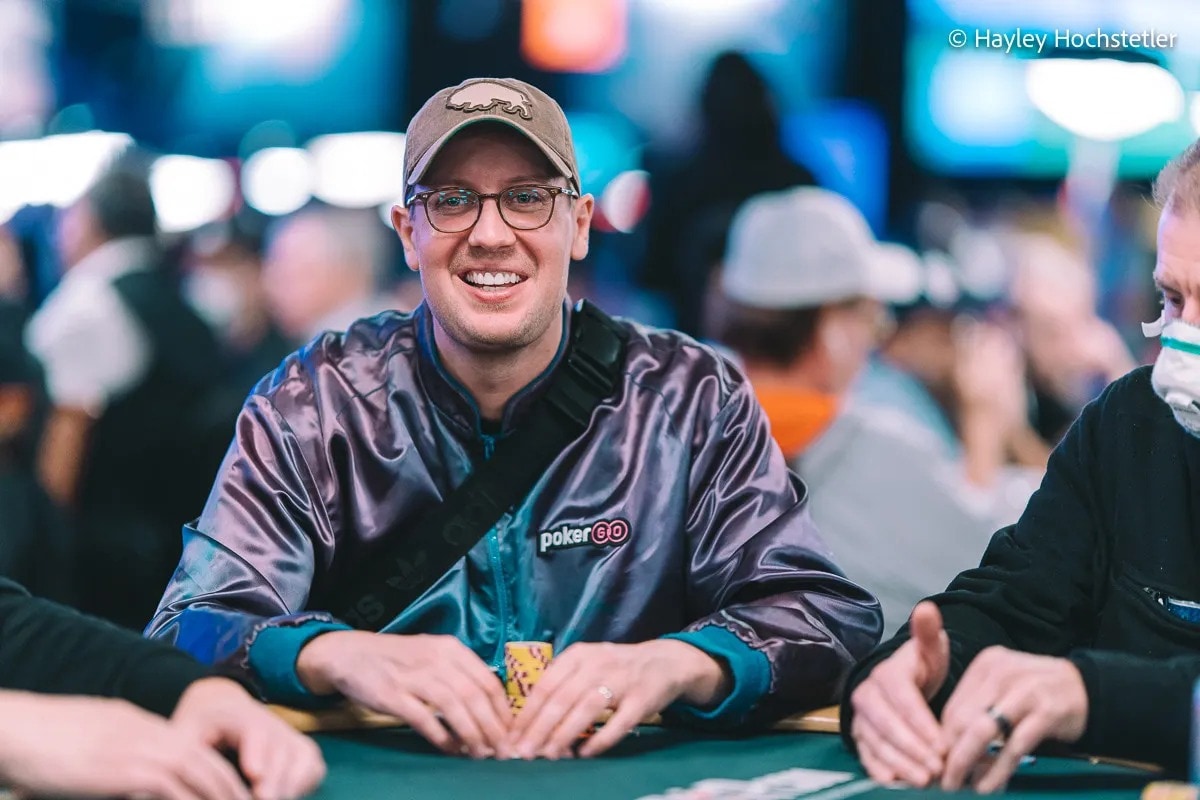
Brent Hanks from New York State worked as a history and maths teacher for fifth and sixth graders. He started playing poker back in university, and as a teacher he began earning far more at the virtual tables than at school. In the end he made a bold decision — he left teaching and moved fully into professional poker.
Having saved up $60,000, he moved to Las Vegas, where he rented accommodation together with equally ambitious players. Living together allowed them to create a poker training camp for round-the-clock hand reviews and strategy analysis. The playing experience accumulated over the years, combined with this working atmosphere, led to success almost immediately. On his very first weekend in Vegas, Brent won the Sunday Million online tournament, earning $278,000.
The pinnacle of his live career came with his performance at the 2012 WSOP. In a no-limit hold'em event, Hanks made his way past a field of 2,101 entrants, and in the final table outplayed such players as Vanessa Selbst and Andrew Lichtenberger. The win brought Brent a gold bracelet and $517,725 in prize money — this result still remains his best live tournament cash to this day.
Later, his teaching skill of explaining complex things in simple words proved useful in the media business. Hanks worked his way up from poker analyst, commentator and broadcast producer to top executive. Today he holds the position of executive director at PokerGO — the world's leading poker streaming service.
4. The pizza delivery guy's story
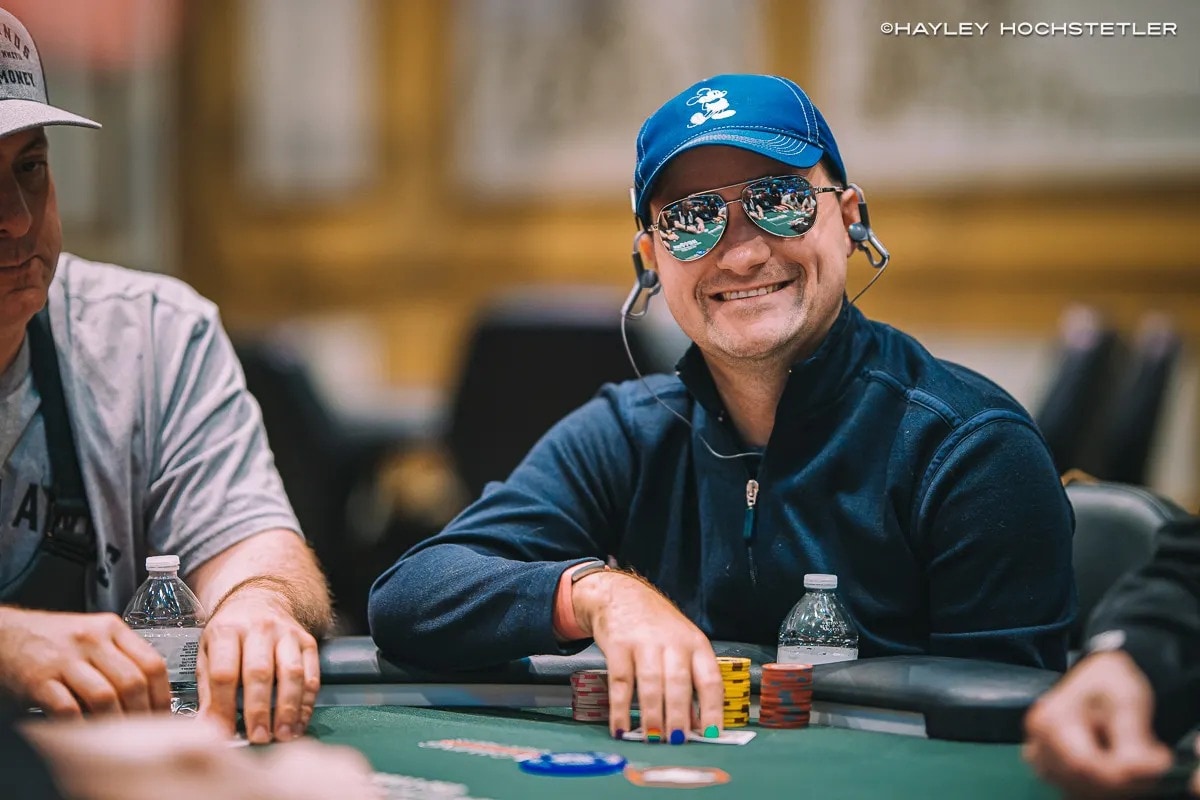
Before becoming a sought-after coach and earning millions, Ryan Laplant worked part-time as an ordinary pizza delivery driver. In interviews he has spoken honestly about how he started out with small online deposits while delivering orders in an old car. For a long time poker frightened him with its instability, so he combined delivery work with grinding the microstakes. The turning point came when his poker income at the virtual tables came to many times his courier wages. That was when Ryan decided to move fully into playing professionally.
As a result, over 15 years of competing on the international stage he won a WSOP gold bracelet in 2016, and his total career prize money online and live has passed the $6.6 million mark. Today the former delivery driver is recognised as one of the leading theorists of modern tournament strategy and is successfully developing his own training platform, Learn Pro Poker.
Read also:
The case of how a single mother stormed into a huge-field tournament and took home a million dollars
5. The story of Maria Konnikova

American Maria Konnikova built a brilliant academic career — she graduated from Harvard, earned a doctorate at Columbia University and wrote for The New Yorker. At the same time, she did not even know the basic rules of poker and got the hands mixed up. Maria came to the game not to make money, but for the sake of a scientific experiment for her new book. She wanted to find out how the human brain makes decisions under conditions of complete uncertainty and how the game helps you overcome your inner fears.
Her colleagues viewed the venture with scepticism. Maria herself felt foolish at first and had serious doubts that she would be able to compete on equal terms with experienced players. She put her scientific knowledge of attention and focus into practice, and Erik Seidel agreed to become her personal coach.
The experiment got completely out of hand, and instead of writing dry theory Konnikova began beating high rollers. In 2018 she won an international tournament at the PCA, taking $84,600 in prize money. Out of that journey she produced the bestseller "The Biggest Bluff", became a professional poker player, won a WSOP gold bracelet, and her total career winnings have passed $1.1 million.
To people far removed from poker it often seems that building a successful career requires a mathematical mind or innate talent. But these stories prove that with hard work and a willingness to develop systematically, the path to the top can open up for anyone.
If you want to turn poker from a hobby into a profession, find a strong environment around you and move quickly along the path to a steady income — take the first step.
Start learning poker for free