How not to fear acting on flush draw boards?
FirstFund coach Konstantin «Gambler14» breaks down MTT coach Alex Fitzgerald's advice on playing against opponents with a possible flush draw.
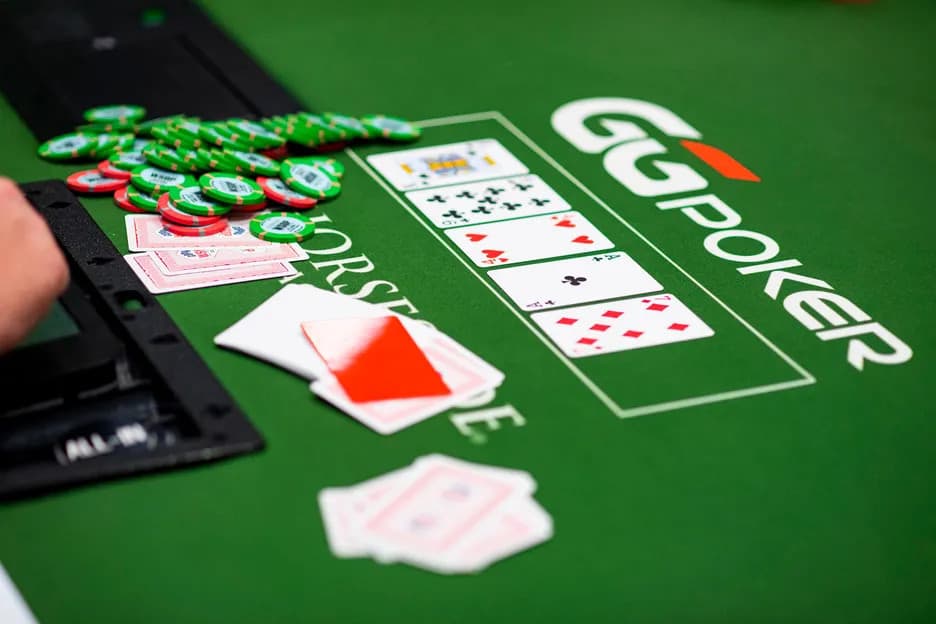
Many players feel lost on flush-draw flops. They tend to assume their opponents hold the strongest hands, and so they don't know how to counter this. However, quite often you can extract far more value from such situations than it might seem at first glance. Renowned MTT coach Alex Fitzgerald gave four tips on playing flush-draw boards, and FirstFund coach and author of the "Neuhodimka" Telegram channel, Konstantin "Gambler14", gave his own take on them.
 FirstFund coach and author of the «Neuhodimka» Telegram channel

New breakdowns in your inbox
Subscribe to the FunFarm newsletter: fresh Poker ABC articles and material that helps you grow as a player.
Flush draws are rare
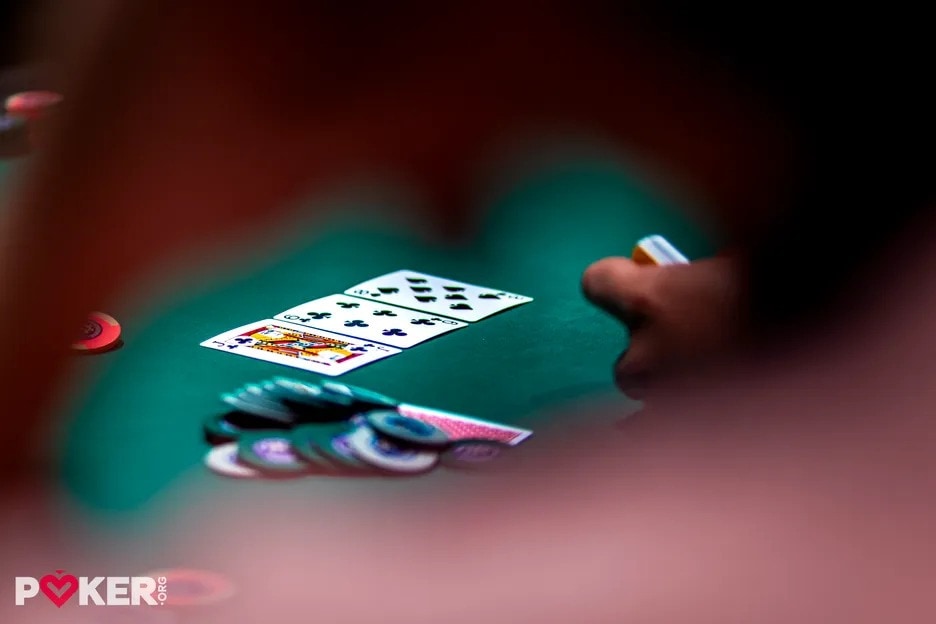
Players often overestimate how often their opponents have flush draws. Yes, an opponent might have one, but the probability isn't as high as you think. Even if the big blind defends with every possible suited combination, when calling on the flop they'll have a flush draw in roughly 20% of cases.
«You might assume the opponent has some incredible «Frankenstein range» where they fold bottom pairs and continue with all flush draws, but even in that scenario the probability would be around 30%. In reality, though, they'll actually have a flush draw in 10-20% of cases,» writes Fitzgerald.
Commentary from Konstantin «Gambler14»:
— Alex isn't entirely right; on most textures the opponent's range will always contain flush draws within about 10% of the total number of combinations. There are exceptions too, for example monotone boards, where a single card gives a flush draw, so that situation is far more frequent there. But more than 10% is very rare. The rest is made up of straight draws and various gutshots, where those are possible on a given board.
A pair is a more likely combination
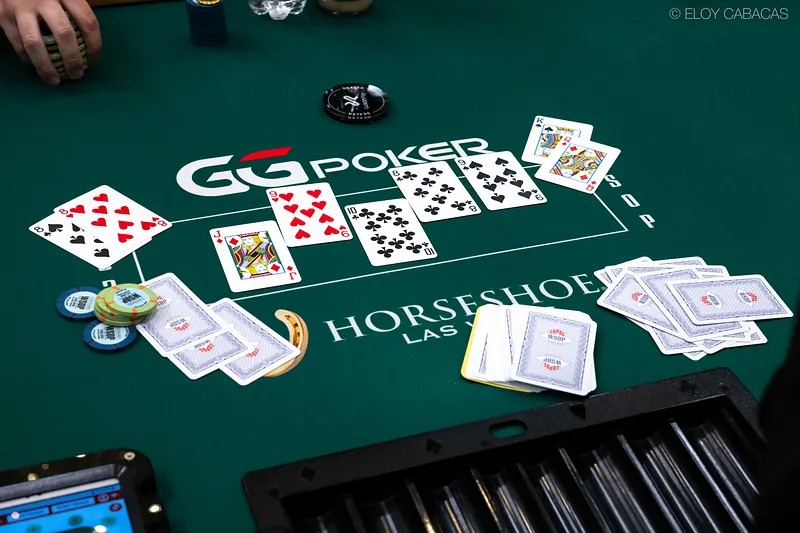
In hold'em it's much easier to make a pair. For example, on a K-high flop with two suited cards, the opponent has 16 ways to make top pair with a KJ hand. The probability of making other paired combinations is even higher. Meanwhile, they can only make a flush draw with a QJs hand in one way — by getting the same suit as on the board.
«When you bet on the flop with a flush draw and the opponent calls, their range will usually contain pairs and a few types of draws. How many draws? That depends on how loose the opponent plays, and how often they're willing to continue with backdoors and gutshots,» notes Fitzgerald.
Commentary from Konstantin «Gambler14»:
— Evaluating ranges is, in general, already a professional-level skill, but to put it very simply, you need to do it based on position. For example, we're playing a full 9-max table, a pro opponent open-raises, we defend the big blind, and the board comes J♥️5♠️6♠️.
If our opponent opened from an early position, they'll have fewer top pairs, but they'll be strong ones, since their profitable opening range starts from J9s, whereas on the button they'll have more top-pair combinations, but there will also be weak jacks in there, like J7s or J4s.
Learning at FunFarm, from any level
Opponents themselves are afraid of flush draws
From Fitzgerald's experience, most players, for some reason, are afraid to play flush draws. With two suited cards on the board, they themselves don't want to see the third one. This is especially true for American players, whereas poker players from Europe and Asia more often set traps on flush-draw boards.
A call on the flop will more often mean the opponent doesn't have the strongest hands — sets and two pairs. Otherwise, the opponent would have chosen a check-raise, to play their strong combination faster rather than wait for the board to become more dangerous.
«Firstly, there simply aren't that many set and two-pair combinations to begin with. On most boards, all such combinations together make up only about 10% of possible hands. Secondly, your opponent will often raise with some or all of these hands, because they're afraid of the flush draw completing and creating a huge losing pot,» Fitzgerald emphasizes.
Commentary from Konstantin «Gambler14»:
— Opponents aren't afraid of flush draws, but of made flushes, and only when they hold a strong made hand themselves, which is obvious. In general, it's been standard for a long time to play draw-heavy boards actively, because their main value lies in the size of the pot in which our flush draw ends up completing.
Make large bets on the turn
Opponents will probably raise with many sets and two-pair combinations, and a call means they hold mediocre pairs or a draw. That's why it's necessary to apply pressure on the turn. Bet 75% of the pot for value, and on drawy boards opponents are more likely to respond.
This is where drawy boards differ from dry ones. When a flush draw is present, opponents have more hands that justify a big call. On dry boards, opponents with high cards usually won't call a 75% pot bet, so a smaller bet size is needed in those cases.
When it comes to bluffs, an overbet works best. Most opponents with weak draws or weak pairs won't want to call an overbet and will fold.
Comment from Konstantin "Gambler14":
— A 75% sizing is a universal turn bet, just like 33% on the flop, but on coordinated boards with a flush draw, a bet of 100-150% of the pot now looks more standard, both for the bluffing and the value part of our range.

Don't be afraid that opponents will read you
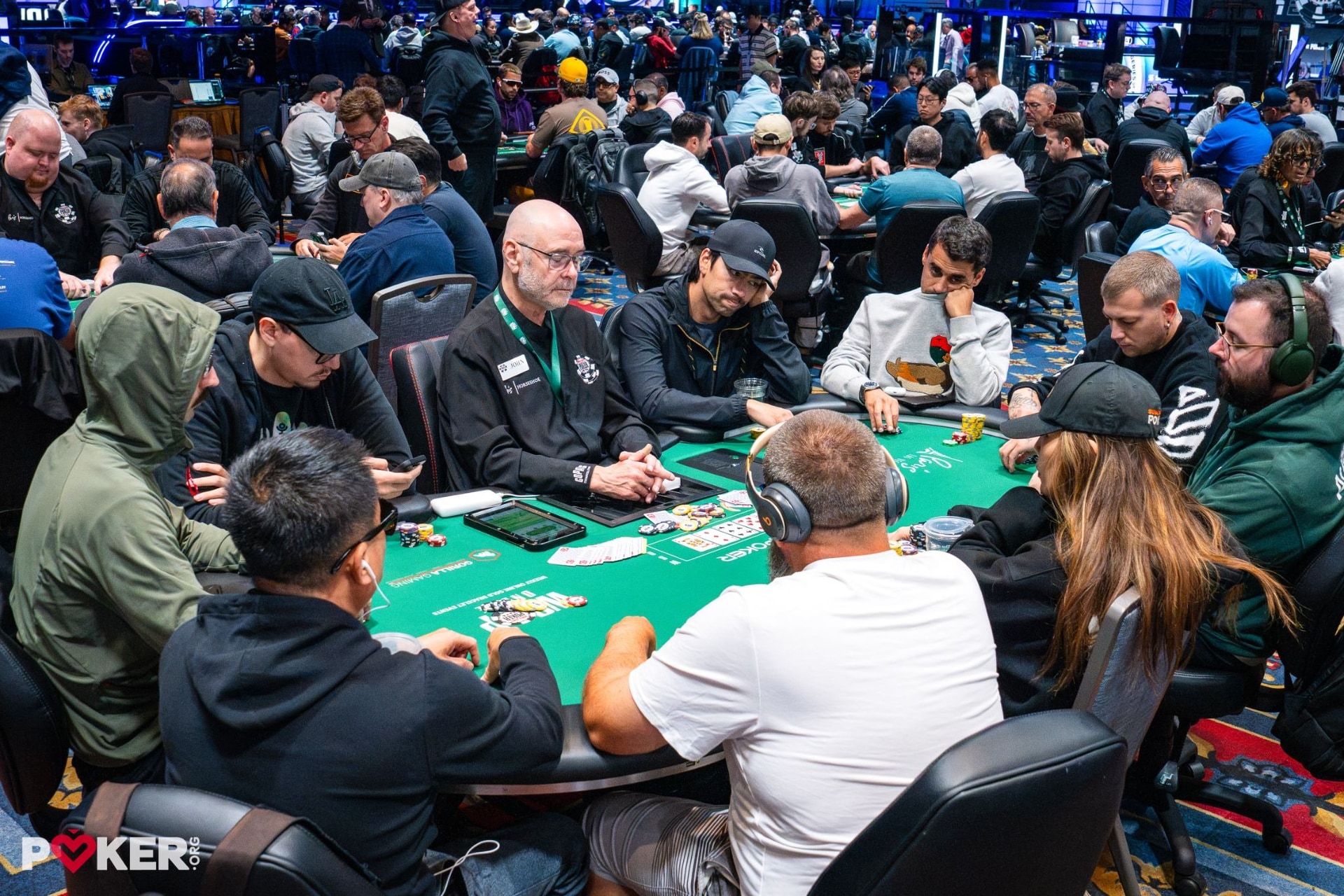
Someone might start worrying that opponents will quickly figure them out by noticing 75% pot bets for value and overbets when bluffing. But Fitzgerald assures that online, opponents don't pay attention to this. As for live games, even the most attentive players won't manage to gather a sufficiently large sample of actions to draw a reliable conclusion from it. What's more, most players there aren't tracking anything anyway.
Comment from Konstantin "Gambler14":
— Alex suggests playing an overbet as a bluff, and 75% for value. That's a mistake, of course. So that we're not read like an open book, we need to choose a bet size that lets us play both our flush draws and our strong combinations, forcing the opponent to guess every time. The bigger the bet, the fewer showdowns the opponent sees, and the slower they'll be able to adjust to us.
Let's sum up
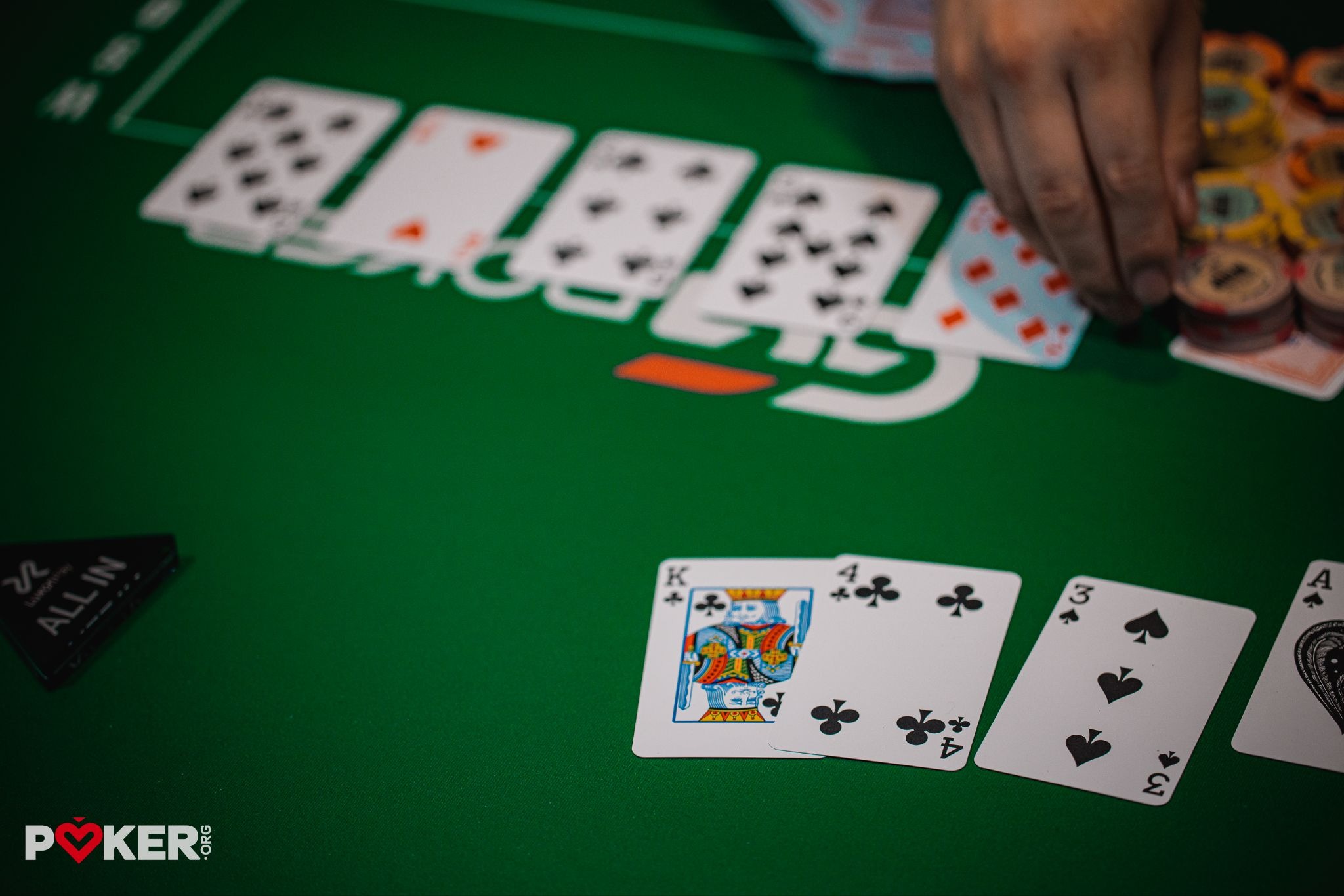
Fitzgerald, of course, didn't offer his readers a universal strategy for playing on flush-draw boards that works like clockwork. FirstFund coach Konstantin Gambler14 notes that the American coach's advice is more relevant for soft live games than for modern online poker.
To be ready for poker battles online and at real tables, quality training is essential. You can start with the free course FF Start. This program will let you master both the basic principles of the game and some current strategies, and thanks to the built-in trainer, all the knowledge gained can be immediately reinforced in practice.
Free course · FF Start
Poker is a skill you can learn
FF Start shows where to begin and how to grow step by step, without needless theory.