Four iconic bluffs in poker history
Go all-in with trash in hand and make your opponent doubt themselves? Easy. We break down 4 iconic bluffs in poker history where psychology earned players millions.
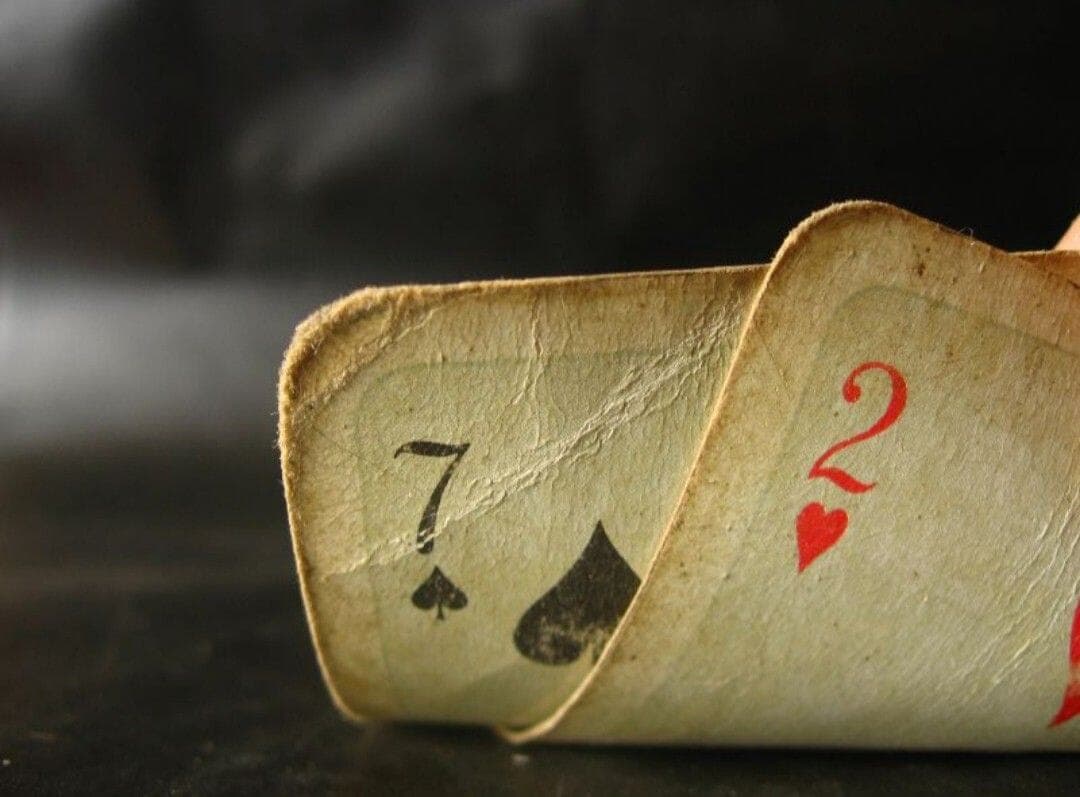
We love poker for the emotion, the show, and the players' ability to read their opponents' behaviour and pull off bluffs. The most spectacular moments in the game are pure bluffs, when a player without a made hand forces an opponent to fold the strongest of cards.
We've put together four of the most talked-about hands in history, where the cost of a mistake was measured in hundreds of thousands of dollars, and the bluffer was holding pure air.
Chris Moneymaker vs Sammy Farha (WSOP 2003)
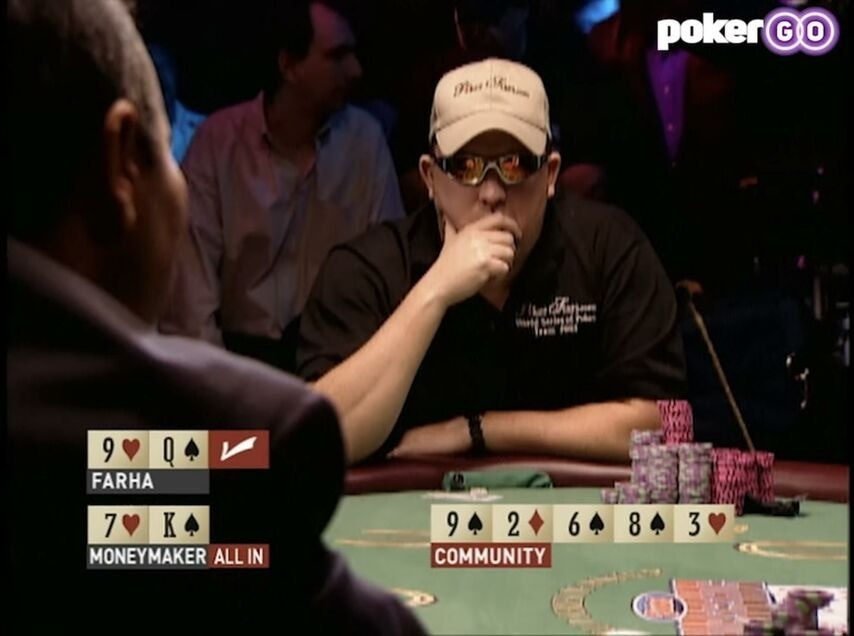
In the final heads-up of the 2003 World Series of Poker Main Event, an ordinary accountant, Chris Moneymaker, faced off against experienced high-stakes regular Sammy Farha.
Chris Moneymaker: 7♠️ K♠️
Sammy Farha: 9♥️ Q♣️
Board: 9♠️ 2♦️ 6♣️ 8♠️ 3♥️
Hand chronicle
On the preflop, Moneymaker opened with a raise from the button, and Farha defended the big blind. On the 9♠️ 2♦️ 6♣️ flop, Farha caught top pair, but decided to play from a check. Moneymaker also checked behind.
Everything changed on the turn when the eight of spades came. Farha decided to take the pot down directly and made a bet of 300,000 chips. At that moment, Moneymaker went into full aggression mode. Holding only the King of spades and slim odds for a straight, he announced a big raise to 800,000. Farha accepted the challenge and called.
The 3♥️ river didn't help either player. Farha checked again, and Chris announced all-in. Moneymaker made Farha believe that he had made his straight. After thinking it over, Sammy Farha folded the best hand, and just a few hands later, accountant Chris Moneymaker became the World Champion and won $2.5 million.
Phil Ivey vs Tom Dwan (High Stakes Poker, Season 6, 2010)
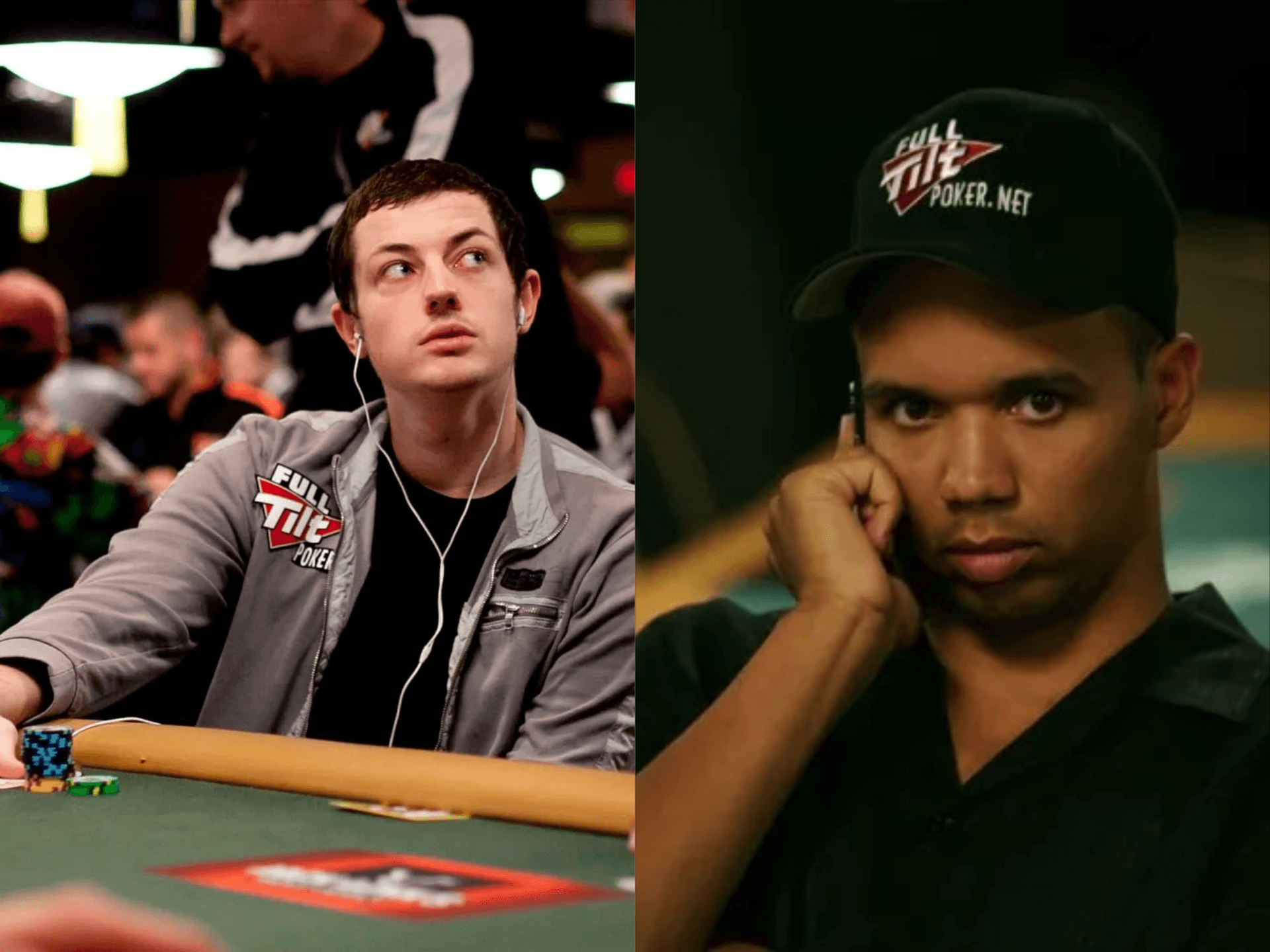
When two of the poker world's biggest intellectuals clash in a duel, mathematics gives way to mental warfare. This hand became a calling card for the young Tom Dwan.
Tom Dwan: 9♠️ 8♠️
Phil Ivey: A♦️ 6♦️
Board: 10♦️ Q♣️ K♦️ 3♠️ 6♣️
Hand chronicle
By the time the 10♦️ Q♣️ K♦️ flop came, there was already $70,700 in the middle of the table. Ivey had picked up a nut flush draw, while Dwan had completely missed. Nevertheless, Tom immediately fired out a powerful continuation bet of $45,800. Ivey called the bet, pushing the pot up to $161,100. The turn brought a blank 3♠️. Dwan didn't slow down and fired a second barrel — $123,200. Phil Ivey called again, taking the showdown to the final street.
The 6♣️ river didn't complete Ivey's flush, but it gave him a pair of sixes. Dwan, realising that his 9-high loses to everything, decided to bluff and made a crushing overbet — $268,200. The psychological pressure and the enormous bet sizes made Ivey doubt the obvious, and he folded the best hand, handing Tom a $676,900 pot.
Historical note: this pot didn't become an absolute record for total amount in the history of TV poker, but it firmly secured its status as the biggest pot ever won without a made hand throughout the entire era of the High Stakes Poker show.
Tom Dwan vs Sammy George (Million Dollar Challenge 2009)
At the London Million Dollar Challenge show, the opponents made a classic bet: winning with the worst hand, 7-2, would earn the player an extra $10,000. On the preflop, Tom Dwan openly told Sammy George that he was going to bluff him with exactly these cards. The most surprising thing was that George didn't believe him.
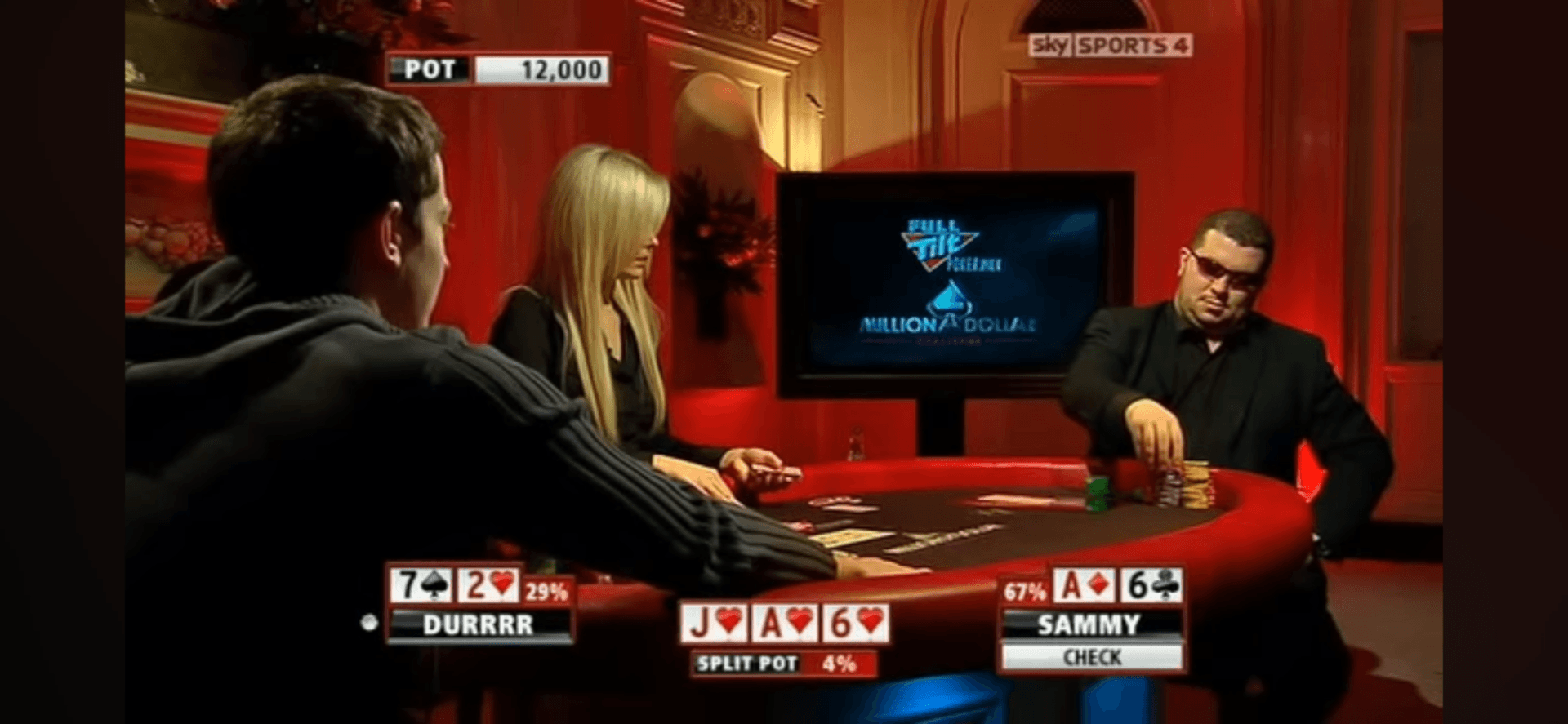
Tom Dwan: 7♠️ 2♥️
Sammy George: A♦️ 6♣️
Board: J♥️ A♥️ 6♥️ 3♣️ 3♠️
Hand chronicle
On the preflop, Dwan opened with a raise of $6,000 with the trash hand 7♠️ 2♥️, and Sammy George called with A♦️ 6♣️. The J♥️ A♥️ 6♥️ flop looked promising for George — he caught two pair. George checked, Dwan made a continuation bet of $10,000, Sammy raised it to $27,000, but Tom made the call, starting to build a story of a made flush.
The turn brought a 3♣️, and George played check-call again against Dwan's second solid barrel sized at $48,000. The showdown came on the river, when the board paired with 3♠️. George checked for a third time, and Dwan moved all-in with 7-2. Sammy George believed until the end that his opponent had made a flush and folded the best hand, and Tom Dwan proved that sometimes the biggest lie in poker is the plain truth.
Watch: Tom Dwan vs Sammy George
Sam Trickett vs Stephen Chidwick (Triton Million London 2019)
As part of the Triton Million charity tournament with a £1,050,000 buy-in, three of the planet's leading regulars staged a psychological thriller on the very first day of the tournament.
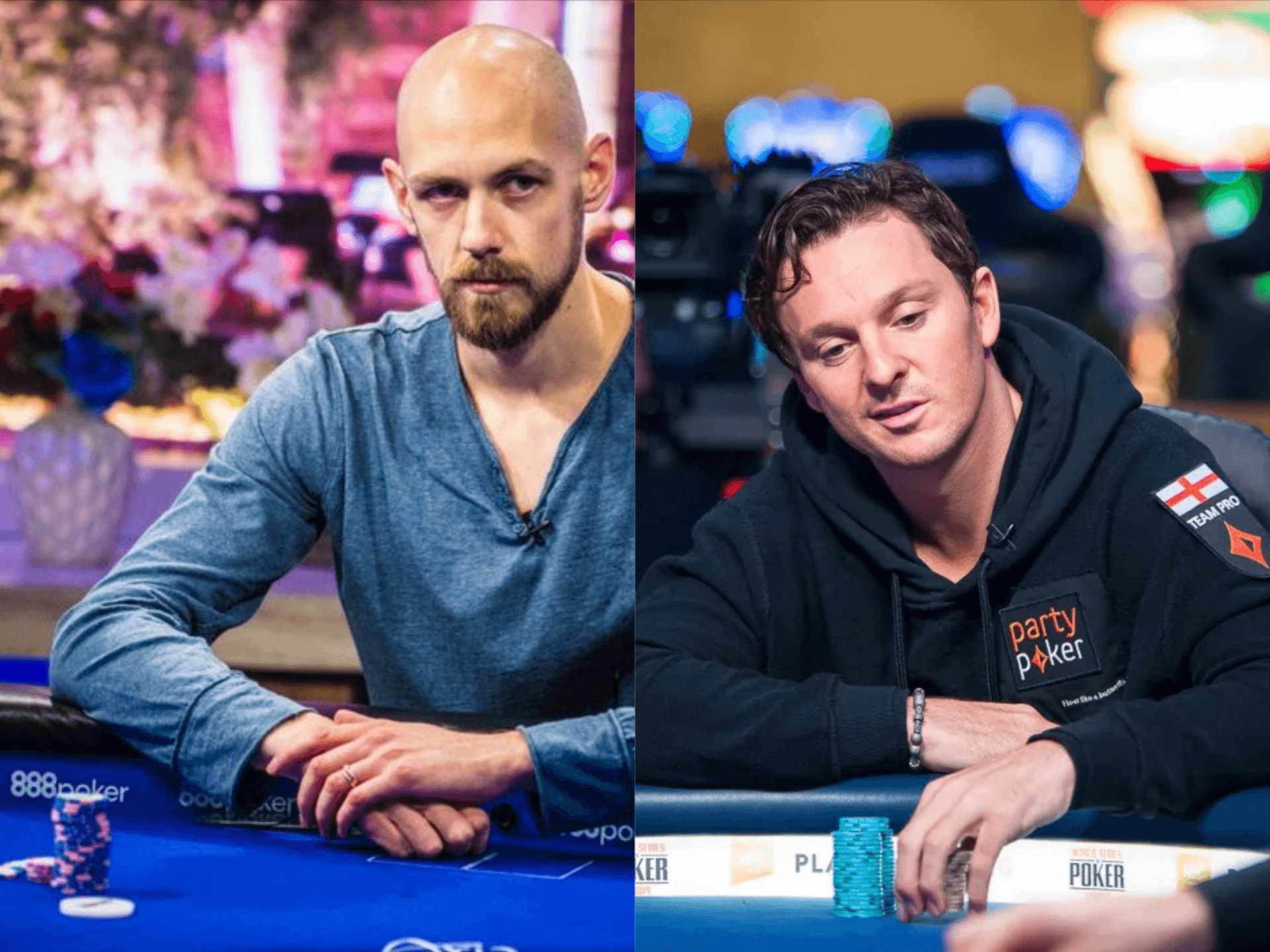
Stephen Chidwick: J♣️ 8♣️
Sam Trickett: A♣️ J♦️
Bryn Kenney: 8♥️ 6♣️
Board: 7♣️ 4♣️ 3♣️ J♠️ 7♠️
Hand history
On the preflop, Chidwick opened with a minimum raise of 13,000. Trickett called on the small blind, and Kenney defended his big blind. The pot amounted to a starting 45,000.
The 7♣️ 4♣️ 3♣️ flop came all clubs. Chidwick flopped a made flush to the Jack. Trickett picked up the nut flush draw thanks to the Ace of clubs. However, all three players checked. Chidwick deliberately hid the strength of his hand, setting up a trap.
The turn brought the J♠️, giving Trickett a pair of Jacks. Kenney still had nothing. The opponents checked around again, leaving the pot size unchanged.
The action kicked off on the river with the 7♠️, which paired the board. Trickett decided to break the silence and made a small bet for thin value — 16,000 chips. Bryn Kenney, sitting behind him, announced a big raise to 102,000, trying to represent a full house. Chidwick, holding his flush, decided not to build the pot against two opponents and simply called. When the action came back to Trickett, the British pro took his poker analysis to the highest level. Chidwick's call meant he didn't have the nuts. Meanwhile, Sam held A♣️ — a key blocker.
Trickett turned his pair of Jacks into a bluff and announced an all-in for 485,000 chips. With this move, he told the table that he was the one holding the nut flush.
Kenney instantly folded. And Chidwick, after using several extra time cards, believed the false representation and folded his made flush. Sam Trickett scooped a massive pot, pulling off one of the most expensive and mathematically precise bluffs in televised poker history.
Watch: https://www.youtube.com/watch?app=desktop&v=X08HKqyFczc
These examples prove once again that in poker, it's not always the player dealt the best cards who wins. What matters most is the ability to read opponents and make them play by your rules.
Behind every iconic bluff lies calculation and the ability to control other players' decisions. If you want to outgrow amateur status and make poker your profession, join our fund's team and move on to systematic training under the guidance of experienced coaches.
Apply now