Slowplay in Poker: Guide to Profiting with Strong Hands
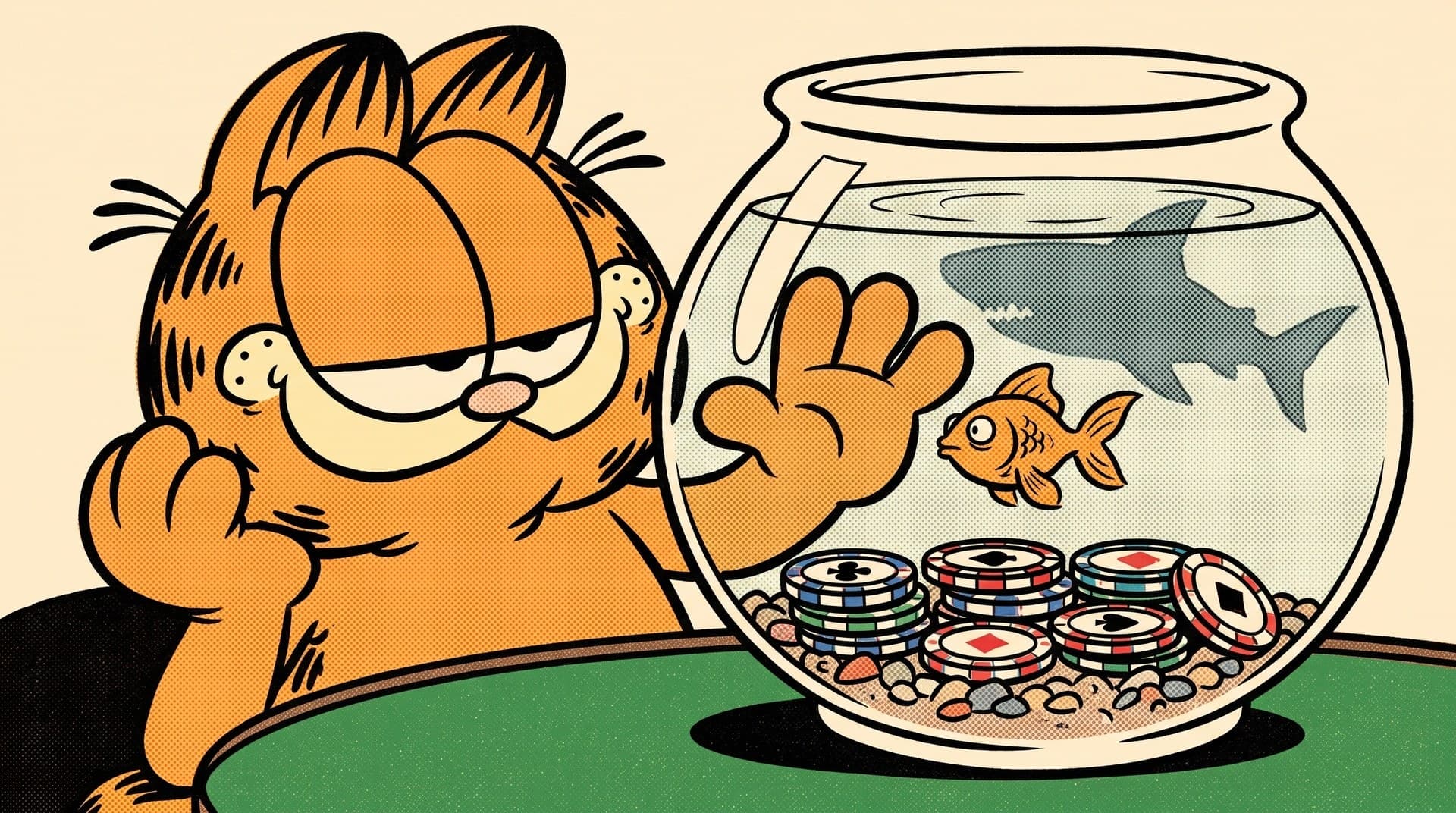
A strong hand in poker is no guarantee of victory. What matters isn't just the cards you're holding, but exactly how you play them. One technique that can help you win is the slowplay: deliberately passive play with a very strong hand.

Lera conducts interviews with players and coaches, provides commentary on events, hosts news broadcasts, and helps build dialogue between the players and the team. Lera's arsenal includes dozens of reviews, practical sessions, and training videos. More than 50 training sessions have been released on the fund's channels — from final-table reviews to advanced decision-making concepts.
At first glance the idea sounds appealing — hide the strength of your hand, let your opponent show aggression, and extract the maximum from them on later streets. But in practice slowplay isn't all that simple — it can often turn into lost profit or even into a lost hand in a spot where you could have taken the pot with confident aggression.
In this article we'll break down what slowplay is, when it's actually appropriate, in which situations it's better avoided, and how to look at this play through the eyes of a professional player.
You'll learn:
what slowplay is and how it differs from a classic bluff
in which situations playing a strong hand slowly can be profitable
why slowplay is dangerous against passive opponents
which boards and hand types are categorically unsuited for slowplay
how to assess the situation before giving up aggression.

New breakdowns in your inbox
Subscribe to the FunFarm newsletter: fresh Poker ABC articles and material that helps you grow as a player.
What slowplay is in simple terms

Slowplay is the deliberately passive play of a very strong hand. Instead of betting and raising, you:
check where you could bet
call where you could raise.
In essence, slowplay is the "mirror image" of a bluff. When you bluff, you portray a hand as stronger than it actually is, while in slowplay you try to look weaker than you are, so your opponent keeps betting and putting chips into the pot.
Important: slowplay isn't simply checking with a strong hand, but a conscious, deliberate choice of a passive line with a specific goal — to give your opponent a chance to make a mistake and put more chips into the pot.
When slowplay makes sense
You can't apply slowplay by default every time you make the nuts. In most cases it's more profitable to play strong hands aggressively.
There are two key factors without which slowplay will rarely be profitable:
1. Your opponent's playing style
Slowplay only works against those who are willing to take the initiative — aggressive players who like to bet actively, and opponents who bluff often.
Against a passive player who doesn't bluff and continues only with a strong hand, slowplay often makes no sense they'll just check behind, and you'll hand them the chance to finish the hand cheaply.
Against a player who likes to call any bet — a so-called "calling station" — there's also no point pretending to be weak; it's more profitable to play honestly and aggressively.
2. How protected your hand is
Slowplay is acceptable only when there's almost no threat to your hand — the board is dry, there are no obvious straight or flush draws, and your opponent's possible outs are limited.
If the board is draw-heavy and you have a strong but vulnerable hand — for example, two pair or a set — a passive line often turns into an invitation for your opponent to buy the card they need for free.
We covered board structures and their names in this article. If the word "draw-heavy" was unclear to you, feel free to follow the link.
Slowplay on different streets
1. Slowplay preflop
Before the flop, slowplay is rarely used. Preflop you have little information about your opponents' hands, there are many possible multiway pots, and premium hands are in most cases more profitable to play aggressively.
Sometimes you can "slow down" with pocket aces if:
there are many active players behind you
there's a high probability that someone will raise or 3-bet after your call.
With kings and queens, slowplaying preflop is significantly riskier: a standard raise or 3-bet will most often be the more profitable and hand-protecting decision.
2. Slowplay postflop
The main area for applying slowplay is precisely the flop, turn, and river, when:
you can see the board structure
you can assess your opponent's range
you understand how much your hand dominates.
you see that your opponent plays extremely aggressively and is capable of active bluffing
The better you read ranges and board structure, the more accurately you'll be able to select hands for slowplay.
Learning at FunFarm, from any level
Pros and cons of slowplay
1. Pros:
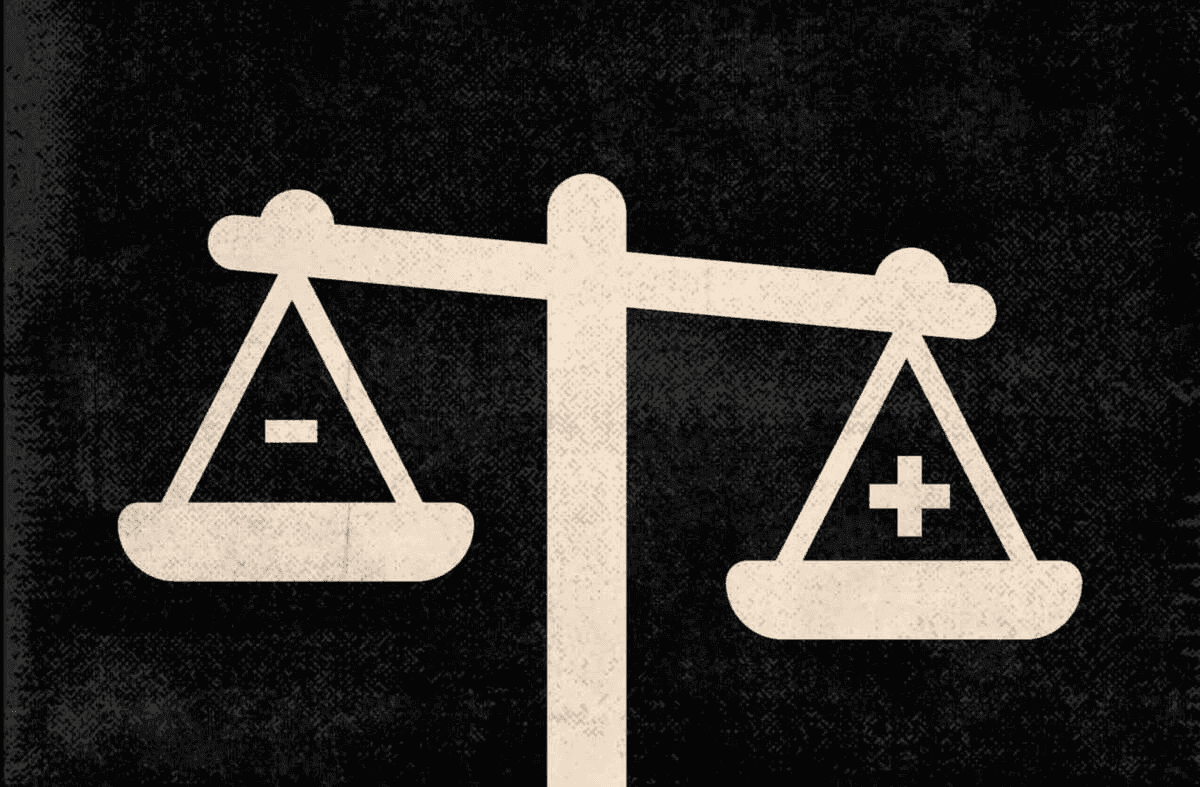
allows aggressive opponents to put chips into the pot without a strong hand
helps you earn extra chips where direct aggression would knock your opponent out of the pot
strengthens your line if you know how to balance slowplay and aggressive play.
2. Cons:
gives your opponent the chance to buy outs for free
leads to lost value against players who rarely bluff
often leads beginners to overplay nut hands — "couldn't fold when the situation got worse by the river"
Conclusion: slowplay is a tool, not a base mode of play. It should be a rare option in your arsenal, not a habit of hiding a strong hand.
The worst situations for slowplay
Regular slowplay is one of the typical mistakes of beginning players. Below are three situations where playing slowly almost always costs you money.
1. Slowplaying aces and kings against several opponents
One of the most painful mistakes: the passive play of AA or KK preflop and postflop in a multiway pot.
The beginner's logic:
"If I raise, everyone will fold. But if I just call, more people will come in — and I'll win a big pot."
The problem is that as the number of participants in the hand grows, the actual strength of your hand drops.
Premium pocket pairs feel much better in 1-on-1 or 1-on-2 pots than in a huge multiway pot, where everyone has a chance to make a straight, flush, or two pair.
Plus, many who slowplay aces and kings then aren't ready to fold them when the board clearly doesn't match the strength of their hand. As a result, a premium hand turns into a source of big losses.
2. Slowplay on a draw-heavy board
If the board is full of possible draws — flushes, straights, combo draws — a passive line with a set or two pair is a direct path to letting your opponent buy their outs cheaply. As a result, you can lose a huge pot in a spot where with aggression you could have provoked your opponent into folding some of their weak draws.
The player's task on such a board is to make the opponent pay for the attempt to improve, not to give out free cards. Slowplaying is a bad strategy in this case.
3. Slowplay against passive opponents
Slowplay itself only works under one important condition: the opponent must be inclined to bet on their own. If they can't bluff, rarely barrel, and prefer to check even with medium-strength hands, checking with the nuts turns not into a strategic play but into lost value.
A passive player won't try to push you out of the hand with bets. They'll take free cards and will often be too weak to pay you off on later streets.
It's especially important to understand this at low stakes. Players here bet as a bluff significantly less often, prefer to check everything that isn't an obvious hit, and generally avoid big pots.
Therefore, before choosing slowplay, you must have ironclad confidence that your opponent:
bets often
uses aggression as a tool
isn't afraid to bet with an empty hand
is capable of bluffing or semi-bluffing.
If that's not the case — choose a direct value bet.

The best situations for slowplay

Despite the risks, there are spots where slowplay really works and helps you extract the maximum.
1. The nuts on the flop on a safe board
One of the best scenarios for slowplay is when you've made the nuts on the flop, the board is dry, there are no draws, and it's hard for your opponent to have a strong hand right now.
In such a situation a bet often just knocks out all the weak hands, whereas a check leaves your opponent the chance to improve to something they'll be willing to pay with, gives room for bluffs and semi-bluffs, and lets them "see themselves as the favorite" and put more chips into the pot.
2. A dry, uncoordinated board against a strong opponent
When the board is practically devoid of draws and your opponent is a thinking player who pays attention to bet sizes and opponents' playing styles, slowplaying with two pair or a set can be more profitable than an immediate raise.
Reasons
there's almost nothing to protect your hand against
by raising on the flop you'll often scare off their potential bluffs
after a check-call, your opponent will still have room to bet on the turn and river
This is especially true when your opponent has already chosen a large sizing — it means that part of their range is pure bluffs that you want to keep in the game.
3. Against an aggressive, unyielding regular
Aggressive regulars — that is, professional players — often bet at the weakness an opponent shows. They use dangerous turns and rivers to represent the nuts, and they don't like to fold when they themselves are showing strength.
If you understand that your opponent often bets in response to your checks, likes overbets, and actively uses "scary" board cards, then slowplaying the nuts on a safe board against such an opponent can bring maximum profit.
Important conditions:
your hand is protected from draws
you're in position or know how to properly construct check-raise and check-call lines
you're ready to withstand the pressure and not overplay the situation.
At the final table an additional argument in favor of a more passive line appears — the influence of ICM (Independent Chip Model). Under ICM, chips you win are worth less than chips you lose, meaning that each lost chip reduces your prize expectation more than each won chip increases it.
That's exactly why at final tables slowplaying strong hands — top pairs, overpairs, second pairs — becomes a working tool, because players can thereby avoid unjustifiably large pots.
Against an aggressive regular, slowplay in the early and middle stages is a way to provoke a bluff, and under ICM it's a way to control the size of the pot and protect your expectation.
How to think about slowplay professionally
The professional approach to slowplay isn't a set of ready-made rules, but a constant assessment of context:
Be sure to consider:
the board structure — dry or draw-heavy
the strength and vulnerability of your hand
your opponent's style — passive, aggressive, loose, nitty
the sizes of pots and stacks
position — slowplaying is easier and safer in position
The main principle
Slowplay is a flashy but far from always profitable tool. It can bring extra profit against aggressive opponents on safe boards, but it just as easily turns into a source of painful losses.
If you're in doubt — most of the time an aggressive line will be safer and more profitable.
And if you want to learn to play strong hands so as to earn the maximum over the long run, rather than handing pots to your opponents, apply to FunFarm.
We help players build a systematic approach to strategy — from basic lines to advanced techniques, including slowplay, range balancing, and dealing with aggressive regulars.
Free course · FF Start
Stop playing by guesswork
Get to grips with positions, bet sizing, bluffs and decisions against different opponents.
Frequently asked questions
Read next
Call, 3-bet or fold after a raise: how to make decisions

Float in Poker: How to Use Position to Steal Pots
How to play against very aggressive players in poker